Written to be usable before you buy anything
Each guide answers one question and answers it directly at the top. The detail underneath exists to let you check the reasoning and apply it to your own building, not to pad the page toward a word count.
Where a guide's honest answer is that the cheaper option is fine, it says so. Cat6 is sufficient for most device locations. Most homes do not need six access points. A 9U cabinet is plenty for a lot of small offices. Those are useful conclusions, and a guide that cannot reach them is a sales page.
What the guides cover
The set covers the decisions that come up repeatedly in planning conversations, in the order they usually come up.
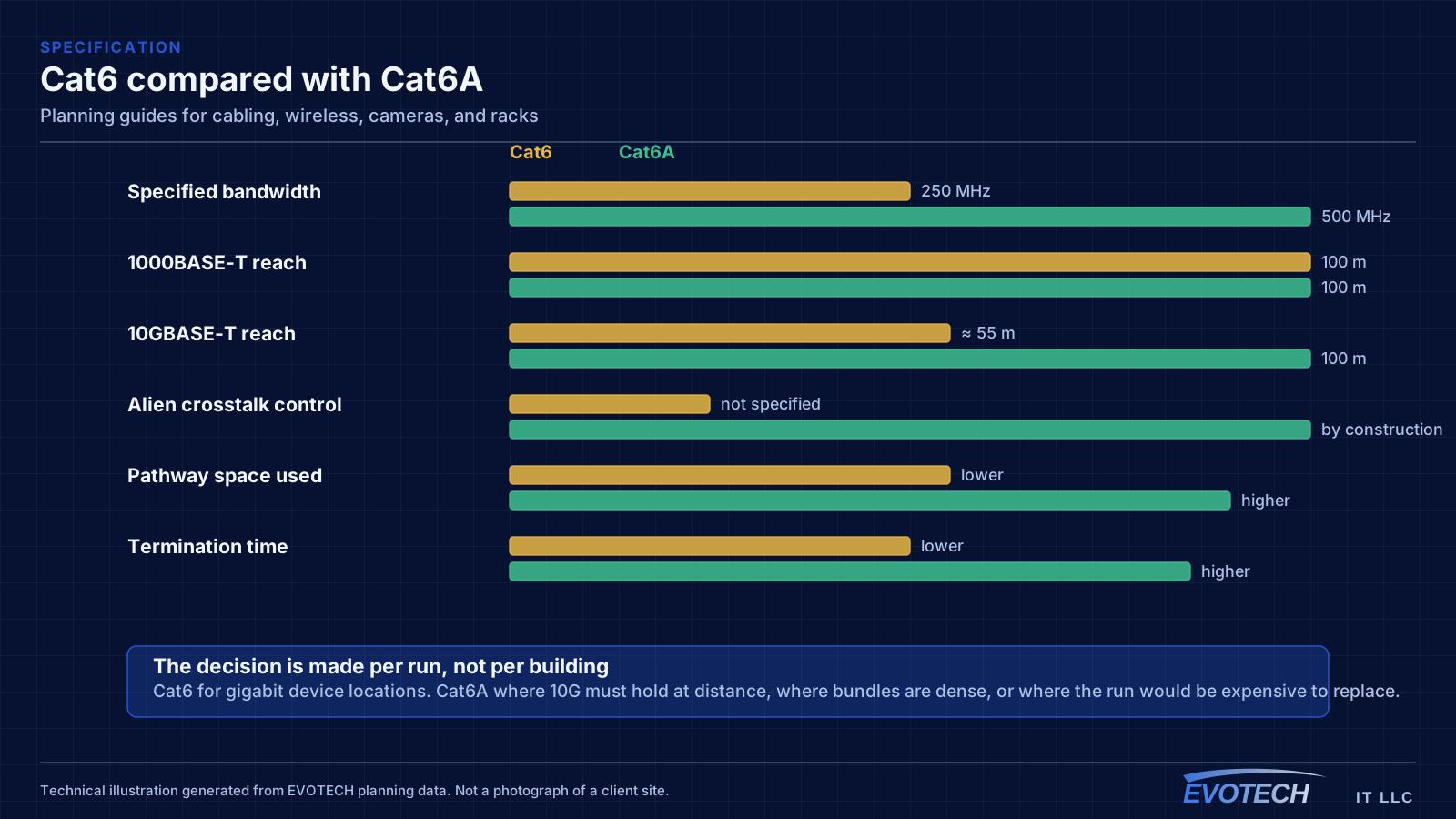
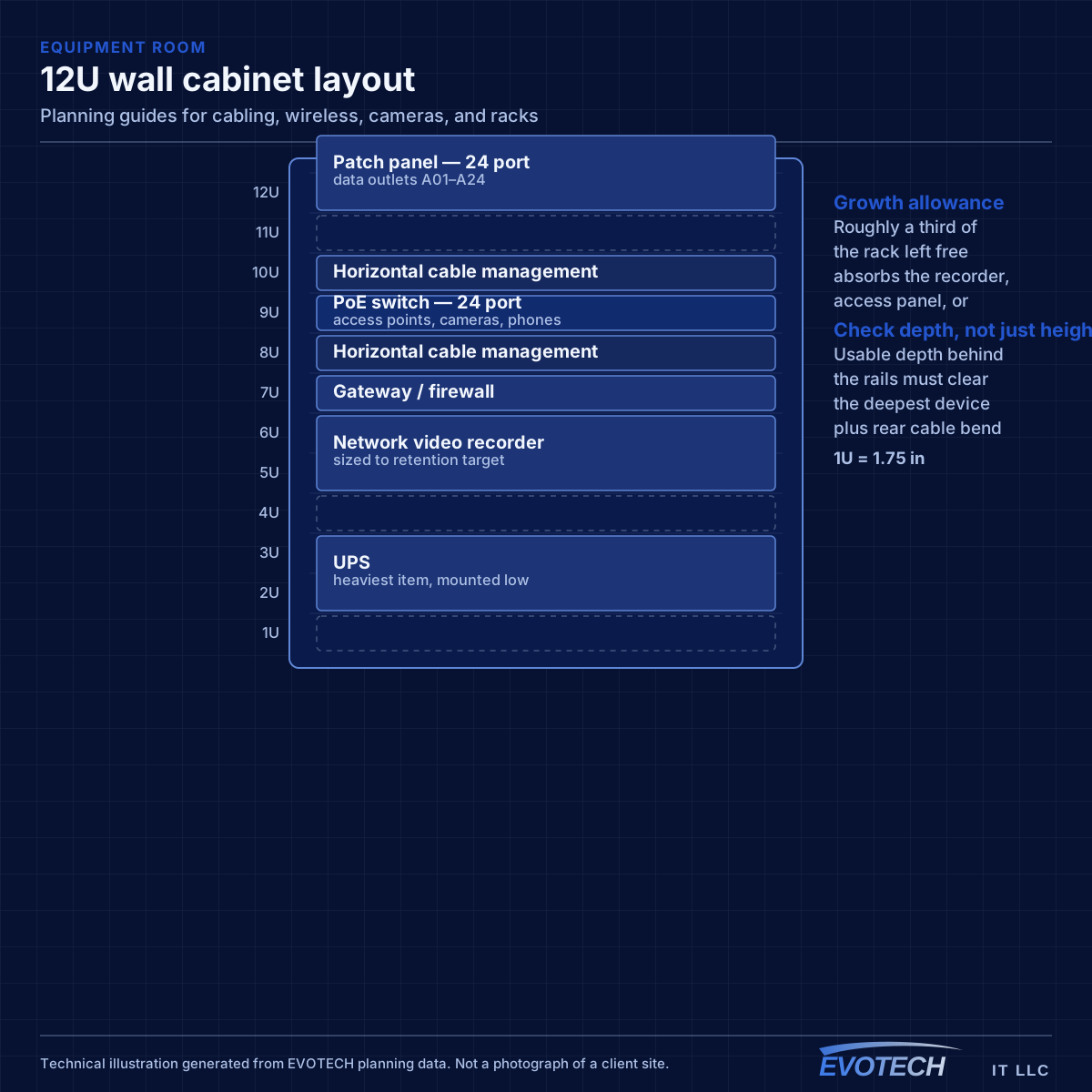
- Specification decisions: Cat6 versus Cat6A, rack sizing, patch-panel planning
- Coverage decisions: how many access points, extenders versus wired access points, why calls drop
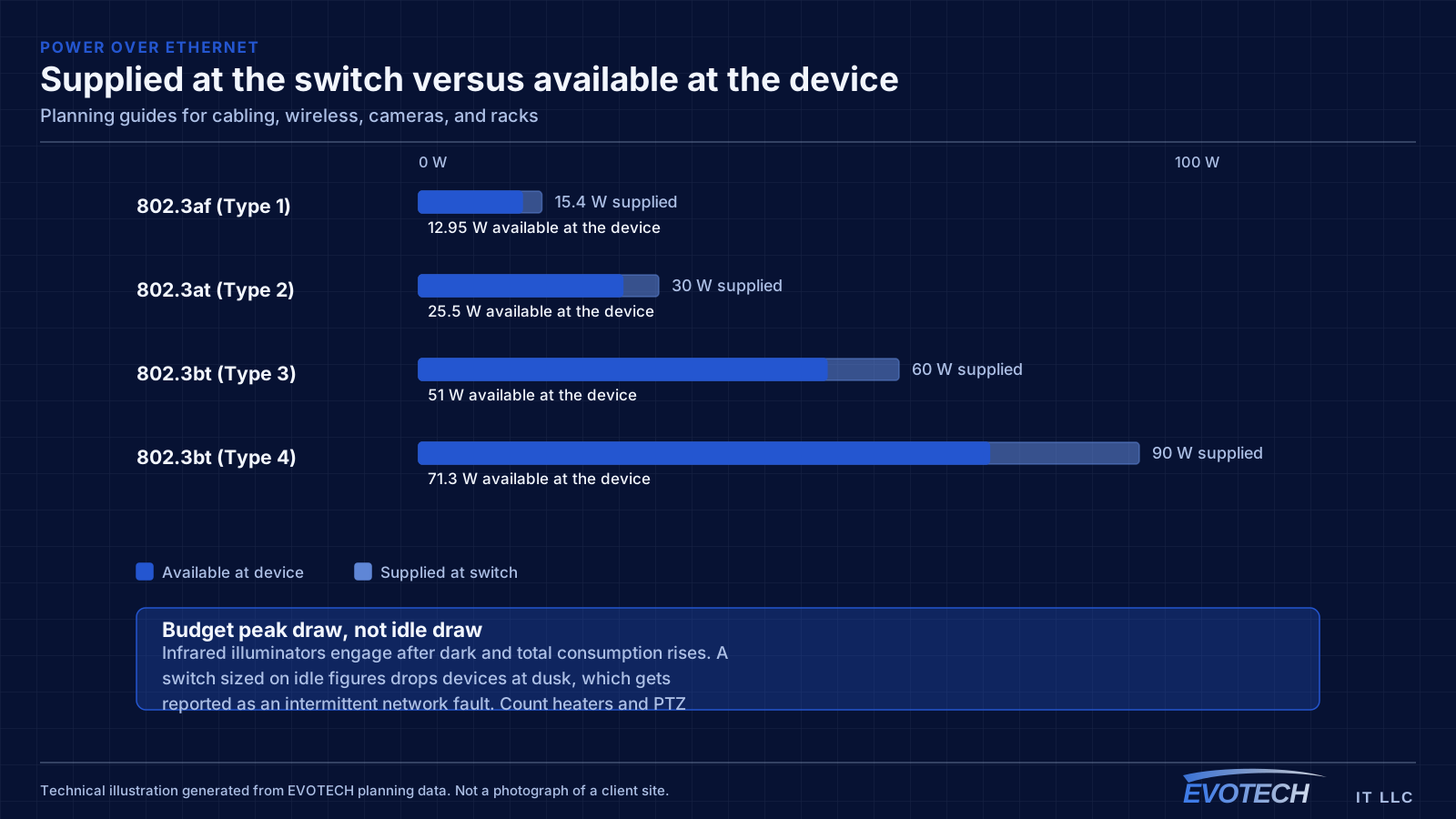
- Camera decisions: PoE system planning, camera cost factors
- Project decisions: commercial installation checklist, network closet planning, prewiring a new home
- Environment-specific: restaurant network and camera planning
- Ecosystem: UniFi compared with consumer networking
How to use them
If you are specifying a system, the specification guides come first — they determine what gets pulled and where. If you are diagnosing a complaint, the coverage guides are the faster route. If you are building or renovating, the prewiring and checklist guides matter most, because the decisions with the shortest window are the ones made before the walls close.
What these guides are not
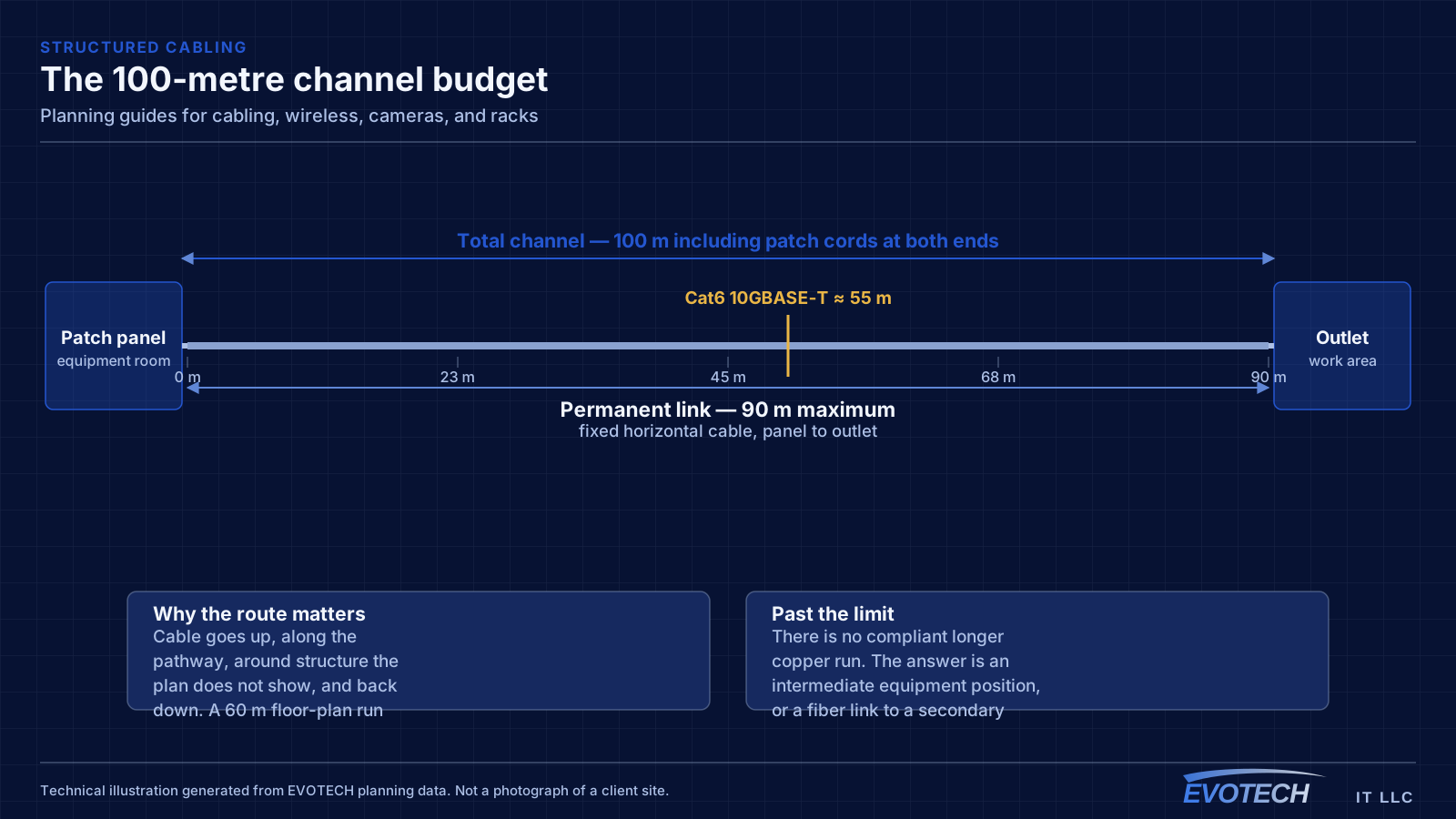
They are general planning guidance based on published standards and equipment specifications. They are not a substitute for looking at a specific building, and they do not contain prices. Where a decision depends on measurement — cable distance, signal level, PoE budget — the guide says so rather than offering a number that sounds authoritative and might be wrong for your site.
Planning guides
Task-oriented guides that answer one planning decision at a time — sizing, specifying, and prewiring for real installs.
Technical reference library
Specification and standards references built from published figures — cite-worthy tables for PoE, cabling, wireless, AV, and camera work.
Frequently asked questions
Are the guides specific to Houston?
Mostly they are general technical planning, because physics does not change by city. Where regional conditions genuinely matter — attic temperatures during summer work, slab-foundation routing, humidity and driven rain on exterior equipment — the guides say so explicitly rather than adding a city name to generic advice.
Do the guides include prices?
They include cost factors — the variables that move a quote and by roughly how much in relative terms — but not figures. Published prices require owner approval and a site-specific scope, and a number without those behind it would be misleading.