The short version
A data jack is the terminated outlet at the end of a horizontal run. It looks trivial, and it is the single most common place for a link to lose performance, because it is where the pairs get untwisted, where a punch-down can be shallow, and where the wrong component category quietly caps the channel.
Most data-jack work is one of three things: adding new outlets to existing runs that were left coiled in a wall, replacing damaged or worn jacks, or re-terminating outlets that fail a test. The third is the most common on inherited buildings.
Why the outlet decides the channel
A certification test measures the complete path: patch cord, patch panel, horizontal cable, and outlet. Insertion loss and crosstalk contributions from the connectors are a meaningful share of the total budget, particularly at the higher frequencies where Cat6 and Cat6A links have the least margin. A well-made termination preserves margin; a poor one consumes it.
Wiring scheme consistency matters more than which scheme is chosen. T568A and T568B differ only in which pair lands where, and either works — as long as both ends of every run in the building use the same one. A run terminated A at one end and B at the other produces a crossover, which modern equipment will usually auto-correct but which makes documentation misleading.
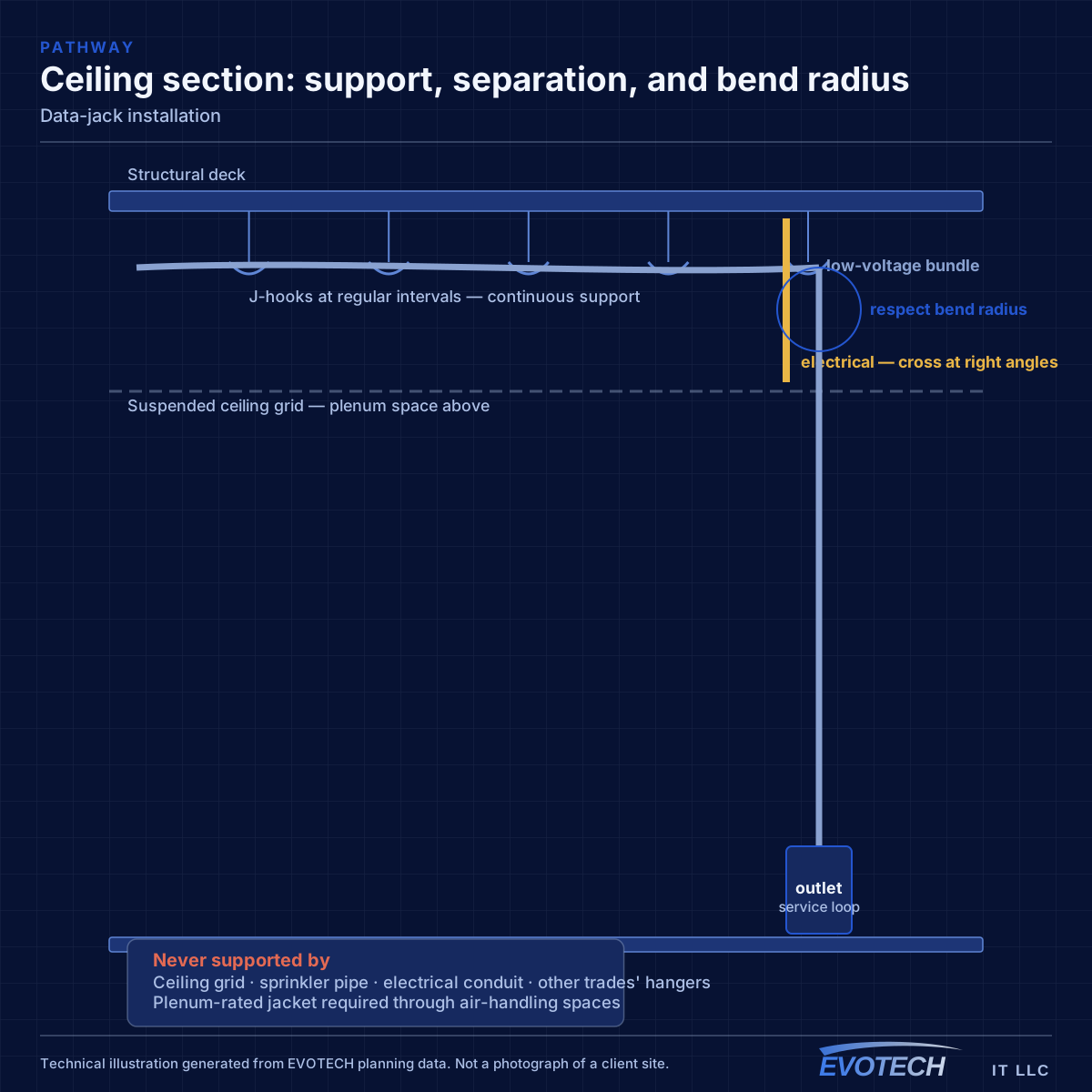
Mechanically, the outlet needs a service loop coiled in the wall — enough cable to pull the jack forward and re-terminate it at least once without opening the wall again. A jack with three centimetres of slack behind it is a one-time installation.
- Connector contribution is a significant part of the total loss and crosstalk budget
- T568A or T568B, applied consistently across every run in the building
- Service loop retained in the wall for future re-termination
- Low-voltage bracket or box to take mechanical strain off the cable
- Jack category matched to the cable and the patch panel
What tends to go wrong
The dominant failure is untwist. Twisted-pair cable rejects noise because of the twist rate, and every centimetre of pair untwisted at the punch-down is a small crosstalk penalty. Combined across four pairs and two ends, sloppy terminations can move a link from comfortable margin to marginal.
The second failure is component mismatch. A jack rated one category below the cable caps the entire channel at the lower rating, and nothing about the installation looks wrong. The third is mechanical: a plate mounted without a low-voltage bracket, so the cable takes strain every time something is plugged in.
- Excess untwist at the punch-down degrading crosstalk performance
- Jacks rated below the cable capping the channel
- No low-voltage bracket, so the cable carries plug-in strain
- Insufficient service loop, leaving no material for re-termination
- Inconsistent wiring scheme between ends causing split pairs
How the work runs
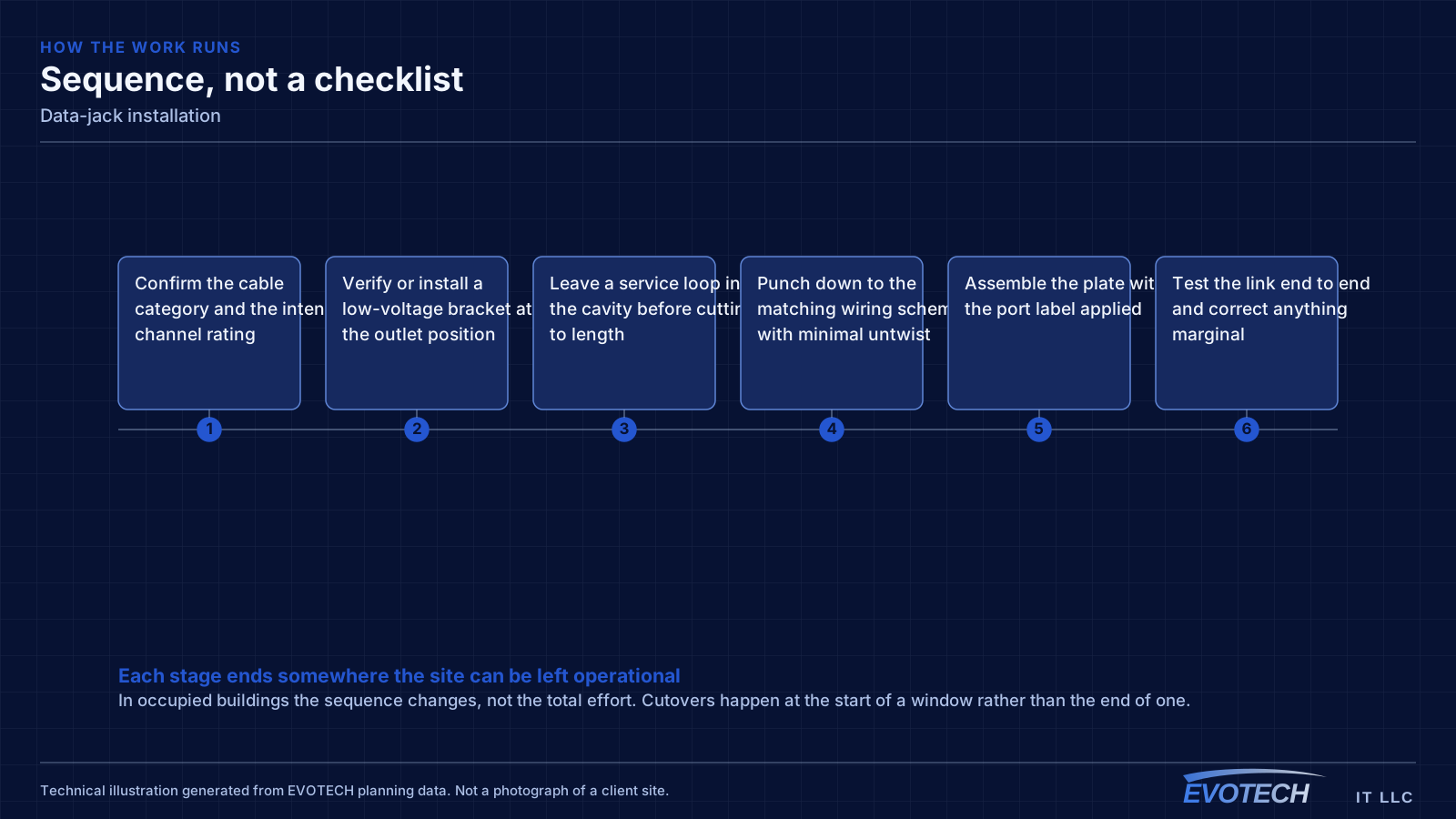
Jack work is short but exacting. The sequence is designed to leave the outlet re-serviceable.
- Confirm the cable category and the intended channel rating
- Verify or install a low-voltage bracket at the outlet position
- Leave a service loop in the cavity before cutting to length
- Punch down to the matching wiring scheme with minimal untwist
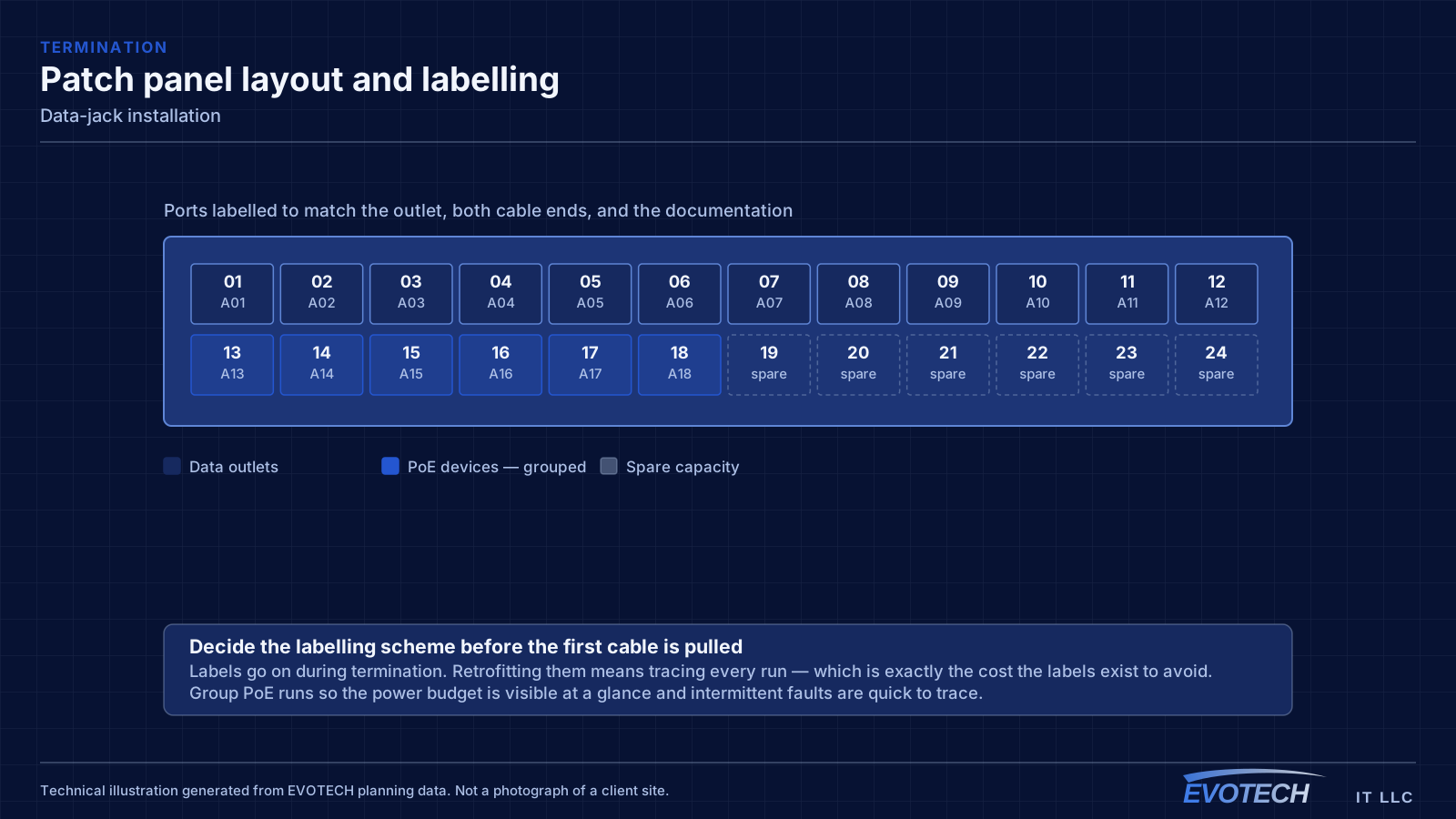
- Assemble the plate with the port label applied
- Test the link end to end and correct anything marginal
What changes the scope
Small job, but several things change the effort.
- Whether usable cable already exists at the location
- Amount of slack available for termination
- Wall construction and whether a bracket can be installed cleanly
- Number of ports per plate and plate layout consistency
- Whether shielded components are involved, which adds bonding steps
- Whether the corresponding patch-panel port needs work too
Testing and verification
A jack is only finished when the link tests clean. Wire map catches scheme errors and split pairs; a full certification confirms the termination preserved enough margin for the rated category.
- Wire map to detect reversed, crossed, or split pairs
- Certification where the channel needs a documented rating
- Comparison against the original test record where one exists
- Re-termination and re-test on any link that fails or sits near the limit
What drives the cost
Jack work prices mostly on count and access.
- Number of outlets and ports per outlet
- Whether existing cable is present and usable
- Bracket or box installation in finished walls
- Component grade and whether shielding is required
- Testing and documentation requested
Common mistakes
The mistakes here are small motions with long consequences.
- Stripping back far more jacket than needed and untwisting pairs generously
- Mixing T568A and T568B between the two ends of a run
- Cutting cable to exact length with no service loop
- Mounting a plate directly to drywall with no bracket
- Reusing a jack of unknown category because it was already on the shelf
Who this work is for
This work tends to be a targeted fix rather than a project, and it comes up in predictable circumstances.
- Offices reconfiguring desks and needing outlets moved or added
- Buildings with abandoned cable stubbed in walls that can be brought into service
- Physically damaged outlets from furniture, cleaning equipment, or moves
- Links failing certification because of poor terminations
- Spaces standardising on a consistent labeling and plate layout
Honest limitations
These are the boundaries of what this service can do, stated up front rather than discovered later.
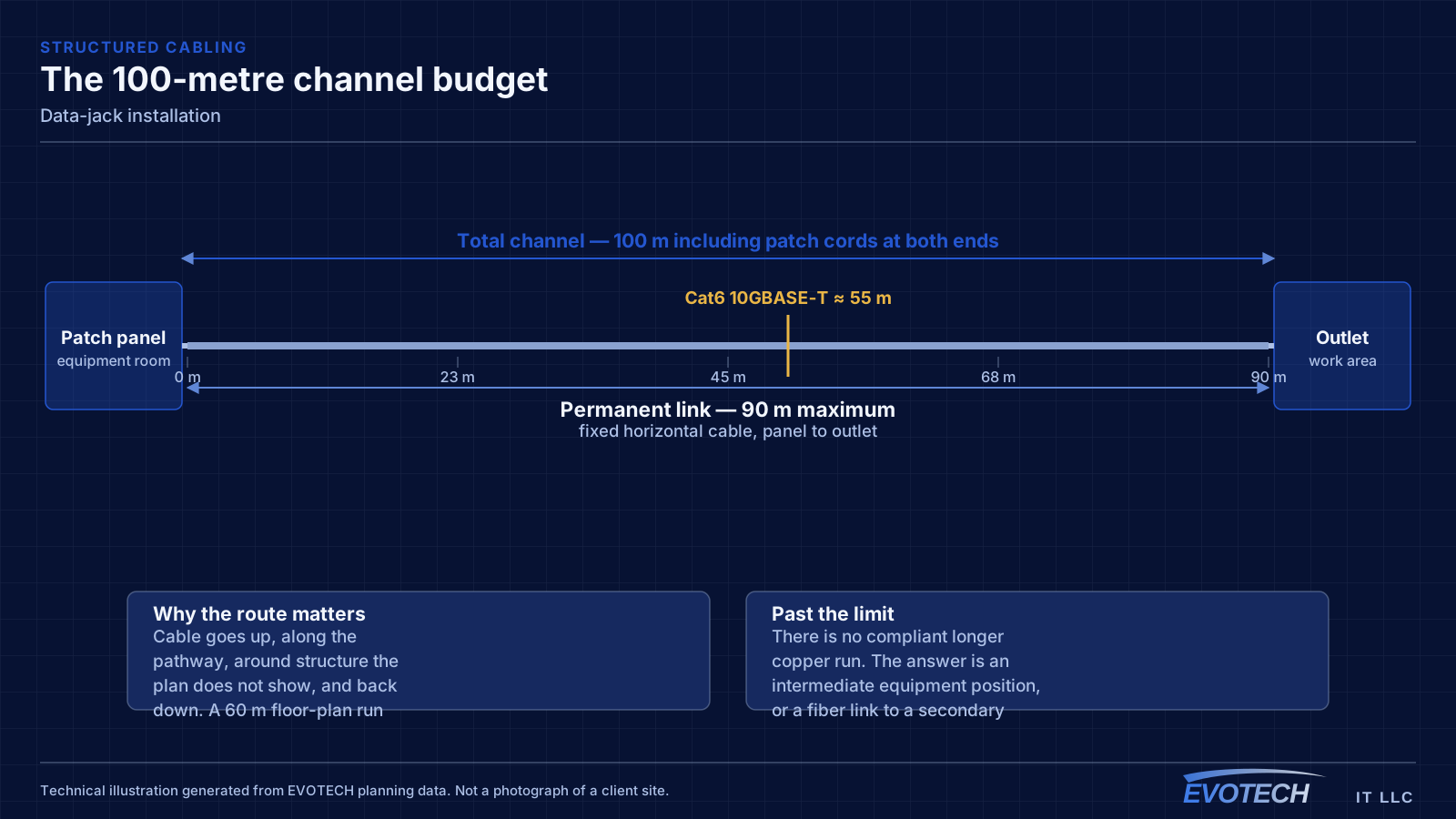
- A new jack cannot rescue a horizontal run that is damaged, too long, or of a lower category than required.
- Where no service loop was left originally, re-termination may require opening the wall.
- Certification describes the link as tested; later plug-in damage changes it.
- Shielded outlets only perform as intended when the shield is bonded consistently.
Frequently asked questions
Why did a link start failing after a jack was replaced?
Usually untwist or category mismatch. If more pair was untwisted at the punch-down than the standard allows, crosstalk performance drops, and a link that previously passed with small margin can fail. If the replacement jack is a lower category than the cable, the whole channel is capped at the lower rating. Both show up immediately in a certification test.
T568A or T568B — does the choice matter?
Only consistency matters. Both schemes carry the same signals; they differ in which pair occupies which position. Pick one for the building and use it at every termination. Mixing them between the two ends of one run creates a crossover, which usually still works but makes the documentation wrong for whoever comes next.
Can an old jack be reused when adding a new plate?
Only if its category is known and matches the intended channel. An unmarked jack from a drawer is a gamble that caps the link at whatever it happens to be. Jacks are inexpensive relative to the cost of diagnosing a mystery link later.
How much slack should be left behind an outlet?
Enough to pull the jack out and re-terminate at least once — a loop in the cavity rather than a taut cable. It costs a small amount of cable during installation and saves opening a wall the first time the outlet needs service.