The short version
The whole point of a Frame-style TV is that in Art Mode it reads as a framed picture, not a television. That illusion breaks the moment there is a gap behind the panel or a cable trailing down the wall. So the install is really about flushness and invisibility: the slim wall mount that holds the panel tight to the surface, the single thin connection running to a hidden connection box, and a recessed outlet so no power brick or cord shows.
Done right, the panel sits against the wall like a frame, the one included connection cable disappears into the wall, the connection box lives out of sight, and Art Mode does the rest. Done as an ordinary TV mount, it hangs proud of the wall with a visible cable and looks like exactly what it is.
What tends to go wrong
The problems are all about breaking the illusion. A standard mount holds the panel off the wall, so it casts a shadow gap that immediately reads as a television. A visible connection or power cord does the same. And a recessed box installed carelessly can leave the panel unable to sit flush because the cable cannot make its bend behind it.
The second issue is the display itself: matte, art-style panels are made to be viewed as pictures, and hanging one where strong light rakes across it, or with the wrong bezel or mat treatment, undercuts the effect the panel was chosen for.
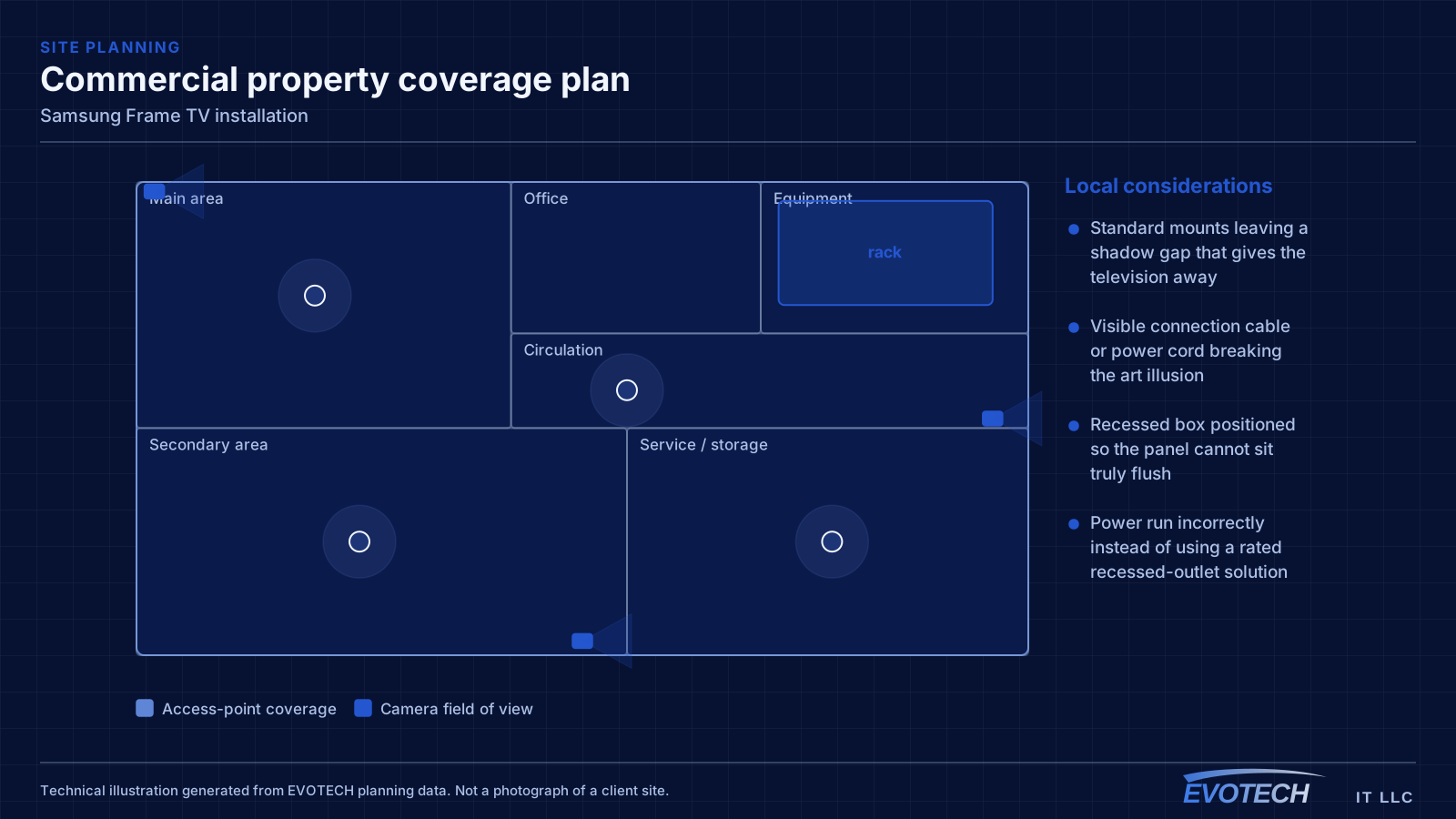
- Standard mounts leaving a shadow gap that gives the television away
- Visible connection cable or power cord breaking the art illusion
- Recessed box positioned so the panel cannot sit truly flush
- Power run incorrectly instead of using a rated recessed-outlet solution
- Panel placed where raking light spoils the matte, framed look
- Wall construction not prepared for a flush, low-profile mount
Who this work is for
Frame installs are chosen specifically for rooms where the television should not look like one.
- Living rooms and bedrooms where the TV should read as wall art
- Above-console or feature-wall positions on show
- Homes matching the panel to a gallery wall or interior scheme
- Rentals and finished spaces where a clean, cordless look matters
- New builds prewiring for a flush feature-wall display
Flush mounting, the single connection, and the recessed outlet
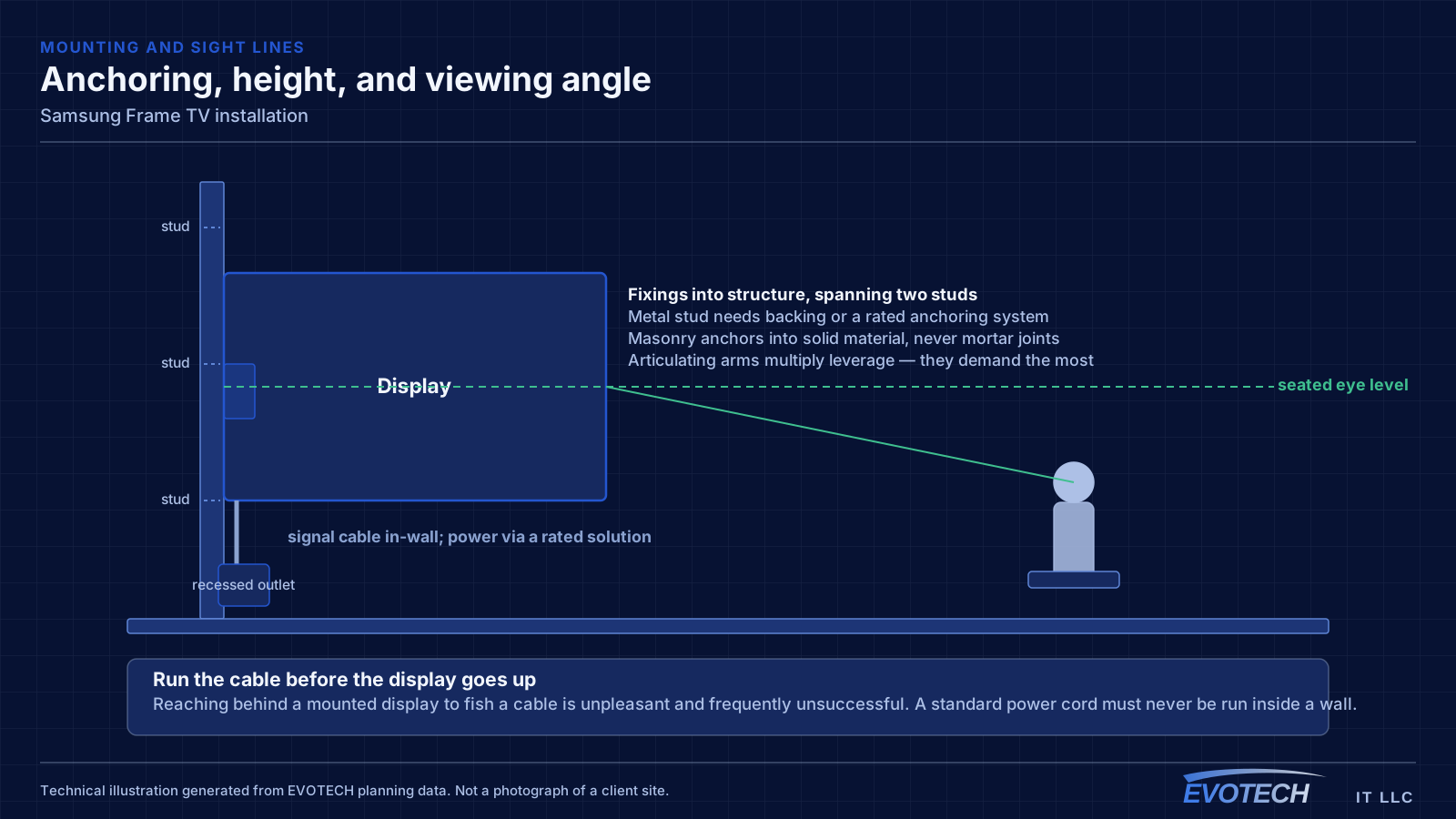
A flush look depends on a slim wall mount designed to hold the panel tight to the surface, and on the wall being able to carry it — studs, or backing in a metal-stud or masonry wall, as with any mount, but with less tolerance for a bulky bracket. The panel has to end up parallel and tight, so the mounting surface preparation matters more than on a standard install.
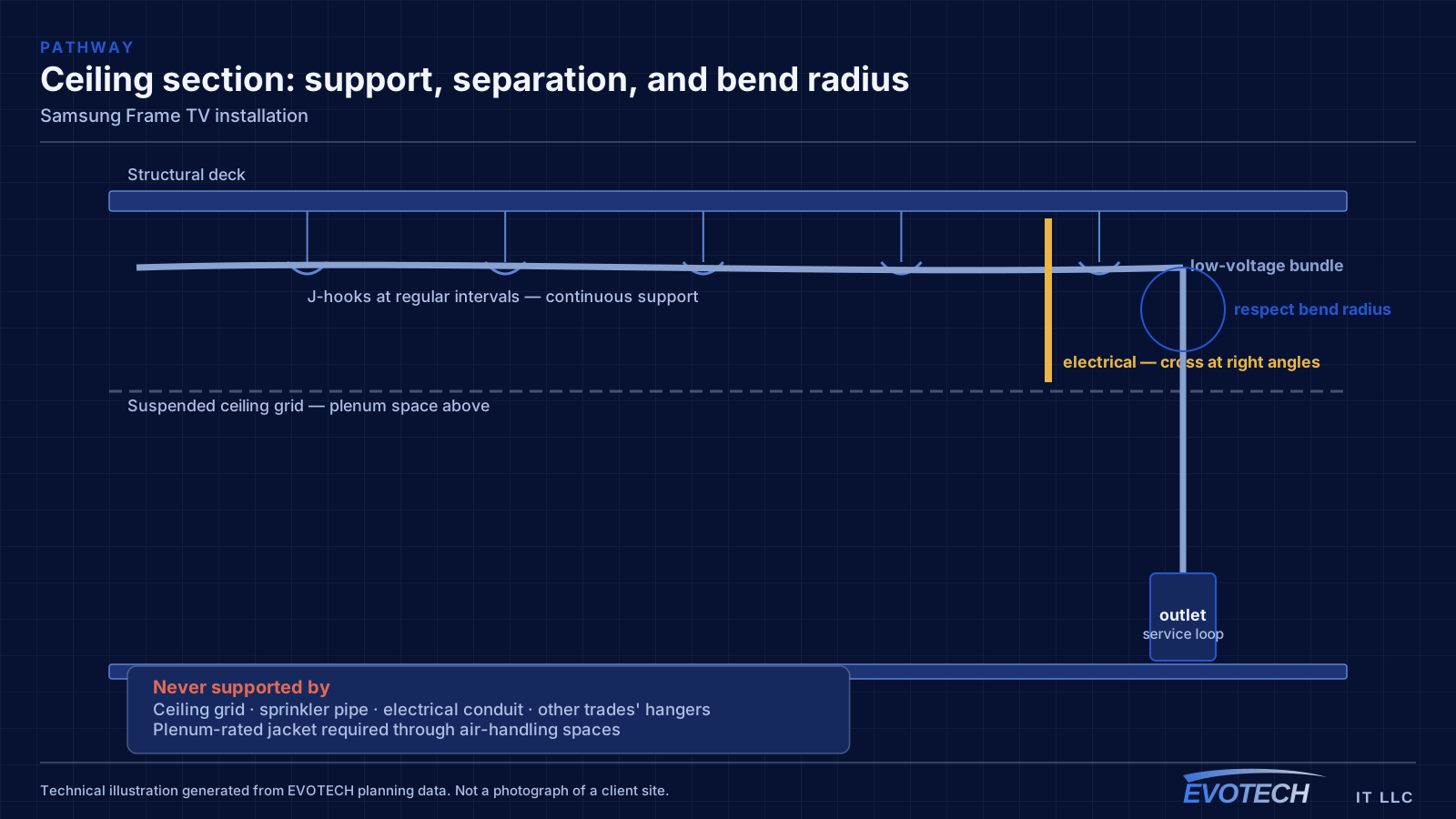
The signal side is the trick these panels are built around: a single thin connection cable runs from the panel to a separate connection box, and that cable is what gets concealed in the wall to the box's hidden location. Routing it so it makes its bend without holding the panel off the wall is the detail that separates a flush result from a not-quite-flush one.
Power is handled properly with a recessed outlet behind the panel or an in-wall rated power solution — never a standard cord run inside the wall. With the single connection concealed and the power recessed, nothing shows, and Art Mode presents the panel as a picture.
- A slim flush mount and a wall prepared to hold the panel tight and level
- The single connection cable concealed to the hidden connection box
- Cable routed to bend without holding the panel off the wall
- A recessed outlet or in-wall rated power solution behind the panel
- Placement considered against raking light on the matte panel
- Backing or appropriate anchoring in metal-stud or masonry walls
How the work runs
The sequence is planned so the panel ends up flush with nothing visible around it.
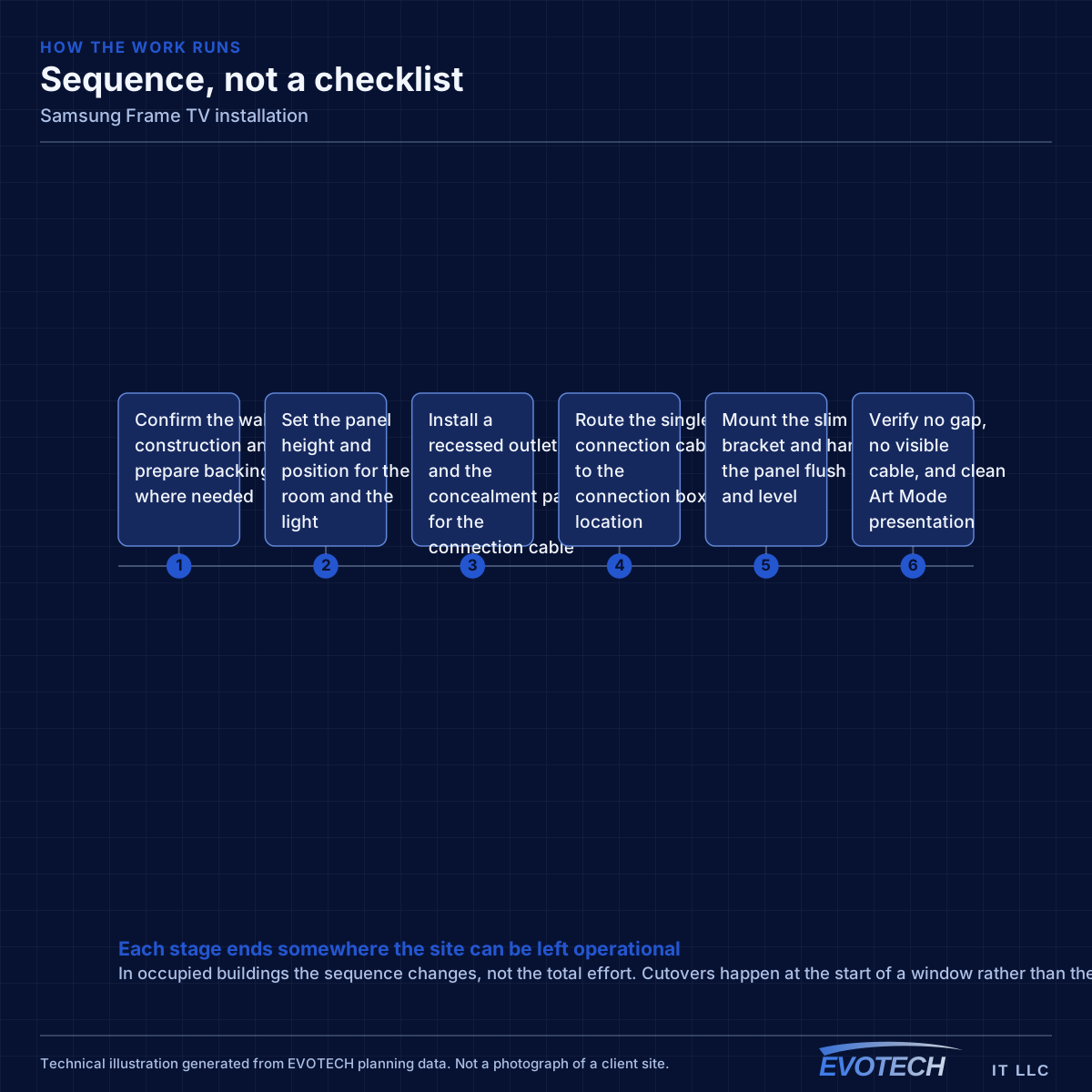
- Confirm the wall construction and prepare backing where needed
- Set the panel height and position for the room and the light
- Install a recessed outlet and the concealment path for the connection cable
- Route the single connection cable to the connection box location
- Mount the slim bracket and hang the panel flush and level
- Verify no gap, no visible cable, and clean Art Mode presentation
- Set Art Mode content and confirm the framed look from normal viewing angles
Testing and verification
A Frame install is judged by whether it reads as art from the room.
- Panel confirmed flush and level with no shadow gap
- No connection cable or power cord visible from any normal angle
- Art Mode presentation checked in the room's real lighting
- Connection and power verified at the concealed box and outlet
- Mount security confirmed with the panel fully seated
- Viewing from the seating to confirm the framed effect holds
What changes the scope
Frame scope is driven by concealment and wall preparation more than by panel size.
- Wall construction and any backing or anchoring required
- Distance from the panel to the concealed connection box
- Whether a recessed outlet exists or must be added
- Panel size and weight for the flush mount
- Finish expectations around the recessed box and outlet
- Placement relative to windows and light sources
Common mistakes
A Frame TV mounted like an ordinary TV loses the entire reason it was chosen.
- Using a standard mount that leaves a shadow gap
- Leaving the connection cable or power cord visible
- Positioning the recessed box so the panel cannot sit flush
- Running a standard power cord inside the wall
- Ignoring raking light on the matte panel
- Skipping wall backing on a metal-stud or masonry surface
What drives the cost
Concealment and wall work drive the cost, not the panel.
- Wall construction and backing or anchoring needs
- Recessed outlet installation
- Concealment run to the connection box and its distance
- Panel size and mount
- Finish and patching around the recessed box
- Whether the work is pre- or post-construction
Honest limitations
These are the boundaries of what this service can do, stated up front rather than discovered later.
- The flush art effect depends on wall preparation and concealment; some walls need backing or additional work to achieve it.
- Power must use a recessed outlet or an in-wall rated solution — a standard cord in the wall is not acceptable.
- Strong raking light can undercut the matte panel's framed appearance regardless of the install.
- Art Mode content and appearance are a function of the display; the install makes it look like framed art on the wall.
Frequently asked questions
What makes a Frame TV install different from a normal TV mount?
Flushness and invisibility. A normal mount is fine holding a TV an inch off the wall with a cable behind it; a Frame TV only reads as art when it sits tight to the wall with nothing visible. That means a slim flush mount, the single connection cable concealed to a hidden box, and a recessed outlet — the concealment is most of the job.
Can the wires really be completely hidden?
Yes, and that is the point. The panel's single thin connection cable is concealed in the wall to its connection box, and power comes from a recessed outlet or an in-wall rated solution behind the panel. Done properly, nothing is visible from the room — no cable, no cord, no box.
Does the wall need anything special?
It needs to hold the panel tight and level, which means anchoring into structure and, on metal-stud or masonry walls, backing or a rated anchoring system — the same structural rules as any mount, with less tolerance for a bulky bracket because the panel has to sit flush. It also needs the recessed outlet and concealment path, which are easiest before finishes but achievable after.
Will it still look like art in a bright room?
Mostly, with attention to placement. The matte, art-style panel is designed to be viewed as a picture, but strong light raking directly across it can undercut the effect. Choosing a position where the light hits the panel more evenly preserves the framed look; a wall in constant direct glare is the harder case.