The short version
Mounting above a fireplace puts the screen higher than comfortable seated viewing and, depending on the fireplace, into rising heat. The height problem is the one people feel first: a TV centred over a mantel usually forces everyone to look up for the whole show. A tilting mount helps a little; a pull-down mount that brings the screen down and forward to near eye level when in use solves it properly, then returns it above the mantel when idle.
Heat is the safety question. A wood-burning or older gas fireplace can send real heat up the wall, and electronics above it need either enough clearance and a mantel that deflects heat, or a fireplace whose output does not reach the mounting zone. It is worth assessing honestly before committing, because the fix for excessive heat is not a bracket.
What tends to go wrong
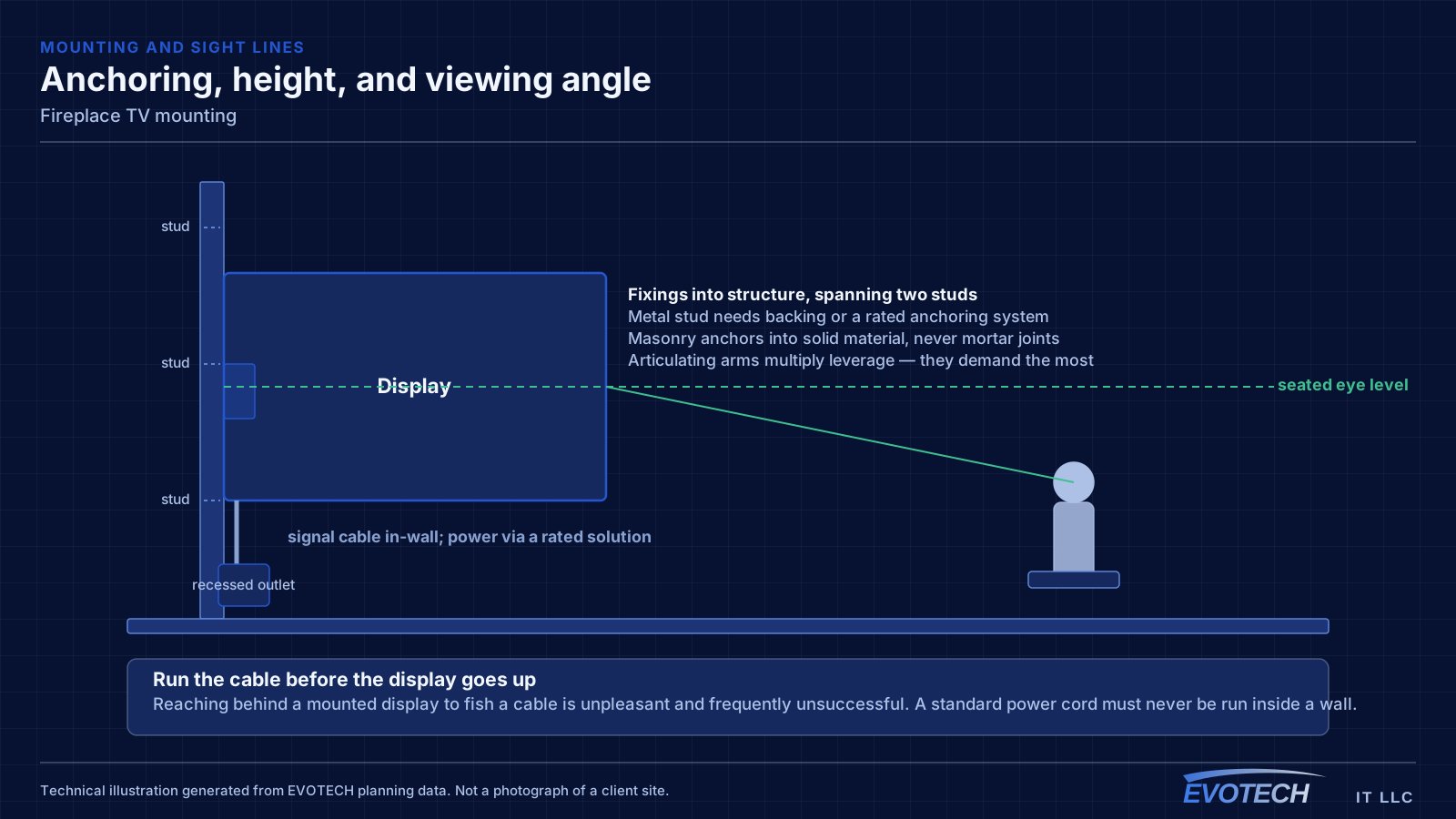
The height compromise is the near-universal complaint: mounted above the mantel, the screen sits well above seated eye level, and a whole evening spent looking up is genuinely uncomfortable. Tilting the panel reduces glare and the angle a little but does not bring the screen down.
Heat is the less obvious but more serious issue. Some fireplaces push enough heat up the wall to sit electronics in a warm zone, which shortens their life or worse. And the surround is frequently masonry or stone, which needs different anchoring from drywall — anchors into solid material, not mortar joints.
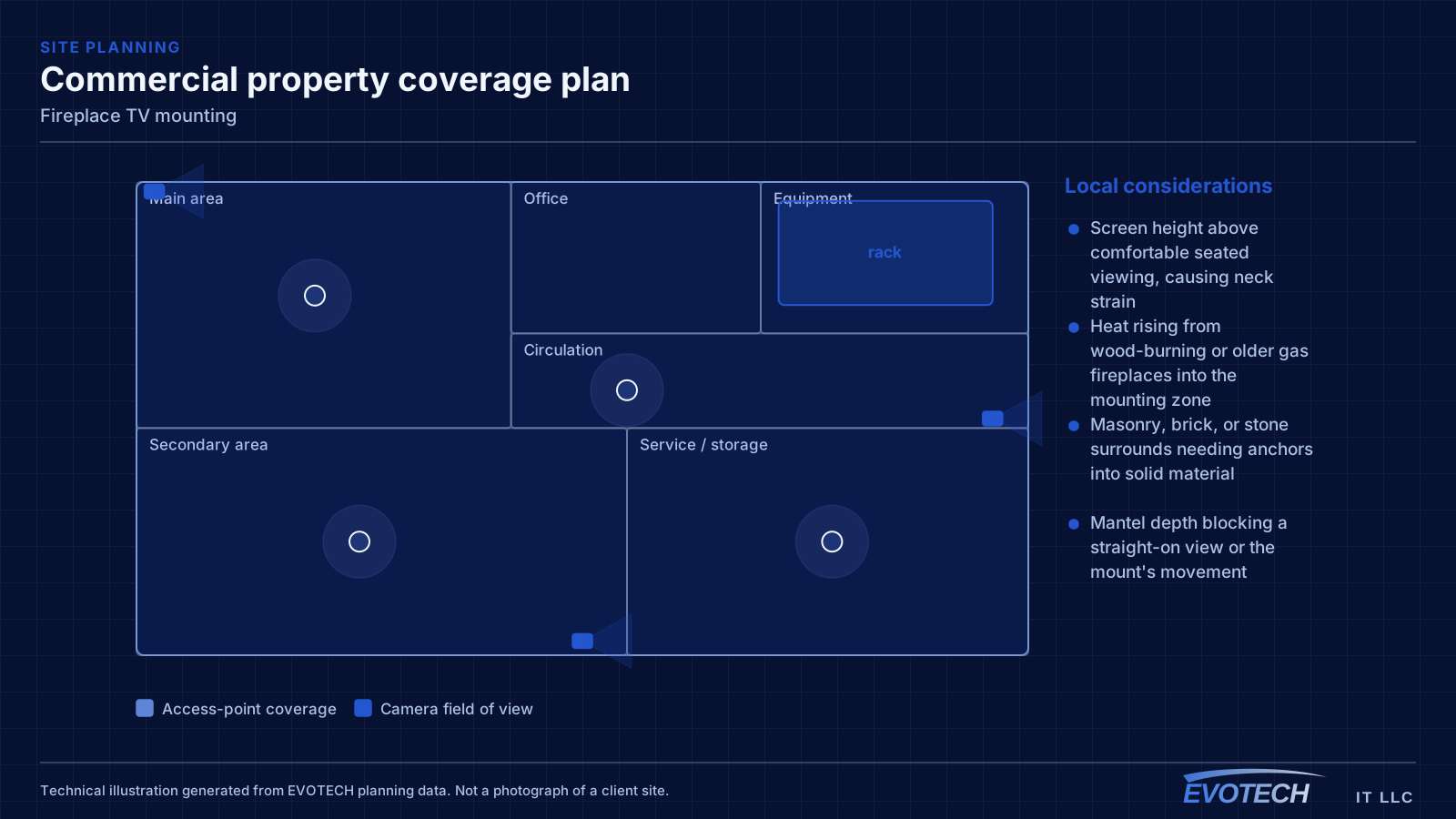
- Screen height above comfortable seated viewing, causing neck strain
- Heat rising from wood-burning or older gas fireplaces into the mounting zone
- Masonry, brick, or stone surrounds needing anchors into solid material
- Mantel depth blocking a straight-on view or the mount's movement
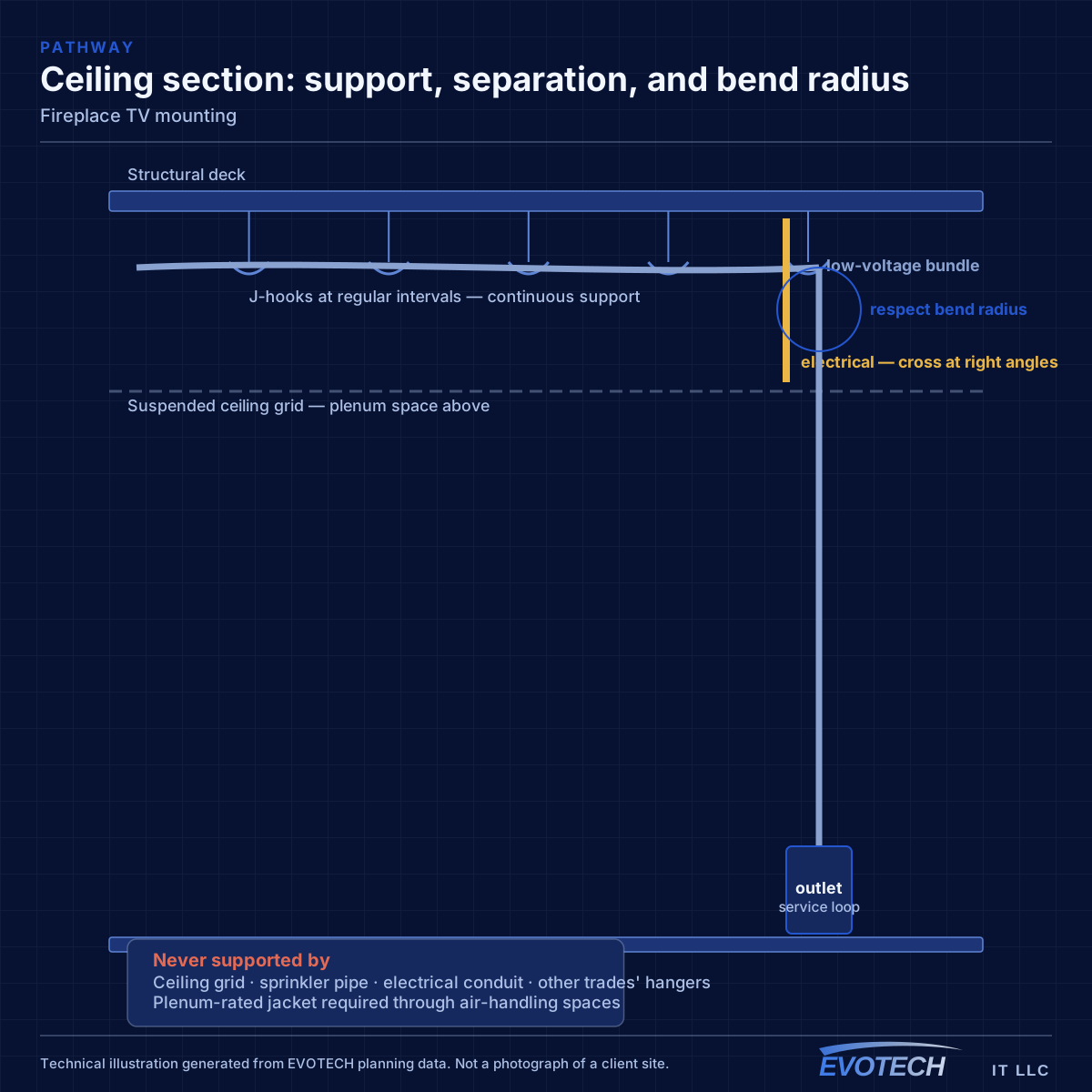
- In-wall cable routing complicated by the fireplace structure
- A tilt-only mount presented as a fix for the height problem
Who this work is for
Fireplace mounts are requested constantly because the fireplace is the natural focal wall — which is also why the compromises need discussing.
- Living rooms with the fireplace as the room's focal point
- Homes wanting the TV and hearth on the same wall
- Rooms where a pull-down mount can resolve the height
- Masonry, stone, or brick fireplace surrounds needing proper anchoring
- New builds planning the fireplace wall for a display from the start
Viewing angle, heat, and anchoring into masonry
Height is solved by the mount type. A fixed or tilting mount leaves the screen high; a pull-down mount lowers the panel down and out over the mantel to near seated eye level when in use, which is the only arrangement that genuinely resolves the neck angle. Mantel depth matters here — the mount has to clear it through its full range of motion.
Heat has to be assessed for the specific fireplace. A mantel that projects can deflect rising heat, and clearance above it helps, but a fireplace that genuinely heats the wall above it is a poor place for electronics regardless of the bracket. The honest assessment is whether the mounting zone stays within a safe temperature in use — and if it does not, the recommendation is a different wall, not a heat-tolerant mount.
Anchoring follows the surround. Masonry, brick, and stone take anchors set into solid material, avoiding mortar joints, sized for the load and the pull-down leverage. A pull-down mount in particular exerts significant force as it extends, so the fixing into masonry has to be right.
- Pull-down mount to bring the screen to eye level; tilt only reduces glare
- Mantel depth checked against the mount's full range of motion
- Heat assessed for the specific fireplace before committing electronics above it
- A projecting mantel and clearance to deflect and escape rising heat
- Masonry anchors into solid material, never mortar joints
- Fixings sized for the pull-down mount's extended leverage
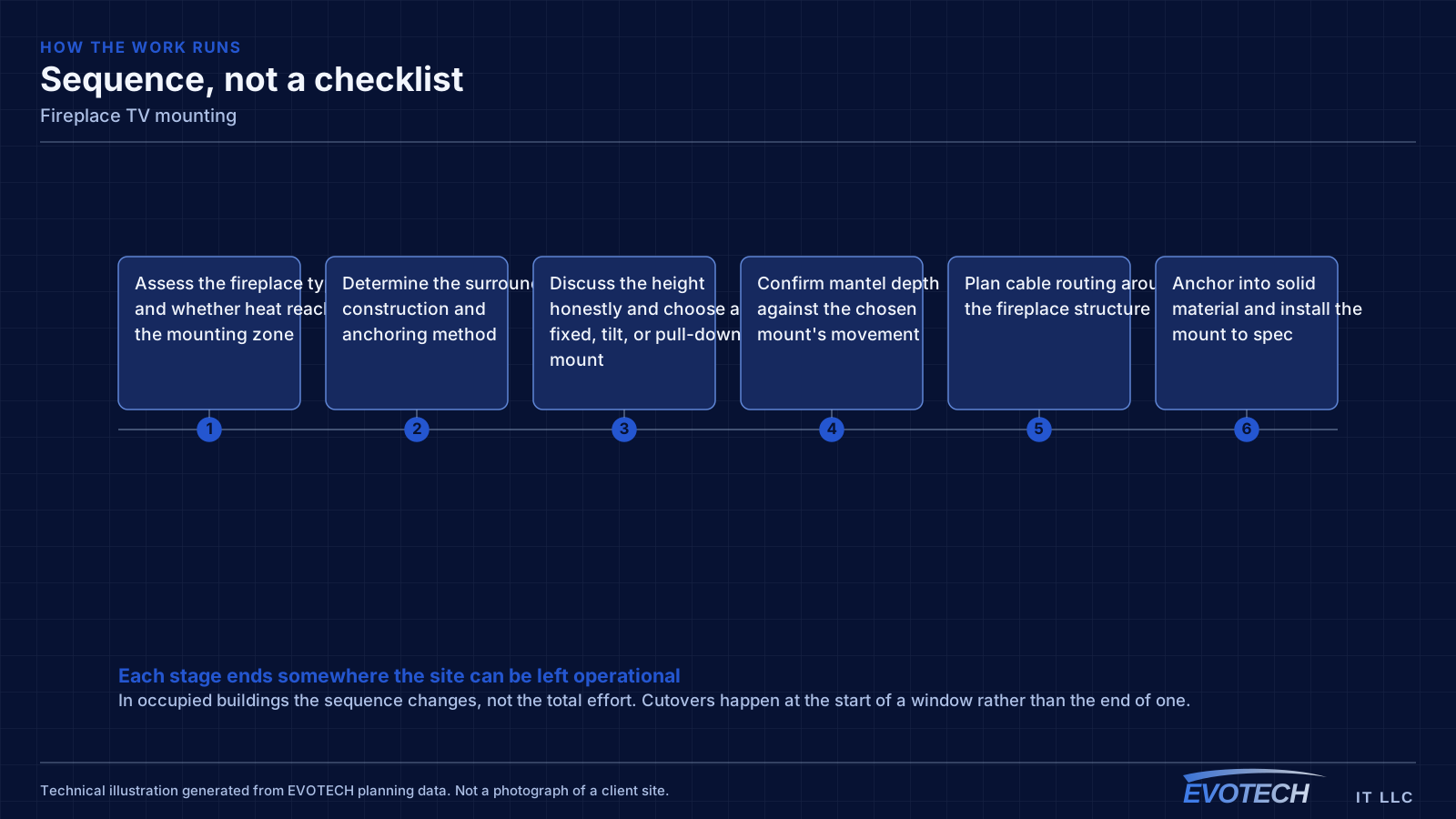
How the work runs
The assessment comes first, because the answer might be a different wall.
- Assess the fireplace type and whether heat reaches the mounting zone
- Determine the surround construction and anchoring method
- Discuss the height honestly and choose a fixed, tilt, or pull-down mount
- Confirm mantel depth against the chosen mount's movement
- Plan cable routing around the fireplace structure
- Anchor into solid material and install the mount to spec
- Verify the viewing angle from the seating and the mount's operation
Testing and verification
A fireplace mount is checked for angle, movement, and a secure fixing.
- Viewing angle confirmed comfortable from the seating, in use
- Pull-down or tilt movement operated through its full range
- Anchoring confirmed fully engaged in solid material
- Cable service loop allowing the mount's full movement
- Mantel clearance verified so nothing fouls the panel
- Where relevant, mounting-zone temperature checked in use
What changes the scope
Fireplace scope depends on the surround, the heat, and the mount type.
- Fireplace type and heat output into the mounting zone
- Surround construction: drywall, brick, stone, or masonry
- Fixed, tilting, or pull-down mount
- Mantel depth and clearance
- Cable routing difficulty around the structure
- TV size and weight against the anchoring
Common mistakes
Fireplace mounts go wrong on height, heat, and anchoring.
- Accepting the high viewing angle instead of considering a pull-down mount
- Ignoring heat from a fireplace that genuinely warms the wall above it
- Setting masonry anchors into mortar joints
- Under-anchoring a pull-down mount for its extended leverage
- Overlooking mantel depth that fouls the panel or the movement
- Treating a tilt mount as a solution to the neck angle
What drives the cost
The mount type and the surround drive cost more than the TV.
- Pull-down mount versus fixed or tilt
- Masonry, brick, or stone anchoring versus drywall
- Cable concealment around the fireplace structure
- Any heat-mitigation considerations
- TV size and weight
- Access height and finish expectations
Honest limitations
These are the boundaries of what this service can do, stated up front rather than discovered later.
- Above a fireplace is a compromise on viewing height that only a pull-down mount fully resolves; sometimes a different wall is the honest recommendation.
- A fireplace that genuinely heats the wall above it is not a suitable location for electronics regardless of the mount.
- Masonry and stone anchoring depends on solid material; mortar joints and hollow surrounds change the method.
- Cable concealment around a fireplace structure can be constrained and may require alternative routing.
Frequently asked questions
Is mounting a TV above the fireplace a bad idea?
It is a compromise, and worth naming as one. The screen usually ends up above comfortable seated eye level, and heat can be a concern on some fireplaces. A pull-down mount resolves the height by bringing the screen down to eye level in use, and a heat assessment settles the safety question. Sometimes the honest answer is a different wall, but with the right mount and a suitable fireplace it works well.
Will the fireplace heat damage the TV?
It depends entirely on the fireplace. Many gas units and any with a projecting mantel and clearance keep the mounting zone within a safe range; some wood-burning and older units genuinely heat the wall above them and are a poor place for electronics. It is assessed for the specific fireplace before committing, because no bracket makes a hot mounting zone safe.
How do you fix the height so we are not looking up?
A pull-down mount. It holds the screen above the mantel when idle and lowers it down and forward to near seated eye level when you are watching, then returns it. A tilting mount only angles the panel and reduces glare — it does not bring the screen down — so for the fireplace-height problem the pull-down is the real solution.
Can you mount to a brick or stone fireplace?
Yes, with the right anchoring. Brick, stone, and masonry take anchors set into the solid material rather than the mortar joints, sized for the load and, for a pull-down mount, its extended leverage. It is a different method from drywall, and getting it right is what makes the installation secure over a surround that will hold the weight for years.