The short version
An outdoor television has to do two things a living-room set does not: survive the environment and stay readable in bright ambient light. On a Gulf Coast patio that means an outdoor-rated display built to tolerate heat, humidity, and moisture, with brightness high enough to read against daylight — a regular indoor TV on a covered patio is dim in the day and degrades in the humidity within a season or two.
The rest follows from those two facts: weatherproof mounting and cable entry so moisture cannot get into connections, an outdoor-rated mount that will not corrode, and enough Wi-Fi signal at the patio to actually stream, since the patio is usually the far edge of the home's coverage.
What tends to go wrong
The first problem is using an indoor television outdoors. It is too dim to read in daylight, and the humidity and temperature swings degrade it quickly — internal condensation and corrosion that an indoor set was never built to resist. Even under a cover, an exterior environment is harsh in this climate.
The second is everything around the display: mounts that corrode, cable entries that let moisture into connections, and a patio that sits at the weak edge of the home's Wi-Fi so streaming stutters. Each is straightforward to get right and costly to ignore.
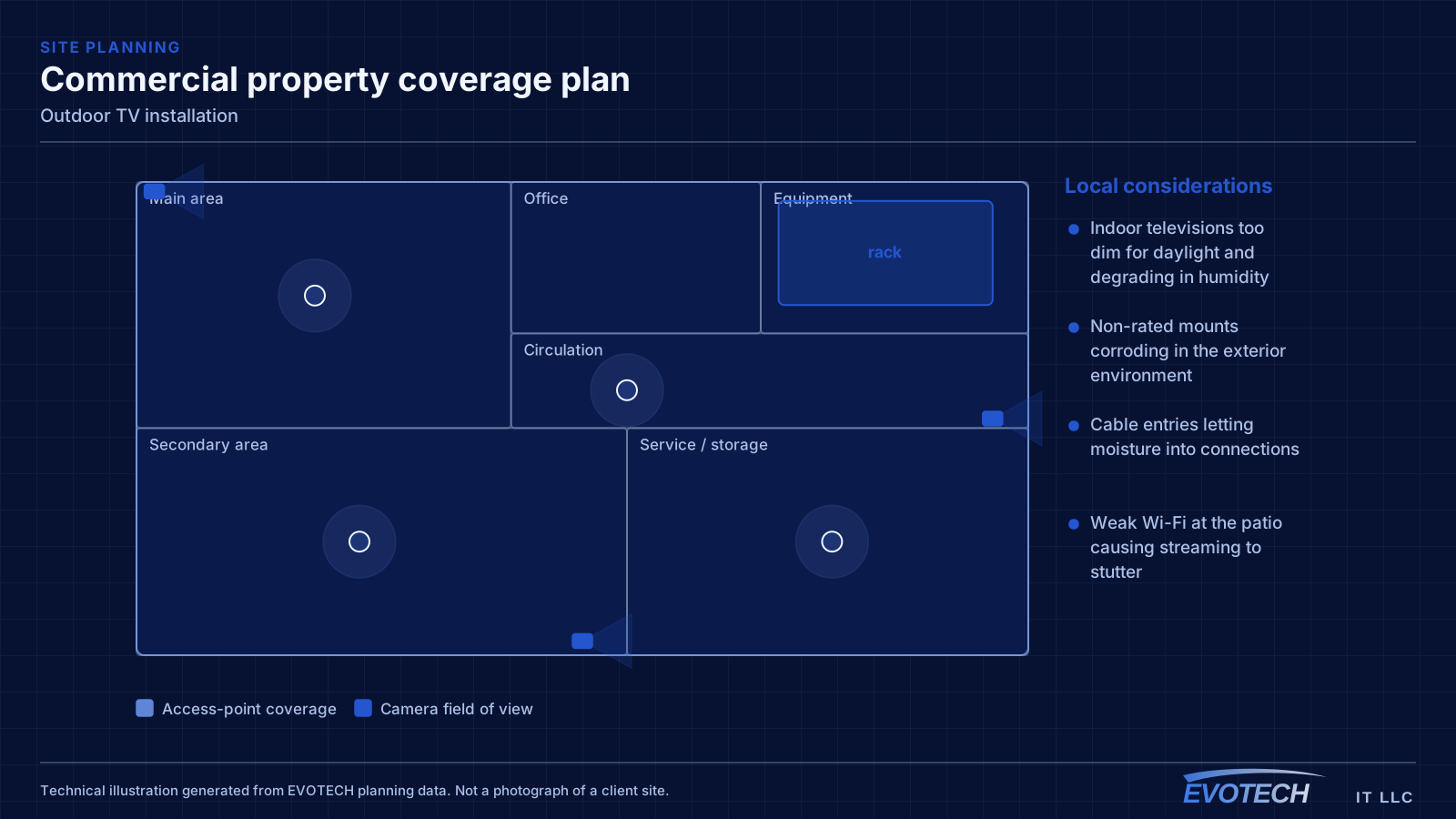
- Indoor televisions too dim for daylight and degrading in humidity
- Non-rated mounts corroding in the exterior environment
- Cable entries letting moisture into connections
- Weak Wi-Fi at the patio causing streaming to stutter
- Direct sun and glare on a screen not bright enough to counter it
- Heat build-up on a display in an enclosed or sun-exposed position
Who this work is for
Outdoor TV requests are a summer staple here, and the environment is the whole story.
- Covered patios and outdoor living areas
- Pool decks and outdoor kitchens
- Poolside bars and commercial patios
- Screened porches and pergola-covered seating
- Any exterior position exposed to heat, humidity, and driven rain
Outdoor-rated displays, brightness, sealing, and signal
The display has to be built for outdoors. Outdoor-rated televisions tolerate the temperature and humidity range and resist moisture ingress, and they come in brightness classes for different exposures — a fully shaded patio needs less than a partial-sun position, which needs less than full sun. Matching the brightness to the actual light is what keeps the screen readable through the day.
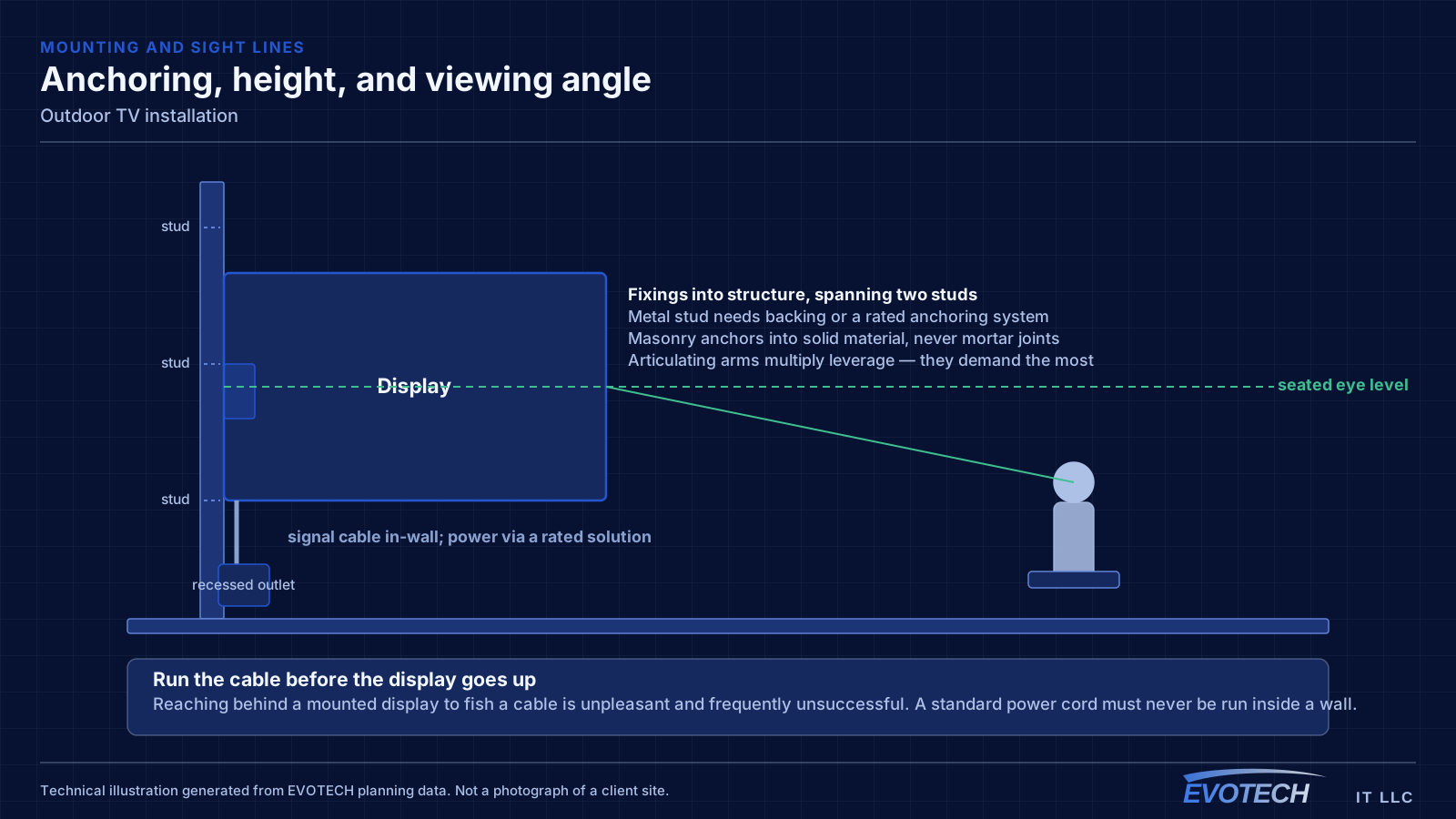
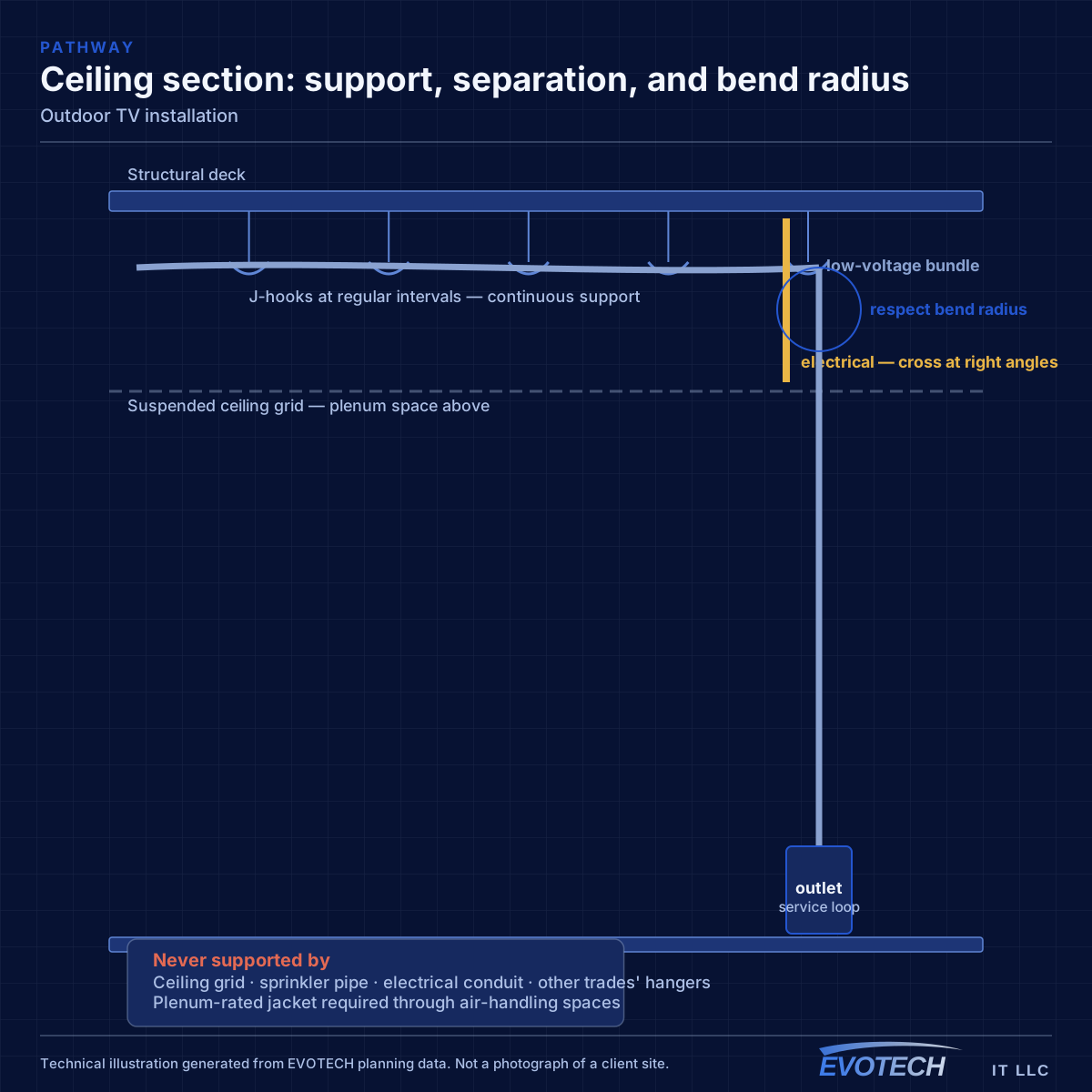
Weatherproofing is the installation discipline. The mount is outdoor-rated so it will not corrode; cable entries are sealed with proper drip loops so water cannot track into connections; and the position accounts for heat, keeping the display out of a pocket where it will cook in the afternoon. These are the same sealing habits that keep exterior cameras alive here, applied to a larger device.
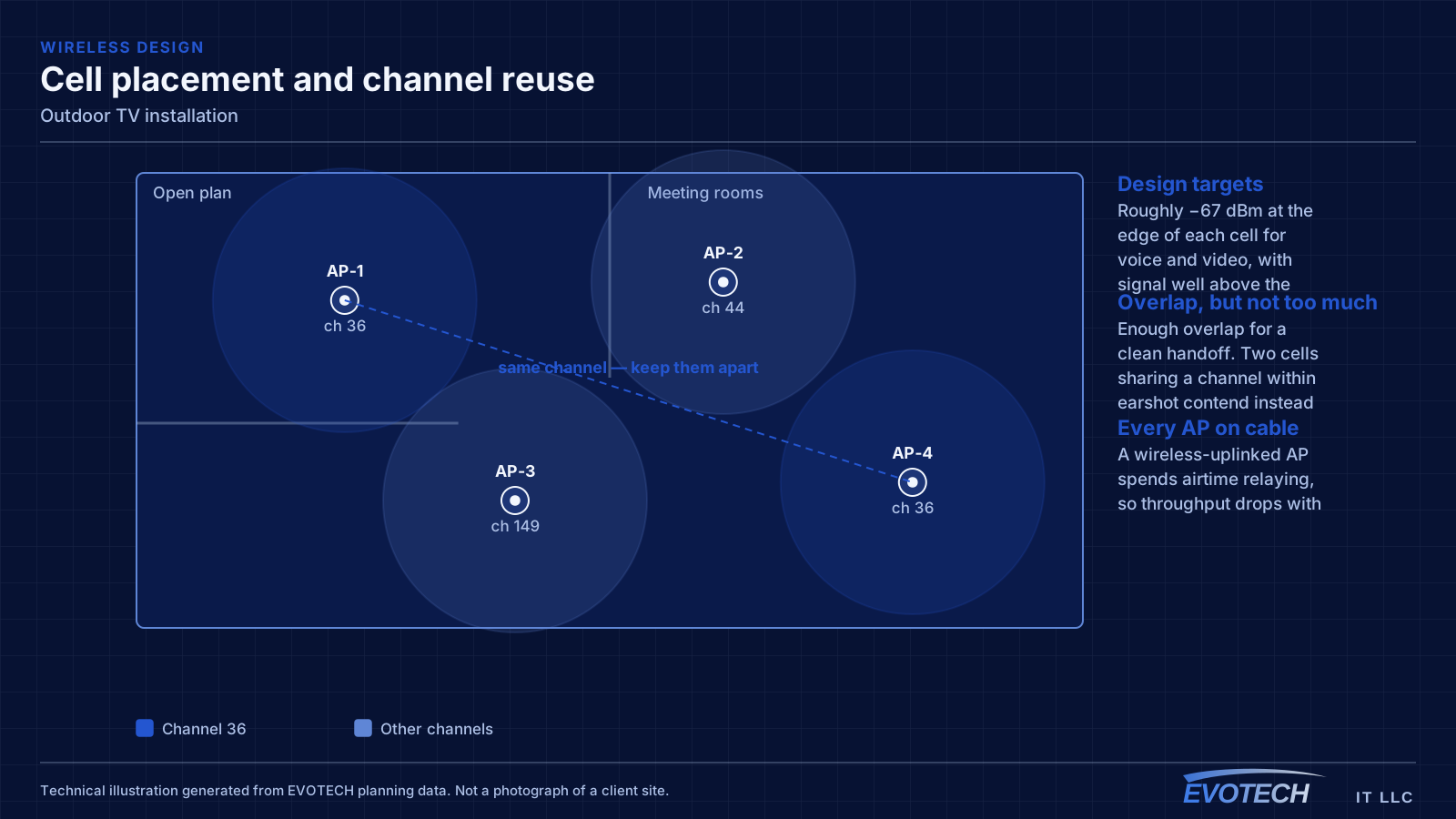
Signal is the quiet requirement. The patio is usually the furthest point from the home's router, often through an exterior wall, so streaming depends on getting real Wi-Fi coverage out there — frequently a dedicated access point positioned for the patio rather than relying on indoor signal leaking through the wall.
- An outdoor-rated display for the temperature, humidity, and moisture
- Brightness class matched to shade, partial sun, or full sun
- Outdoor-rated, corrosion-resistant mount
- Sealed cable entries with proper drip loops
- Position chosen to avoid heat build-up and direct glare
- Real Wi-Fi coverage at the patio, often a dedicated access point
How the work runs
An outdoor install is planned around the exposure at the specific position.
- Assess the exposure: shade, partial sun, full sun, and driven rain
- Select an outdoor-rated display and brightness class to match
- Confirm Wi-Fi coverage at the patio, adding an access point if needed
- Plan weatherproof mounting and sealed cable entry
- Install the rated mount and display, sealing every penetration
- Route and protect power and signal against moisture
- Verify daylight readability and streaming at the position
Testing and verification
An outdoor TV is checked for daylight readability, sealing, and signal.
- Readability confirmed in daylight at the position
- Every cable entry and penetration verified sealed with a drip loop
- Mount security confirmed on the exterior structure
- Streaming verified over the patio Wi-Fi at the position
- Heat build-up checked in the afternoon sun where relevant
- Any outdoor speakers confirmed for coverage and weather rating
What changes the scope
Outdoor scope is driven by exposure and the resulting equipment grade.
- Exposure level and required brightness class
- Fully outdoor-rated versus a well-protected covered position
- Wall or structure construction for the rated mount
- Wi-Fi coverage and whether a patio access point is needed
- Cable routing and sealing from the interior
- Any outdoor audio included
Common mistakes
Outdoor TV problems come from treating an exterior position like an interior one.
- Using an indoor television on a patio and losing it to daylight and humidity
- Under-specifying brightness for the exposure
- Fitting an indoor mount that corrodes outdoors
- Leaving cable entries unsealed so moisture reaches connections
- Ignoring weak patio Wi-Fi and blaming the streaming service
- Positioning the display where it overheats in afternoon sun
What drives the cost
The outdoor-rated display and brightness class carry most of the cost.
- Display grade and brightness class for the exposure
- Outdoor-rated mount
- Weatherproof cable entry and sealing
- A patio access point where signal is inadequate
- Structure and access for mounting
- Any outdoor audio
Honest limitations
These are the boundaries of what this service can do, stated up front rather than discovered later.
- Outdoor-rated displays extend life and readability but do not make any exterior position unconditionally safe; extreme exposure still has limits.
- Brightness has a practical ceiling; a screen in relentless direct sun is the hardest case even for a high-brightness panel.
- Wi-Fi at the patio depends on coverage; where signal cannot reach, an access point or wired connection is required.
- Weather sealing must be maintained; penetrations and drip loops are what keep moisture out over time.
Frequently asked questions
Can I just put a regular TV on my covered patio?
It rarely lasts or reads well. Even under a cover, a Gulf Coast patio subjects an indoor television to heat and humidity it was not built for, and it is usually too dim to see in daylight. An outdoor-rated display for the temperature and moisture, with brightness matched to the exposure, is what survives and stays watchable through the day.
How bright does an outdoor TV need to be?
It depends on the exposure. A fully shaded patio needs far less brightness than a spot with partial afternoon sun, which needs less than full sun. Matching the brightness class to the actual light at the position is what keeps the screen readable — under-specifying it produces a washed-out picture during the day.
Why does streaming stutter on the patio?
Usually weak Wi-Fi. The patio is typically the furthest point from the router, often through an exterior wall, so the signal arriving there is marginal. The fix is real coverage at the patio — commonly a dedicated access point positioned for the outdoor area — rather than relying on indoor signal leaking through the wall.
What keeps the water out?
Rated hardware and sealing discipline. An outdoor-rated display and mount resist the environment, and every cable entry is sealed with a proper drip loop so moisture cannot track into the connections. It is the same practice that keeps exterior cameras alive in this climate, applied to a larger device, and it is what makes the difference over several wet seasons.