

Why this page exists
This pairing is distinct because Katy's newer housing stock arrives with builder-installed structured wiring, which changes the job from a full retrofit into an assessment-and-extension exercise.
A media panel full of terminated cable is a genuine head start, and it is also incomplete in a predictable way. Builders run cable to wall outlets in bedrooms and living areas, which is useful, and almost never to central ceiling positions, which is where access points belong.
The other gap is the panel's location. It is usually in a garage or perimeter utility space — perfectly reasonable as a termination point, and a poor origin for a wireless signal in a wide floor plan. Sorting those two things out is most of what these projects involve.
Assess first, then add
The first task is finding out what the builder actually did. Cable terminated in a panel is only useful if the runs test clean and land somewhere helpful, and quality varies. Testing the existing runs takes very little time and determines whether they become part of the design or are set aside.
What tests clean usually gets re-terminated properly and patched into a real switch. What does not gets replaced or abandoned in place, and the design proceeds around the runs that are known good.
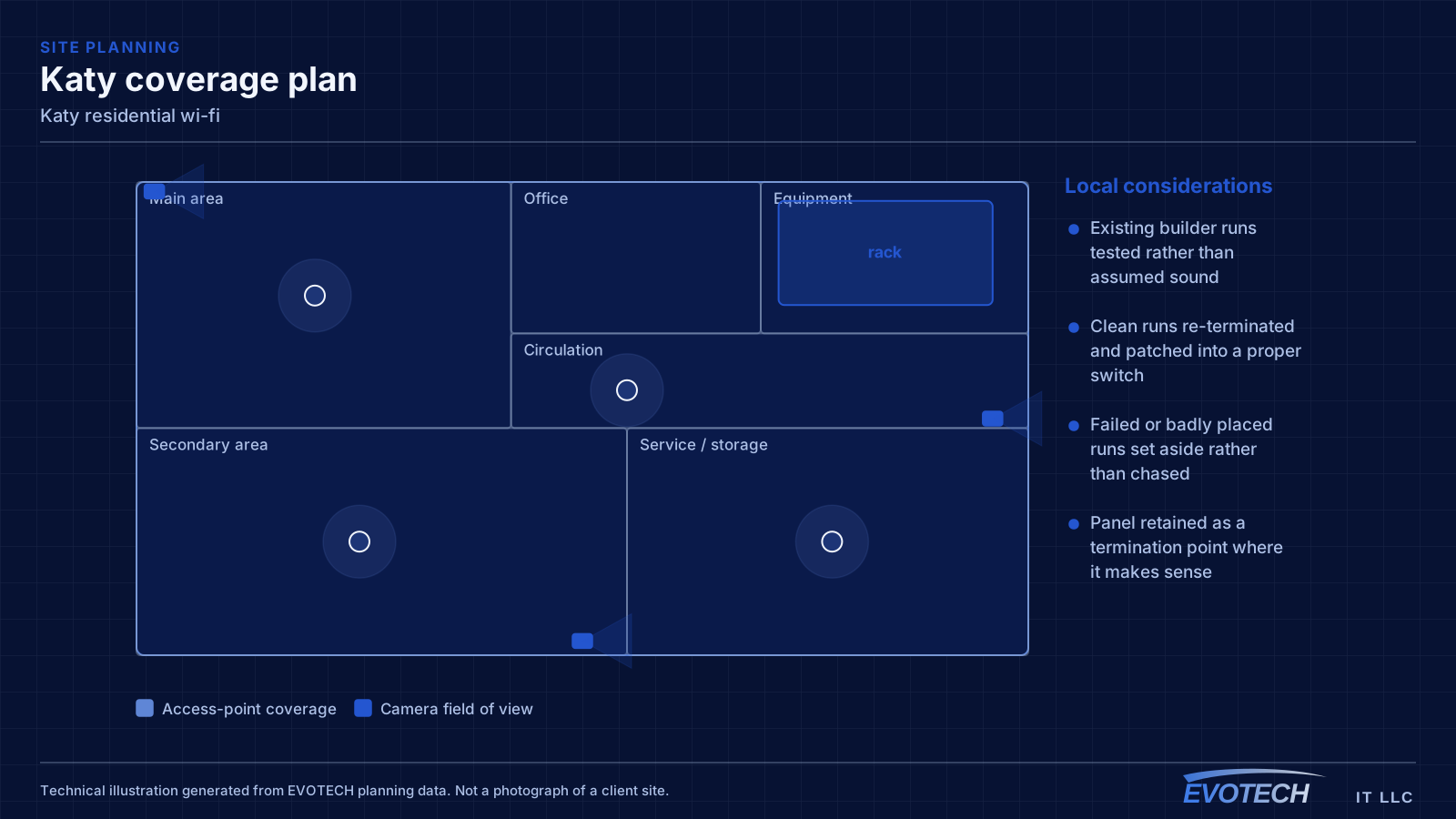
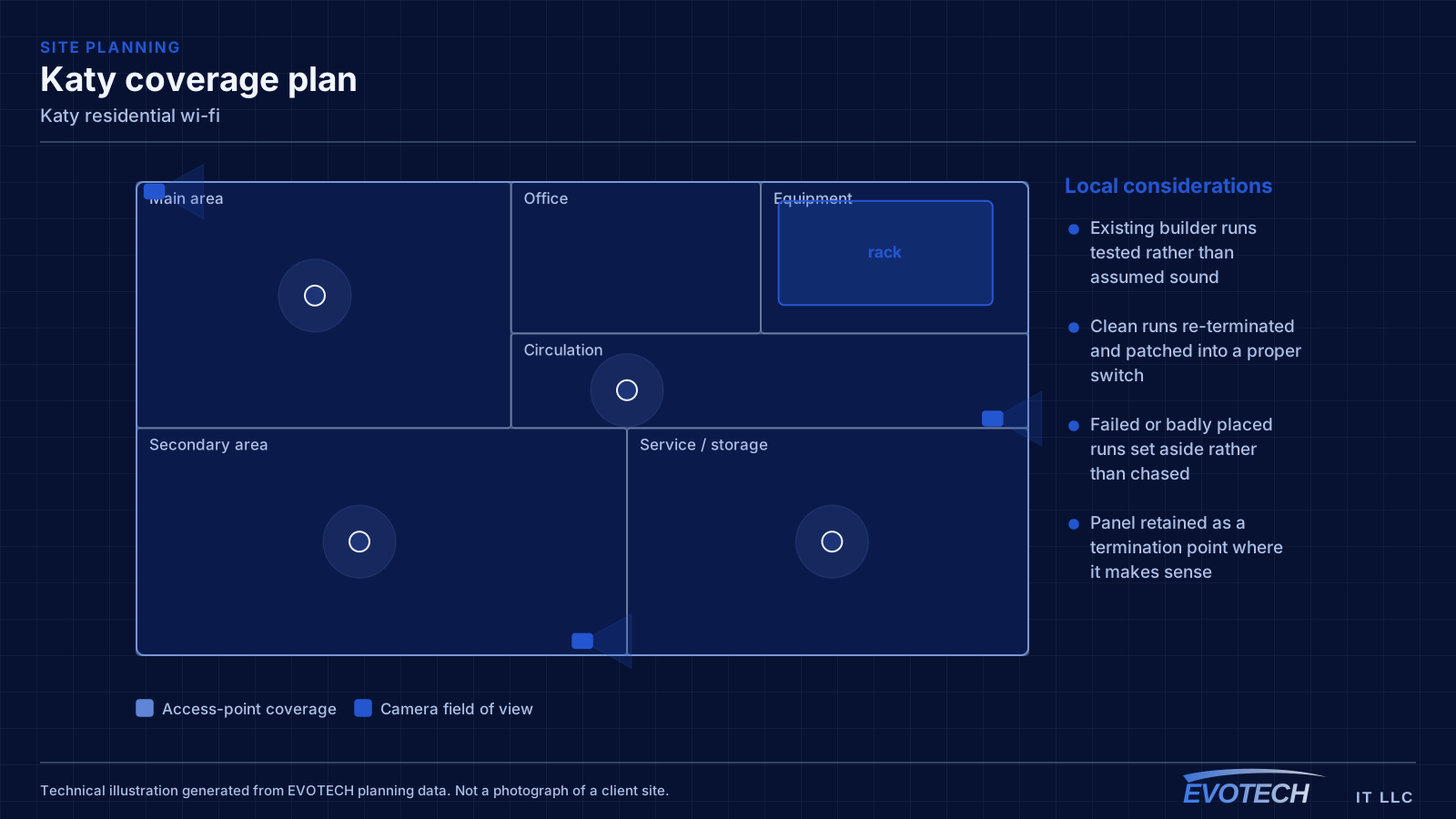
- Existing builder runs tested rather than assumed sound
- Clean runs re-terminated and patched into a proper switch
- Failed or badly placed runs set aside rather than chased
- Panel retained as a termination point where it makes sense
- New runs added only where the design genuinely needs them
The two additions that fix the coverage
The first addition is ceiling positions. In a wide plan that usually means two or three central positions — a hallway, a landing, and often a position serving the far wing — rather than one device working harder from the panel.
The second is equipment placement. A switch can live at the panel; the active equipment often should not, because a garage runs hot for much of the year. Where a conditioned closet with power exists, moving the active equipment there and leaving the panel as a termination point is the arrangement that lasts.
- Two or three central ceiling positions rather than one perimeter device
- Attic-to-interior-wall routing for each added position
- Active equipment relocated to conditioned space where possible
- Panel kept as a termination point with a switch at it
- Outdoor patio coverage planned separately with rated equipment
Working in a finished home
Attic access in this housing stock is generally good, so added runs are efficient. The constraint is summer heat, which pushes attic work into the earlier part of the day for much of the year.
Everything else is ordinary occupied-home practice: dust control, furniture protection, clear-down at the end of the day, and agreeing any drywall access and patching before the first cut rather than after.
- Attic work scheduled early during summer months
- Dust control and furniture protection throughout
- Drywall access and patching agreed before cutting
- Household connectivity maintained across the work
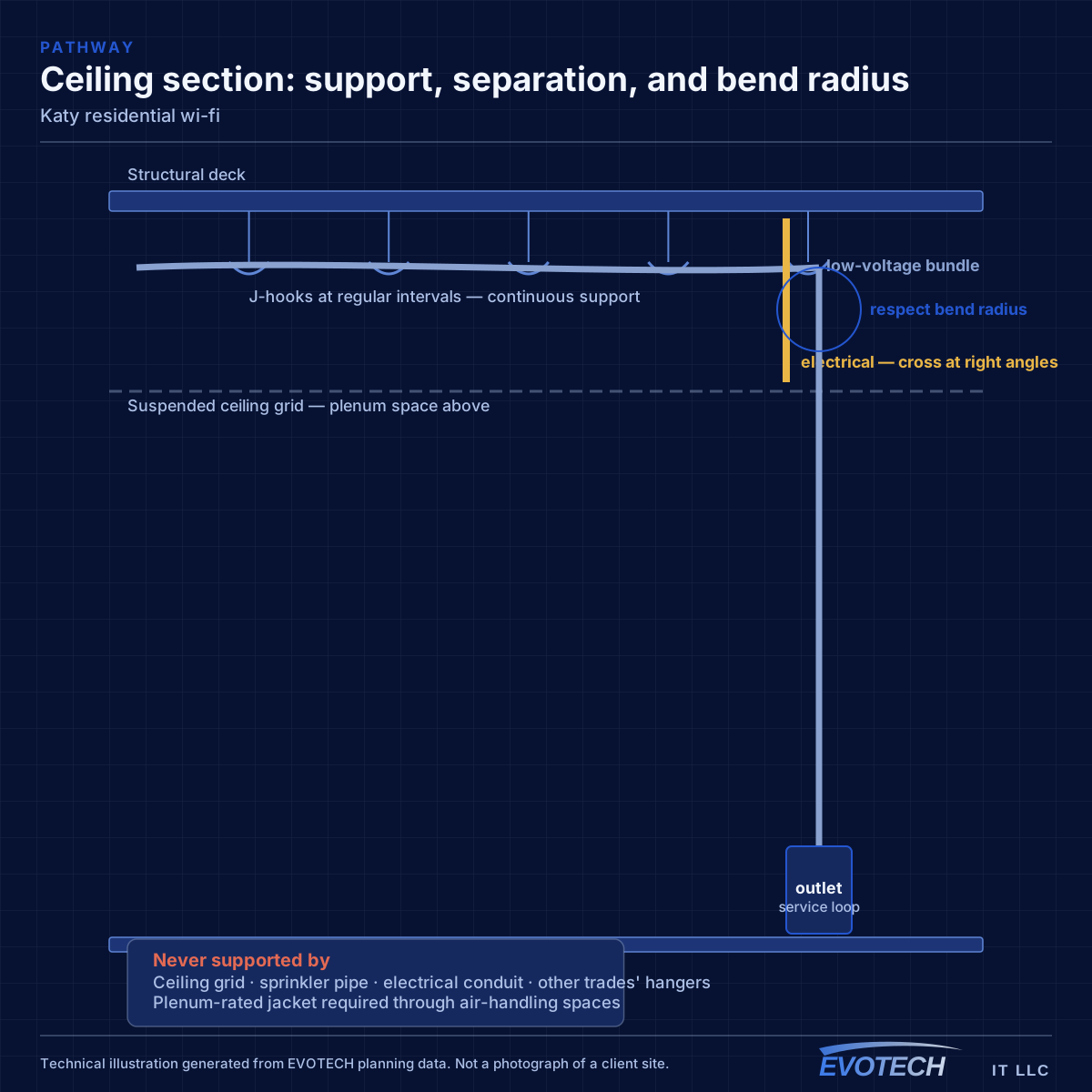
- Cable routed clear of recessed lighting in the attic
Frequently asked questions
The builder ran cable everywhere — why is coverage still poor?
Because the cable goes to wall outlets rather than to ceiling positions, and the panel it terminates at is usually at the perimeter of a wide floor plan. Neither of those is a fault; they just leave out the part that determines wireless coverage. Adding central ceiling positions is normally what resolves it.
Should the equipment stay in the garage?
The panel can, since terminating cable is what it is for. Active equipment is a different question — a garage runs hot for much of the year, and heat shortens equipment life. Where a conditioned closet with power and access exists, moving the active equipment there is worth the extra cable.
Is the builder's cable good enough to reuse?
Frequently yes, after testing. Runs that certify clean and land somewhere useful are worth keeping and re-terminating properly. Testing takes very little time and is what separates a design built on known-good infrastructure from one built on assumptions.