
Why this page exists
Residential Wi-Fi in League City is scoped around the same physical realities EVOTECH weighs everywhere — but read through League City's specific conditions: coastal proximity raising the weight on exterior sealing, rated housings, and surge protection. This page pairs what the service actually involves with what the League City market changes about it.
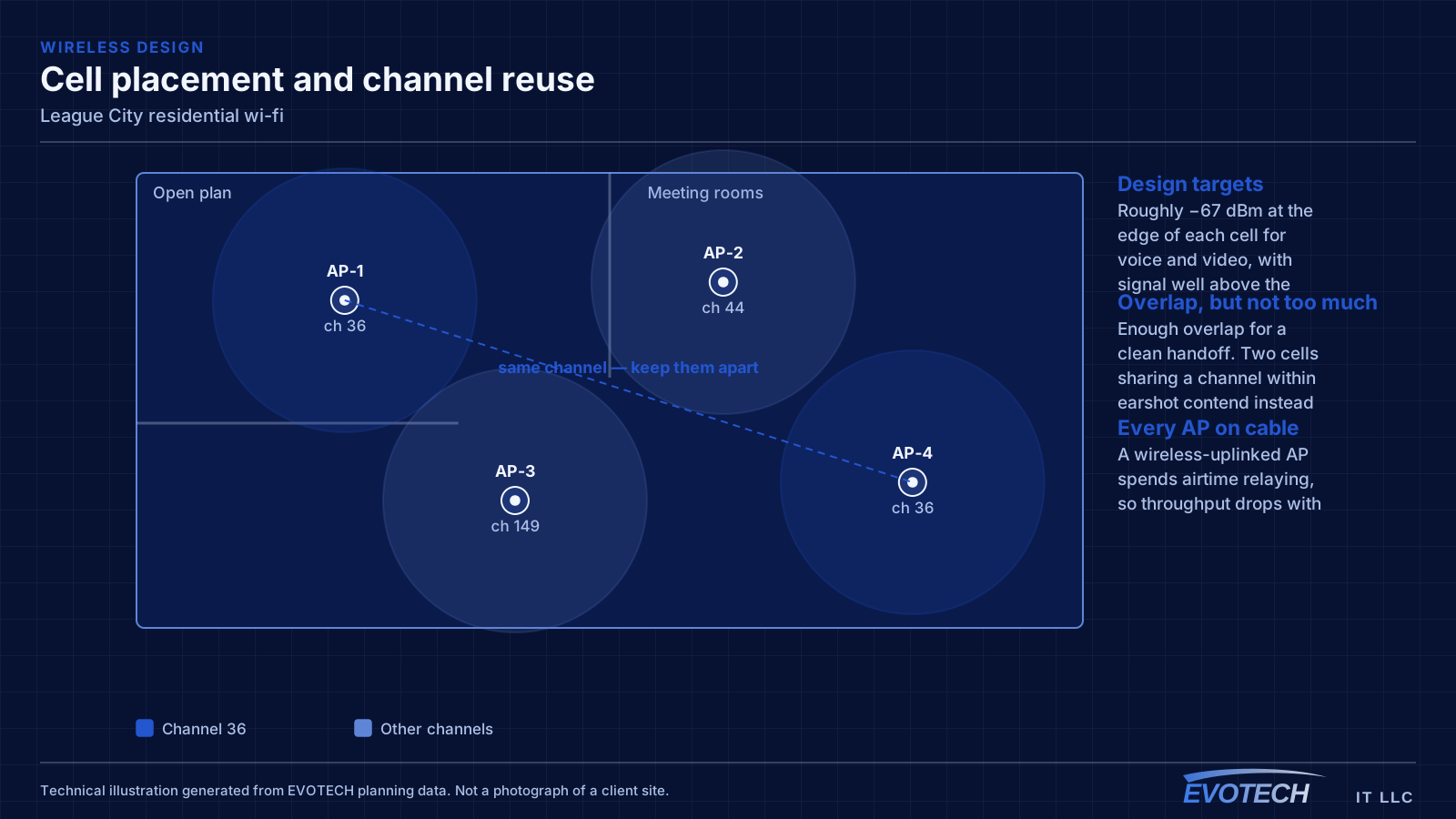
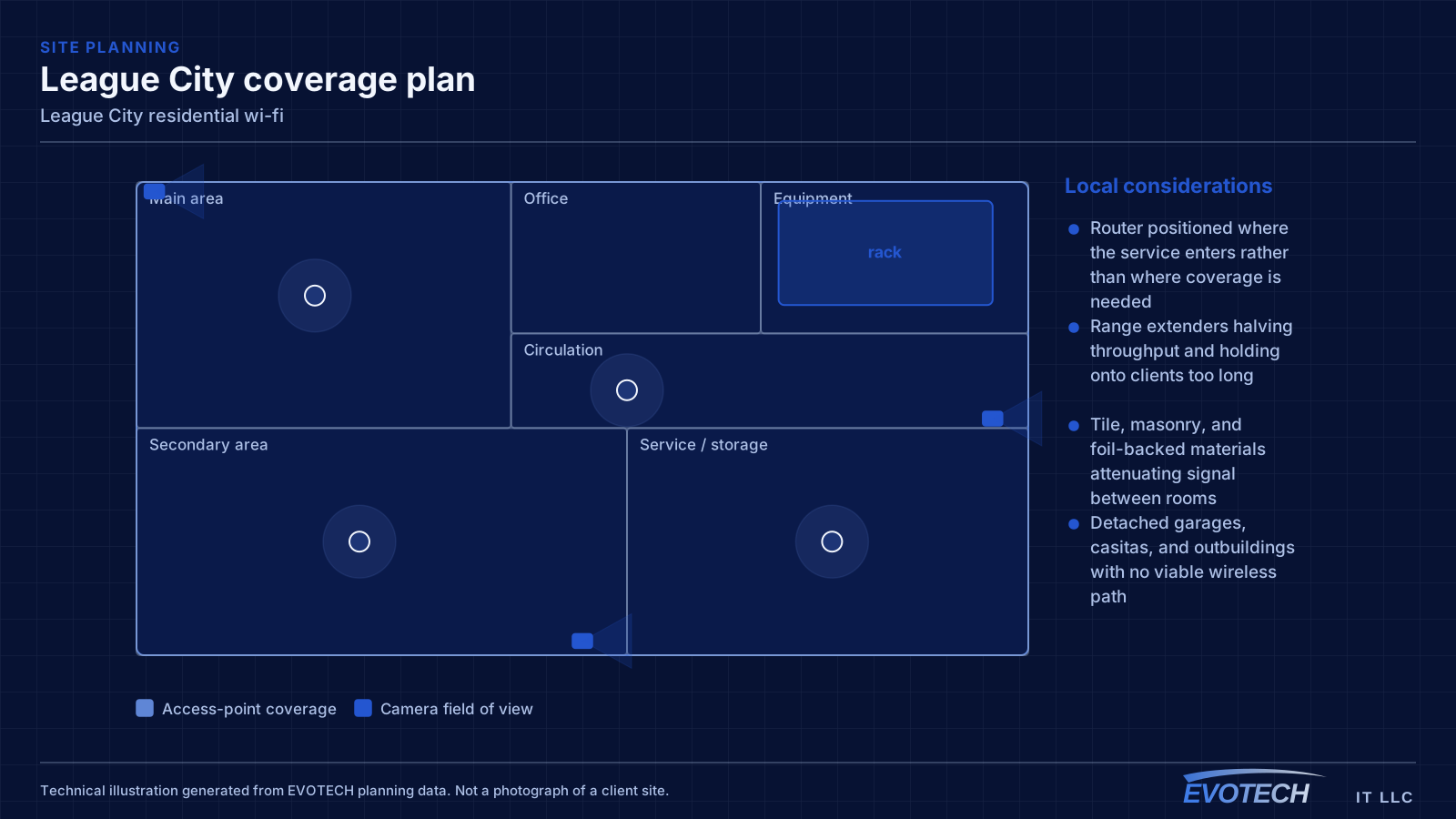
A single router placed wherever the internet service happens to enter the house is the root of most residential wireless complaints. That position is frequently a corner of the garage or a front closet, which means a large share of the signal is heading outdoors. Coverage improves dramatically when access points are placed centrally in the areas people use, and fed by cable.
What residential wi-fi usually involves
Range extenders are the most common cause of a network that looks fine and behaves badly. An extender receives and retransmits on the same radio, so throughput drops with each hop, and devices often stay connected to the extender long after they have walked back within range of the main router.
The second cause is construction. Tile, masonry, brick veneer, foil-backed insulation, mirrors, and metal-framed glass all attenuate signal noticeably. A floor plan will not tell you which wall is the problem — walking the house with a measurement tool will.
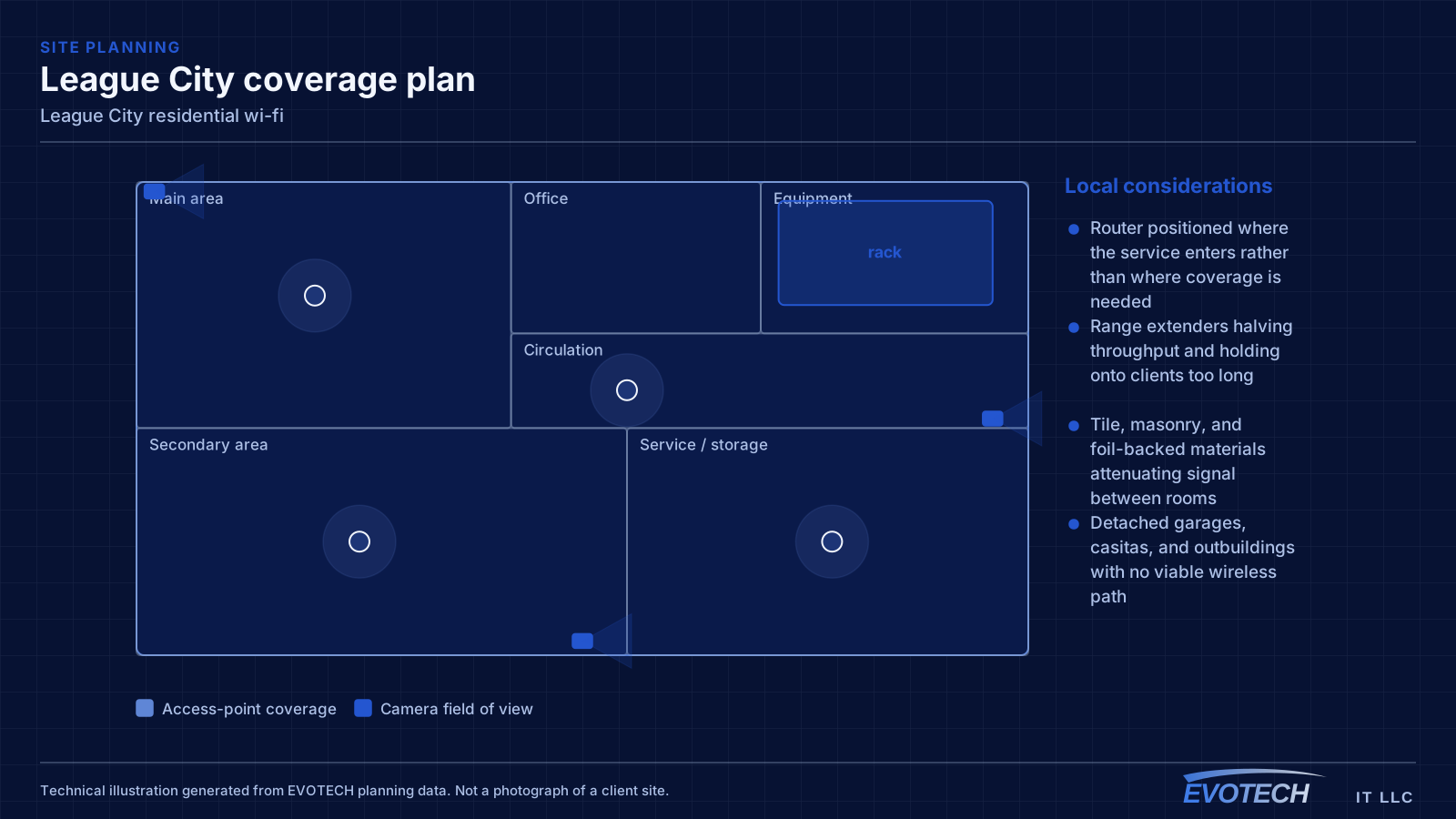
- Router positioned where the service enters rather than where coverage is needed
- Range extenders halving throughput and holding onto clients too long
- Tile, masonry, and foil-backed materials attenuating signal between rooms
- Detached garages, casitas, and outbuildings with no viable wireless path
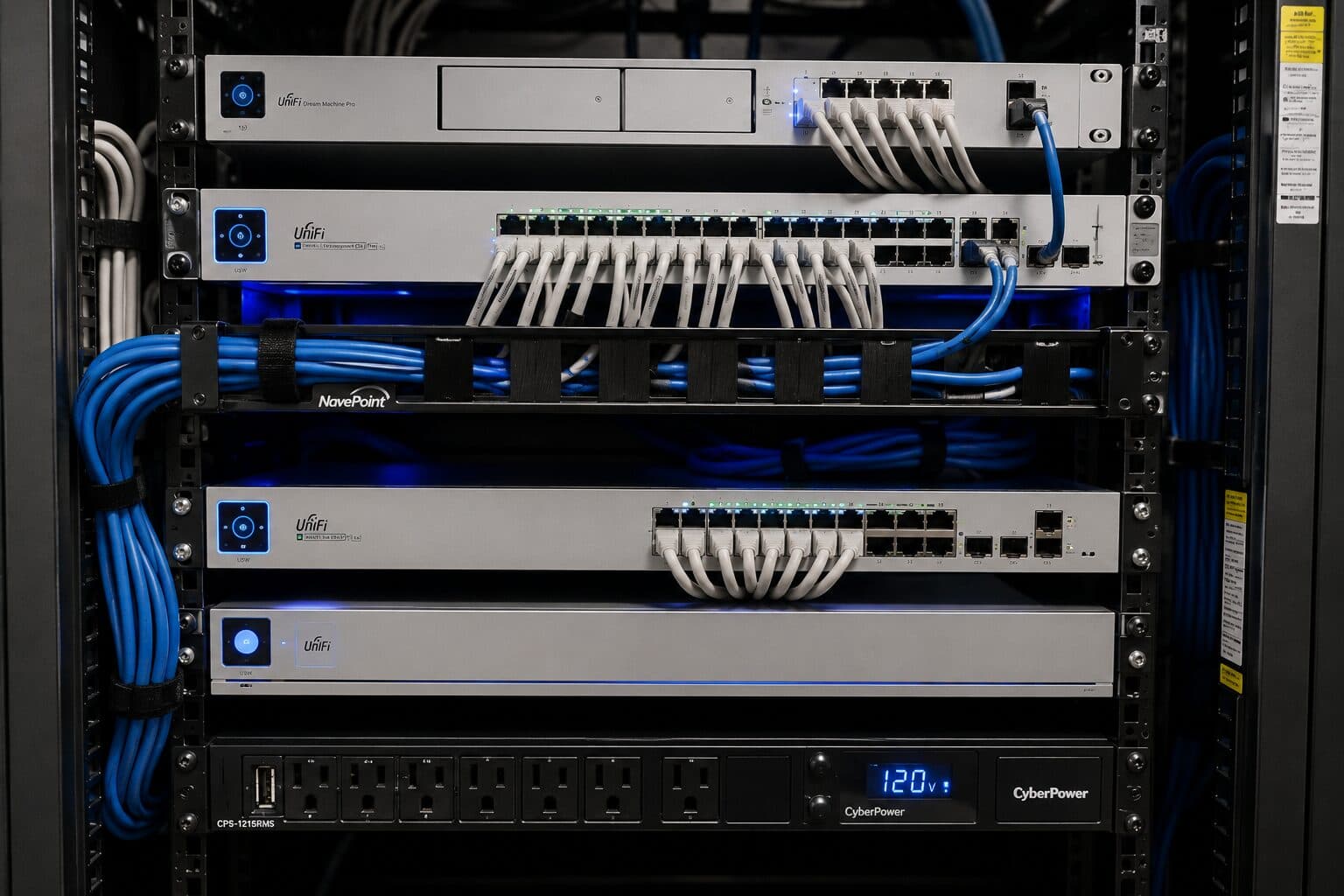
- Equipment stacked in a closed cabinet with no ventilation
- Neighbouring networks congesting 2.4 GHz in dense subdivisions
League City property conditions that change the plan
Residential is predominantly newer suburban construction with good attic access, and multi-storey or wide plans that need more than one access point. The coastal setting raises the stakes on exterior equipment and on resilience.
Commercial medical and retail buildouts bring controlled areas, segmentation, and camera coverage, with the same humidity and storm considerations outdoors.
Homes get an access point per floor and outdoor coverage with rated equipment. Where uptime matters, network equipment and recorders go on a UPS, and critical systems get failover. Exterior work is sealed for the coastal environment.
- Newer suburban slab-foundation homes
- Multi-room and multi-storey plans needing several access points
- Growing medical and retail commercial space
- Coastal exposure raising exterior durability needs
- Storm-season resilience as a design factor
- An access point per floor plus rated outdoor coverage
- UPS on network equipment and recorders where uptime matters
- Failover for critical systems where warranted
- Rated housings, sealed penetrations, and surge protection
- Segmentation and camera boundaries in commercial suites
Getting residential wi-fi done in League City
Signal passes through a floor with significant loss, which is why a downstairs router rarely serves upstairs bedrooms properly. The reliable arrangement in a two-storey home is one access point per floor, positioned centrally in the used areas rather than at the perimeter, with the two connected by cable.
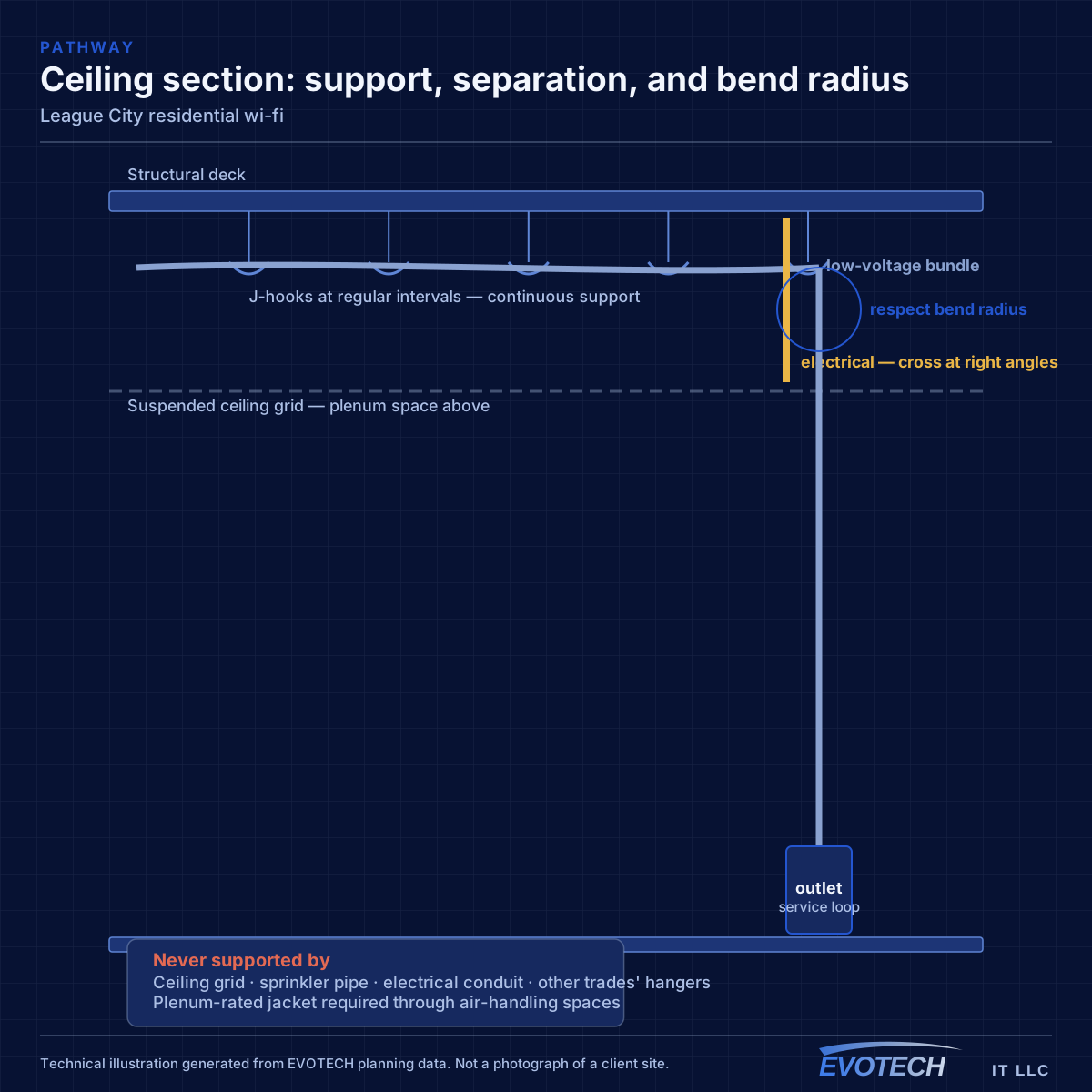
Exterior sealing and surge protection carry extra weight nearer the coast; residential follows summer attic scheduling and occupied-home practice.
- Rated exterior housings and drip loops at every penetration
- Surge protection on exterior and between-building runs
- Residential attic work scheduled early in summer
- UPS runtime confirmed for critical systems
- Commercial work scheduled around operating hours
Frequently asked questions
Does EVOTECH have an office in League City?
No. This is a service-area page: EVOTECH serves League City without claiming a physical office there. The wording stays as coverage, not a location claim.
Why is upstairs Wi-Fi bad when the router is right below?
Signal loses a meaningful amount of strength passing through a floor, and the router's pattern is not aimed upward. Turning the power up mostly increases interference. The dependable arrangement is a second access point upstairs, placed centrally and connected by cable to the equipment position downstairs.
Does EVOTECH have an office in League City?
No. This site does not claim a physical office in League City or anywhere else. League City is described as a service-area market — coverage, not a location claim.