

Why this page exists
Fireplace TV mounting in Richmond is scoped around the same physical realities EVOTECH weighs everywhere — but read through Richmond's specific conditions: high proportion of new residential and commercial construction, making rough-in timing the dominant scheduling factor. This page pairs what the service actually involves with what the Richmond market changes about it.
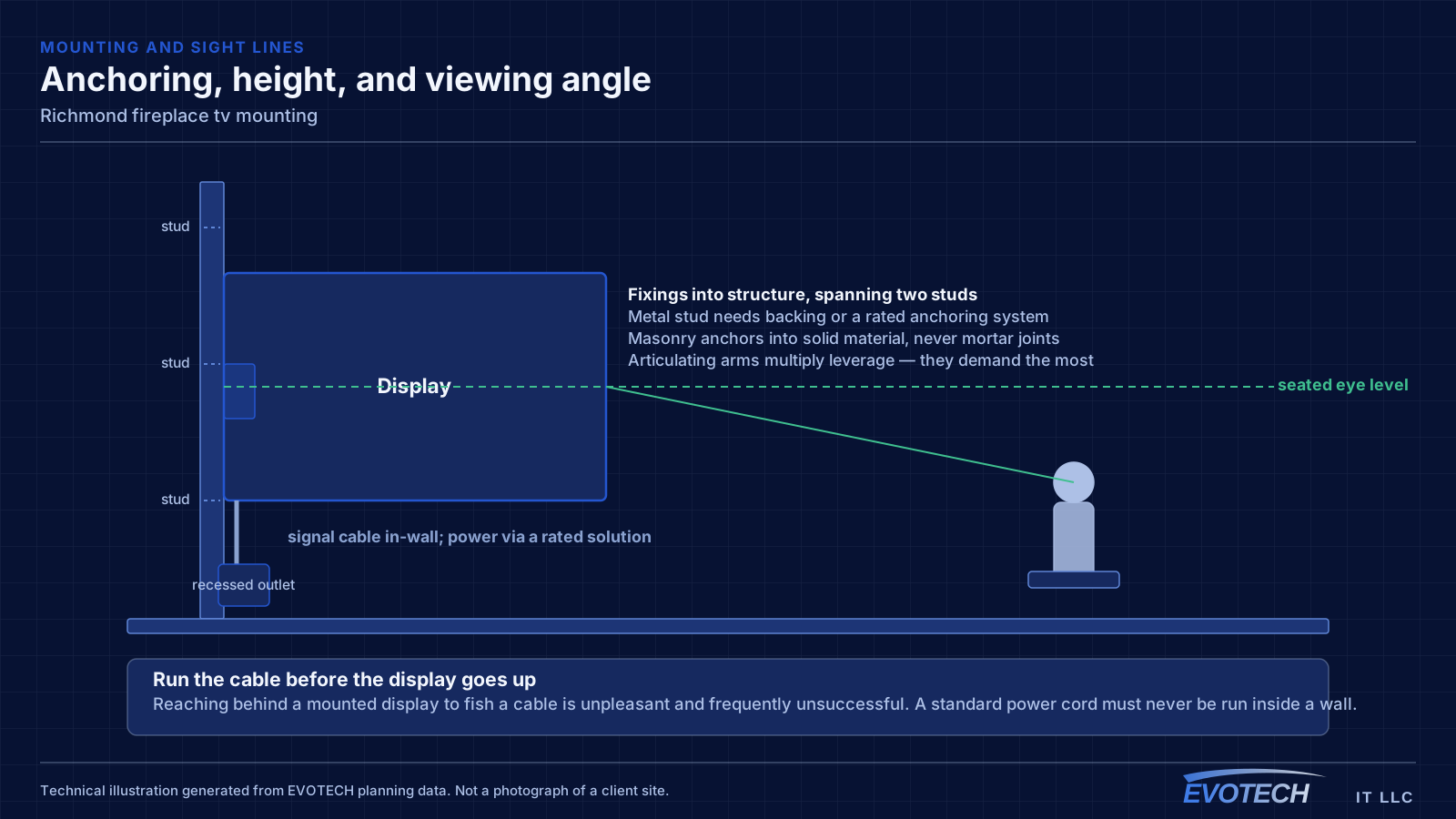
Mounting above a fireplace puts the screen higher than comfortable seated viewing and, depending on the fireplace, into rising heat. The height problem is the one people feel first: a TV centred over a mantel usually forces everyone to look up for the whole show. A tilting mount helps a little; a pull-down mount that brings the screen down and forward to near eye level when in use solves it properly, then returns it above the mantel when idle.
What fireplace tv mounting usually involves
The height compromise is the near-universal complaint: mounted above the mantel, the screen sits well above seated eye level, and a whole evening spent looking up is genuinely uncomfortable. Tilting the panel reduces glare and the angle a little but does not bring the screen down.
Heat is the less obvious but more serious issue. Some fireplaces push enough heat up the wall to sit electronics in a warm zone, which shortens their life or worse. And the surround is frequently masonry or stone, which needs different anchoring from drywall — anchors into solid material, not mortar joints.
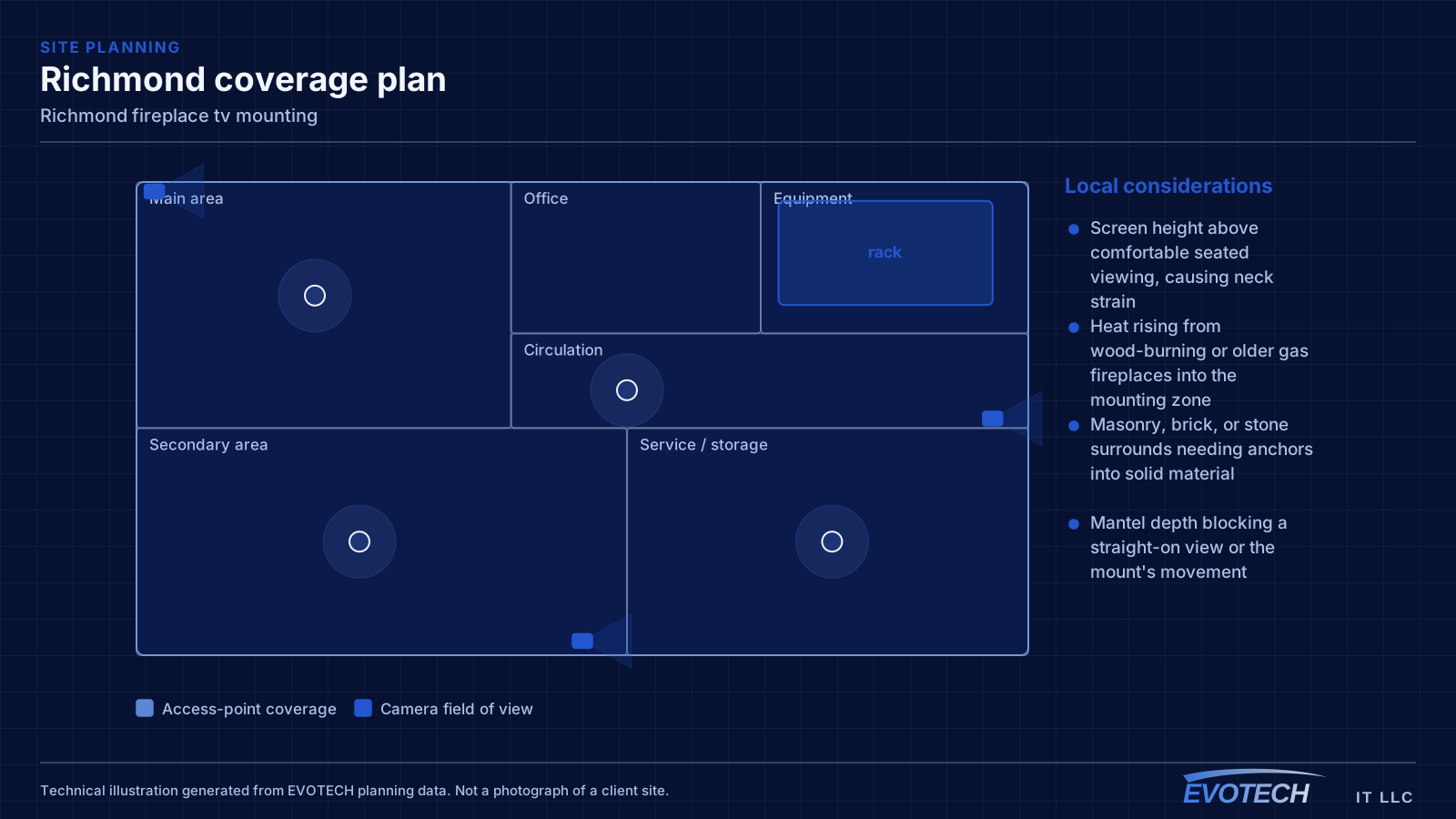
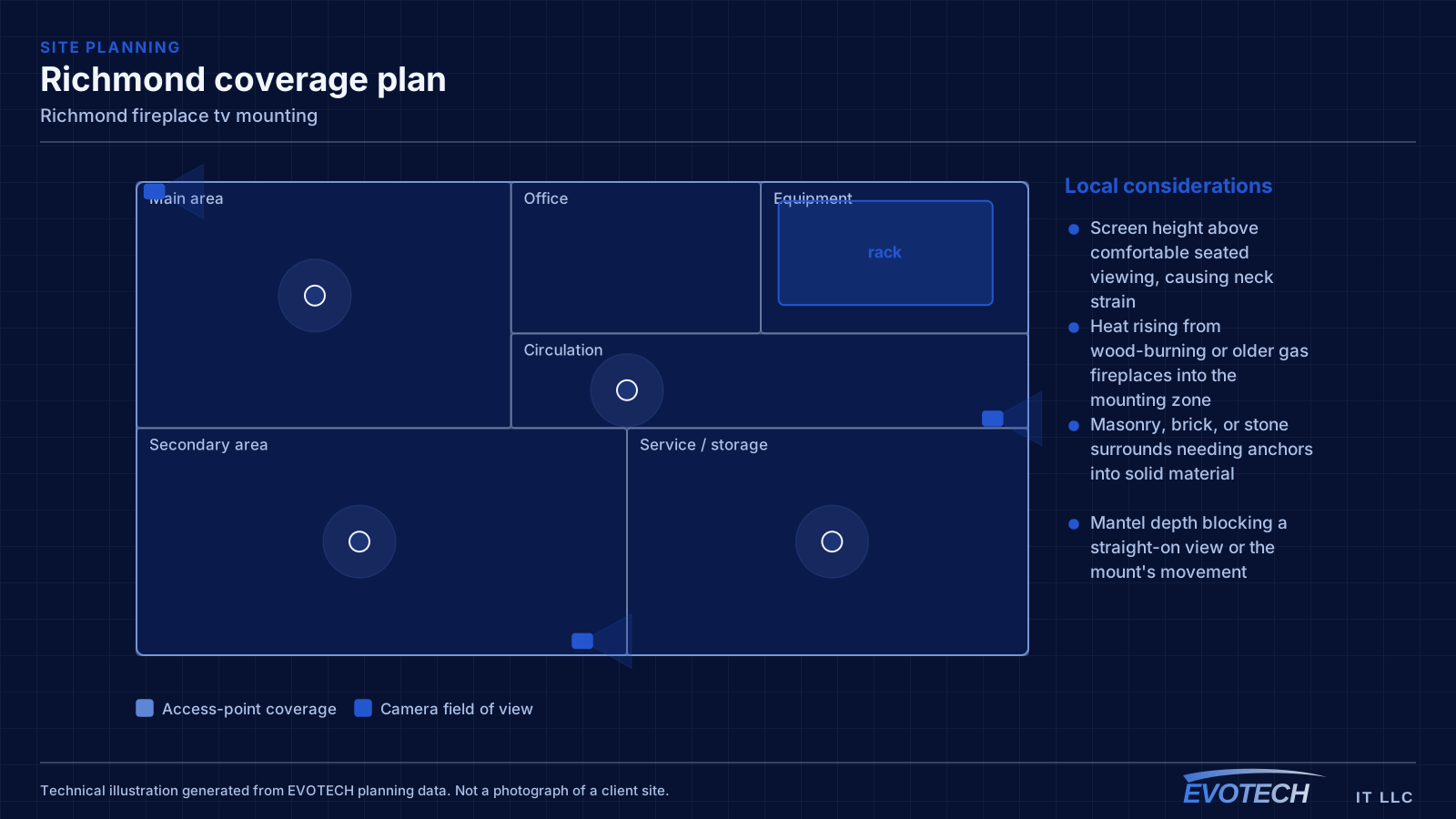
- Screen height above comfortable seated viewing, causing neck strain
- Heat rising from wood-burning or older gas fireplaces into the mounting zone
- Masonry, brick, or stone surrounds needing anchors into solid material
- Mantel depth blocking a straight-on view or the mount's movement
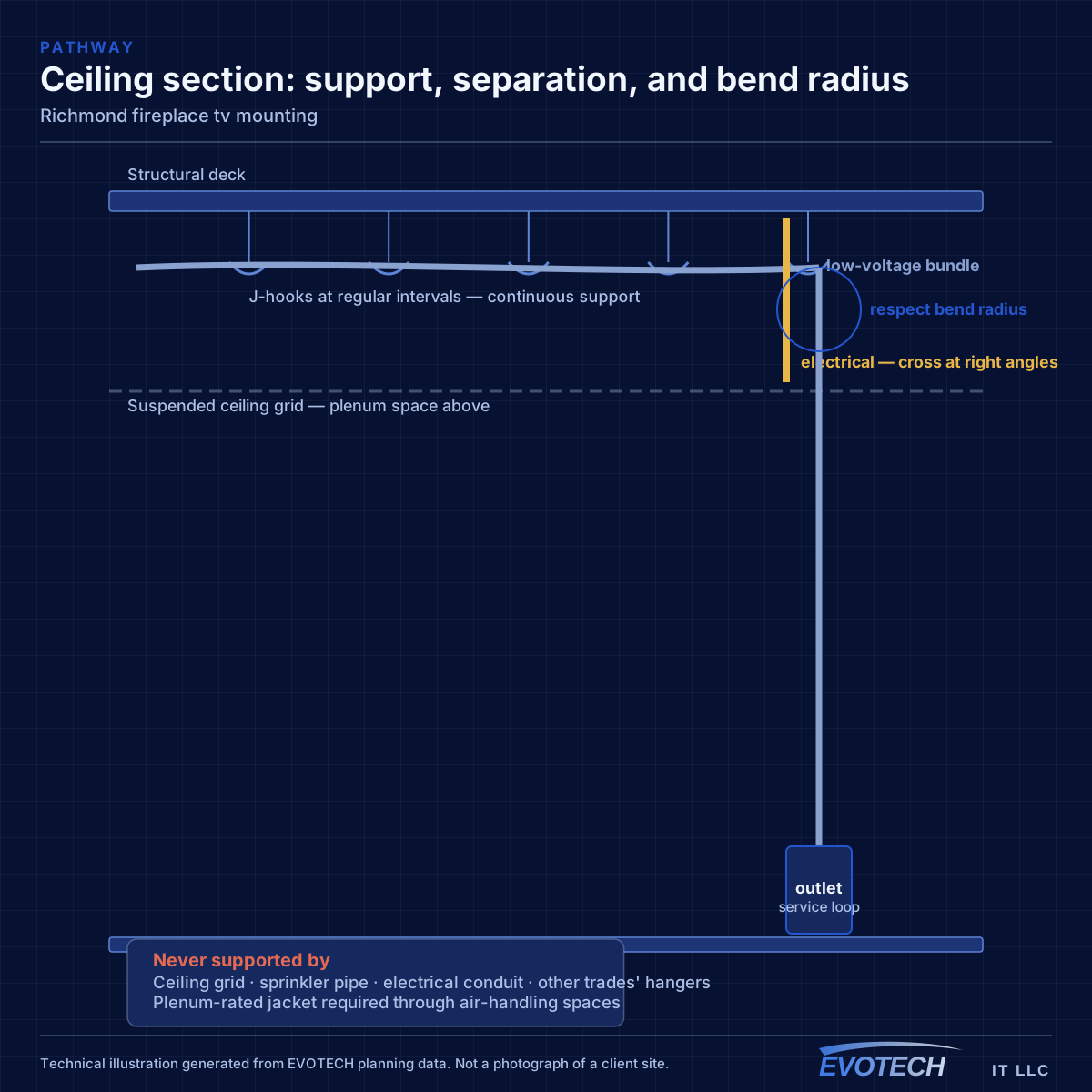
- In-wall cable routing complicated by the fireplace structure
- A tilt-only mount presented as a fix for the height problem
Richmond property conditions that change the plan
When the walls are open, running cable anywhere is straightforward and running spare cable is nearly free. The value of the pre-rough-in conversation is entirely in deciding where things go, because that decision is what determines whether a future camera, access point, or display position is a simple addition or an impossibility.
Larger lots add a distance dimension that tighter suburban plots do not. A gate position, a detached workshop, or a driveway camera can sit far enough from the equipment room that copper is not the right answer, and that needs establishing during design rather than discovering during installation.
Three sets of decisions have a hard deadline. Device locations, because cable follows them. Pathway — conduit, sleeves, and rated penetrations — because those are built into the structure. And the equipment room, because its size, power, and ventilation are architectural rather than adjustable.
- Rough-in window between electrical and drywall as the controlling constraint
- Spare runs and sleeves to likely future positions while walls are open
- Long runs to gates, outbuildings, and driveway positions
- Distances checked against the 100 m copper channel limit
- Equipment room sized for every system, not just the network
- Device locations agreed and marked before rough-in
- Conduit and sleeves installed to positions that may be used later
- Rated penetrations sleeved and firestopped properly
- Equipment room with dedicated power, ventilation, and clearance
- Between-building routes decided before slabs and hardscape go in
Getting fireplace tv mounting done in Richmond
Height is solved by the mount type. A fixed or tilting mount leaves the screen high; a pull-down mount lowers the panel down and out over the mantel to near seated eye level when in use, which is the only arrangement that genuinely resolves the neck angle. Mantel depth matters here — the mount has to clear it through its full range of motion.
The rough-in window is controlled by trades upstream. Delays compress it without moving the completion date, so readiness matters more than anything — decisions made, materials on site, pathway plan settled before the window opens.
- Readiness before the window opens, since it cannot be extended
- Cable protected and clearly labeled during the gap to finish
- As-built documentation completed before drywall
- Coordination with electrical and mechanical trades on shared pathway
- Exterior and between-building routes planned before hardscape
Popular services nearby
Frequently searched near this area — the pages people look for most.
Frequently asked questions
Does EVOTECH have an office in Richmond?
No. This is a service-area page: EVOTECH serves Richmond without claiming a physical office there. The wording stays as coverage, not a location claim.
Is mounting a TV above the fireplace a bad idea?
It is a compromise, and worth naming as one. The screen usually ends up above comfortable seated eye level, and heat can be a concern on some fireplaces. A pull-down mount resolves the height by bringing the screen down to eye level in use, and a heat assessment settles the safety question. Sometimes the honest answer is a different wall, but with the right mount and a suitable fireplace it works well.
How much spare cable should a new build include?
More than the current plan calls for, because the cost asymmetry is severe. A spare run during rough-in is inexpensive; the same run after drywall may cost several times as much or be impossible. Terminating and labeling spare runs to likely access-point, camera, and display positions is among the cheapest decisions in the whole project.