
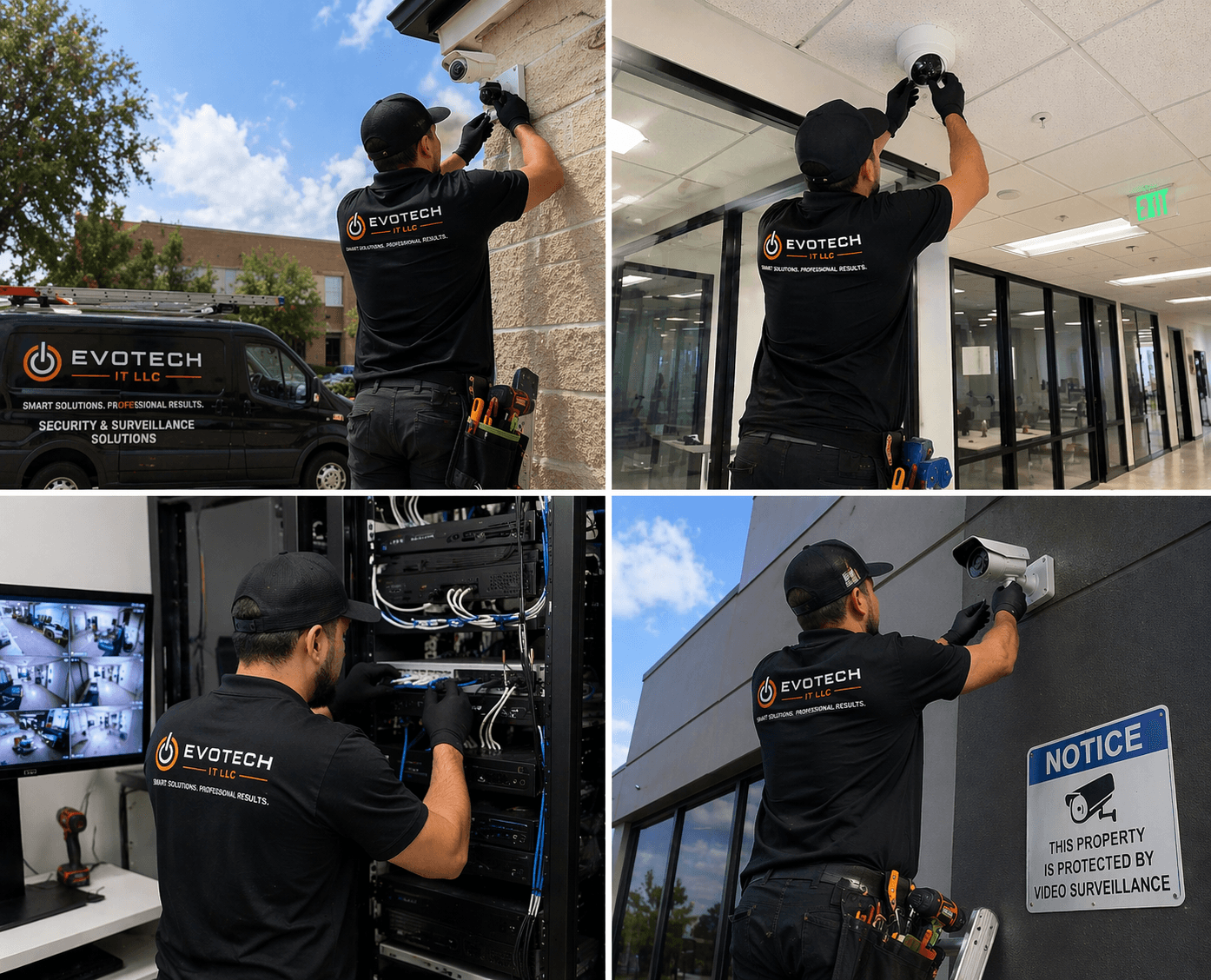
Why this page exists
This pairing is warranted because Pearland's commercial growth is concentrated in medical and food-service space, two environments whose camera requirements diverge more than most: strict area boundaries in one, difficult ambient lighting in the other.
In a medical suite, the design question is mostly about where cameras may not go. Entrances, corridors to controlled areas, medication storage approaches, and parking are in scope; treatment and examination areas are not, and that boundary gets agreed explicitly at design.
In food service, the boundaries are simpler and the lighting is harder. Dining rooms are deliberately dimly lit, kitchens are bright and hot, and back doors sit in shadow. Camera selection that works in one of those fails in another.
Two environments, two design conversations
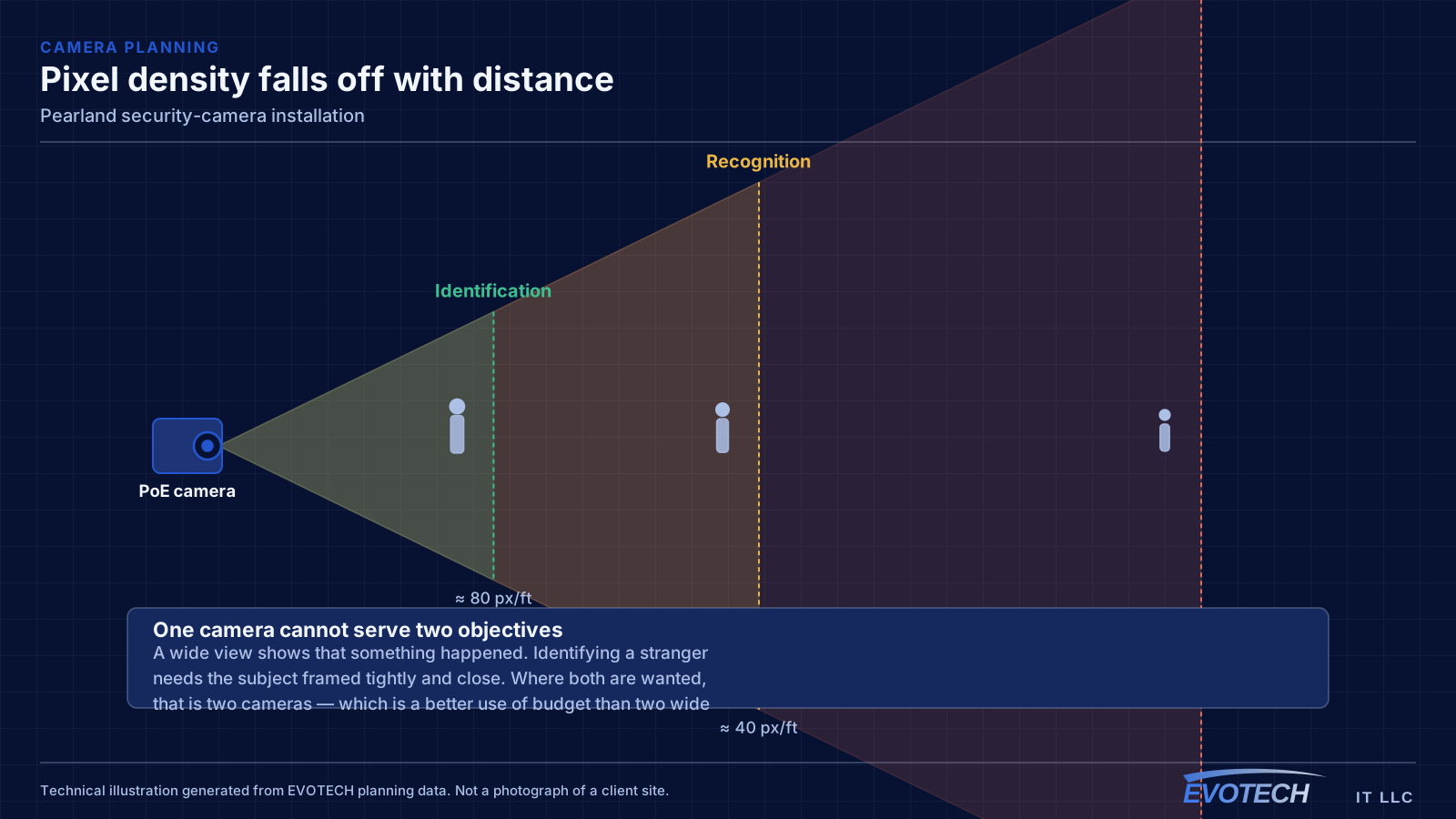
For medical, the conversation starts with boundaries and ends with placement. Which areas are in scope, which are explicitly excluded, and how door-access records and corridor footage combine to answer the questions that actually get asked.
For food service, it starts with lighting and objectives. A register view has to show transaction detail in whatever the house lighting is; a back-door view has to identify someone in shadow at night. Those need different cameras, and both need verifying against recorded footage rather than a live view during setup.
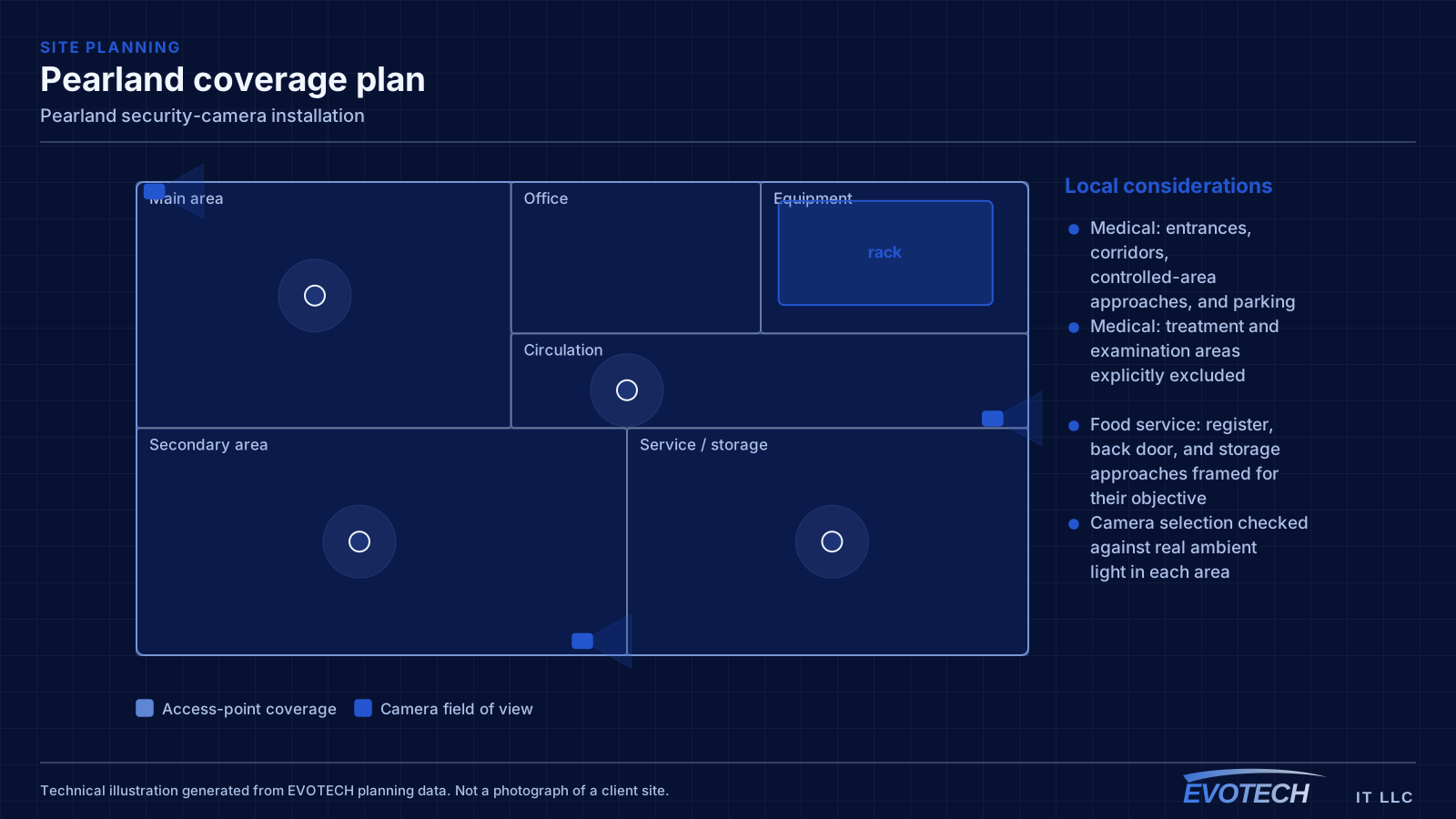
- Medical: entrances, corridors, controlled-area approaches, and parking only
- Medical: treatment and examination areas explicitly excluded
- Food service: register, back door, and storage approaches framed for their objective
- Camera selection checked against real ambient light in each area
- Access records and footage combined where both exist
Recorder placement and retention
Recorder placement differs by environment for the same underlying reason: heat. In a restaurant it belongs away from the kitchen, in an office or dry storage area. In a medical suite it belongs somewhere secured as well as ventilated, since it holds footage of controlled-area approaches.
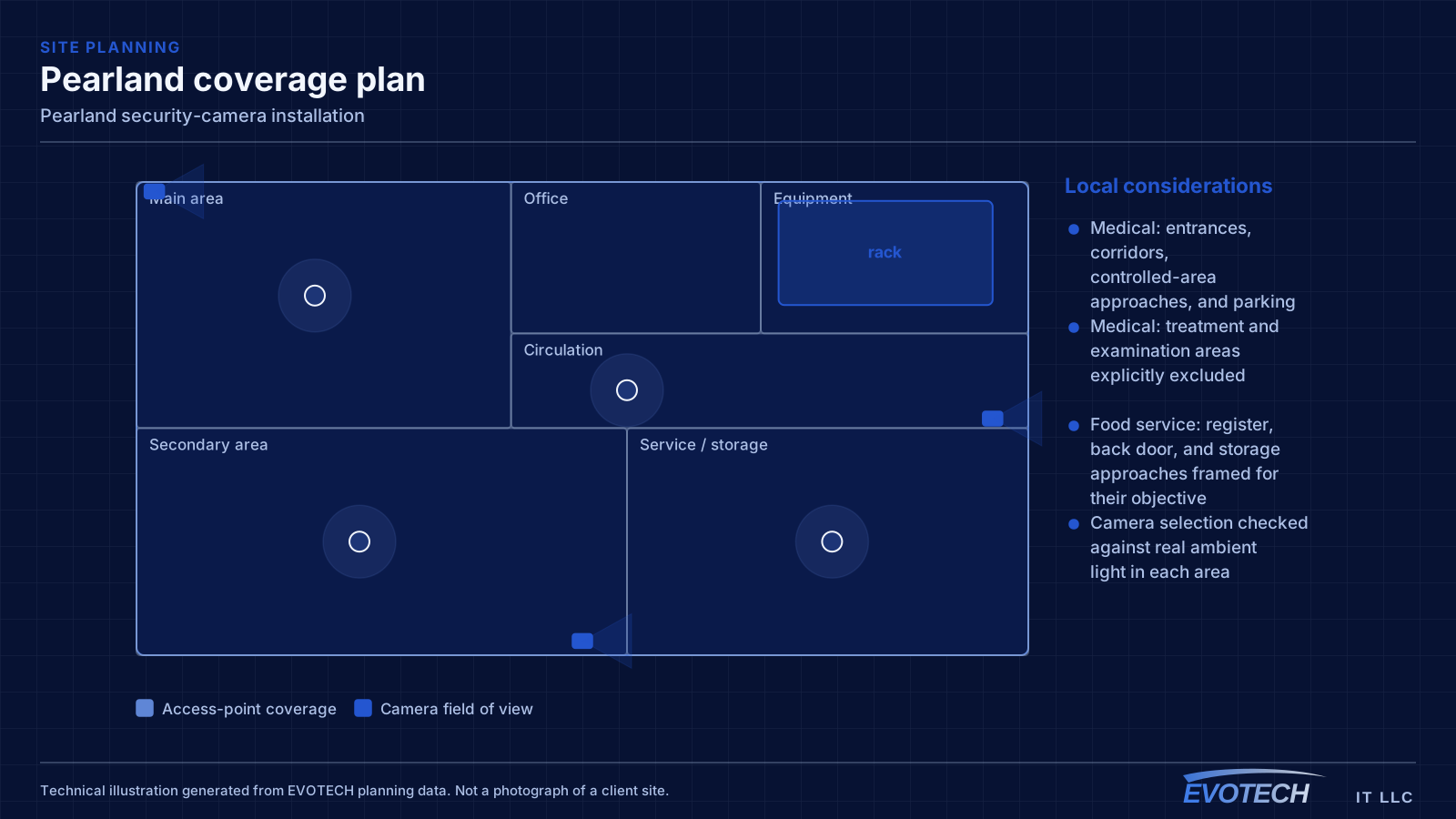
Retention gets set from the operational reality of each environment. A discrepancy in a medical practice may surface on a different timescale from an incident in a restaurant, and the retention target should reflect that rather than a default.
- Recorder sited away from kitchen heat in food service
- Recorder secured as well as ventilated in medical suites
- Retention target set from how quickly issues actually surface
- Storage calculated from realistic bitrates for each scene type
- Recorder and switch on a UPS in both environments
Scheduling around two different operating patterns
Medical work happens around clinical sessions — early, late, or on non-clinical days — with containment and clean reinstatement throughout. Food-service work happens outside service hours, with each session ending with the site fully operational for the next opening.
Both involve occupied, finished spaces where the installation has to look finished when it is done.
- Medical work scheduled around clinical sessions
- Food-service work outside service hours
- Containment and clean reinstatement in both environments
- Kitchen ceiling access scheduled around cleaning and cool-down
- Footage reviewed in real conditions before sign-off
Popular services nearby
Frequently searched near this area — the pages people look for most.
Frequently asked questions
Are cameras placed inside treatment rooms?
No. Camera coverage in medical settings is scoped to entrances, corridors, controlled-area approaches, and exterior areas. Treatment and examination rooms are excluded, and that boundary is agreed explicitly during design rather than left to interpretation later.
Why do restaurant cameras underperform when they worked in a retail test?
Ambient light. Dining rooms are deliberately dim, and cameras that perform well on a brightly lit retail floor often struggle in that. The check that matters is reviewing recorded footage during actual service conditions rather than looking at a live view with the house lights up during installation.
Where should the recorder go in each environment?
In a restaurant, away from the kitchen — an office or dry storage area, because heat is the main determinant of equipment life. In a medical suite, somewhere ventilated and secured, since the recorder holds footage of controlled-area approaches and should not be casually accessible.