

Why this page exists
This pairing is warranted because Spring's retail and food-service concentration produces a specific and repeating camera problem — glazed storefronts creating daylight backlighting at exactly the entrance views that need to identify people.
A camera mounted inside a retail unit looking out through a glass storefront during daylight sees a bright background and a dark subject. That is the worst case for identification, and it is also the position most people instinctively choose because it covers the door.
The answer is position rather than specification. Placing the identification camera to view across the entry from inside — so the subject is lit by the same light the camera is metering for — produces usable footage without fighting the contrast.
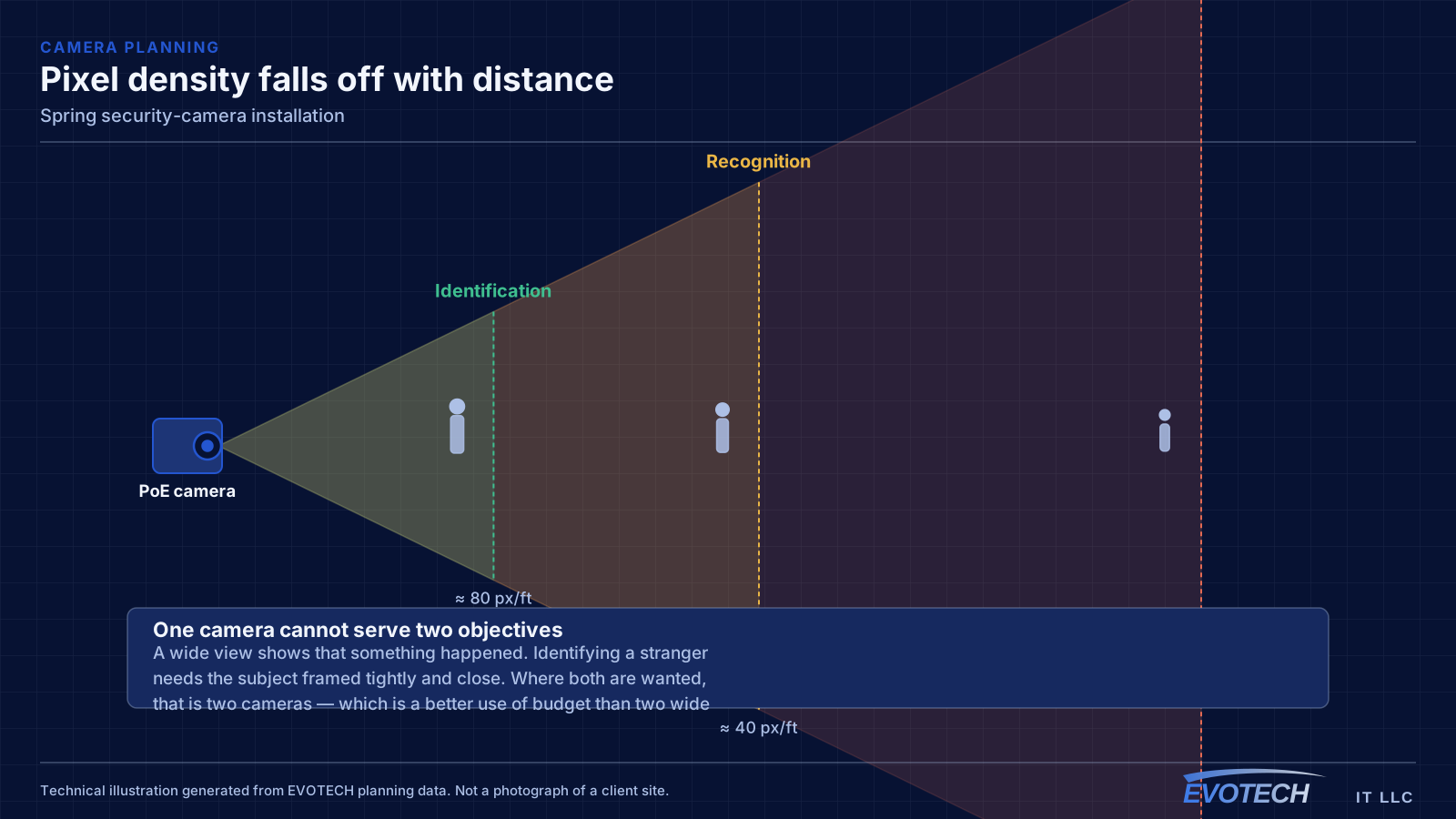
Framing the entrance without fighting the light
The reliable entrance arrangement is a camera positioned inside, angled across the entry rather than straight out through the glass, framing people as they turn into the space. Subject and background are then lit similarly, which is what the camera needs.
A second, wider camera can cover the doorway and the immediate frontage for context. Splitting the two objectives across two views is more effective than asking one camera to do both against a bright window.
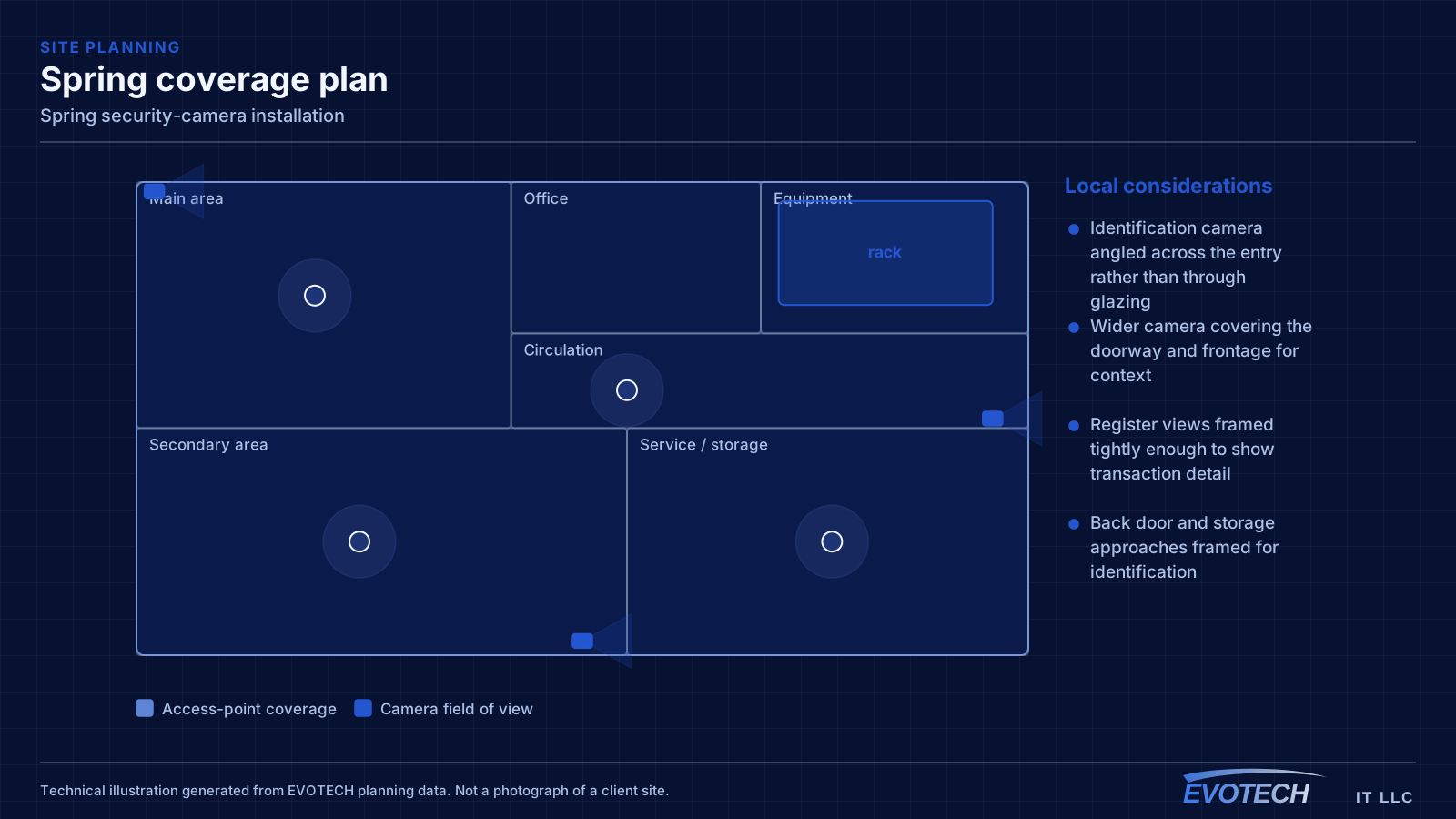
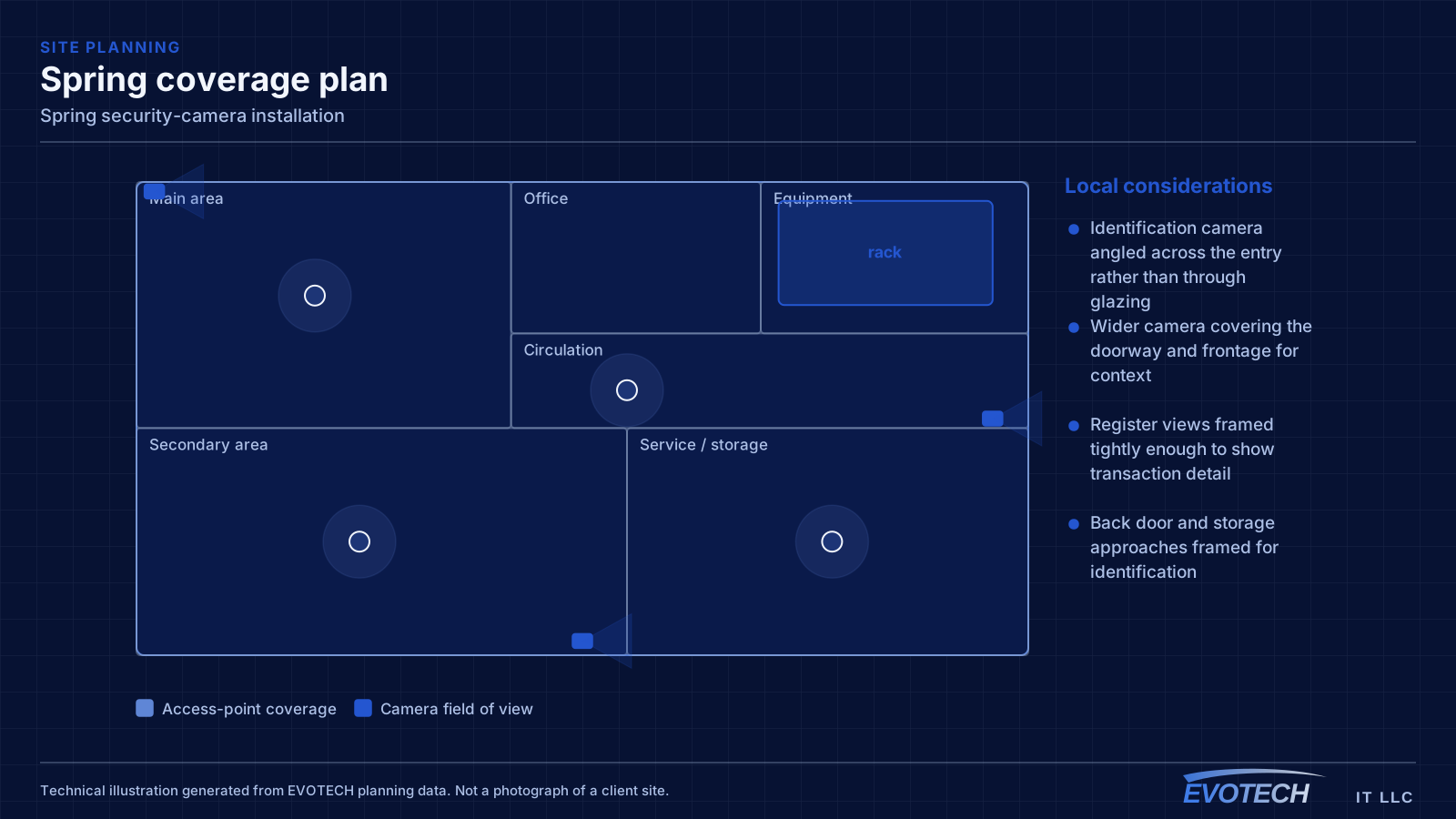
- Identification camera angled across the entry rather than through glazing
- Wider camera covering the doorway and frontage for context
- Register views framed tightly enough to show transaction detail
- Back door and storage approaches framed for identification
- Camera selection checked against each area's real lighting
Cabling across varied ceilings
Ceiling construction differs sharply between units, and a single tenancy can contain more than one type. An open-deck converted space allows straightforward routing; a hard-lid mall unit may need access cuts for every run. Confirming this across the whole unit rather than the visible front section keeps the estimate honest.
Recorder placement is the other planning item, particularly in food service, where the convenient position near the kitchen is the one that shortens equipment life most.
- Ceiling construction confirmed across the whole unit
- Hard-lid sections identified and priced separately
- Recorder sited away from kitchen heat and moisture
- Switch PoE budget sized for peak draw with illuminators active
- Landlord rules confirmed for penetrations and exterior mounting
Installing around trading and service
Retail work can often proceed during trading hours with containment, merchandise protection, and barriered ladder areas, though anything over the sales floor is usually better placed before opening. Food-service work happens outside service hours, with each session ending with the site operational.
Sign-off happens against recorded footage in real conditions — daylight at the storefront, house lighting in the dining room, and after dark at the back door.
- Retail work during trading with containment where feasible
- Food-service work outside service hours
- Merchandise and surface protection throughout
- Sessions ending with the site fully operational
- Footage reviewed in real lighting conditions before sign-off
Popular services nearby
Frequently searched near this area — the pages people look for most.
Frequently asked questions
Can a camera setting fix a backlit storefront?
Only partially. Wide dynamic range helps, but a camera metering a bright window will still render a subject in front of it dark. Repositioning so the camera views across the entry rather than through the glass addresses the cause, and it costs nothing but choosing a different mounting point.
Why do register cameras often fail to show what happened?
Framing. A camera covering the register area from across the room shows that a transaction occurred without showing the detail. A view framed on the register and drawer, close enough for adequate pixel density, is what answers the questions register footage actually gets asked.
How much does ceiling type change a camera install here?
A lot. Adjacent units can have completely different ceilings, and a run that takes minutes above an accessible grid may need access cuts and patching through a hard lid. Confirming construction across the whole unit — not just the front section — is what keeps the estimate from moving during installation.