

Why this page exists
A Houston residential page is warranted because slab-on-grade construction is the regional norm, which removes underfloor routing entirely and makes attic access the deciding factor in whether a second access point is straightforward or difficult.
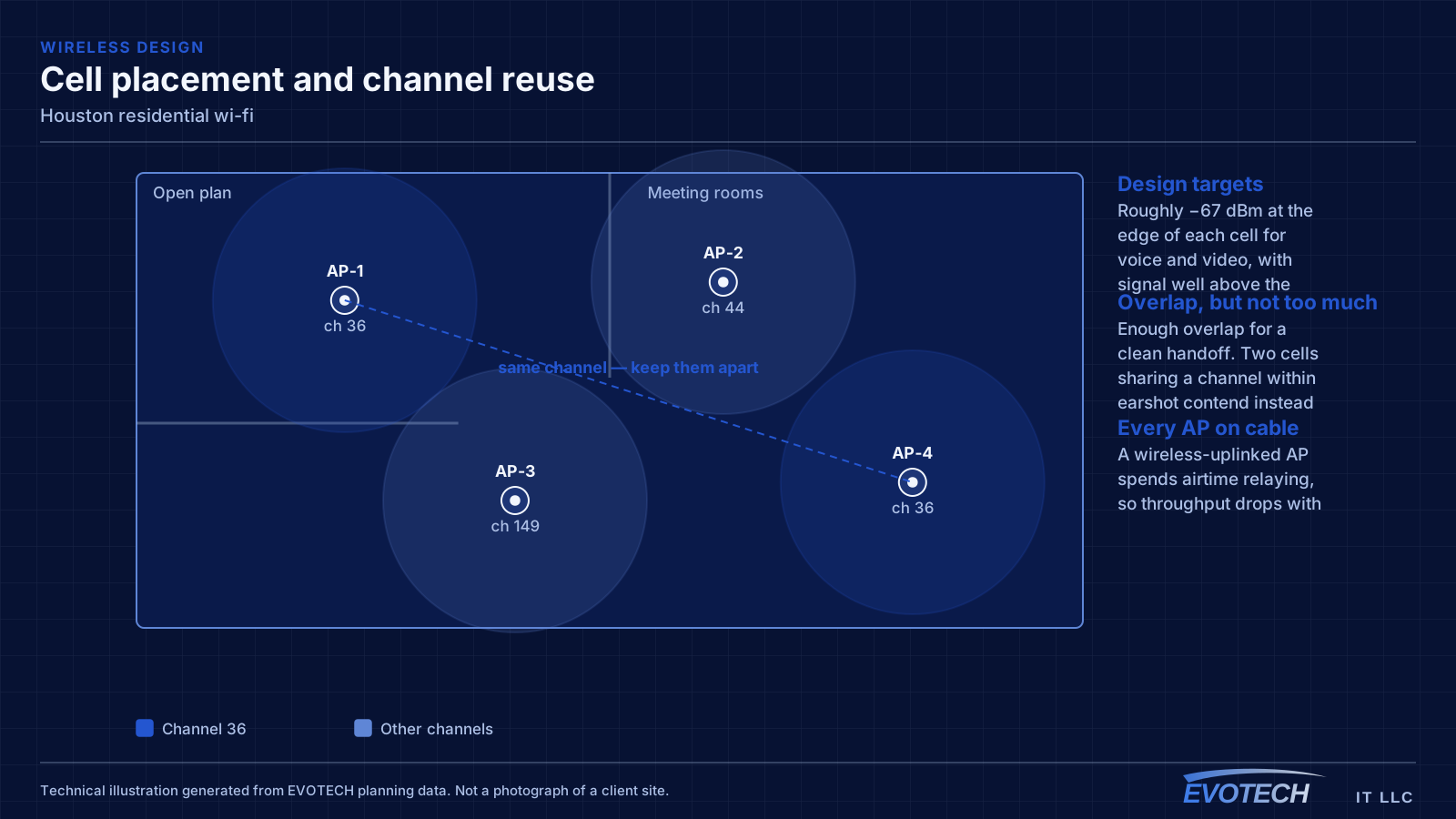
Nearly every home coverage complaint traces to one router trying to serve a house from wherever the service happened to enter — often a garage or front closet at the perimeter. Signal weakens through every wall and substantially through a floor, so the far end of the house gets very little regardless of the router's specification.
The fix is an access point closer to the problem area, connected by cable. In slab-foundation construction that cable goes up into the attic and down an interior wall, which makes attic access and the destination wall's construction the two questions that determine how easy the job is.
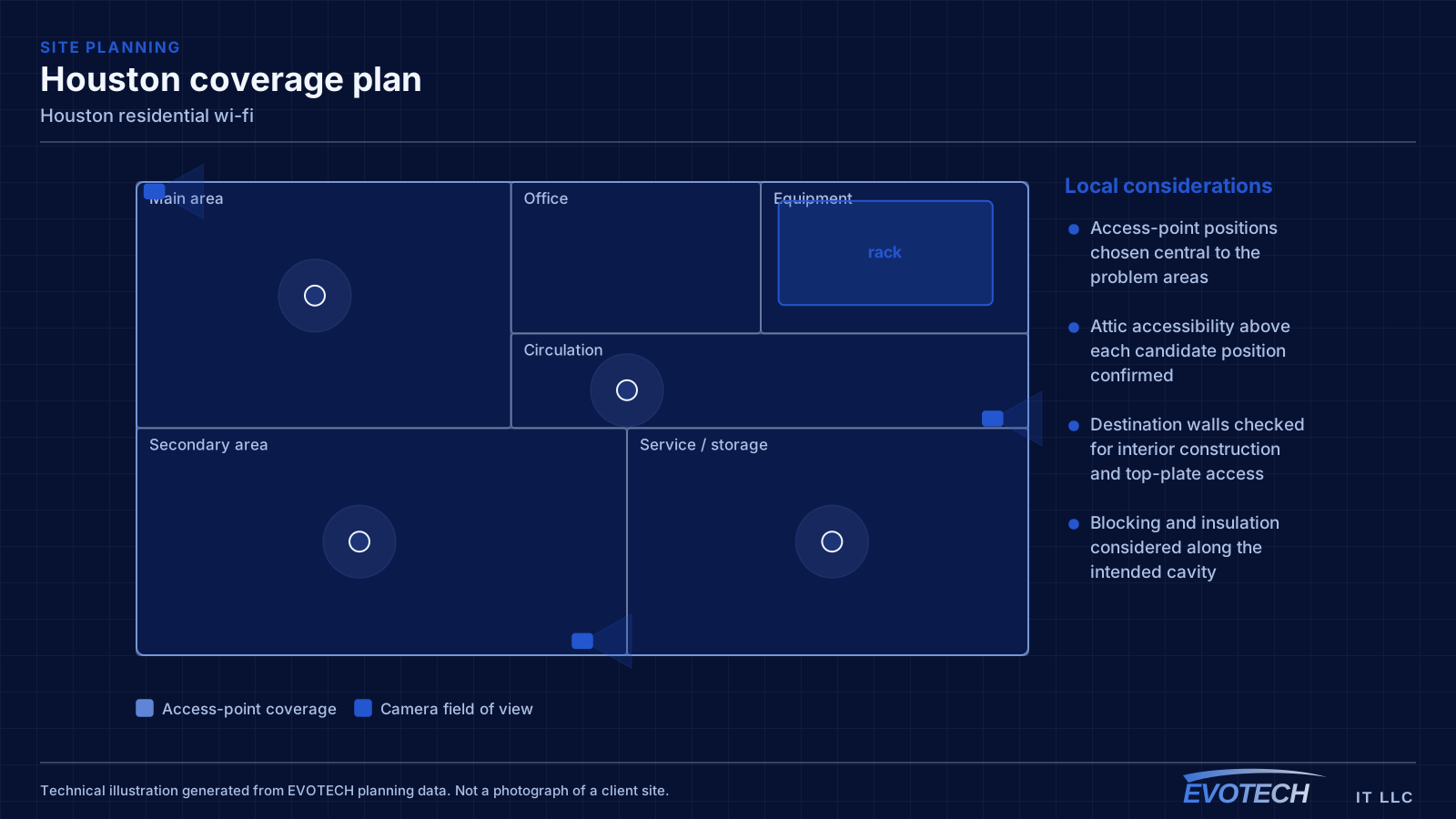
Finding the route before promising the position
The ideal access-point position is central to the area with the problem — usually a hallway or landing ceiling rather than inside any single room. Whether that position is achievable depends on the attic above it and on whether the wall below can be reached.
Interior walls with accessible top plates are straightforward. Exterior walls with insulation, bracing, and veneer outside are considerably harder, and older homes frequently have fire blocking that stops a fish tape halfway. Establishing that before committing to a position avoids a mid-job change of plan.
- Access-point positions chosen central to the problem areas
- Attic accessibility above each candidate position confirmed
- Destination walls checked for interior construction and top-plate access
- Blocking and insulation considered along the intended cavity
- Fallback options — raceway, alternate wall — discussed before cutting
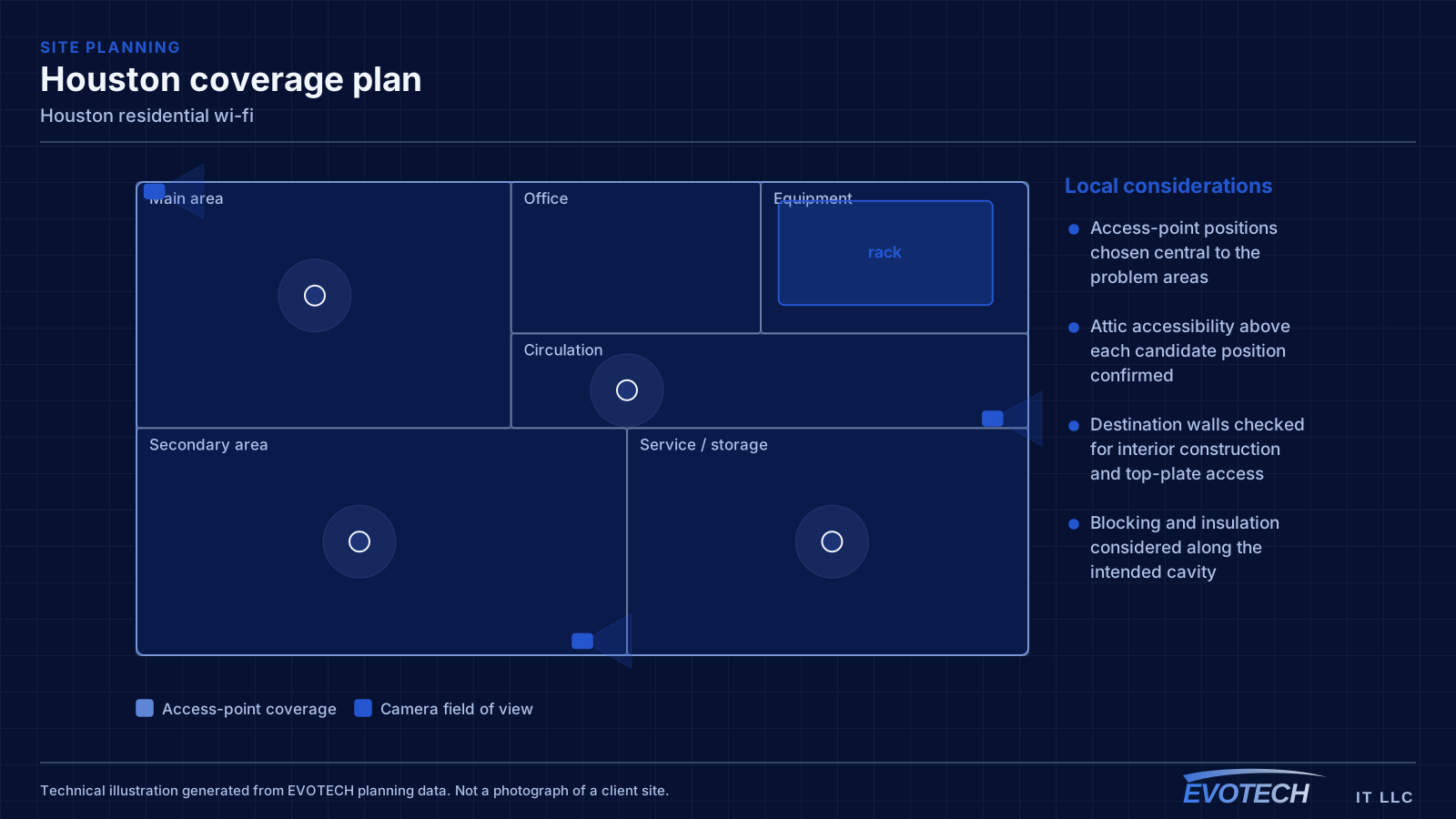
Equipment position and outdoor coverage
The equipment position deserves as much thought as the access points. It needs power, ventilation, and access without moving furniture. A sealed cabinet or an unconditioned garage will work and will shorten the life of everything inside.
Outdoor coverage — patios, pool areas, detached structures — is planned separately rather than by raising indoor transmit power. A rated outdoor unit positioned for the area serves it properly and survives the humidity; an indoor access point pushed harder mostly creates interference indoors.
- Equipment position with power, ventilation, and practical access
- One access point per floor as the baseline in two-storey homes
- Outdoor areas covered by rated equipment positioned for them
- Detached structures given their own cable rather than extended coverage
- Stationary devices wired where the pathway is already open
Working in an occupied house
Attic work in summer is scheduled early in the day, which is a practical constraint rather than a preference. Beyond that, residential work means dust control, furniture protection, and leaving each area clean at the end of the day.
Where any drywall access is required, the conversation about patching and paint happens before the first cut. Finish expectations in a home are higher than in commercial space and are worth setting explicitly.
- Attic work scheduled early during summer months
- Dust control and furniture protection in occupied rooms
- Drywall access, patching, and paint agreed in advance
- Work sequenced so the household is not left without connectivity
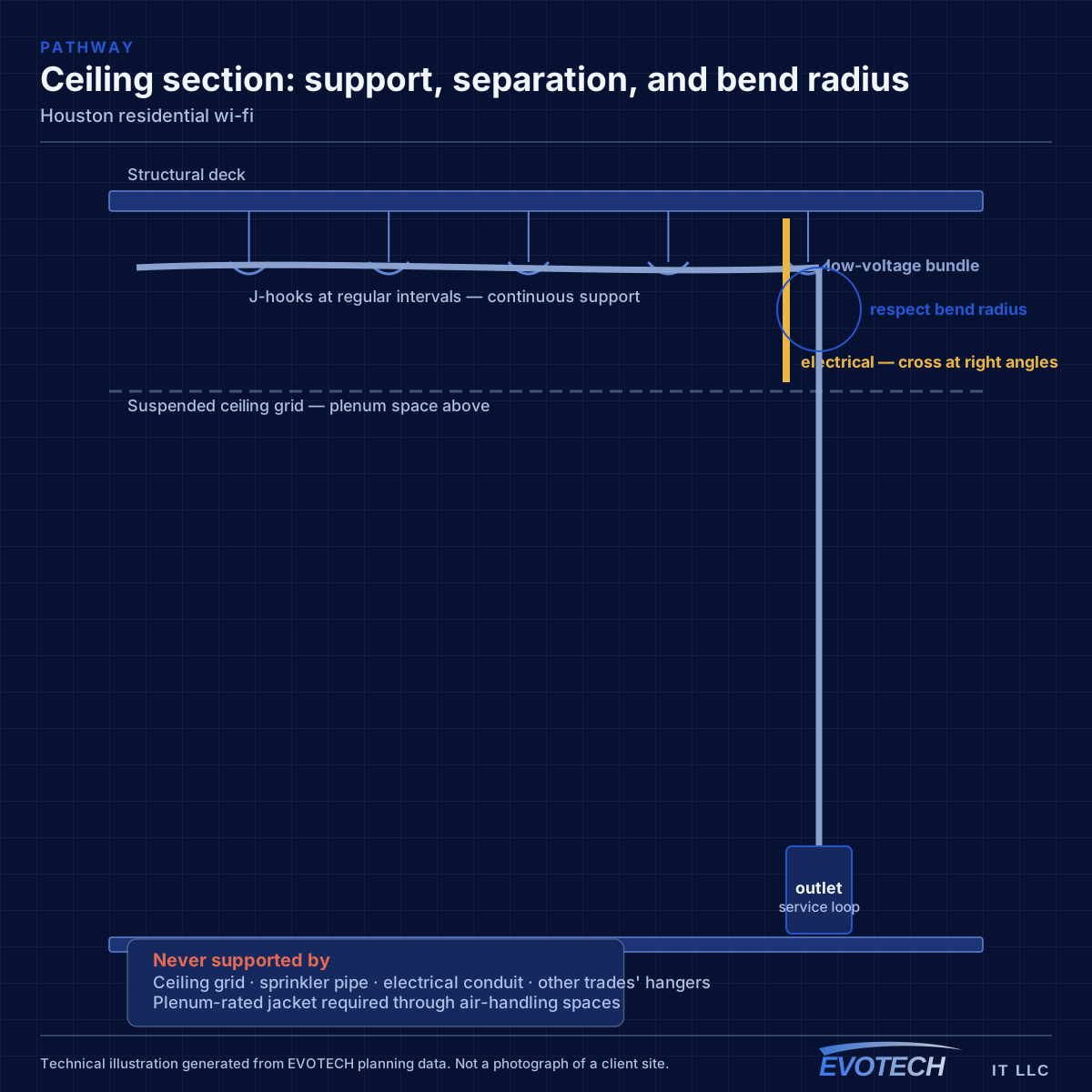
- Cable kept clear of recessed lighting and heat sources in the attic
Popular services nearby
Frequently searched near this area — the pages people look for most.
Frequently asked questions
Why can't a better router fix upstairs coverage?
Because the limitation is the floor and the walls, not the router. Signal loses substantial strength passing through a floor, and the router's pattern is not aimed upward. A more powerful device mostly increases interference at the same time. A second access point upstairs, placed centrally and fed by cable, is the arrangement that actually works.
Is running a cable through the attic always possible?
Usually, but not always. The route needs attic access above the position and a reachable destination wall, ideally interior. Exterior walls with insulation and veneer, and older homes with fire blocking in the cavity, can make a specific drop impractical. Establishing that before committing avoids changing the plan mid-job.
Can a detached garage or casita be covered from the house?
Rarely well. The signal has to pass through two exterior walls and whatever is in between, and the result is marginal. A cable to the structure gives a predictable outcome, and where the two buildings are separately grounded, fiber removes the electrical risk that a copper run between them would carry.