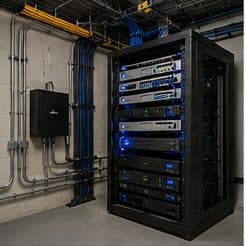
Why this page exists
Intercom installation for home offices is shaped by how the space is used, not just by the service itself. Home offices bring their own operating constraints, and this page pairs what intercom installation actually involves with what that environment changes about it.
An intercom connects an entry station to one or more answering points, so someone inside can see and speak to a visitor and release the door or gate without walking to it. The design work is deciding where the answering points are, whether they are physical stations or applications on phones, and how the door release is wired.
The house is competing with the work
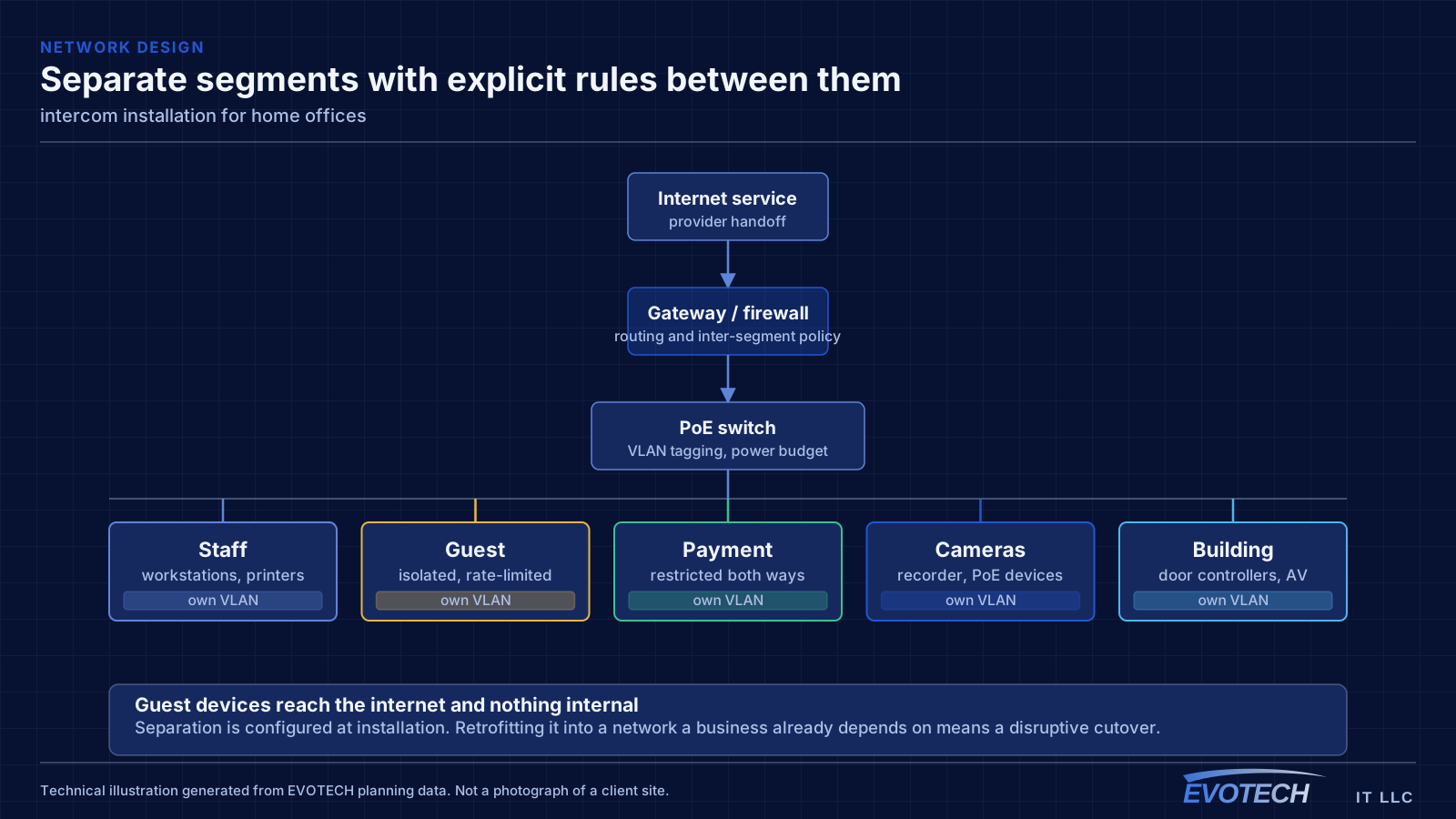
A home office shares its connection with everything else in the house, and household demand is highest during exactly the hours that matter least to the household and most to the person working. Streaming, gaming, backups, and connected devices all contend for the same circuit and, if the office is on wireless, for the same airtime.
The second factor is position. Home offices frequently end up in a spare bedroom at the far corner of the house, which is often the worst wireless position in the building — furthest from the router, through the most walls.
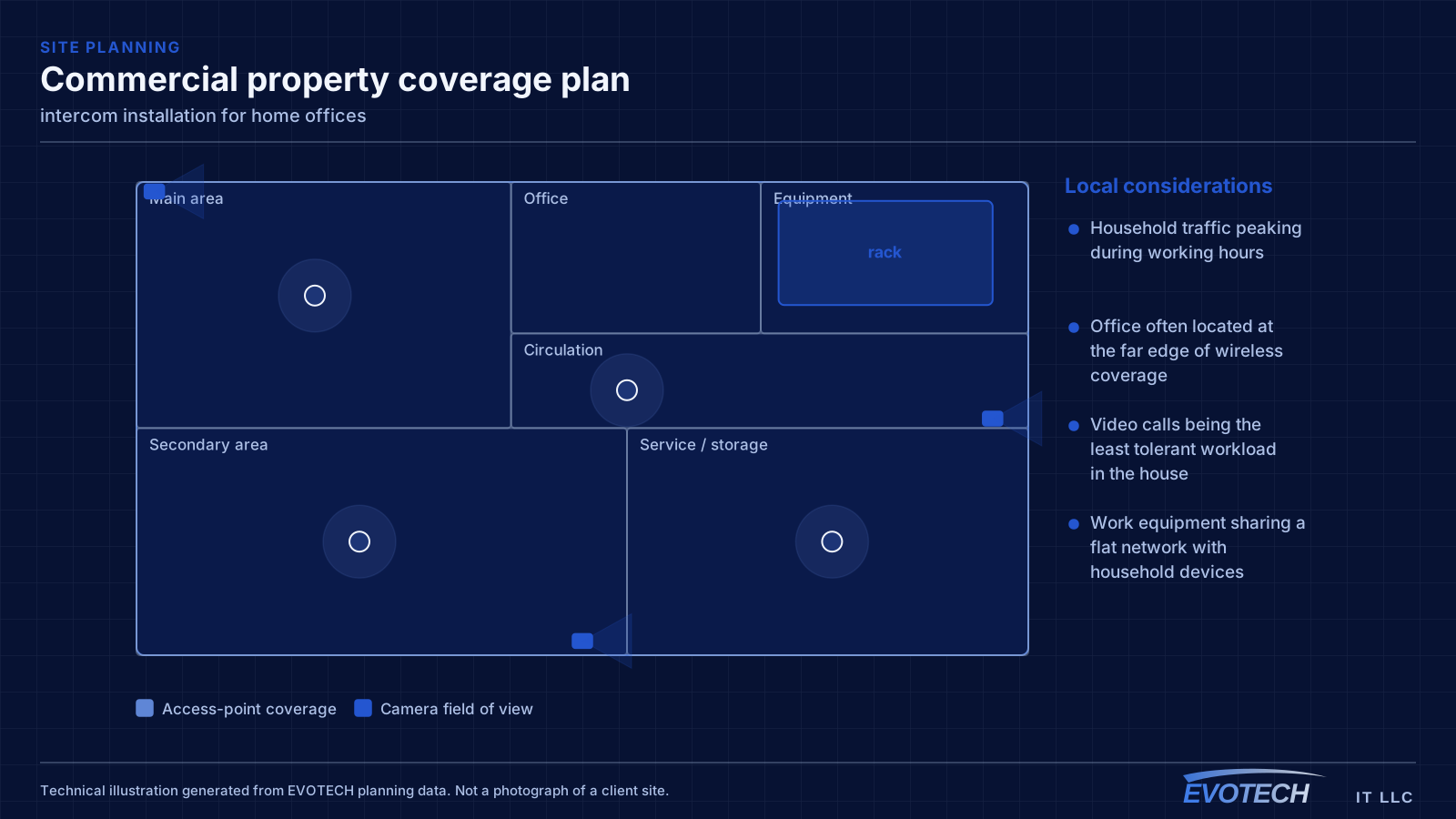
- Household traffic peaking during working hours
- Office often located at the far edge of wireless coverage
- Video calls being the least tolerant workload in the house
- Work equipment sharing a flat network with household devices
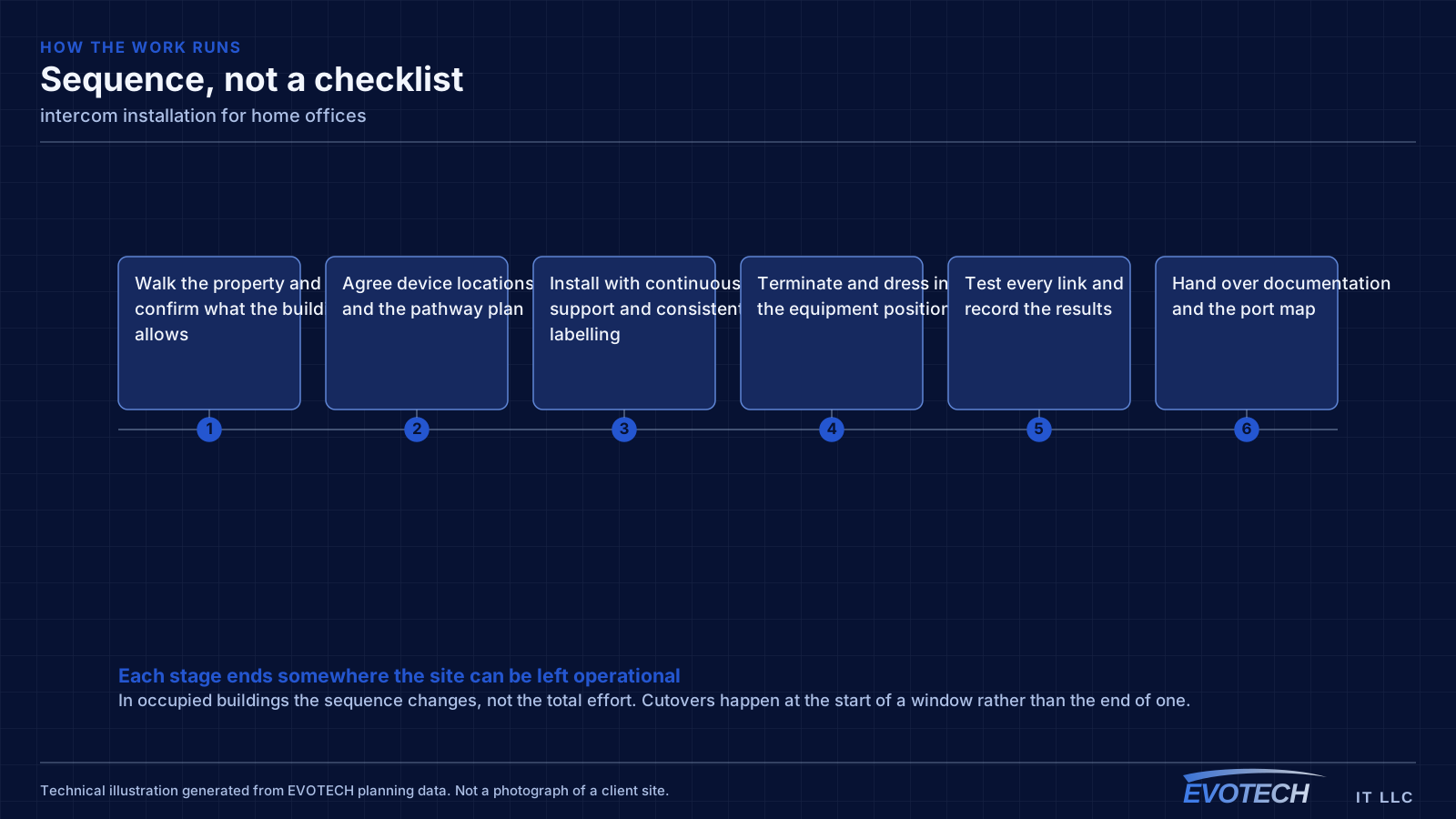
What intercom installation usually involves
The most common problem is intelligibility rather than video. Entry stations sit outdoors near traffic, air-conditioning units, and hard reflective surfaces, and a station positioned without regard to that produces audio nobody can understand. Placement away from noise sources and out of direct wind exposure does more than any setting.
The second is exposure. An entry station on a west-facing wall in this climate takes sustained afternoon sun and heat, and a gate station takes driven rain. Stations installed without appropriate rating or without a hood weather badly, and the failure shows up as a dead station months later.
- Entry-station audio degraded by traffic, mechanical noise, or wind
- Camera at the station backlit by afternoon sun or a bright background
- Stations exposed to driven rain or sustained direct sun without protection
- Long gate runs with power and network reach not planned for
- Door release wired without regard to egress requirements
- No answering point where people actually are during the day
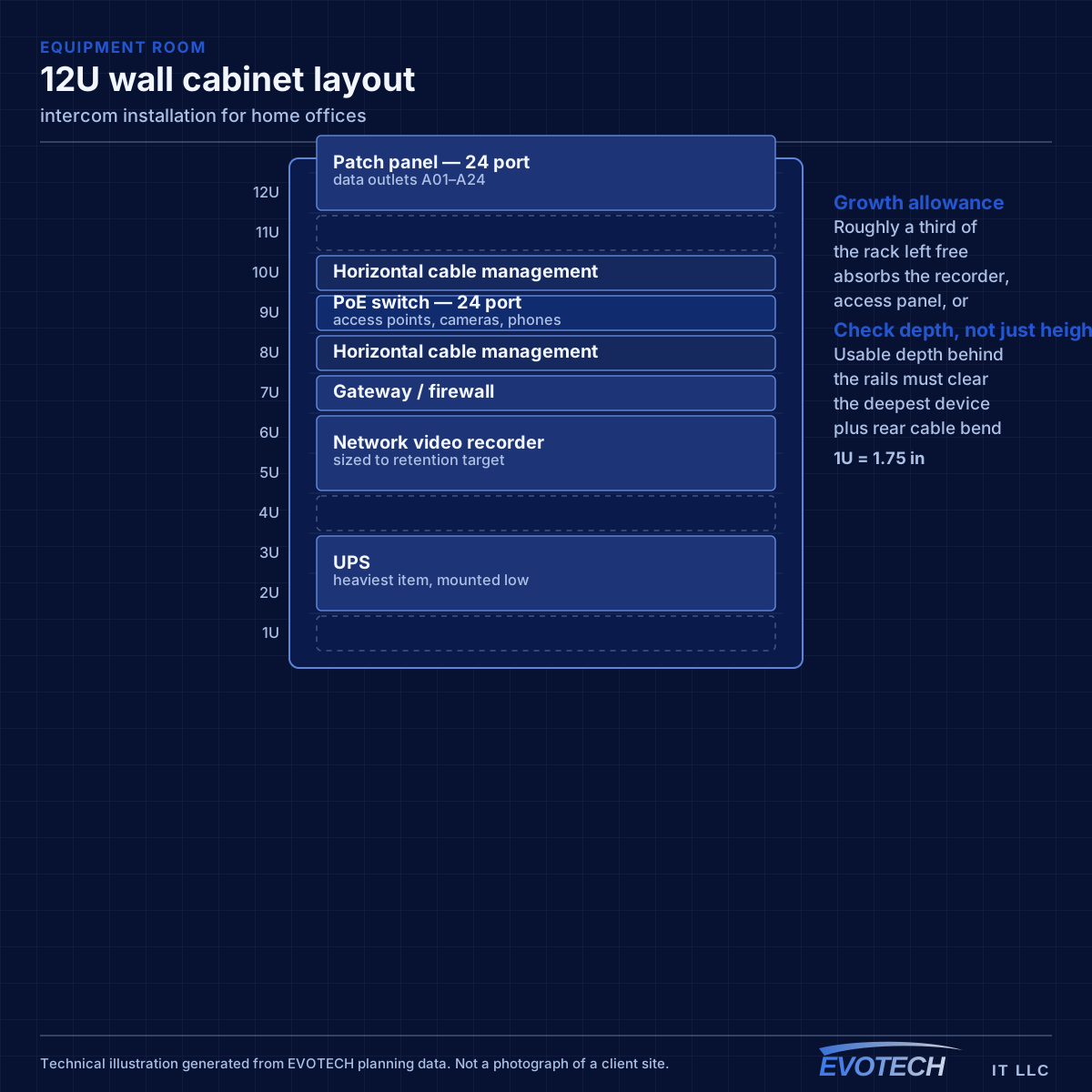
The single cable that fixes most of it
A wired connection to the desk eliminates the variables that cause most home-office call problems: signal strength, interference from neighbouring networks, and contention with household devices for airtime. In slab-foundation construction the run typically goes up into the attic and down an interior wall, which is why the destination wall matters more than the distance.
Where the office must stay wireless, the fix is placement rather than power. An access point in the hallway near the office, mounted on the ceiling and connected by cable, serves the room far better than a more powerful router at the other end of the house. Turning up transmit power on a distant router mostly raises interference.
Separation is worth doing even at home. A separate network for work equipment, distinct from household devices and from guests, limits what a compromised household device can reach. This is straightforward on most current equipment and costs nothing but configuration.
- Wired run to the desk as the highest-value single change
- Access point placed near the office rather than more power from a distant router
- Attic-to-interior-wall routing in slab-foundation homes
- Separate network segment for work equipment
- Stationary household devices wired to free up airtime
Station placement, release wiring, and getting to the gate
Entry stations should sit at a height that frames a standing adult's face, sheltered where possible, and away from the loudest nearby sources. A recessed or hooded mount helps with both sun and rain. Where the station faces west, a hood is close to essential in this climate.
- Mount stations at face height, sheltered, and away from noise sources
- Hood or recess west-facing and rain-exposed stations
- Coordinate door release with egress requirements and any access-control system
- Plan gate runs as outdoor installations with conduit and surge protection
- Place answering points where people actually are, including mobile answering where useful
- Confirm network reach and power at the entry position before committing
Frequently asked questions
What changes about intercom installation in home offices?
The operating environment does. Home offices bring specific constraints — how the space is used, when work can happen, and what has to keep running — and those shape the intercom installation plan as much as the service's own technical requirements.
Can an intercom release the door as well as show who is there?
Yes, and that is usually the point. The release is wired to the door's lock hardware, and the choice of lock determines power-loss behaviour. Where the door is also part of an access-control system, the two should be coordinated so the release is logged and the systems do not conflict over the same hardware.
Why do work calls degrade in the afternoon?
Usually contention. Household demand rises when people are home, and if the office is on wireless it competes both for the internet circuit and for airtime on the same radio channel. A wired connection to the desk removes the airtime half of that immediately, which is why it is the first thing worth doing.