

Why this page exists
Low-voltage installation in Tomball is scoped around the same physical realities EVOTECH weighs everywhere — but read through Tomball's specific conditions: a historic small-town core with masonry buildings and limited pathway. This page pairs what the service actually involves with what the Tomball market changes about it.
Low-voltage work covers the systems that run on cable rather than mains power: data, wireless, cameras, door access, intercoms, and audio-visual. In a new build or a fit-out these systems share pathways, share an equipment position, and increasingly share a network — so planning them together during rough-in costs far less than adding each one separately after the walls close.
What low-voltage installation usually involves
The characteristic problem is systems planned in isolation. Cameras get specified after the ceiling closes, so their cable runs surface-mount. The access-control panel arrives with no allocated space in the equipment room. The AV system needs a run to a wall the network design never considered. Each individually is a small compromise; together they produce a building where nothing is quite where it should be.
The second problem is pathway conflict. Low voltage shares ceiling space with mechanical, electrical, plumbing, and fire protection, and the low-voltage trade is usually last in. Pathways claimed early are pathways available; pathways assumed are frequently full by the time anyone arrives.
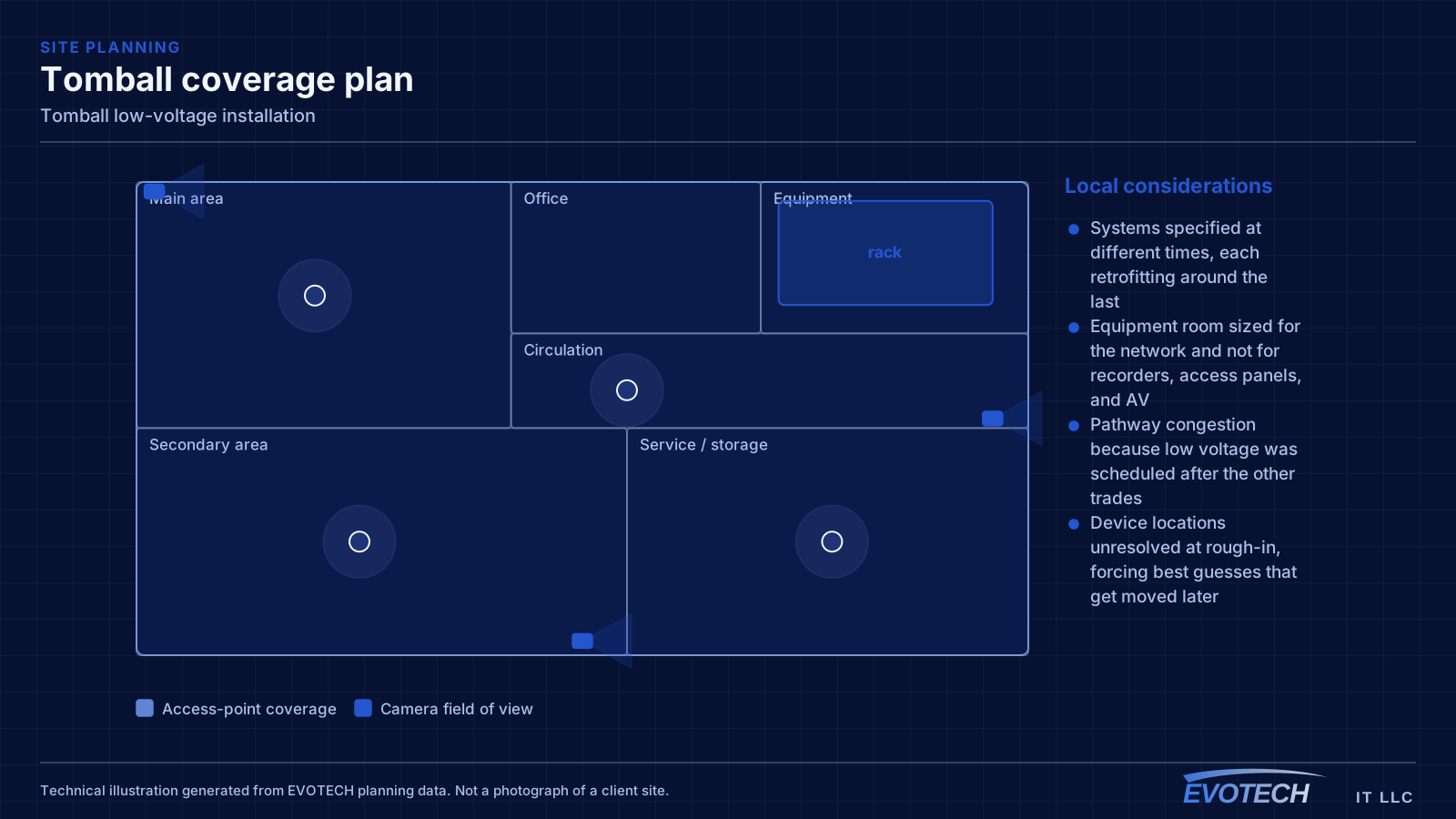
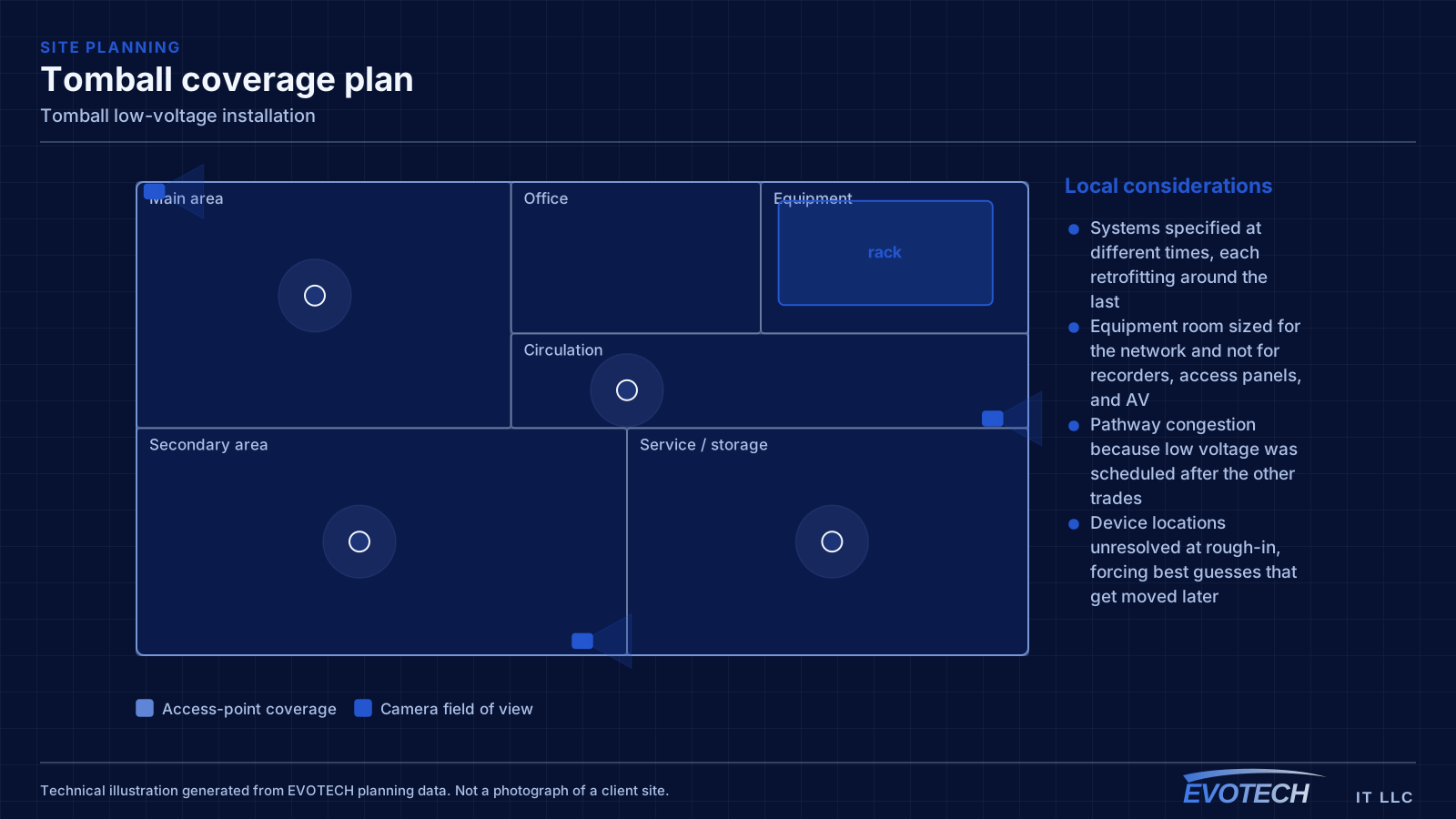
- Systems specified at different times, each retrofitting around the last
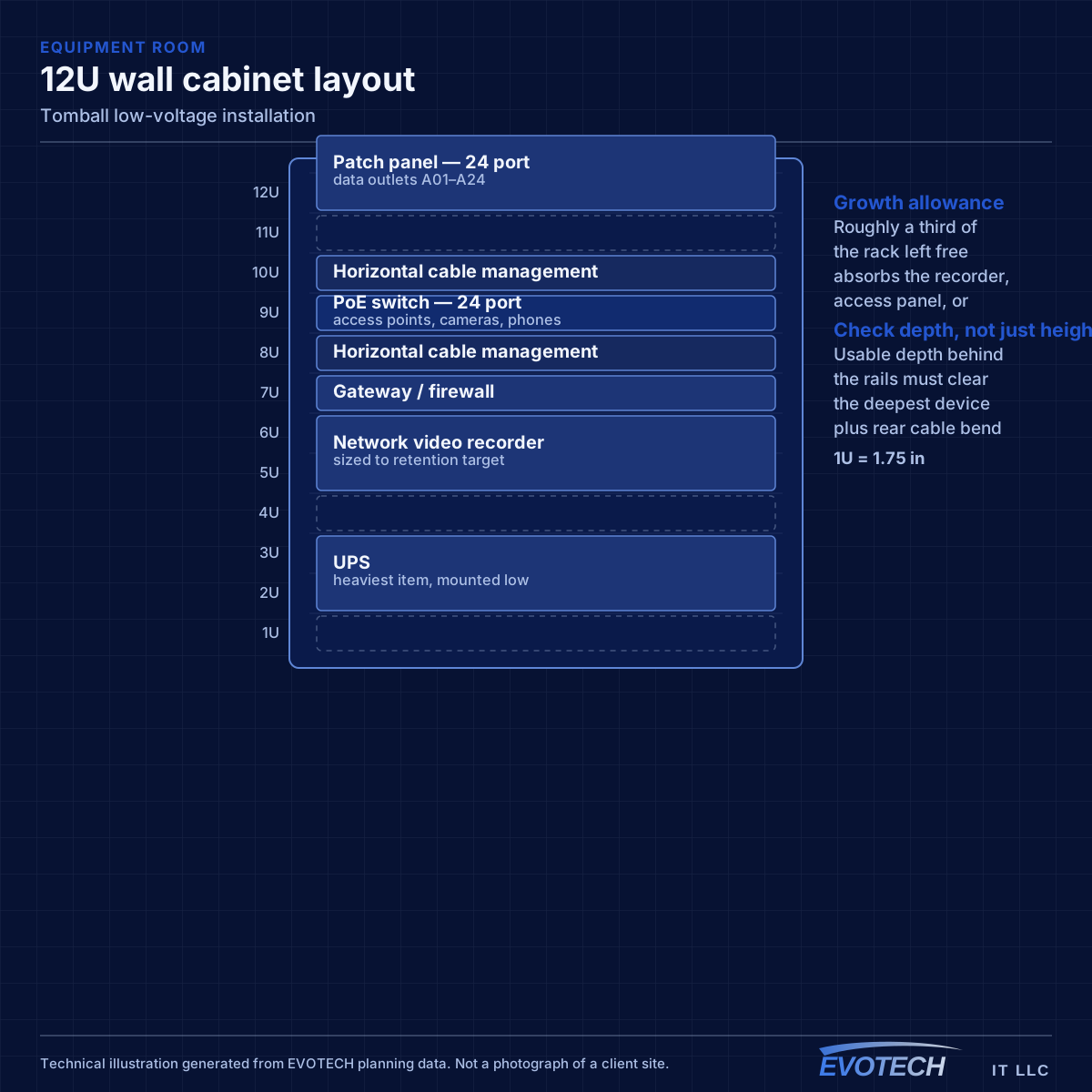
- Equipment room sized for the network and not for recorders, access panels, and AV
- Pathway congestion because low voltage was scheduled after the other trades
- Device locations unresolved at rough-in, forcing best guesses that get moved later
- Fire-rated penetrations made without proper sleeving and firestopping
- Rough-in complete but the finish scope unscheduled, leaving cable coiled in walls for months
Tomball property conditions that change the plan
Newer retail and medical space is comparatively straightforward — accessible grid and usable pathway — while the historic core is masonry with hard ceilings that often need new containment. Medical buildouts add controlled areas and camera boundaries.
Larger properties on the outskirts introduce distance: outbuildings and detached structures that may exceed copper reach and, between separately grounded buildings, warrant fiber.
Newer commercial uses existing pathway; the historic core needs new containment identified at the walkthrough. Larger properties get distance checked against copper limits, with fiber where a structure sits beyond reach or is separately grounded.
- Masonry historic-core buildings with limited pathway
- Suspended-grid retail and medical buildouts
- Controlled areas in medical suites
- Larger properties with outbuildings and longer runs
- Slab-foundation residential
- Existing pathway used where newer construction allows
- New containment for masonry historic-core buildings
- Controlled-area and camera boundaries for medical suites
- Distance checked against the 100 m limit on larger properties
- Fiber to detached or separately grounded structures
Getting low-voltage installation done in Tomball
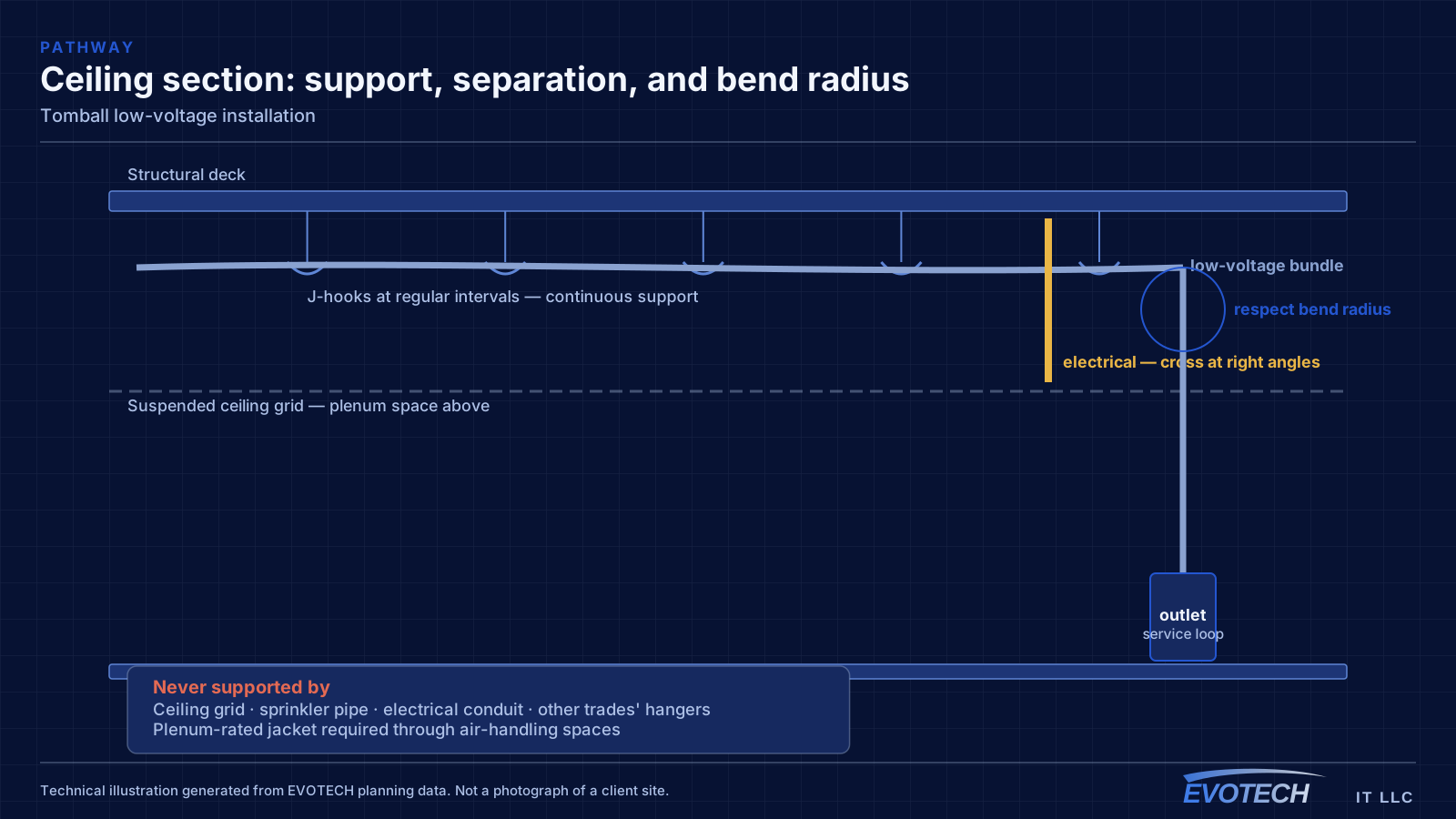
Pathway planning is the core technical activity. Low-voltage cable needs continuous support — tray, J-hooks, or conduit — at regular intervals, routed to keep separation from parallel electrical runs and to cross them at right angles where they must meet. Penetrations through fire-rated walls and floors need proper sleeves and firestopping, which is a coordination item and not an afterthought.
Commercial work fits around operating hours and tenant-improvement schedules; residential follows summer attic scheduling. Exterior equipment needs rated housings for the climate.
- Commercial work scheduled around operating hours
- Medical cutovers scheduled around clinical sessions
- Rated exterior housings and sealed penetrations
- Residential attic work scheduled early in summer
- Surge protection on between-building runs
Frequently asked questions
Does EVOTECH have an office in Tomball?
No. This is a service-area page: EVOTECH serves Tomball without claiming a physical office there. The wording stays as coverage, not a location claim.
When should low-voltage work happen in a construction schedule?
Rough-in sits after electrical and framing and before insulation and drywall. Finish work — terminations, device mounting, and commissioning — happens after paint and ceilings. The risk is that upstream delays compress the rough-in window, so having device locations and pathway plans settled in advance is what keeps that window usable.
Does EVOTECH have an office in Tomball?
No. This site does not claim a physical office in Tomball or anywhere else. Tomball is described as a service-area market — coverage, not a location claim.