

Why this page exists
Low-voltage installation in West University Place is scoped around the same physical realities EVOTECH weighs everywhere — but read through West University Place's specific conditions: dense established homes on small residential lots. This page pairs what the service actually involves with what the West University Place market changes about it.
Low-voltage work covers the systems that run on cable rather than mains power: data, wireless, cameras, door access, intercoms, and audio-visual. In a new build or a fit-out these systems share pathways, share an equipment position, and increasingly share a network — so planning them together during rough-in costs far less than adding each one separately after the walls close.
What low-voltage installation usually involves
The characteristic problem is systems planned in isolation. Cameras get specified after the ceiling closes, so their cable runs surface-mount. The access-control panel arrives with no allocated space in the equipment room. The AV system needs a run to a wall the network design never considered. Each individually is a small compromise; together they produce a building where nothing is quite where it should be.
The second problem is pathway conflict. Low voltage shares ceiling space with mechanical, electrical, plumbing, and fire protection, and the low-voltage trade is usually last in. Pathways claimed early are pathways available; pathways assumed are frequently full by the time anyone arrives.
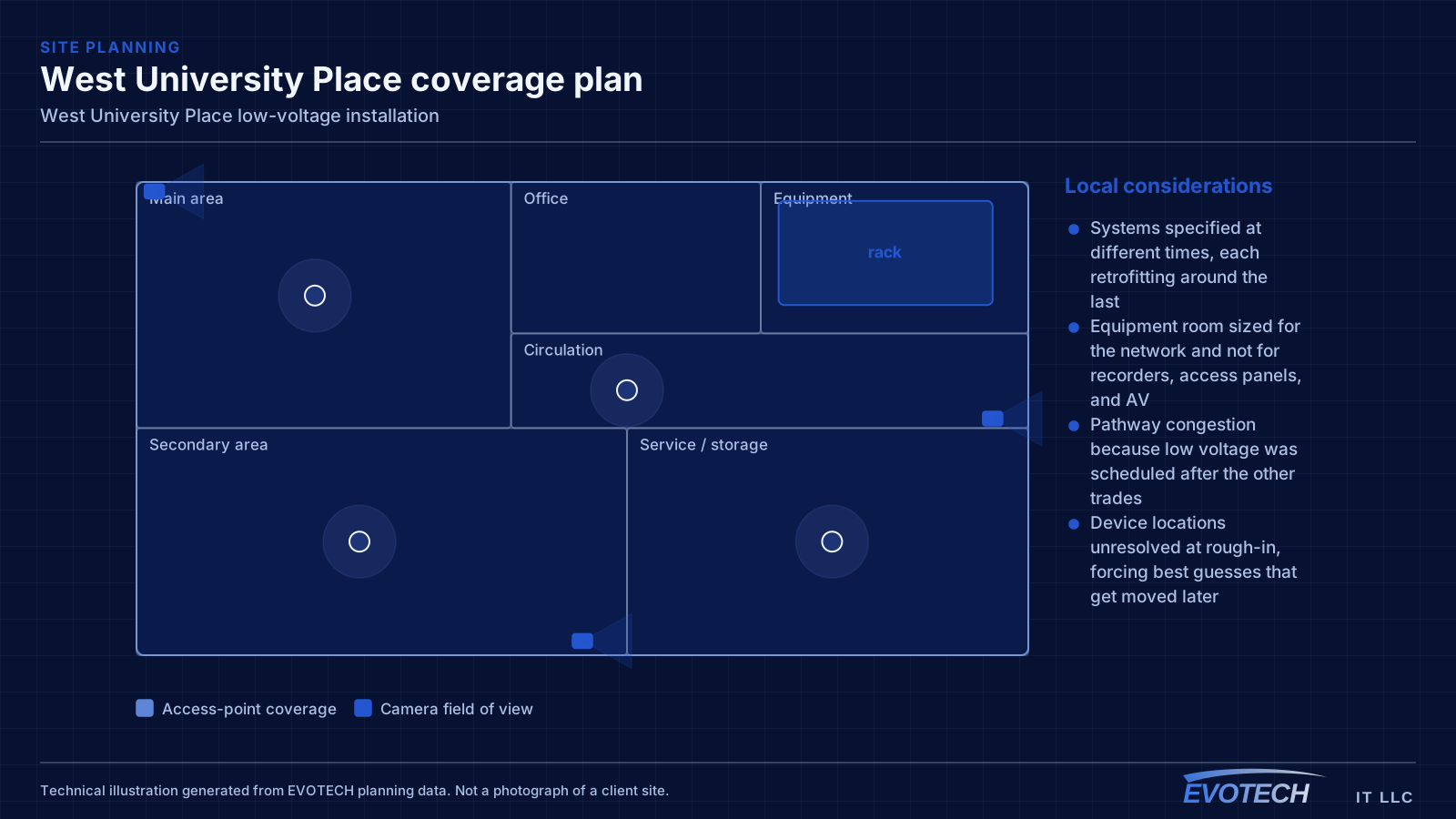
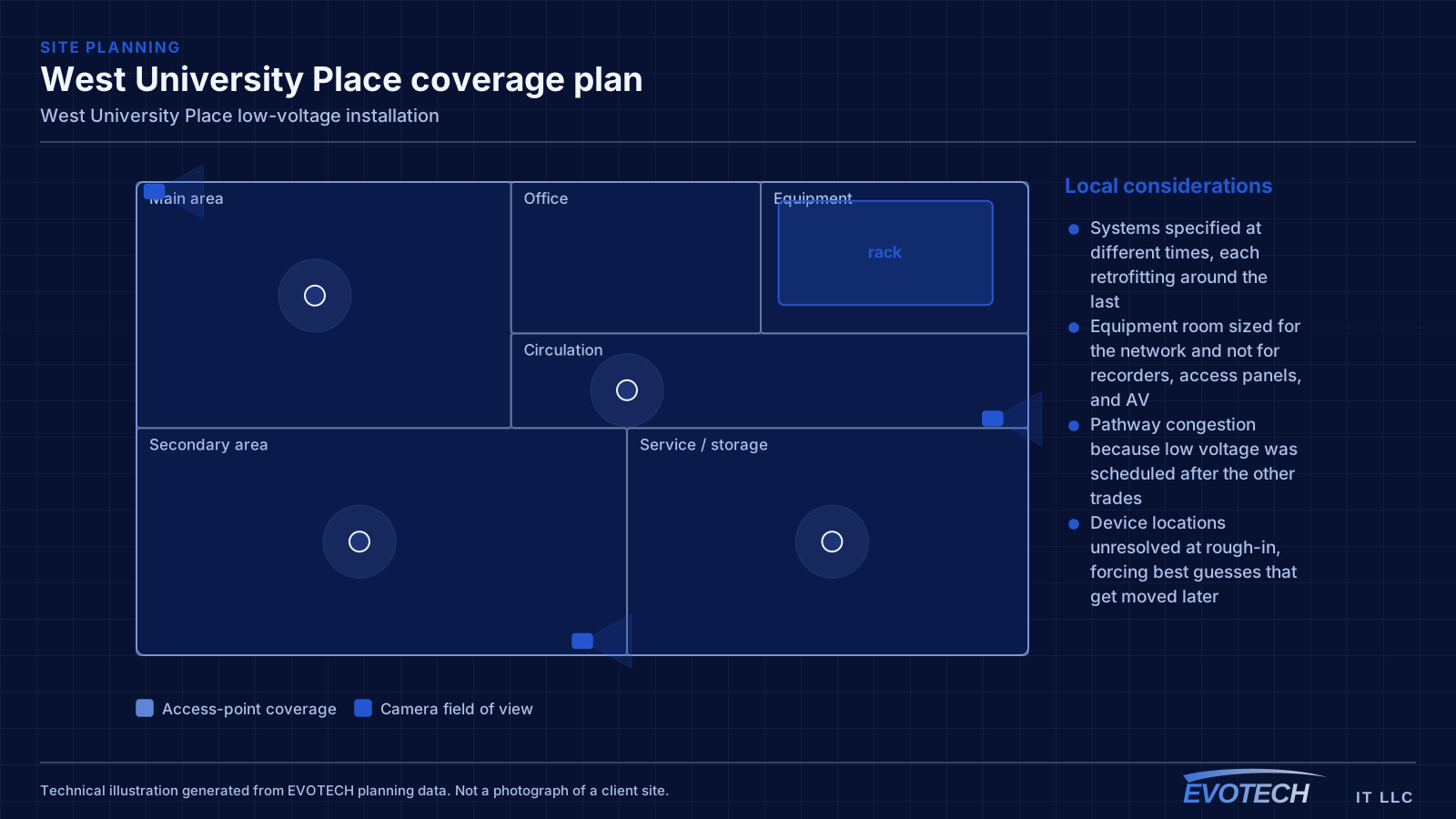
- Systems specified at different times, each retrofitting around the last
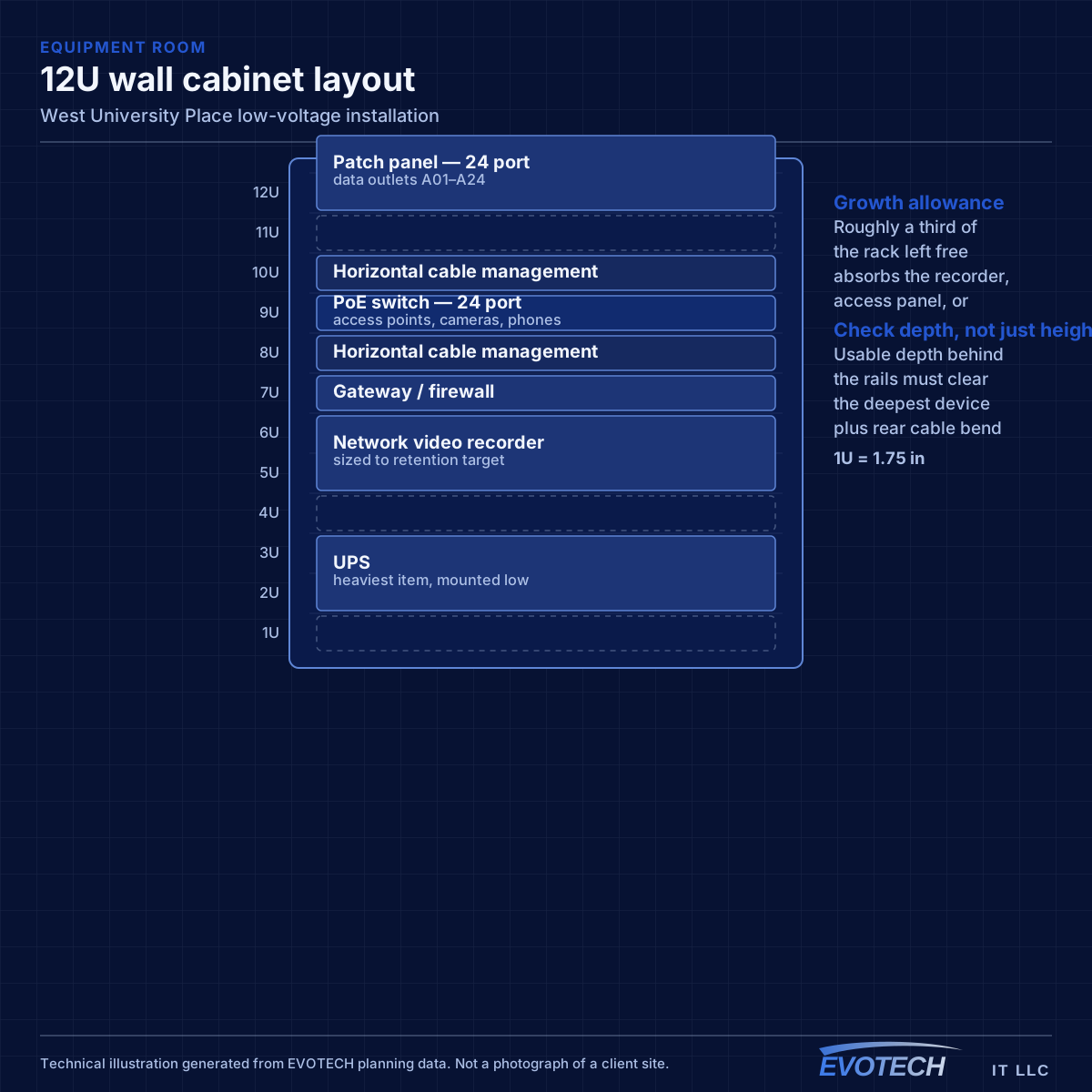
- Equipment room sized for the network and not for recorders, access panels, and AV
- Pathway congestion because low voltage was scheduled after the other trades
- Device locations unresolved at rough-in, forcing best guesses that get moved later
- Fire-rated penetrations made without proper sleeving and firestopping
- Rough-in complete but the finish scope unscheduled, leaving cable coiled in walls for months
West University Place property conditions that change the plan
The housing is a mix of long-established homes and their newer replacements, packed onto small lots. The compact footprint keeps cable runs short, but the density and finish expectations mean routing and equipment placement need care — there is less spare space to hide a network position than in a larger suburban home.
Rebuilds are the straightforward case for prewire; established homes need genuine retrofit with attention to finish.
The design accounts for where a tidy equipment position can go in a compact home, and for concealing cable in finished walls. Rebuilds get prewired; established homes are assessed for interior-wall access with finish agreed up front.
- Established homes and rebuilds on small lots
- Compact footprints with short runs
- Limited space for equipment positions
- High finish and concealment expectations
- Slab foundations with attic routing
- Equipment position identified in a compact footprint
- Attic and interior-wall routing for established homes
- Prewire for rebuilds while walls are open
- Access cuts, patching, and paint agreed in advance
- Discreet concealment given density and finish
Getting low-voltage installation done in West University Place
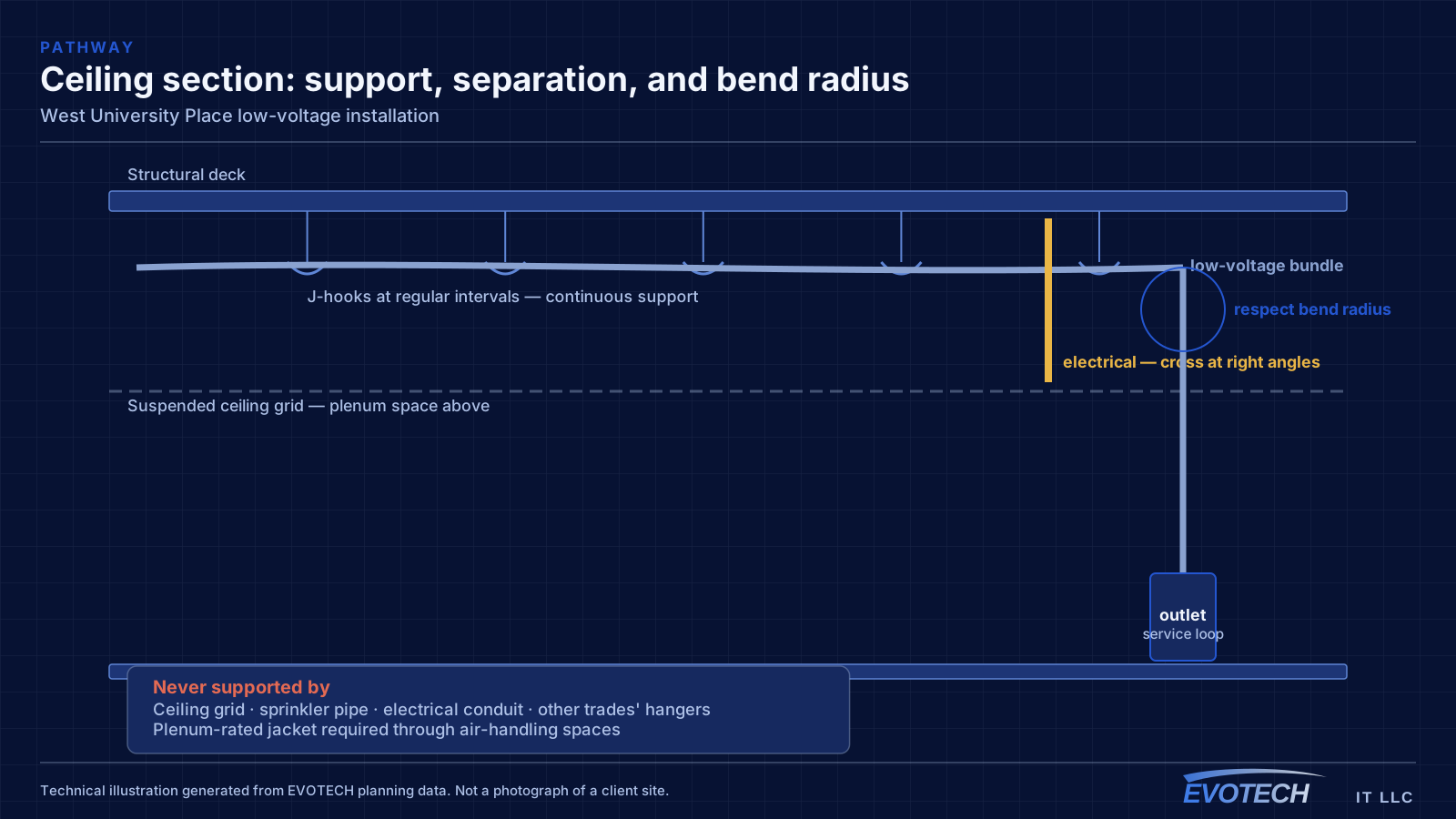
Pathway planning is the core technical activity. Low-voltage cable needs continuous support — tray, J-hooks, or conduit — at regular intervals, routed to keep separation from parallel electrical runs and to cross them at right angles where they must meet. Penetrations through fire-rated walls and floors need proper sleeves and firestopping, which is a coordination item and not an afterthought.
Occupied-home practice with careful finish applies, and summer attic scheduling. Working on small, close lots also means being mindful of access and neighbouring properties.
- Dust control and furniture protection in occupied homes
- Attic work scheduled early in summer heat
- Careful finish and reinstatement
- Mindful access on small, close lots
- Equipment placed for ventilation despite tight space
Popular services nearby
Frequently searched near this area — the pages people look for most.
Frequently asked questions
Does EVOTECH have an office in West University Place?
No. This is a service-area page: EVOTECH serves West University Place without claiming a physical office there. The wording stays as coverage, not a location claim.
When should low-voltage work happen in a construction schedule?
Rough-in sits after electrical and framing and before insulation and drywall. Finish work — terminations, device mounting, and commissioning — happens after paint and ceilings. The risk is that upstream delays compress the rough-in window, so having device locations and pathway plans settled in advance is what keeps that window usable.
Does EVOTECH have an office in West University Place?
No. This site does not claim a physical office in West University Place or anywhere else. West University Place is described as a service-area market — coverage, not a location claim.