
Why this page exists
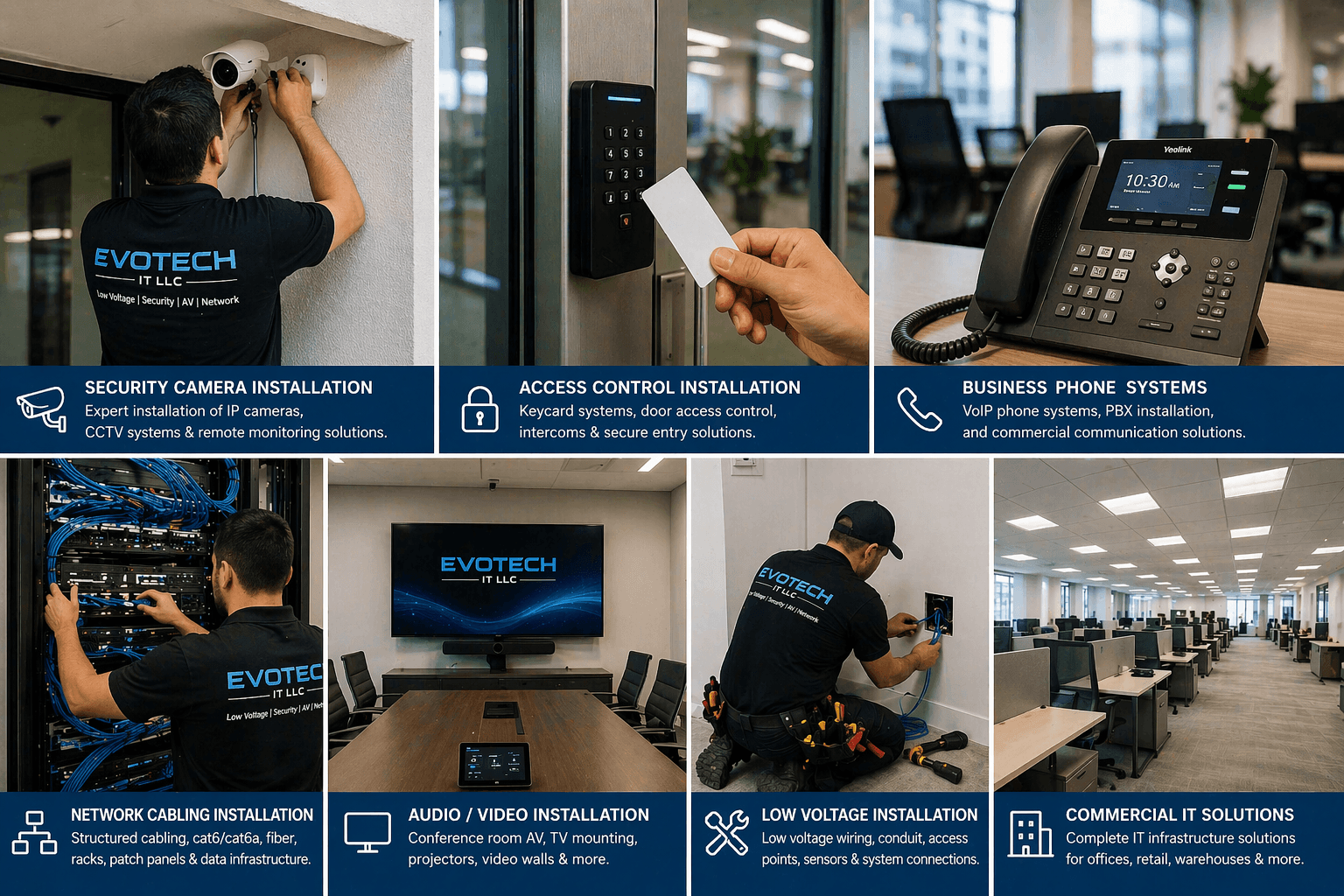
Stafford fits a commercial-IT page because its warehouse and light-industrial base combines large footprints, metal construction, and mixed office-plus-operational space — exactly the conditions where systems bought separately fragment and a coordinated backbone pays off.
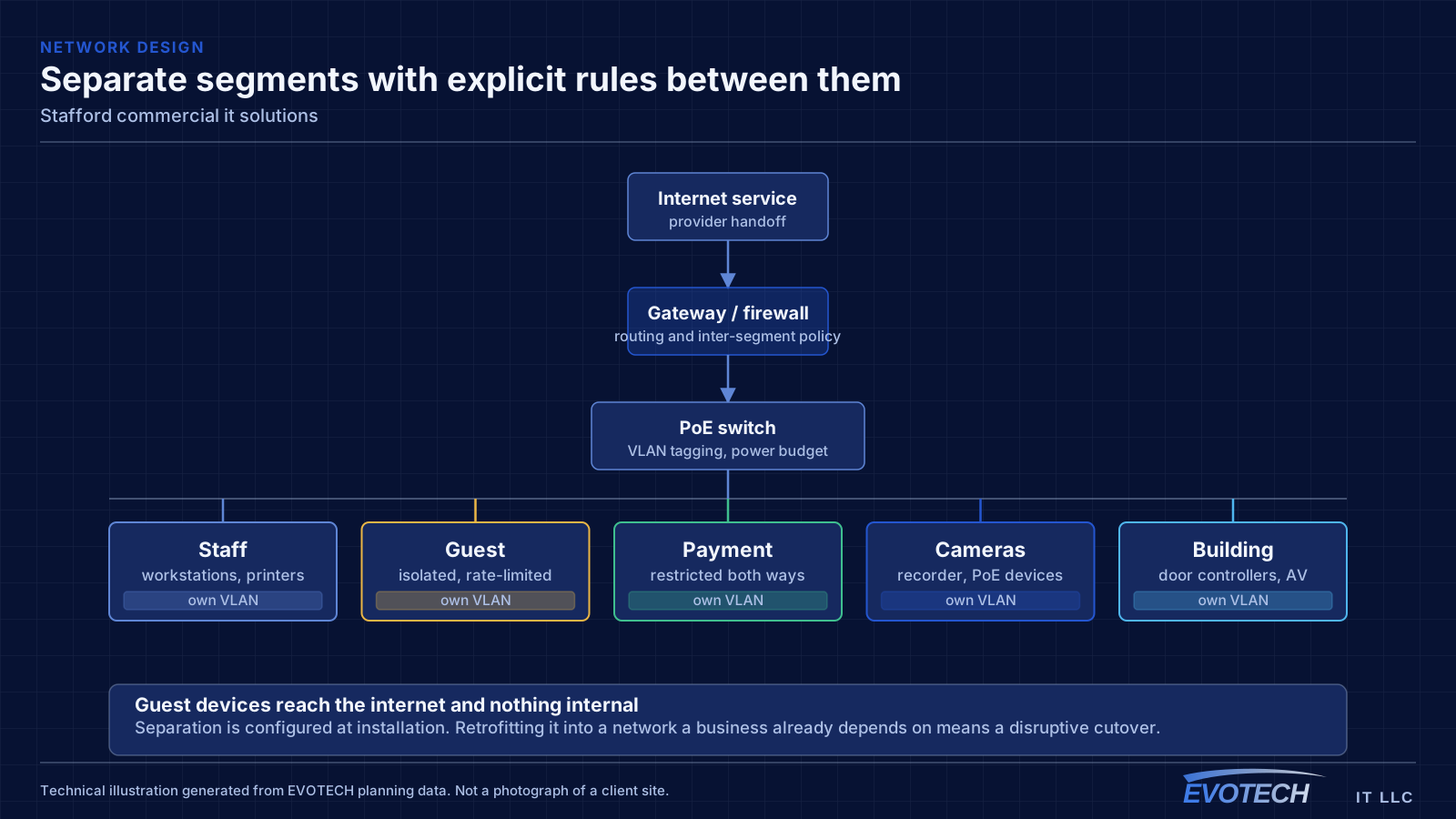
A Stafford warehouse or showroom does not need a network, then cameras, then phones each bought separately onto a flat network. It needs one shared backbone and managed switching that every system rides on, segmented so they share the wiring without sharing risk.
The building itself raises the stakes: large footprints often exceed copper distance from a single position, and metal construction and racking complicate coverage — both of which are far cheaper to design for once than to retrofit per system.
Designing for growth is the other Stafford-specific decision: warehouse and flex tenants expand, add lines, and reconfigure floor space, so spare cabling, switch ports, and PoE budget mean the next camera or workstation is an addition rather than a rebuild of infrastructure sized exactly to the day it went in.
Designing a Stafford building as one system
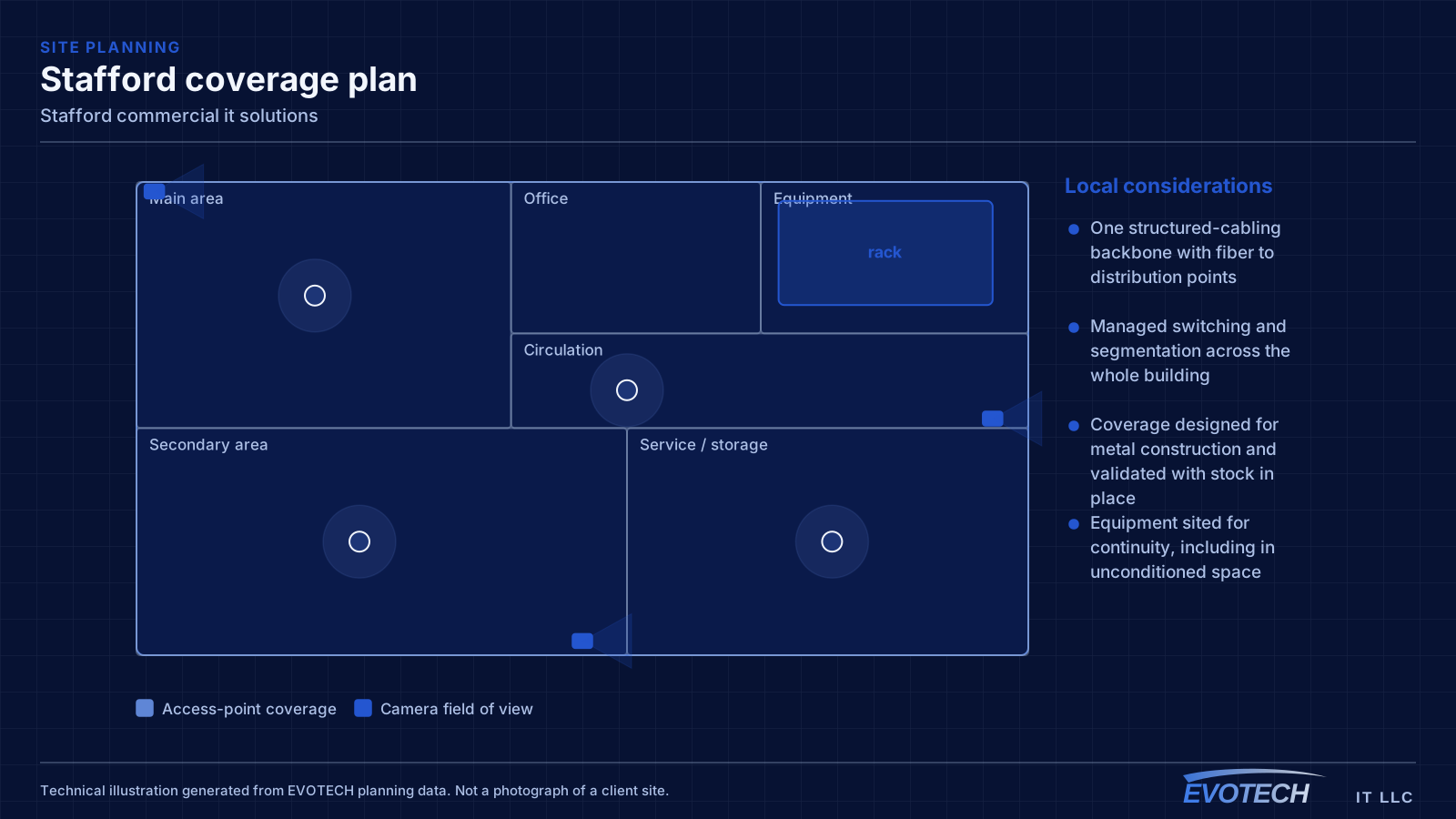
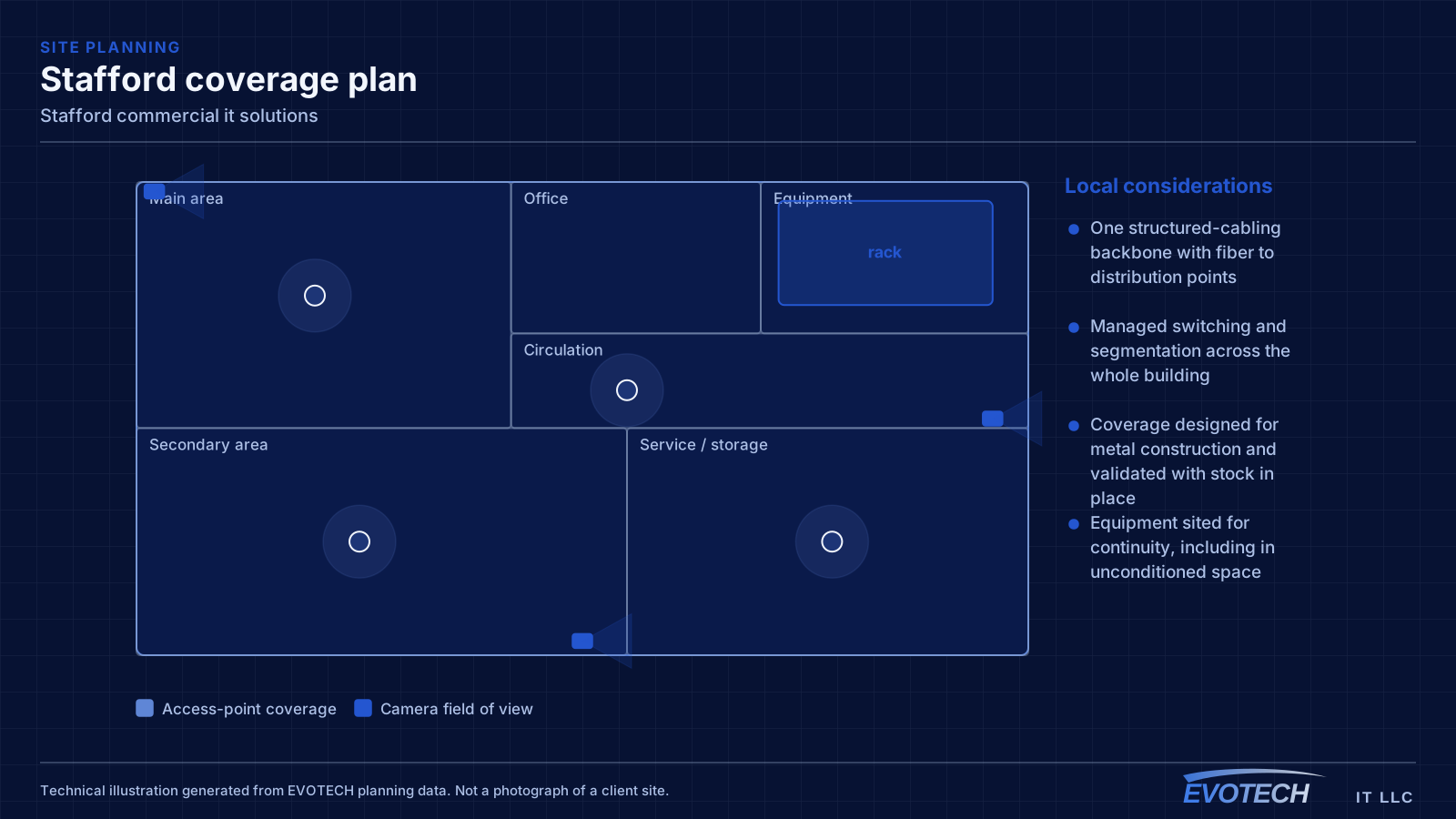
A coordinated design starts from a single structured-cabling backbone with fiber to intermediate distribution points where the footprint exceeds copper reach, and managed switching every system rides on.
Segmentation keeps office, operations, cameras, and phones apart at the network level, and the equipment room is sited and protected for continuity — including in the unconditioned areas metal buildings often have.
- One structured-cabling backbone with fiber to distribution points
- Managed switching and segmentation across the whole building
- Coverage designed for metal construction and validated with stock in place
- Equipment sited for continuity, including in unconditioned space
- Spare cabling, ports, and PoE budget for growth
Planning the programme
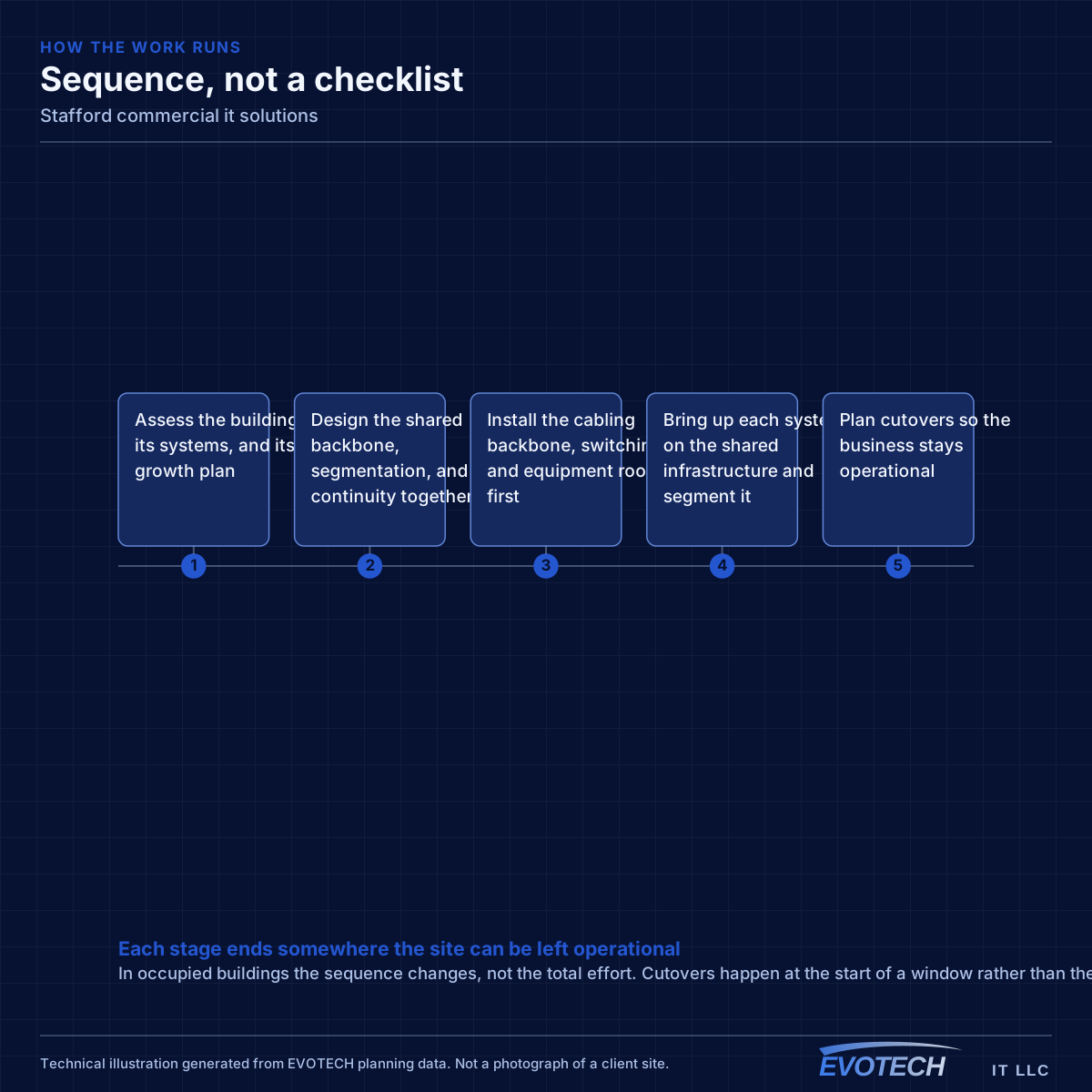
The project is run as one coordinated programme from assessment through cutover, so the systems land on infrastructure that anticipated them rather than as separate retrofits.
- Assess the building, its systems, and its growth plan
- Design the shared backbone, segmentation, and continuity together
- Install the cabling backbone, switching, and equipment room first
- Bring up each system on the shared infrastructure and segment it
- Plan cutovers so the business stays operational
Working in a Stafford facility
High-level work needs lift access and clear floor space coordinated with operations, and equipment in unconditioned areas is sited in the office space or a filtered enclosure to survive the environment.
- Lift access coordinated with operations for high-level work
- Equipment sited in conditioned space or a filtered enclosure
- Pathways routed clear of forklift and racking impact zones
- Coverage validated with racking stocked, not empty
- One accountable support path handed over with documentation
Frequently asked questions
How is this different from hiring separate installers?
Coordination and accountability. Separate installers each optimise their own system, which is how a building ends up with everything on one flat network and no one able to say why something does not work. A coordinated design puts every system on shared, segmented infrastructure with one accountable party — usually cheaper over the life of the fit-out, not just simpler.
How do you cover a large metal warehouse reliably?
With a fiber backbone to intermediate distribution points where the footprint exceeds the 100-metre copper limit, and coverage designed for metal construction and validated with the racking stocked. Metal reflects and stock absorbs signal, so a design based on an empty building does not hold — validation under real conditions is what makes it reliable.
Can you handle our relocation without losing days?
The goal is minimal downtime, achieved by building and testing the new site's infrastructure ahead of the move, bringing systems over in a planned sequence, and timing the switch-over so the business is operational when it opens. Phone numbers depend on carrier timelines that are planned around rather than promised to the hour.