
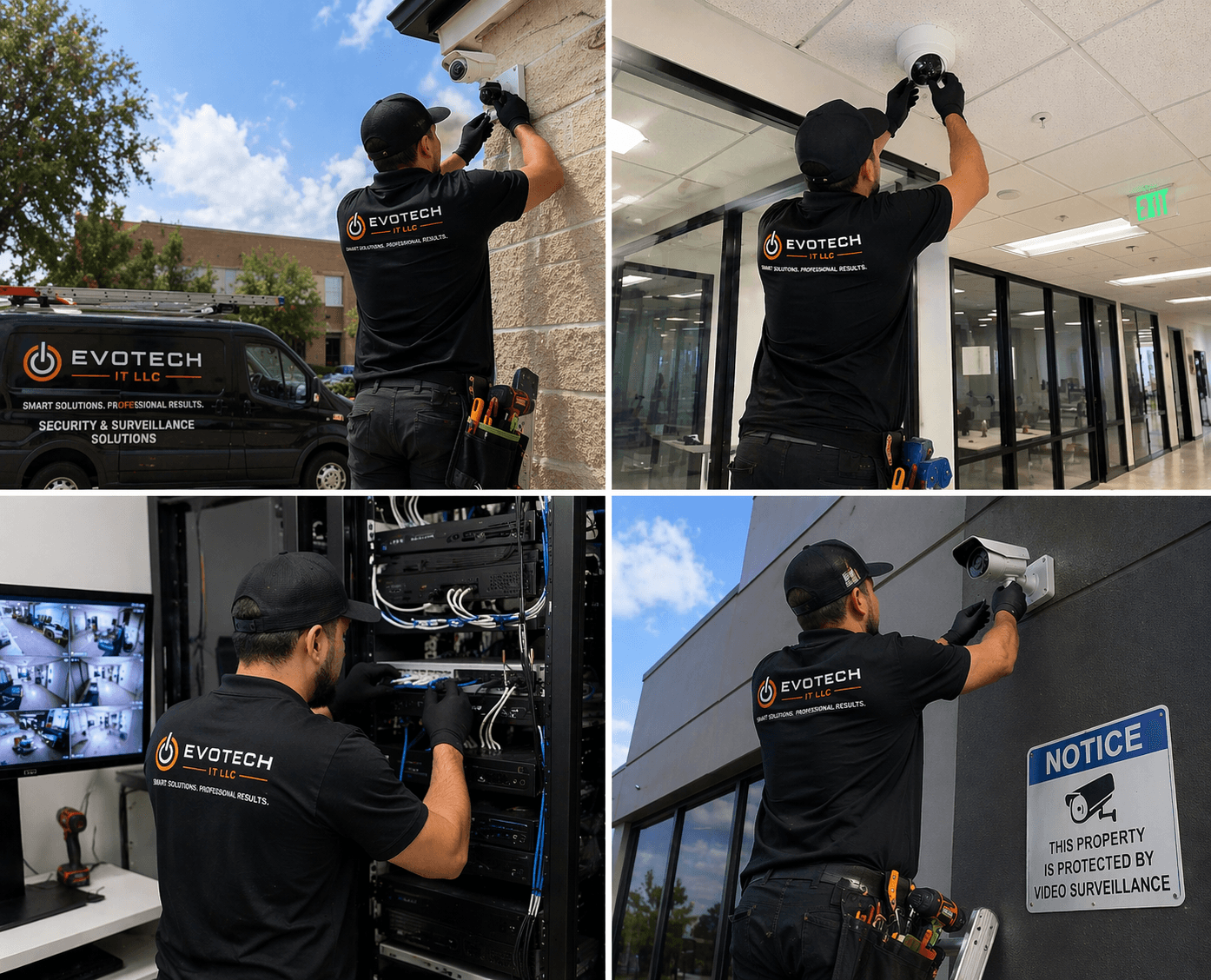
Why this page exists
Intercom installation in Katy is scoped around the same physical realities EVOTECH weighs everywhere — but read through Katy's specific conditions: housing stock skewed toward newer, larger single-family construction with wide floor plans that exceed single-router coverage. This page pairs what the service actually involves with what the Katy market changes about it.
An intercom connects an entry station to one or more answering points, so someone inside can see and speak to a visitor and release the door or gate without walking to it. The design work is deciding where the answering points are, whether they are physical stations or applications on phones, and how the door release is wired.
What intercom installation usually involves
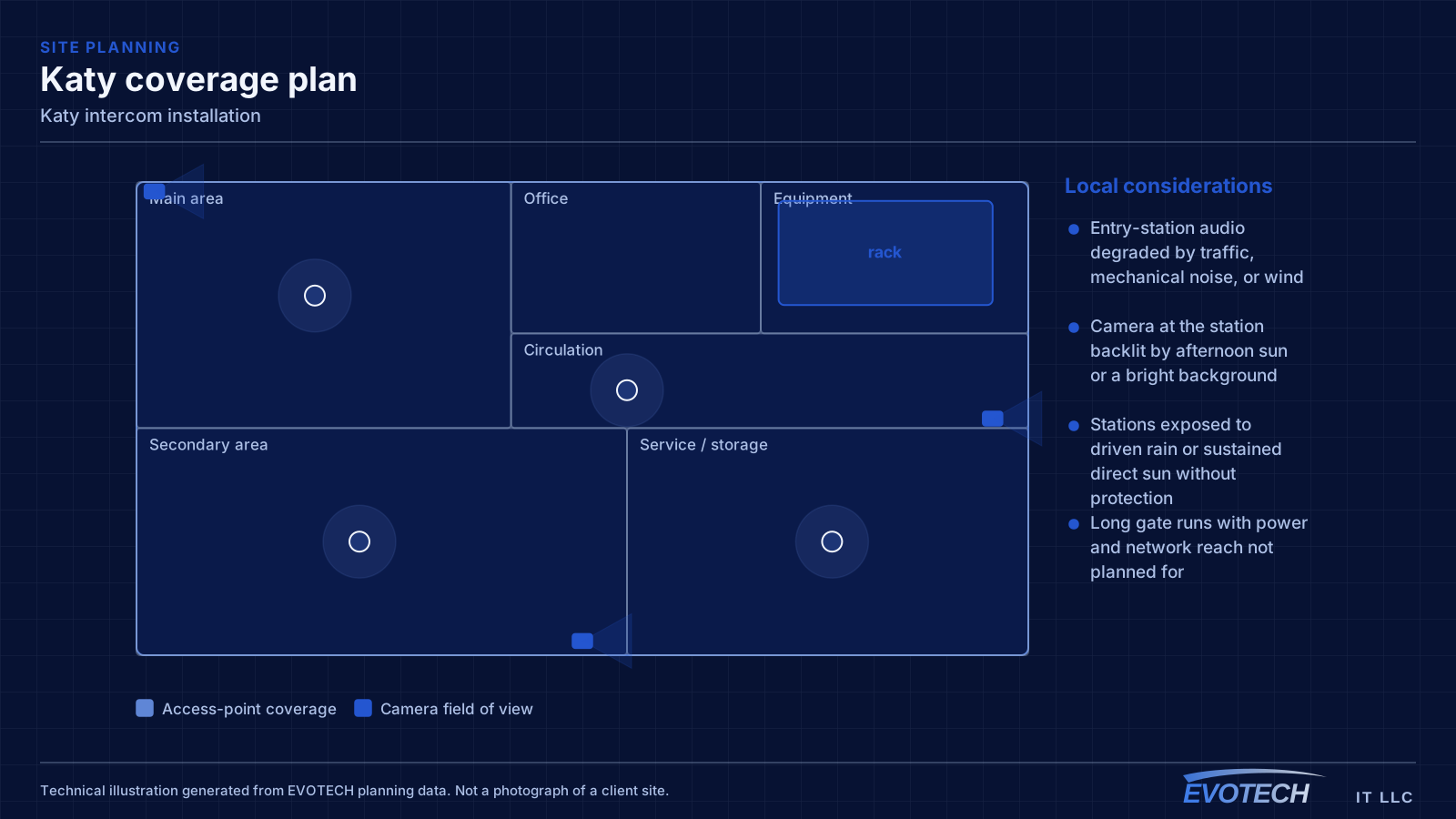
The most common problem is intelligibility rather than video. Entry stations sit outdoors near traffic, air-conditioning units, and hard reflective surfaces, and a station positioned without regard to that produces audio nobody can understand. Placement away from noise sources and out of direct wind exposure does more than any setting.
The second is exposure. An entry station on a west-facing wall in this climate takes sustained afternoon sun and heat, and a gate station takes driven rain. Stations installed without appropriate rating or without a hood weather badly, and the failure shows up as a dead station months later.
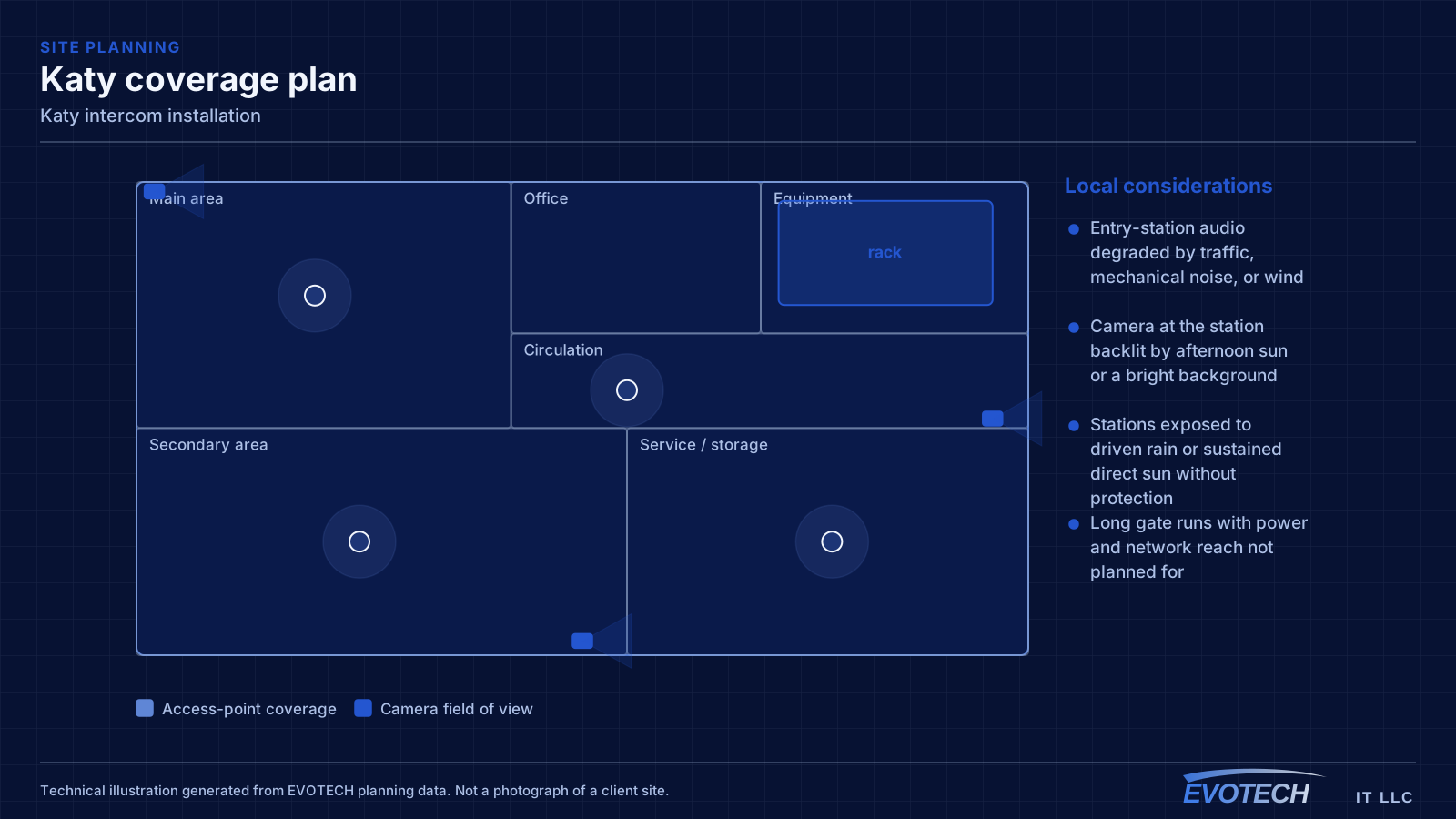
- Entry-station audio degraded by traffic, mechanical noise, or wind
- Camera at the station backlit by afternoon sun or a bright background
- Stations exposed to driven rain or sustained direct sun without protection
- Long gate runs with power and network reach not planned for
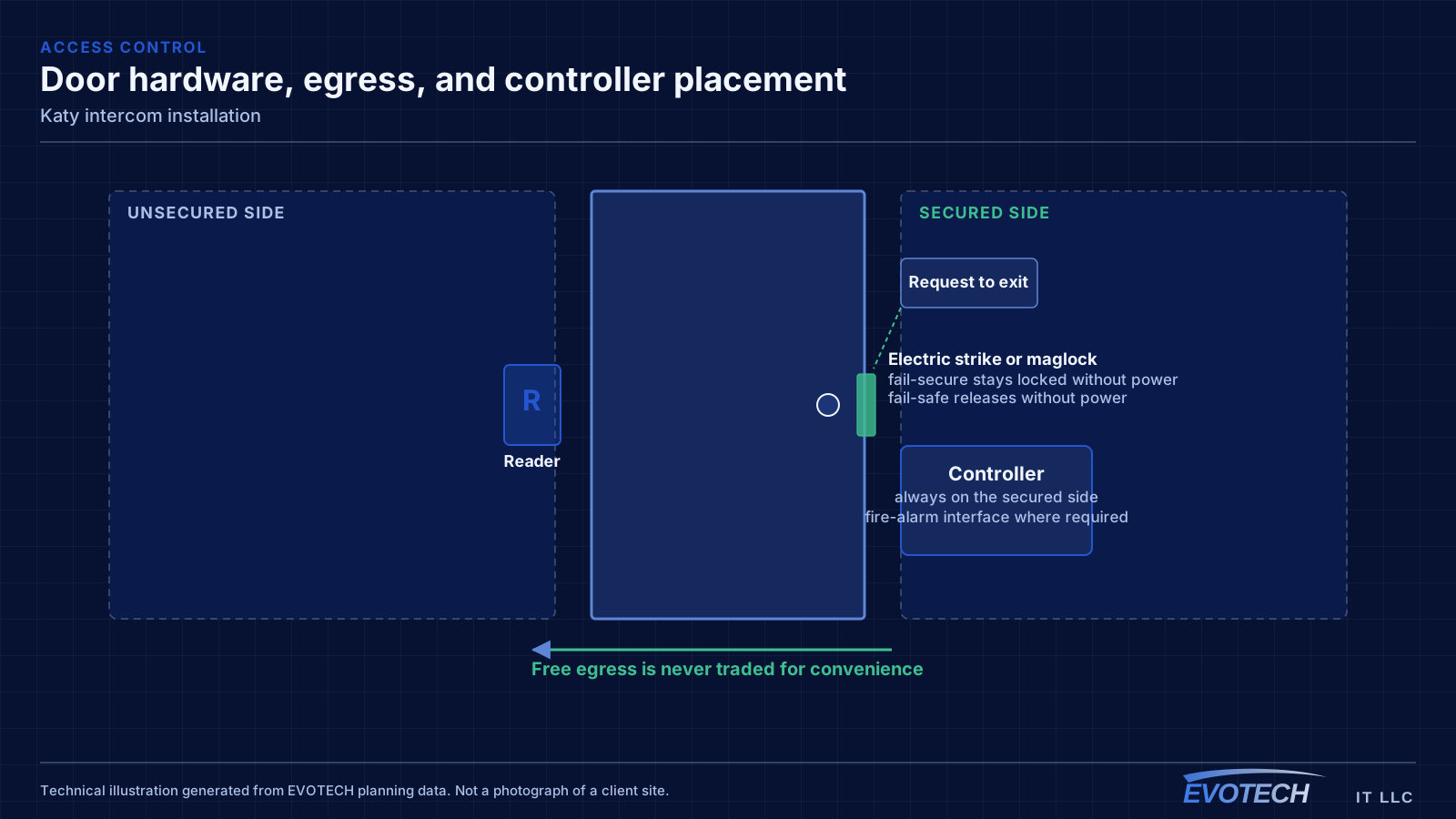
- Door release wired without regard to egress requirements
- No answering point where people actually are during the day
Katy property conditions that change the plan
The characteristic Katy residential project involves a house with more area than a single wireless position can cover and an equipment location chosen by the builder for cable convenience rather than for coverage. A media panel in the garage is a fine place to terminate cable and a poor place to originate a wireless signal from.
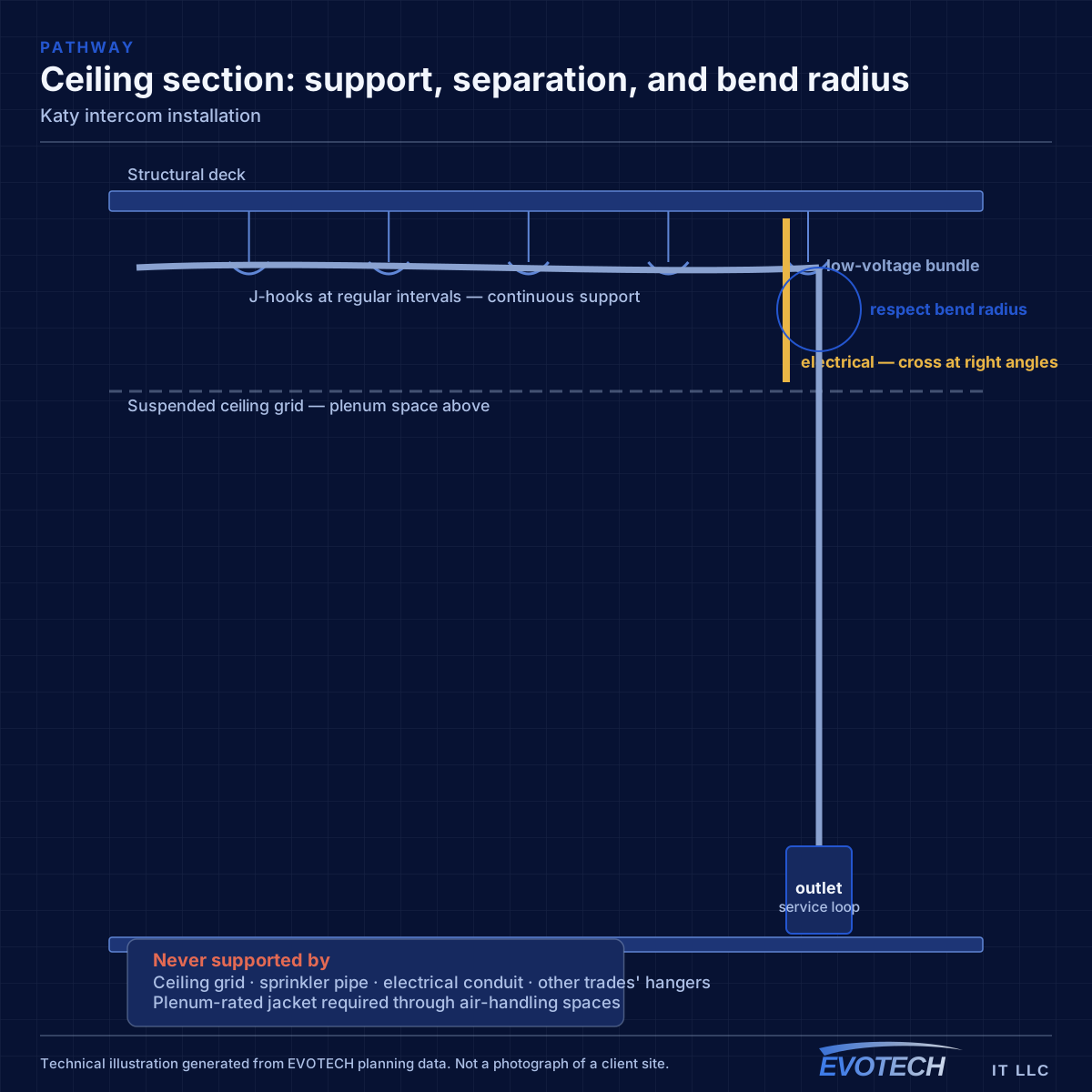
The useful consequence is that the cable often already exists. Builder-installed runs to bedrooms and living areas can frequently be repurposed — tested, re-terminated where necessary, and patched into a proper switch — which reduces the work to adding the runs that are genuinely missing, usually ceiling positions for access points.
The work divides into three parts. First, establish what the builder actually installed and whether it tests clean — a panel full of terminated cable is only useful if the runs are sound and land somewhere helpful. Second, decide where the access points need to be, which in a wide floor plan usually means two or three central ceiling positions rather than one. Third, sort out the equipment position, which often means adding a switch at the panel and sometimes relocating the primary equipment somewhere with ventilation.
- Wide single- and two-storey floor plans exceeding single-position coverage
- Media panels commonly in garages or perimeter utility spaces
- Builder cable frequently reusable after testing and re-termination
- Ceiling access-point positions usually absent and needing to be added
- Attic access generally good, making added runs straightforward
- Test and inventory existing builder-installed cable before planning new runs
- Two or three central ceiling positions rather than one high-power router
- Switch and equipment provision at the media panel
- Consider relocating primary equipment where the panel has no ventilation
- Outdoor coverage for patios and detached structures planned separately
Getting intercom installation done in Katy
Entry stations should sit at a height that frames a standing adult's face, sheltered where possible, and away from the loudest nearby sources. A recessed or hooded mount helps with both sun and rain. Where the station faces west, a hood is close to essential in this climate.
Attic access in this housing stock is generally good, which makes added runs comparatively efficient — the constraint is heat rather than access, so summer work is scheduled early. Garage-located media panels are frequently unconditioned, which matters for equipment placement: a switch in a hot garage cabinet has a shorter life than the same switch in a conditioned closet.
- Good attic access, with heat rather than geometry as the constraint
- Garage media panels often unconditioned, affecting equipment life
- Detached structures needing their own cable or a deliberate wireless link
- Outdoor patio coverage as a common addition
- Occupied-home working practice: dust control and daily clear-down
Frequently asked questions
Does EVOTECH have an office in Katy?
No. This is a service-area page: EVOTECH serves Katy without claiming a physical office there. The wording stays as coverage, not a location claim.
Can an intercom release the door as well as show who is there?
Yes, and that is usually the point. The release is wired to the door's lock hardware, and the choice of lock determines power-loss behaviour. Where the door is also part of an access-control system, the two should be coordinated so the release is logged and the systems do not conflict over the same hardware.
The house has a media panel with cables already in it — is that enough?
It is a useful head start and rarely the whole answer. Builder cable typically runs to wall outlets rather than to ceiling positions where access points belong, and the panel is often in a garage rather than centrally. The usual work is testing what exists, adding the ceiling runs, and sorting out equipment placement.