
Why this page exists
Smart home & smart locks in Humble is scoped around the same physical realities EVOTECH weighs everywhere — but read through Humble's specific conditions: a retail and commercial hub with a broad mix of building ages. This page pairs what the service actually involves with what the Humble market changes about it.
Smart-home devices are easy to buy and easy to end up with a drawer of apps that half-work. Getting a home that actually behaves means three decisions up front: which ecosystem everything lives in — a voice platform, a phone platform, or a manufacturer's own app — so devices cooperate instead of each needing their own login; whether devices talk over Wi-Fi or through a hub using a low-power protocol; and which functions must keep working when the internet drops. A smart lock that only unlocks from the cloud is a problem the first time the connection goes down.
What smart home & smart locks usually involves
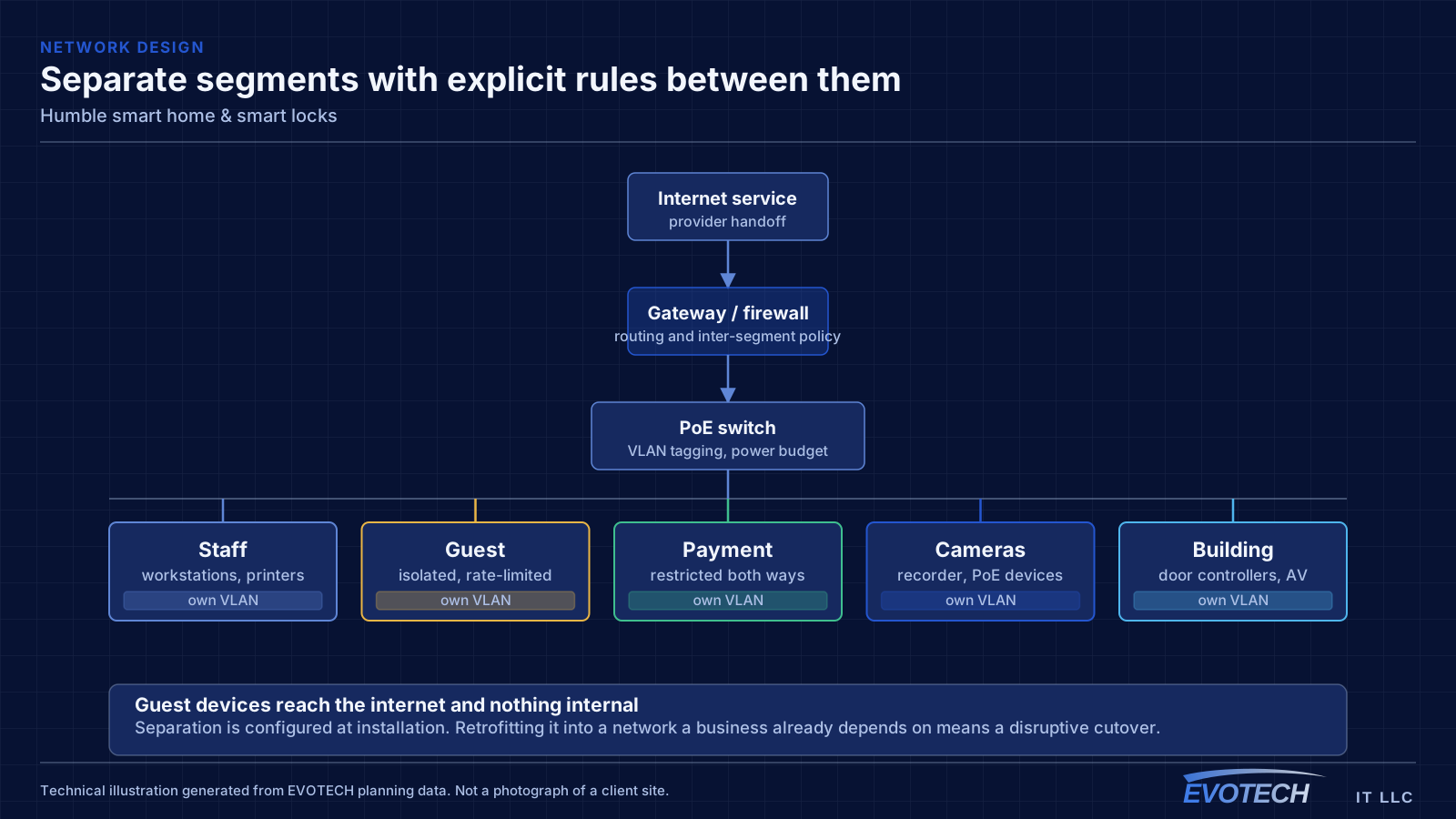
The characteristic smart-home problem is a device that works most of the time — which, for a lock or a camera, is not good enough. The usual causes are weak wireless at the device's location, a cloud dependency that fails when the connection blips, and automations that quietly stop firing without telling anyone.
The second is ecosystem sprawl: five brands, five apps, and no way to make a routine span them. Deciding on one platform, and choosing devices that speak to it, turns a pile of gadgets into a system.
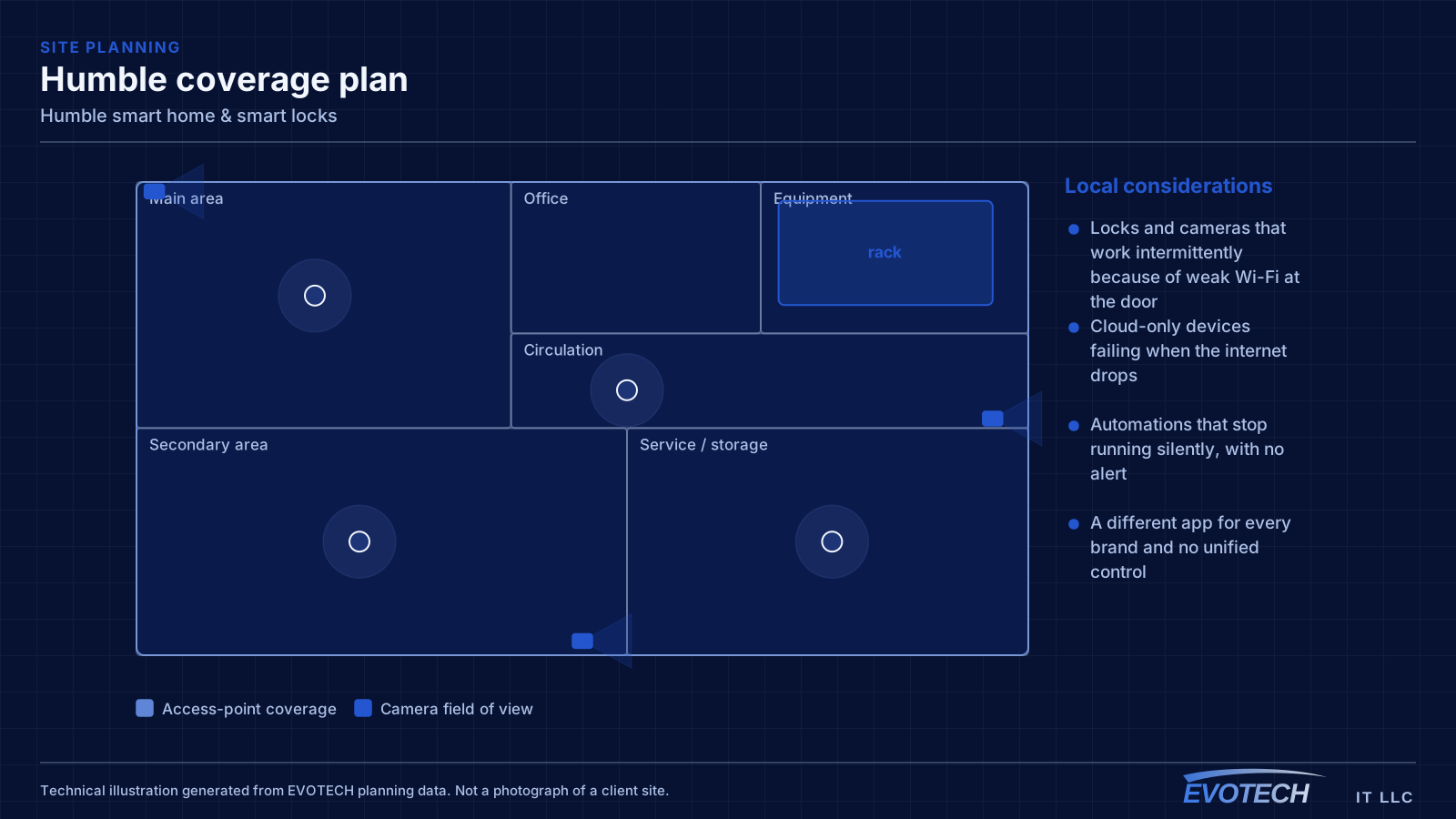
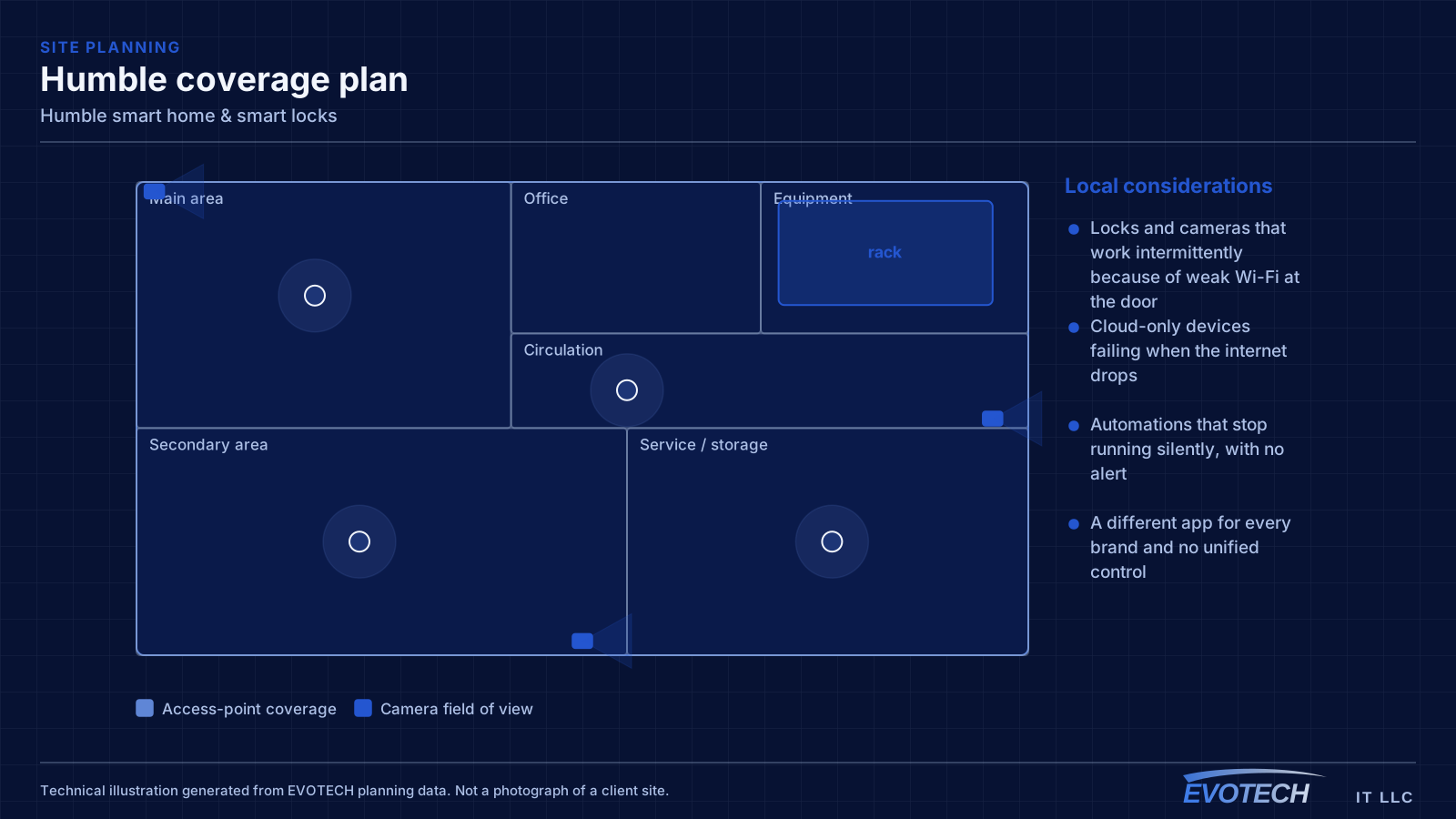
- Locks and cameras that work intermittently because of weak Wi-Fi at the door
- Cloud-only devices failing when the internet drops
- Automations that stop running silently, with no alert
- A different app for every brand and no unified control
- Smart locks fitted to doors that are misaligned or swollen, so they jam
- Dead batteries with no monitoring, locking people out
Humble property conditions that change the plan
The commercial base runs from older buildings with hard ceilings and congested pathway to newer retail and office space with accessible grid. Warehousing adds metal construction, aisle coverage, and distance considerations.
Retail specifically brings the payment-segmentation requirement and entrance-camera framing challenges common to storefront glazing.
Retail work separates payment systems from guest and operations traffic and frames entrance cameras to avoid daylight backlighting. Warehouse work designs coverage along aisles and reaches distant areas with fiber-fed distribution points.
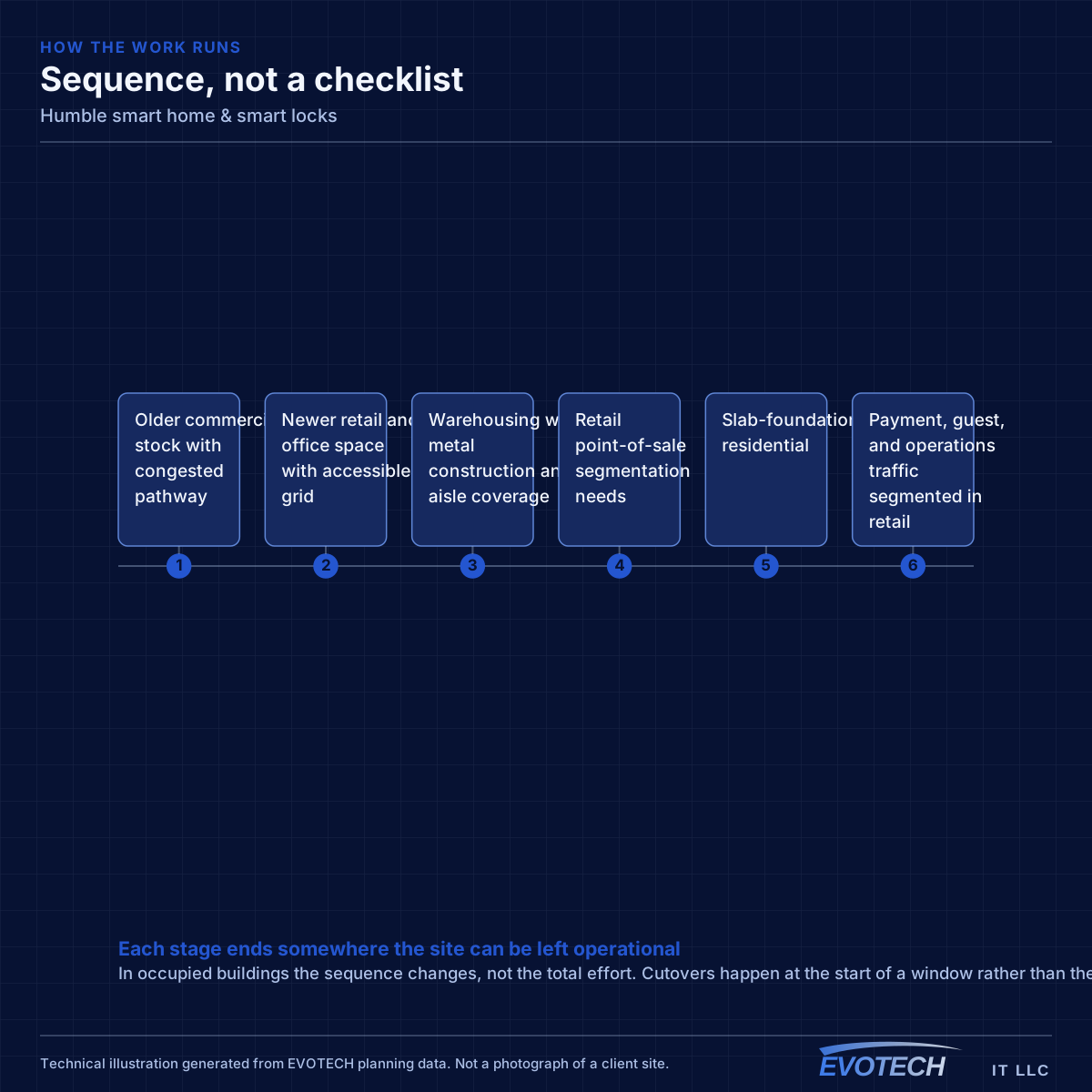
- Older commercial stock with congested pathway
- Newer retail and office space with accessible grid
- Warehousing with metal construction and aisle coverage
- Retail point-of-sale segmentation needs
- Slab-foundation residential
- Payment, guest, and operations traffic segmented in retail
- Entrance cameras framed to avoid storefront backlighting
- Aisle coverage validated with stock in place
- Fiber to distribution points past copper reach
- Pathway remediation in older commercial stock
Getting smart home & smart locks done in Humble
The ecosystem decision is the one that shapes everything else. Committing to a single platform — whichever suits the household's phones and habits — lets devices share routines and one control surface, at the cost of favouring devices that support it. A hub adds a second layer: many reliable smart-home devices use a low-power mesh protocol rather than Wi-Fi, which keeps them off the main network and off the router's client count, and a modern hub bridges those to the chosen platform. Newer interoperability standards are narrowing the gap between ecosystems, but device support still has to be checked rather than assumed.
Retail work happens during or outside trading with containment; warehouse work coordinates lift access with operations. Exterior equipment needs rated housings for the climate.
- Retail work during or outside trading with containment
- Lift access coordinated with warehouse operations
- Rated exterior housings and sealed penetrations
- Residential attic work scheduled early in summer
- After-hours work for occupied businesses where needed
Frequently asked questions
Does EVOTECH have an office in Humble?
No. This is a service-area page: EVOTECH serves Humble without claiming a physical office there. The wording stays as coverage, not a location claim.
Which smart-home ecosystem should we use?
Usually the one that matches the phones and habits in the house, because that is the control surface everyone already reaches for. Committing to one platform lets devices share routines instead of each needing its own app — the tradeoff is favouring devices that support it. Newer interoperability standards are narrowing the differences, but it is still worth checking that the specific devices you want work with the platform you choose.
Does EVOTECH have an office in Humble?
No. This site does not claim a physical office in Humble or anywhere else. Humble is described as a service-area market — coverage, not a location claim.