

Why this page exists
Video-doorbell installation in Houston is scoped around the same physical realities EVOTECH weighs everywhere — but read through Houston's specific conditions: building stock spanning multiple construction eras within short distances, producing very different ceiling and pathway conditions. This page pairs what the service actually involves with what the Houston market changes about it.
A video doorbell is a small camera with a doorbell button, and the three things that make it work well are adequate power, a sensible viewing angle, and a solid network connection at the door. Existing doorbell wiring often provides power, but many older transformers were sized for a mechanical chime and do not supply enough for a camera that streams and records.
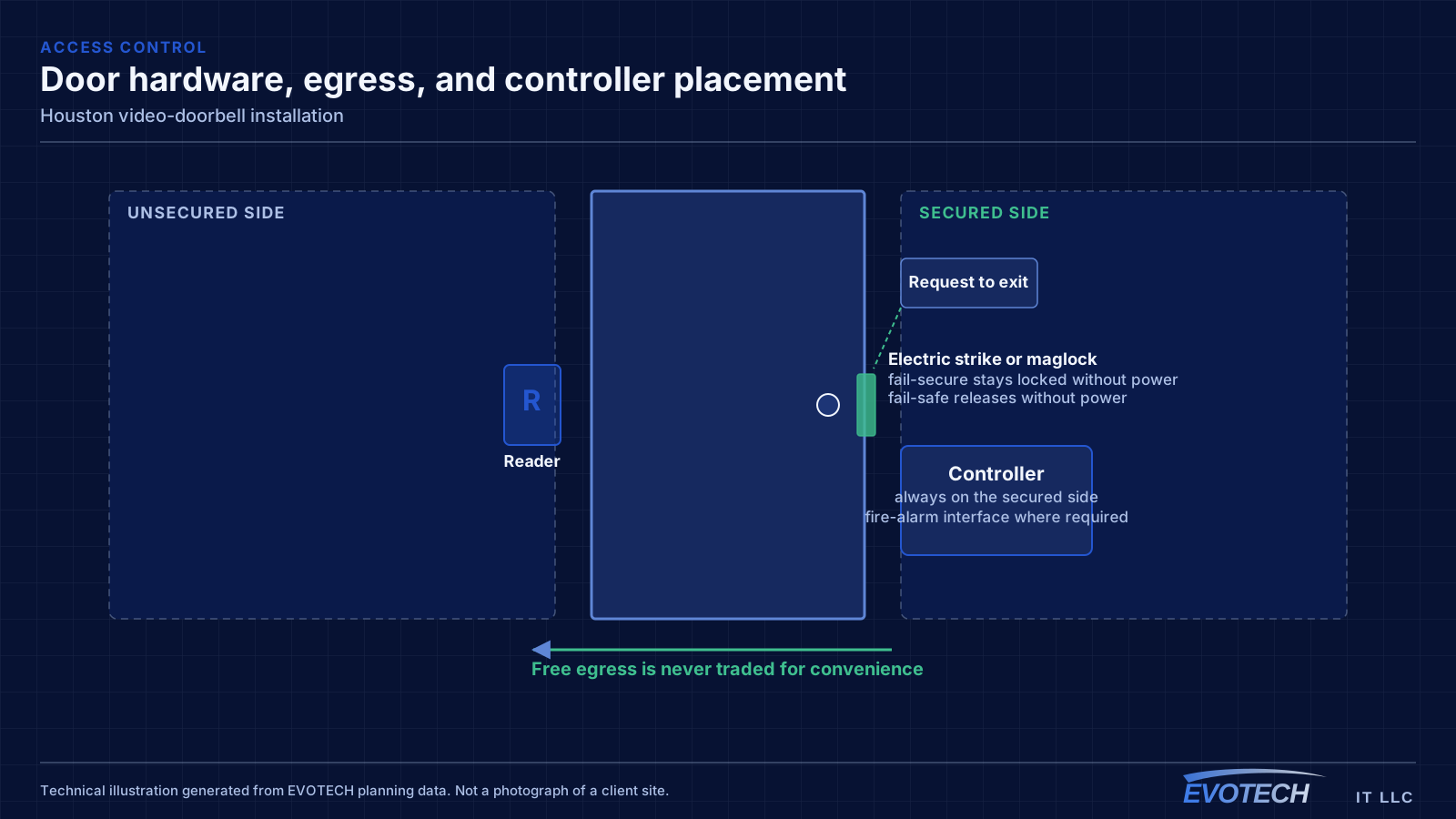
What video-doorbell installation usually involves
The most common failure is a doorbell that works intermittently, drops its video, or reboots when someone presses the button. That pattern almost always indicates insufficient power — either a transformer below the required rating or a chime configuration the device cannot work with.
The second is wireless. The front door is frequently the furthest point from the router, often through an exterior wall and sometimes behind brick veneer. A device with a marginal connection produces delayed notifications and choppy video, and no amount of doorbell configuration fixes a signal problem.
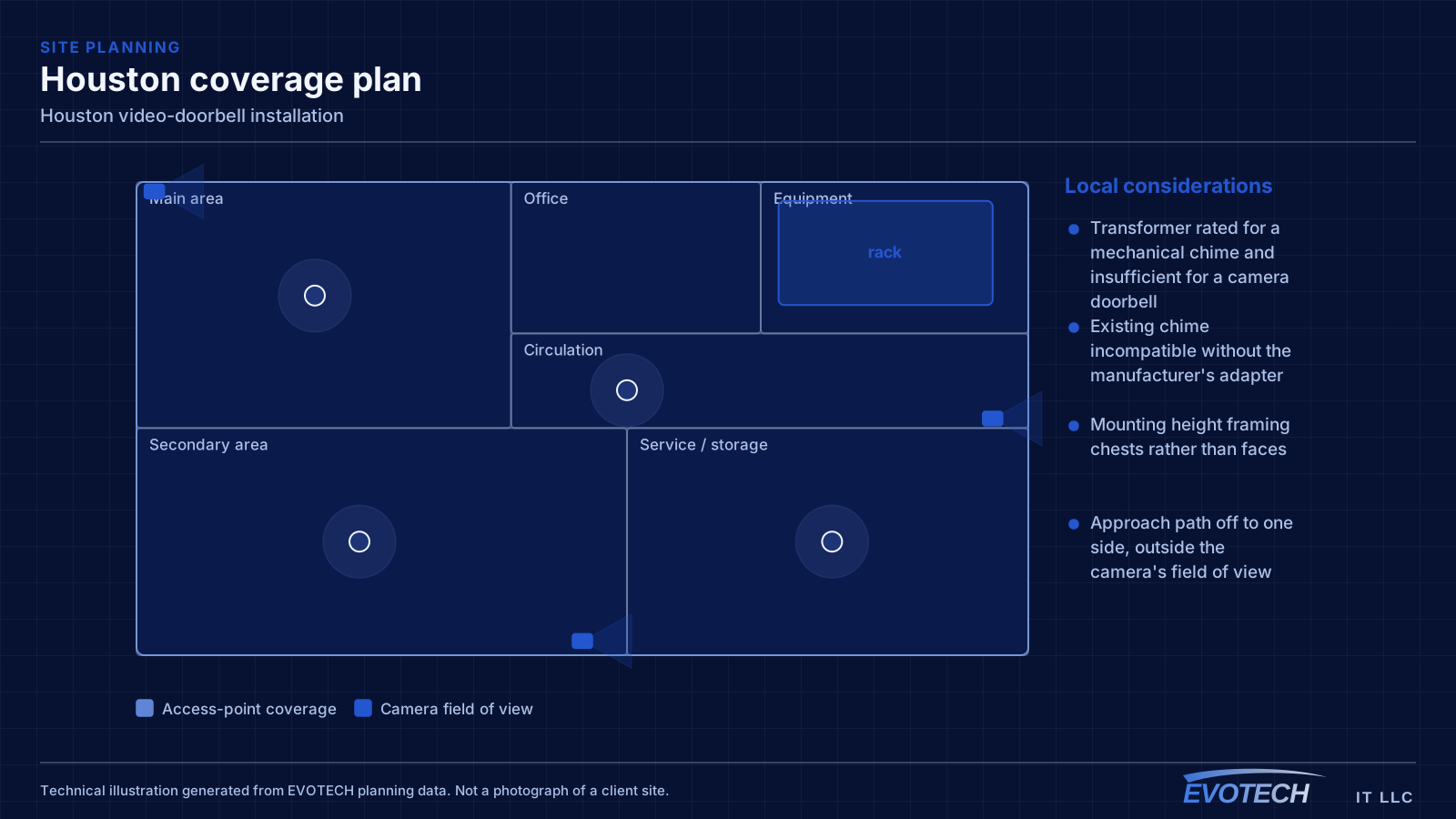
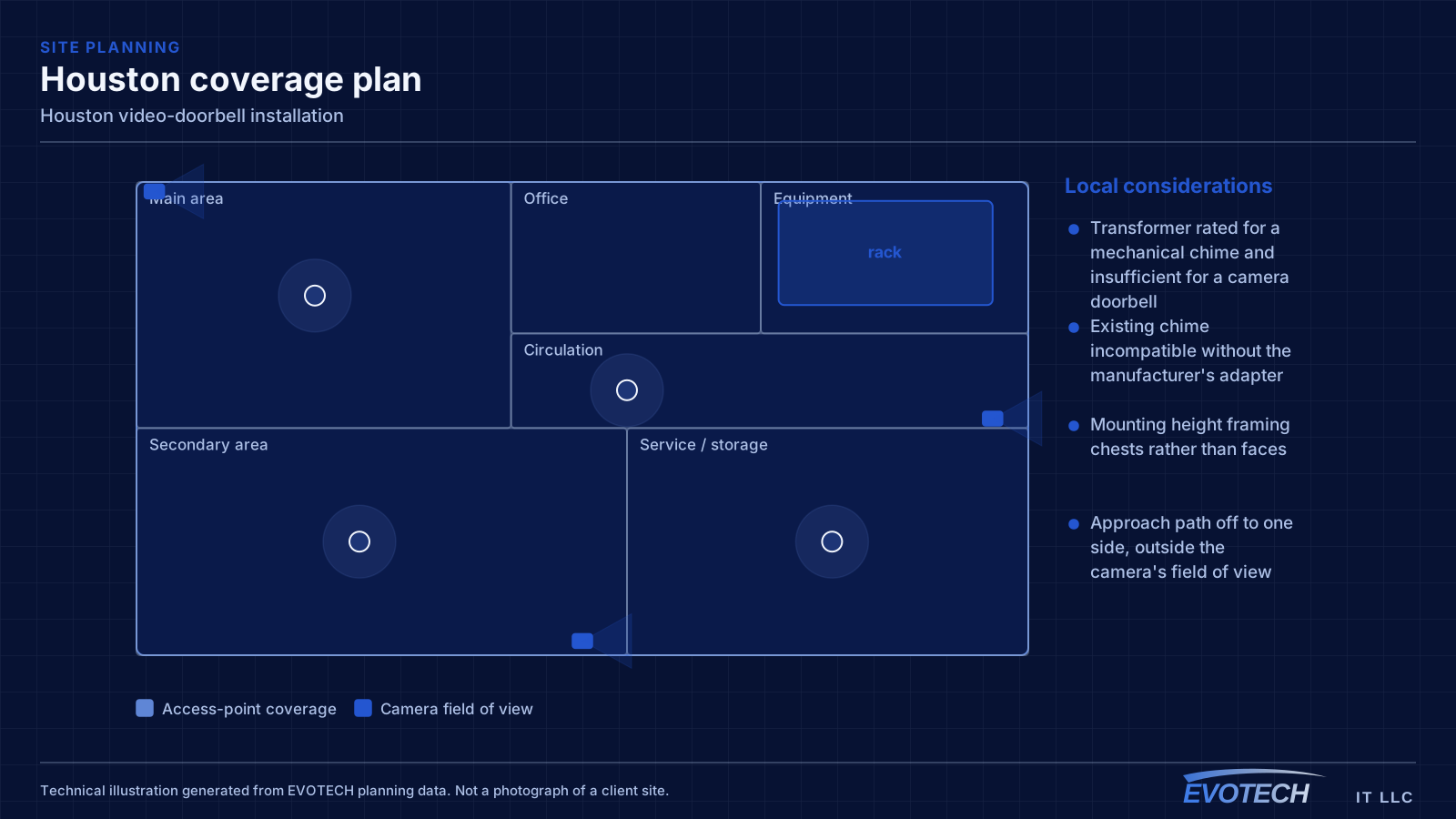
- Transformer rated for a mechanical chime and insufficient for a camera doorbell
- Existing chime incompatible without the manufacturer's adapter
- Mounting height framing chests rather than faces
- Approach path off to one side, outside the camera's field of view
- Weak wireless signal at the door causing delays and dropped clips
- Direct sun or a bright background silhouetting visitors at certain times of day
Houston property conditions that change the plan
Commercial stock in Houston divides roughly into three pathway situations. Older buildings frequently have hard-lid ceilings, limited or fully occupied existing pathway, and equipment rooms that were sized for a phone system. Warehouse and industrial conversions usually have open structure overhead, which makes pathway easy but leaves cable exposed and requires proper support and containment. Newer suburban commercial is generally the most straightforward — suspended grid, accessible plenum, and existing tray in many cases.
Residential stock is similarly varied but with a consistent structural theme: slab-on-grade construction is the norm, which removes the underfloor routing option almost entirely. Retrofit runs go up into the attic and down interior walls, and the practical question becomes whether the destination wall is interior and whether its top plate is reachable.
Because the building drives everything, the useful early questions are all physical. What is the ceiling? Is there existing pathway and is it full? Where does the service enter, and where can the equipment actually live? Is the space occupied, and if so what hours are available?
- Older commercial: hard-lid ceilings, congested or absent pathway, undersized equipment rooms
- Conversions: open structure, easy routing, but exposed cable needing proper support
- Newer commercial: suspended grid and often existing tray
- Residential: slab foundations, attic routing, interior-wall drops
- Multi-tenant buildings: base-building rules on riser and core access vary considerably
- Ceiling construction, and how much of it is genuinely accessible
- Existing pathway, its condition, and its remaining capacity
- Equipment room location, power, and ventilation
- Occupancy and available working hours
- Base-building rules where the space is leased
- Whether the work is a fit-out, a retrofit, or a remediation of existing installation
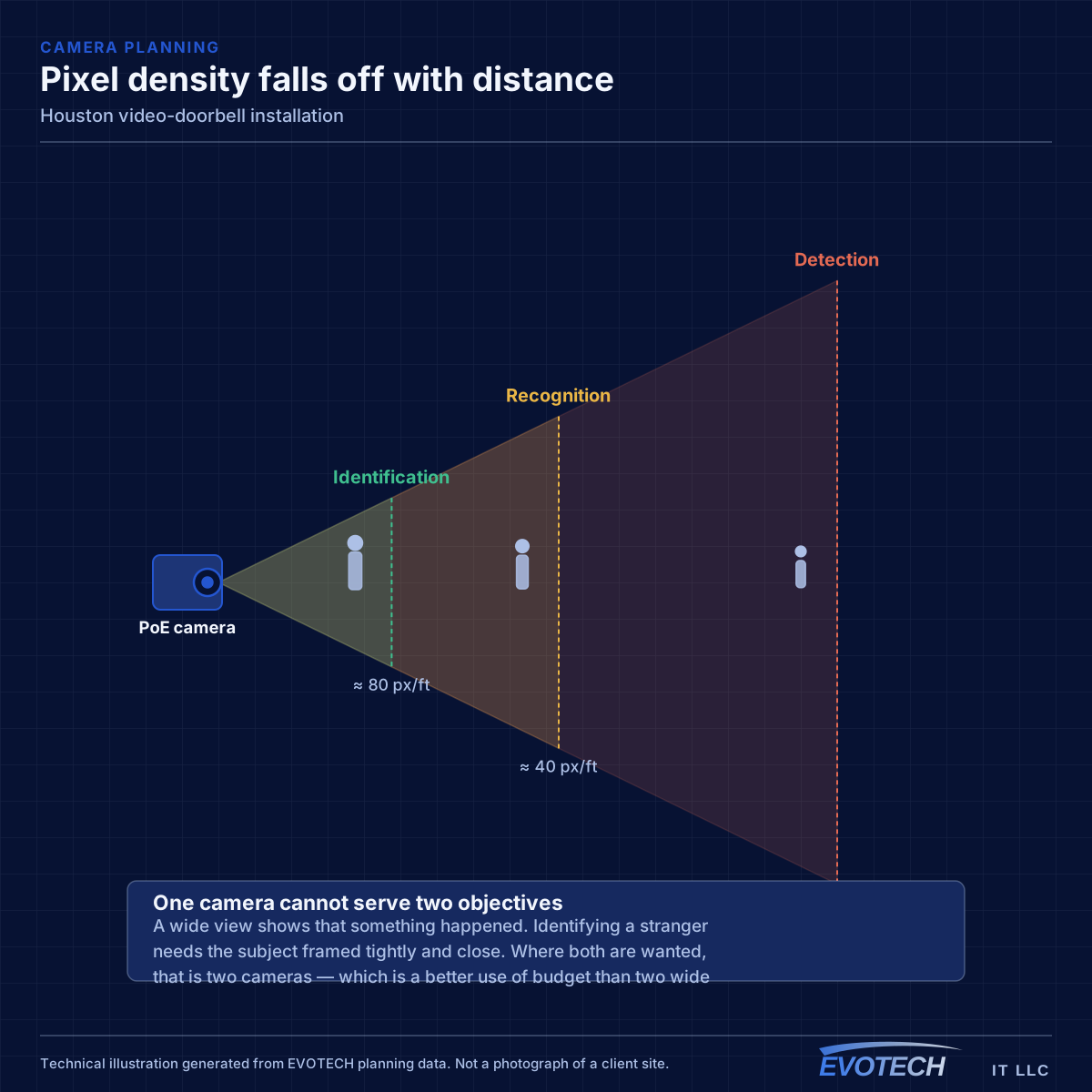
Getting video-doorbell installation done in Houston
Camera doorbells specify a voltage and minimum VA rating for their transformer. Many houses have transformers sized only for a mechanical chime, which is a much smaller load. When the supply is marginal the device may appear to work and then fail when the camera and radio draw peak current — typically at the moment the button is pressed. Replacing the transformer with one meeting the device specification resolves a large share of these cases.
Two environmental factors show up consistently. Summer attic temperatures make residential retrofit work a morning activity for much of the year, which affects scheduling more than it affects scope. And Gulf Coast humidity with heavy rainfall events means exterior equipment — cameras, entry stations, outdoor access points — needs appropriate sealing, drip loops, and housings rated for driven rain rather than for nominal weather resistance.
- Residential attic work scheduled early during summer months
- Exterior penetrations sealed with proper drip loops
- Housings and enclosures rated for driven rain, not nominal weather resistance
- Equipment positions chosen with ambient temperature in mind, especially near unconditioned space
- Surge protection considered on exterior and between-building runs
Popular services nearby
Frequently searched near this area — the pages people look for most.
Frequently asked questions
Does EVOTECH have an office in Houston?
No. This is a service-area page: EVOTECH serves Houston without claiming a physical office there. The wording stays as coverage, not a location claim.
Why does the doorbell keep going offline or restarting?
Most often the transformer. Many houses have a transformer sized for a mechanical chime, which is a much smaller load than a camera doorbell. The device appears to work until it draws peak current — usually at the button press — and then drops. Confirming the transformer meets the device's stated voltage and VA rating resolves a large share of these cases.
Does EVOTECH have an office in Houston?
This site does not publish a business address, in Houston or anywhere else, because one has not been confirmed for publication. Houston is described here as the primary market served — that is a coverage statement, not an office claim, and the distinction is deliberate.