

Why this page exists
Wireless earns a Houston page because the market's construction variety directly changes radio behaviour: masonry, metal stud with foil-backed board, and modern drywall attenuate signal very differently, and neighbouring buildings frequently differ.
Wireless coverage is a function of what the signal has to pass through. A modern drywall office and an older masonry building of identical area need different access-point counts, and no amount of specification on the hardware side changes that.
Because Houston's stock varies so much, coverage design here relies on walking the building rather than calculating from area. That walk resolves the two questions that matter: how many positions are needed, and whether cable can actually reach each one.
Why the walk matters more than the floor plan
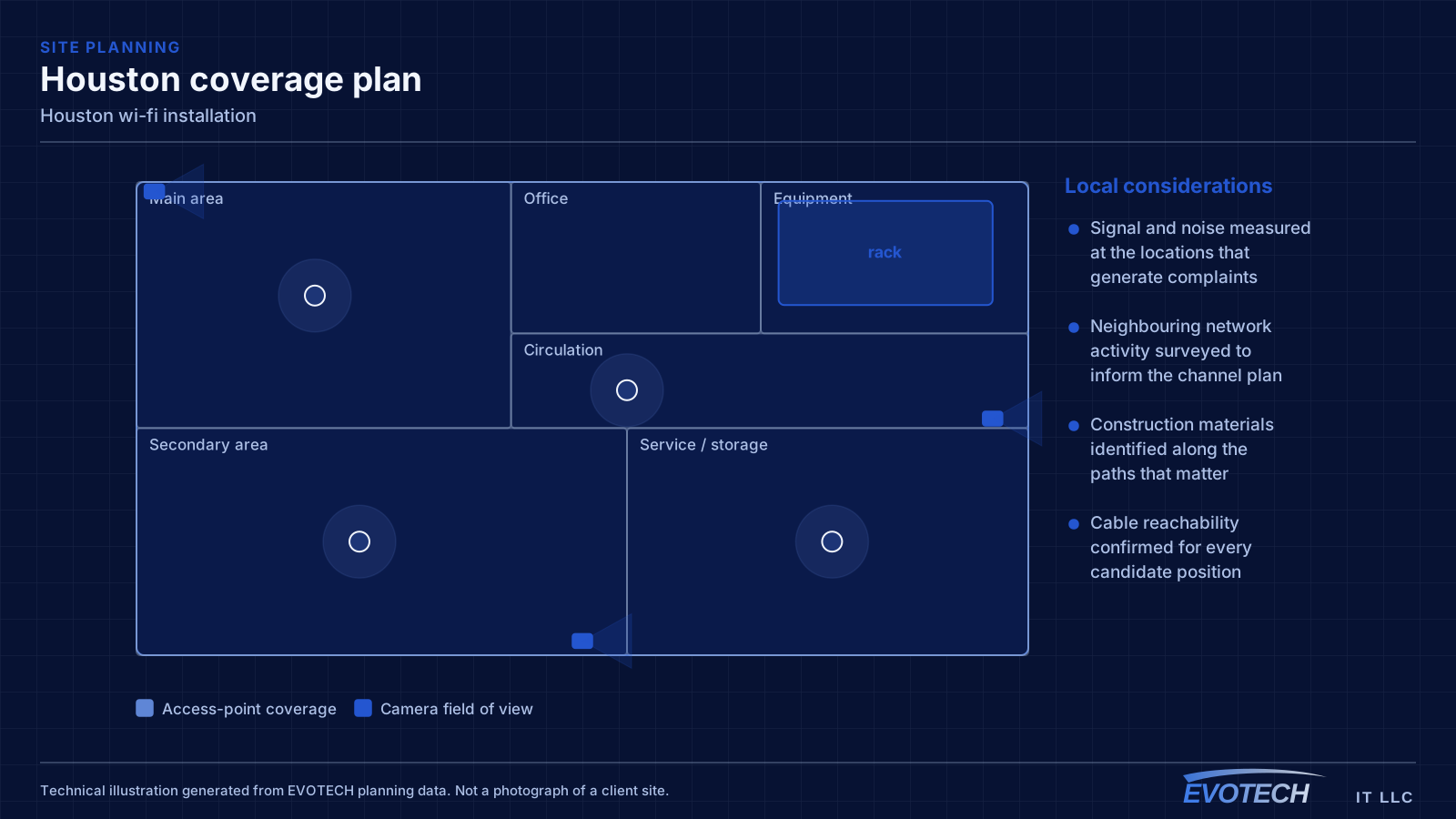
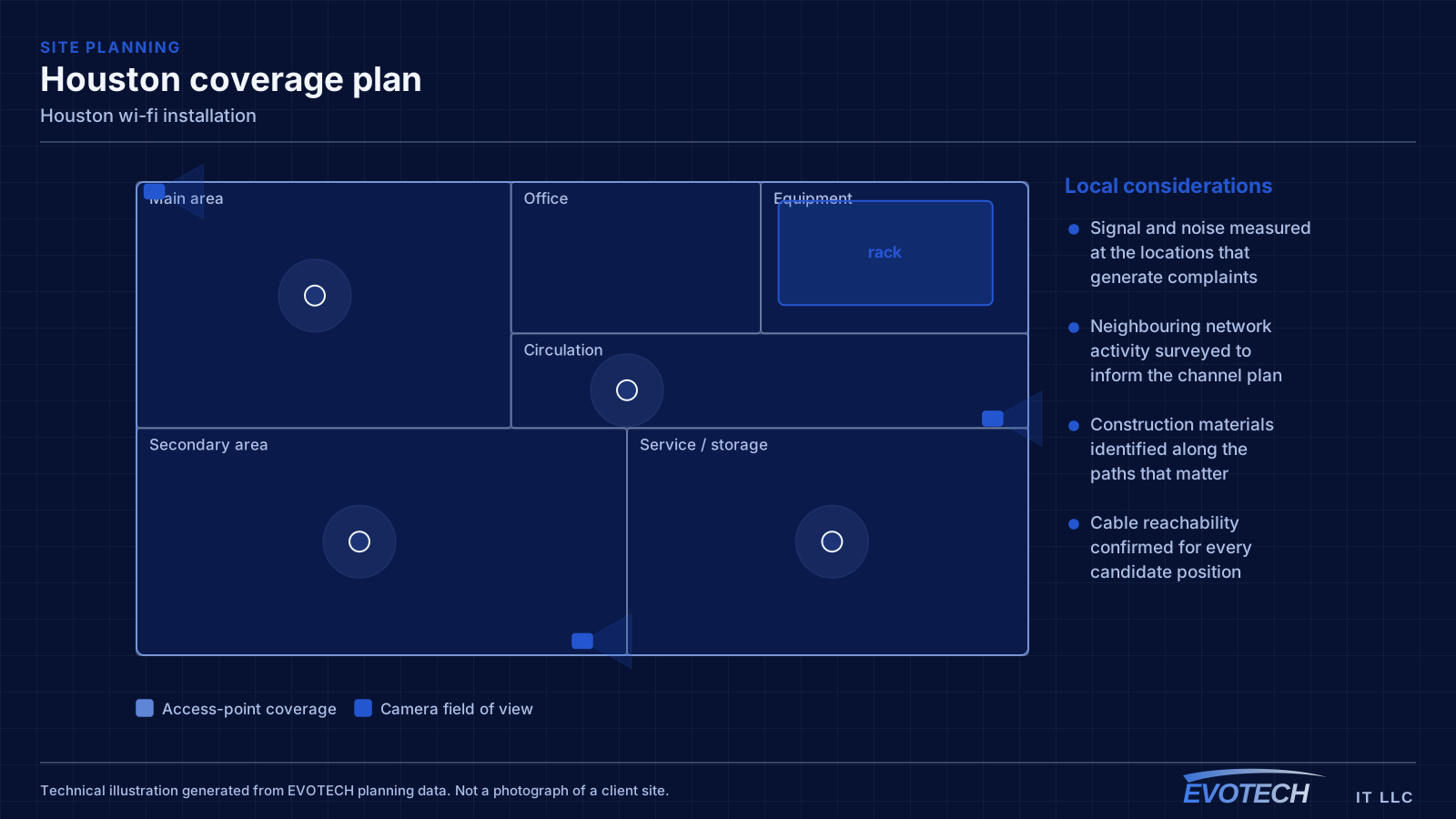
The walk answers what the plan cannot: which walls attenuate heavily, where the reflective surfaces are, whether the existing equipment is on channels that neighbouring tenants are also using, and where devices actually fail today. Ten minutes with a measurement tool in the rooms that generate complaints is worth more than a coverage prediction from a drawing.
It also settles the cable question. An ideal access-point position that cannot be reached with a cable is not an ideal position — it becomes either a wireless uplink with the throughput penalty that implies, or a compromise placement that is genuinely better because it can be wired.
- Signal and noise measured at the locations that generate complaints
- Neighbouring network activity surveyed to inform the channel plan
- Construction materials identified along the paths that matter
- Cable reachability confirmed for every candidate position
- Outdoor and covered-patio areas assessed separately
Positions, channels, and power
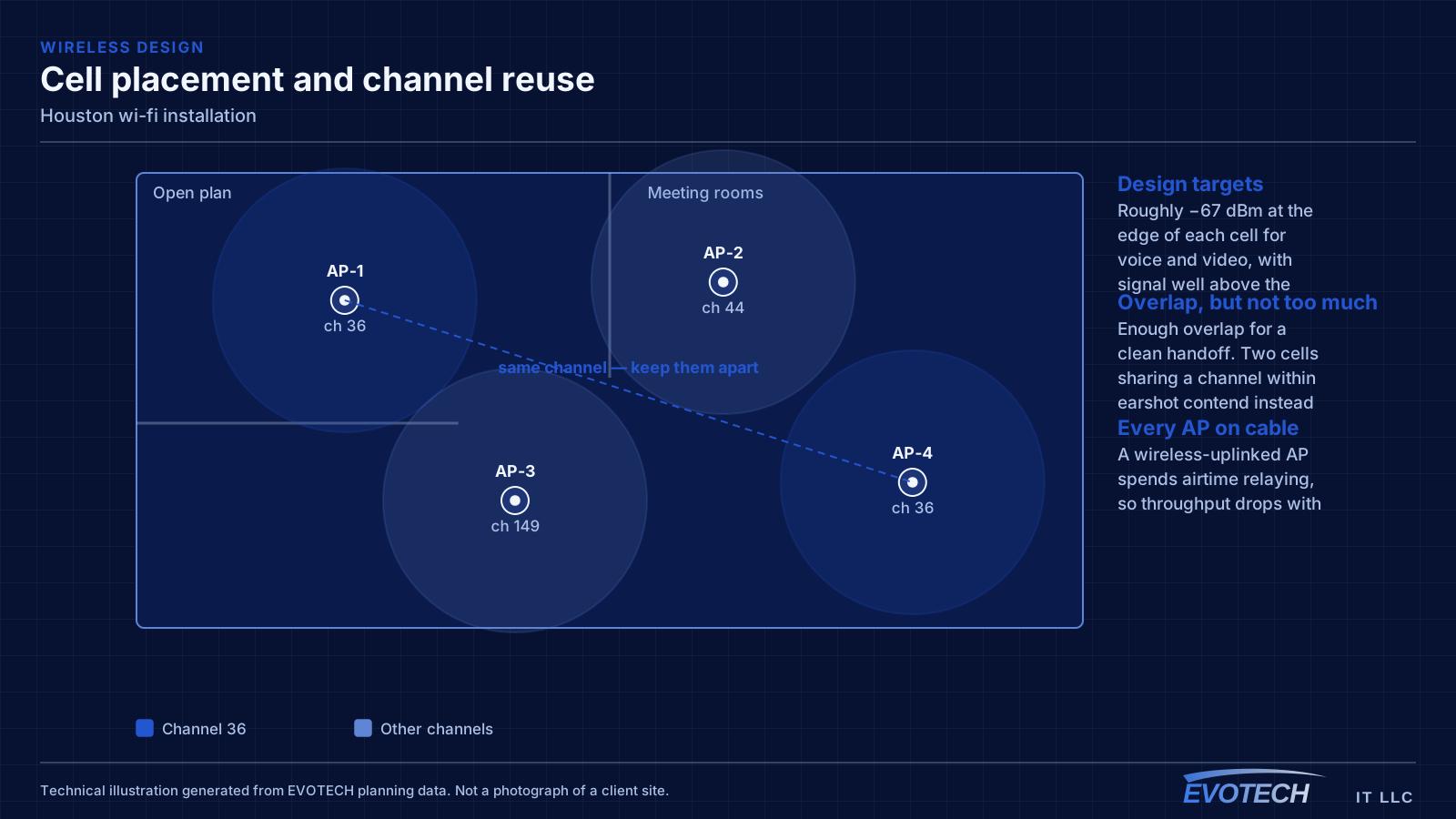
Positions come first: central to the areas being served, in the open rather than above ductwork or inside closets, and reachable by cable. Then the channel plan, which in a dense multi-tenant building has to account for the neighbours as well as the site's own access points.
Power settings are the part most often left alone and most often worth adjusting. Every radio at maximum power produces large overlapping cells that contend with each other, which is why a network can get slower after access points are added. Reducing power to tighten the cells frequently improves the result more than adding hardware.
- Access points mounted in the open, centrally to the areas served
- Wired backhaul to every position cable can reach
- Channel plan set deliberately, accounting for neighbouring networks
- Transmit power tuned rather than left at maximum
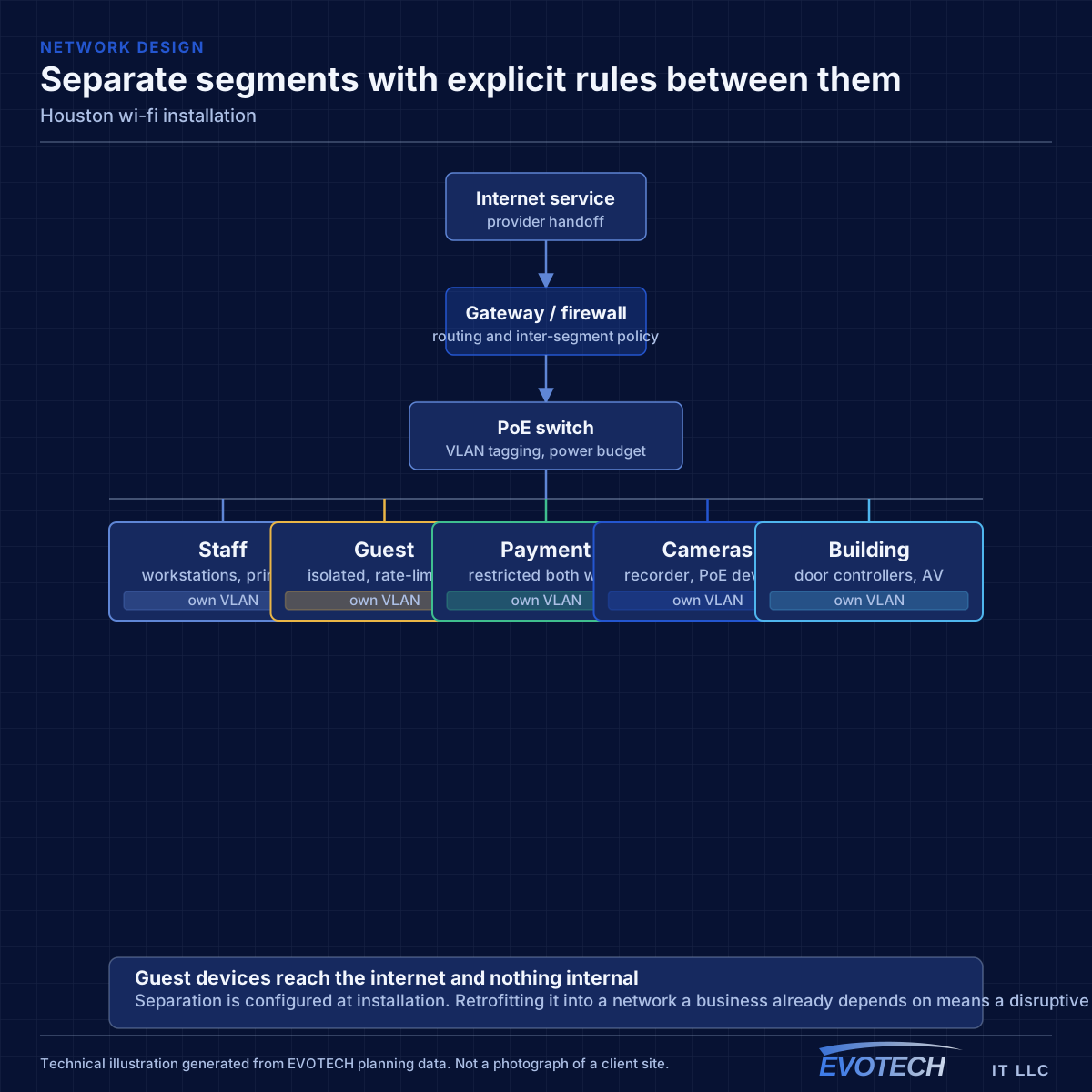
- Guest traffic separated from business systems at the network level
Mounting and validation
Mounting varies with the ceiling. Suspended grid allows clean tile-mounted or above-grid bracket installation; hard-lid areas need a surface approach or a rethink of the position. High-ceiling spaces need lift access, which needs floor space and coordination.
Validation is a second walk after installation, at a realistic time of day. Coverage measured in an empty building at eight in the morning does not describe the same building full of people at eleven, particularly in spaces where the device population is the whole point.
- Mounting method matched to the ceiling type
- Lift access planned for high-ceiling positions
- Post-installation coverage walk at a realistic time of day
- Roaming validated along the routes people actually walk
- Outdoor coverage confirmed at the intended positions
Popular services nearby
Frequently searched near this area — the pages people look for most.
Frequently asked questions
Why does the same access point cover so differently in two Houston buildings?
Construction. Modern drywall passes signal reasonably; masonry, tile, and metal stud with foil-backed board attenuate it heavily. Two buildings of identical area can need very different access-point counts, which is why coverage here gets designed from a walk rather than from a per-square-foot figure.
Adding access points made things worse — why?
Almost always channel contention. Devices on the same channel take turns, so more access points on already-busy channels increases contention rather than capacity. In dense multi-tenant buildings the neighbours are part of that picture too. The fix is usually a deliberate channel plan and reduced transmit power rather than more hardware.
Do covered patios need their own access point?
Usually yes. Covering an outdoor area by turning up an indoor access point's power creates a large overlapping cell indoors and still delivers a marginal signal outside. A rated outdoor unit positioned for the patio gives a better result in both places, and it survives the humidity and driven rain properly.