

Why this page exists
Fireplace TV mounting in Houston is scoped around the same physical realities EVOTECH weighs everywhere — but read through Houston's specific conditions: building stock spanning multiple construction eras within short distances, producing very different ceiling and pathway conditions. This page pairs what the service actually involves with what the Houston market changes about it.
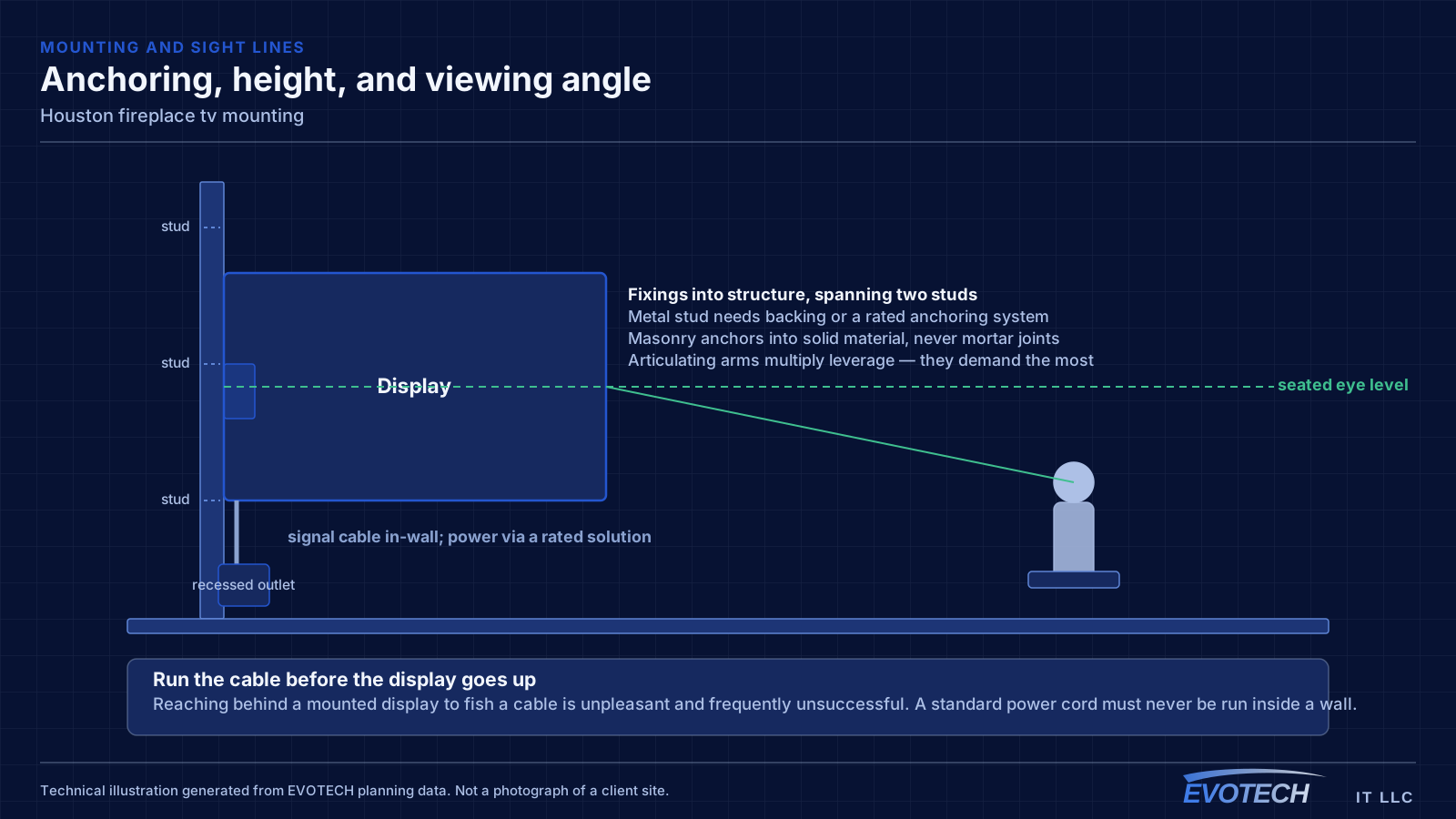
Mounting above a fireplace puts the screen higher than comfortable seated viewing and, depending on the fireplace, into rising heat. The height problem is the one people feel first: a TV centred over a mantel usually forces everyone to look up for the whole show. A tilting mount helps a little; a pull-down mount that brings the screen down and forward to near eye level when in use solves it properly, then returns it above the mantel when idle.
What fireplace tv mounting usually involves
The height compromise is the near-universal complaint: mounted above the mantel, the screen sits well above seated eye level, and a whole evening spent looking up is genuinely uncomfortable. Tilting the panel reduces glare and the angle a little but does not bring the screen down.
Heat is the less obvious but more serious issue. Some fireplaces push enough heat up the wall to sit electronics in a warm zone, which shortens their life or worse. And the surround is frequently masonry or stone, which needs different anchoring from drywall — anchors into solid material, not mortar joints.
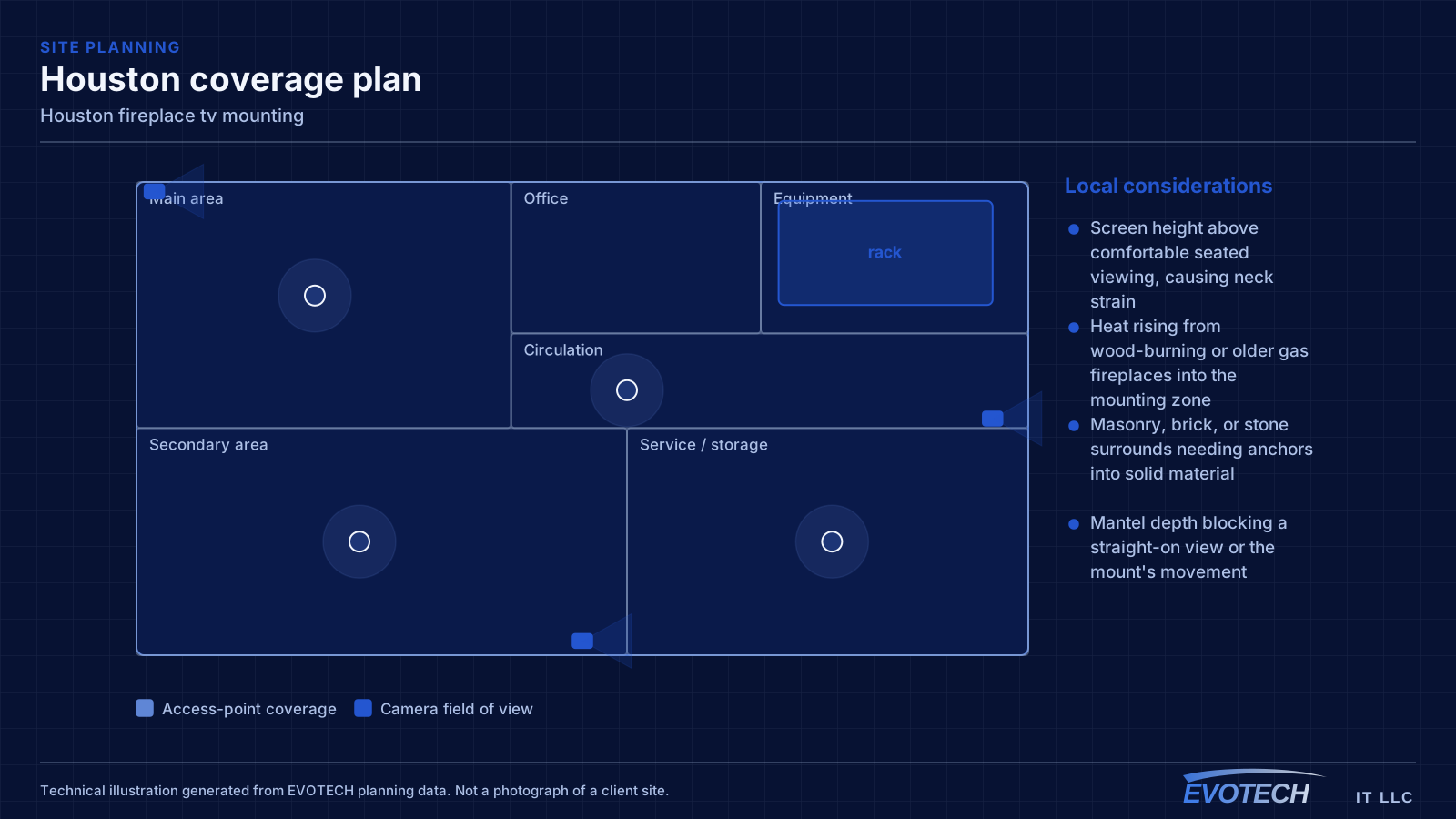
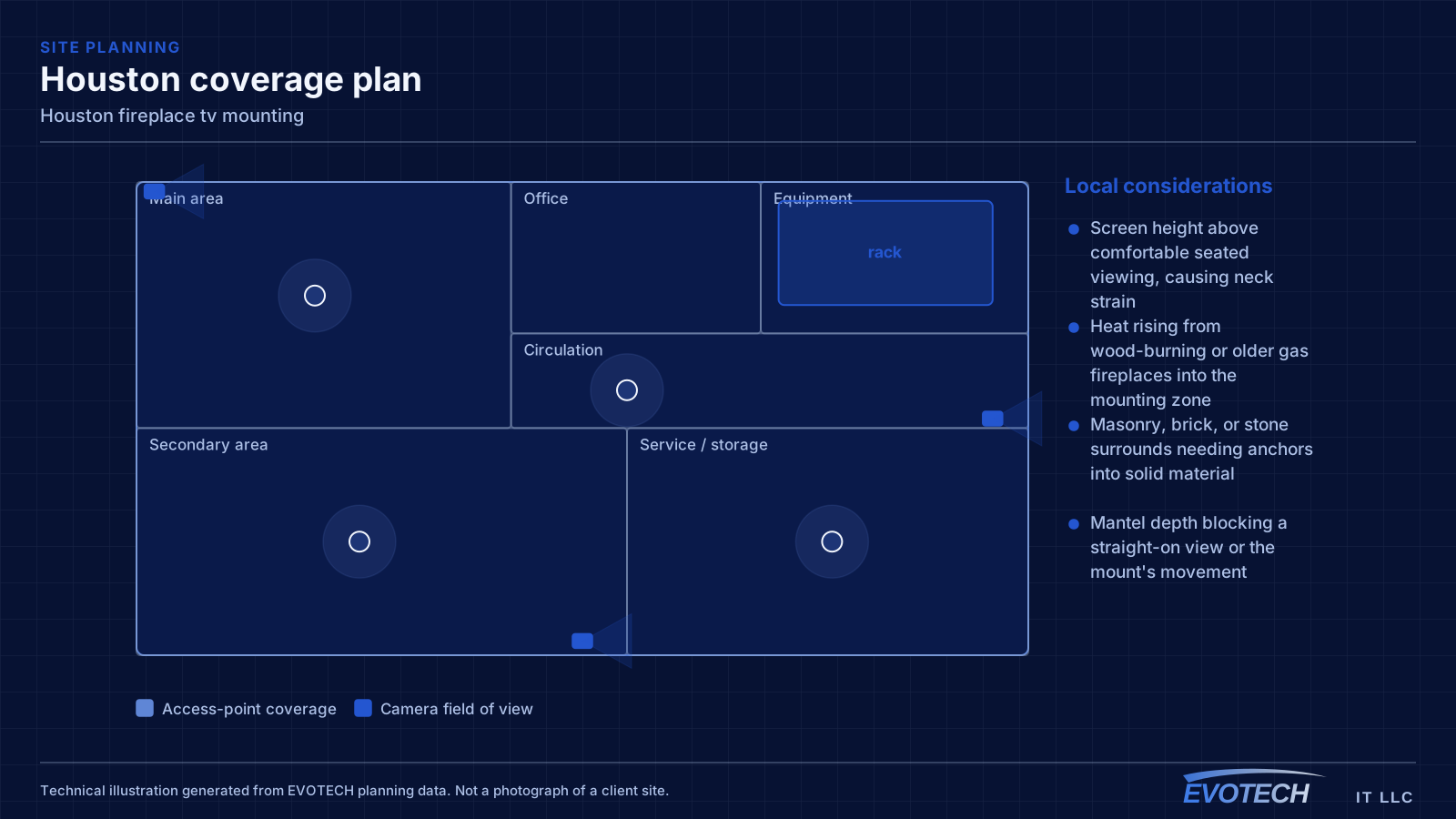
- Screen height above comfortable seated viewing, causing neck strain
- Heat rising from wood-burning or older gas fireplaces into the mounting zone
- Masonry, brick, or stone surrounds needing anchors into solid material
- Mantel depth blocking a straight-on view or the mount's movement
- In-wall cable routing complicated by the fireplace structure
- A tilt-only mount presented as a fix for the height problem
Houston property conditions that change the plan
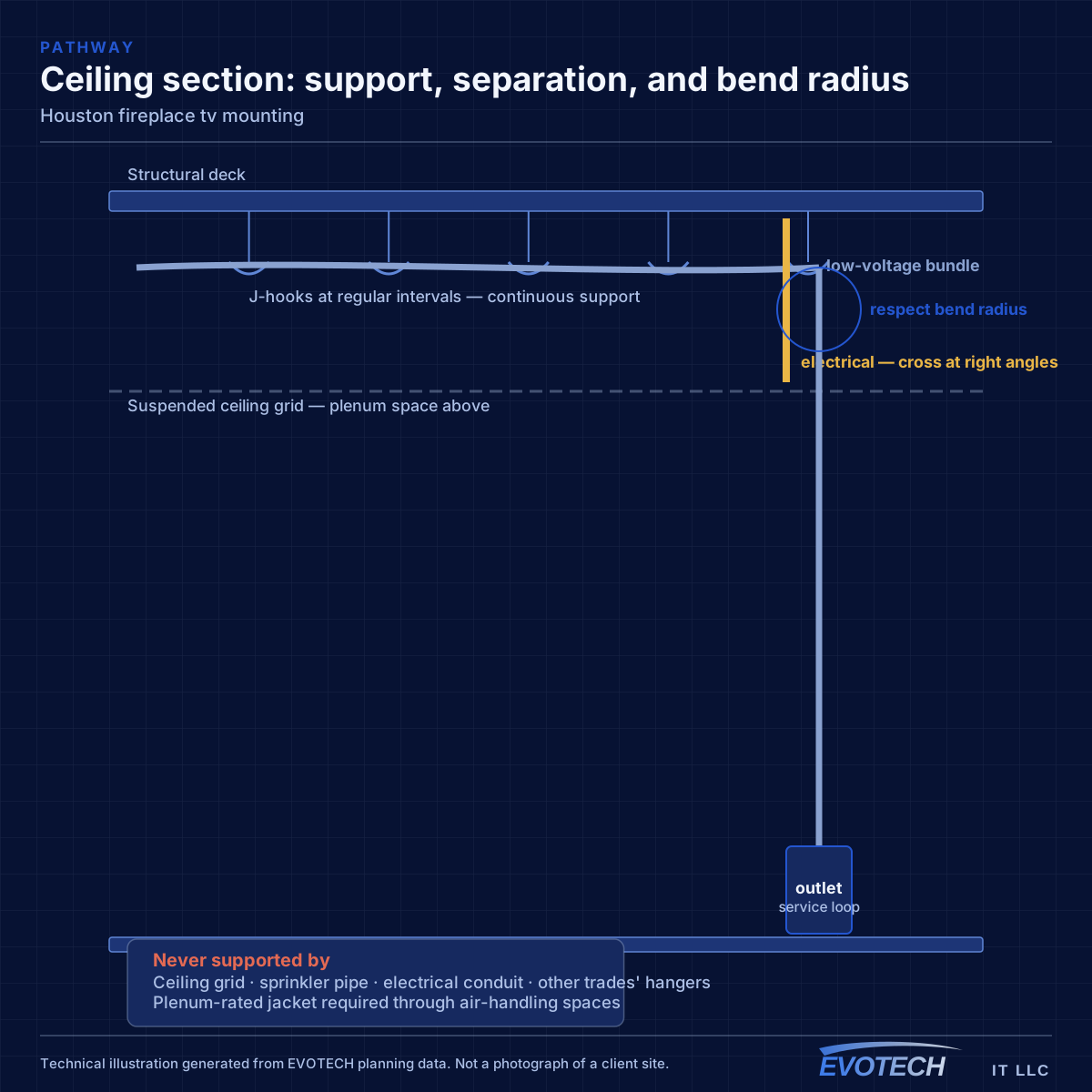
Commercial stock in Houston divides roughly into three pathway situations. Older buildings frequently have hard-lid ceilings, limited or fully occupied existing pathway, and equipment rooms that were sized for a phone system. Warehouse and industrial conversions usually have open structure overhead, which makes pathway easy but leaves cable exposed and requires proper support and containment. Newer suburban commercial is generally the most straightforward — suspended grid, accessible plenum, and existing tray in many cases.
Residential stock is similarly varied but with a consistent structural theme: slab-on-grade construction is the norm, which removes the underfloor routing option almost entirely. Retrofit runs go up into the attic and down interior walls, and the practical question becomes whether the destination wall is interior and whether its top plate is reachable.
Because the building drives everything, the useful early questions are all physical. What is the ceiling? Is there existing pathway and is it full? Where does the service enter, and where can the equipment actually live? Is the space occupied, and if so what hours are available?
- Older commercial: hard-lid ceilings, congested or absent pathway, undersized equipment rooms
- Conversions: open structure, easy routing, but exposed cable needing proper support
- Newer commercial: suspended grid and often existing tray
- Residential: slab foundations, attic routing, interior-wall drops
- Multi-tenant buildings: base-building rules on riser and core access vary considerably
- Ceiling construction, and how much of it is genuinely accessible
- Existing pathway, its condition, and its remaining capacity
- Equipment room location, power, and ventilation
- Occupancy and available working hours
- Base-building rules where the space is leased
- Whether the work is a fit-out, a retrofit, or a remediation of existing installation
Getting fireplace tv mounting done in Houston
Height is solved by the mount type. A fixed or tilting mount leaves the screen high; a pull-down mount lowers the panel down and out over the mantel to near seated eye level when in use, which is the only arrangement that genuinely resolves the neck angle. Mantel depth matters here — the mount has to clear it through its full range of motion.
Two environmental factors show up consistently. Summer attic temperatures make residential retrofit work a morning activity for much of the year, which affects scheduling more than it affects scope. And Gulf Coast humidity with heavy rainfall events means exterior equipment — cameras, entry stations, outdoor access points — needs appropriate sealing, drip loops, and housings rated for driven rain rather than for nominal weather resistance.
- Residential attic work scheduled early during summer months
- Exterior penetrations sealed with proper drip loops
- Housings and enclosures rated for driven rain, not nominal weather resistance
- Equipment positions chosen with ambient temperature in mind, especially near unconditioned space
- Surge protection considered on exterior and between-building runs
Popular services nearby
Frequently searched near this area — the pages people look for most.
Frequently asked questions
Does EVOTECH have an office in Houston?
No. This is a service-area page: EVOTECH serves Houston without claiming a physical office there. The wording stays as coverage, not a location claim.
Is mounting a TV above the fireplace a bad idea?
It is a compromise, and worth naming as one. The screen usually ends up above comfortable seated eye level, and heat can be a concern on some fireplaces. A pull-down mount resolves the height by bringing the screen down to eye level in use, and a heat assessment settles the safety question. Sometimes the honest answer is a different wall, but with the right mount and a suitable fireplace it works well.
Does EVOTECH have an office in Houston?
This site does not publish a business address, in Houston or anywhere else, because one has not been confirmed for publication. Houston is described here as the primary market served — that is a coverage statement, not an office claim, and the distinction is deliberate.