
Why this page exists
Houston warrants its own business-phone page because its office stock ranges from older buildings with tired cabling to modern suites, so the network readiness behind a VoIP install — and the cutover risk — vary widely across the city.
Whether the office is in an older Houston building with aging cabling or a newer suite, VoIP call quality comes down to prioritising voice traffic and giving it enough upload bandwidth, not to the handsets themselves.
The cutover is the other risk: an operating office cannot lose its numbers or lines, so porting is sequenced with the old service live until the new system is tested and proven.
For multi-site Houston operations, one dial plan across locations keeps extensions, call groups, and after-hours routing consistent, so a call answered downtown behaves the same as one answered at a satellite office — far easier to design in at the start than to reconcile later between separate systems bought at different times for different offices.
Preparing a Houston office for VoIP
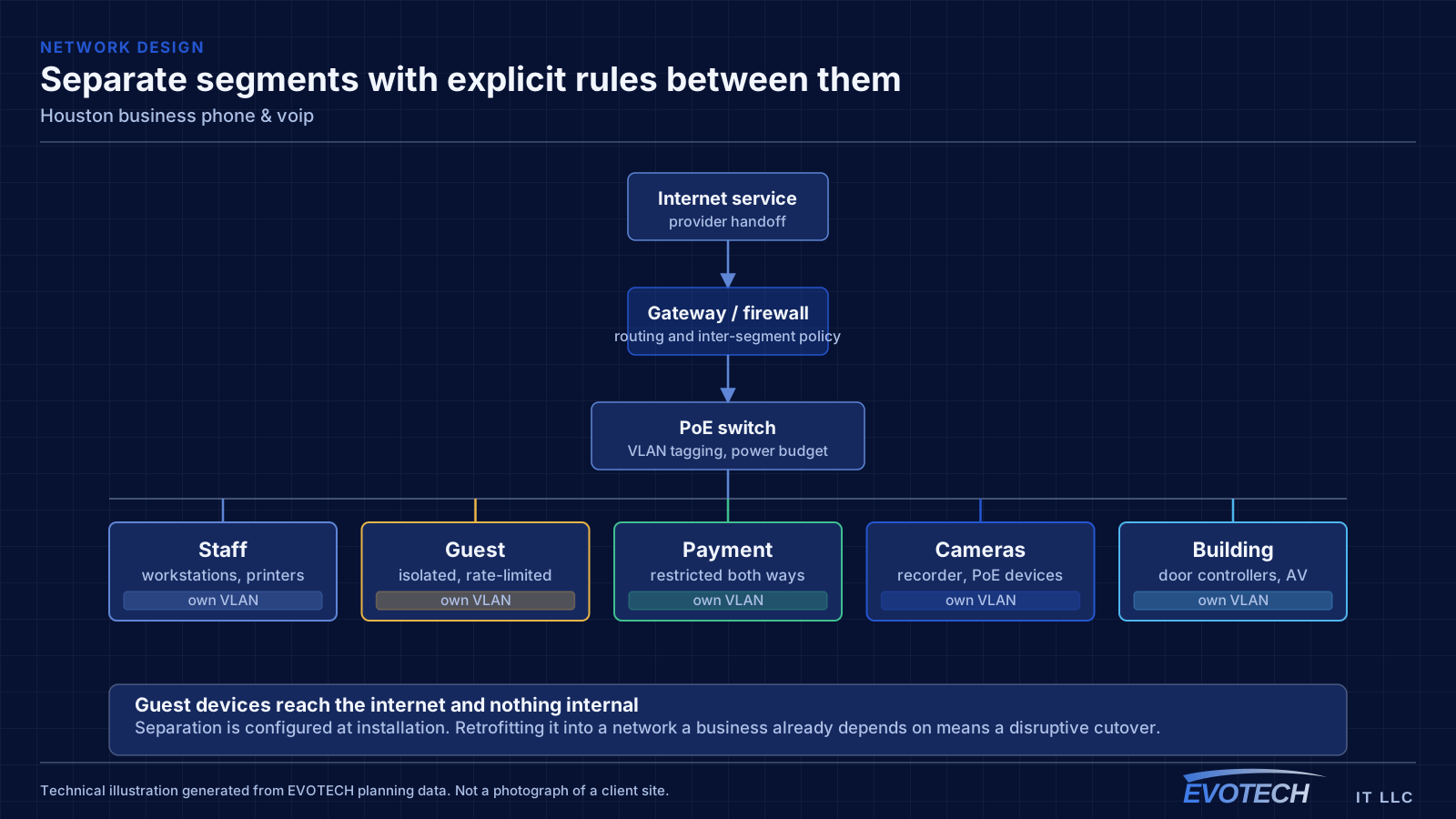
Voice goes on its own prioritised segment so calls are sent ahead of bulk data when the network is busy, which is the fix for choppy calls on a flat network. In older buildings the existing cabling and switching are checked for whether they can carry the handsets at all.
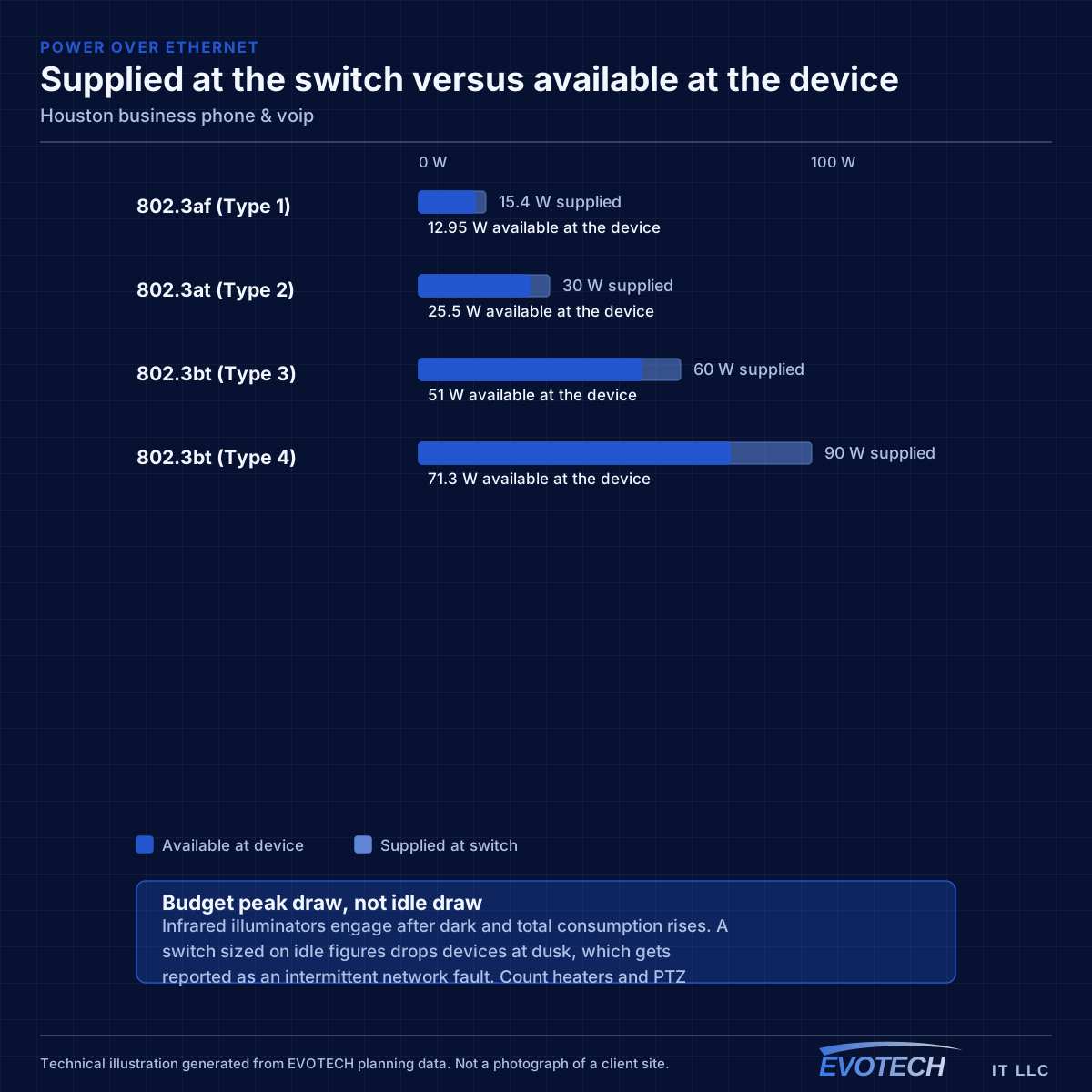
Concurrent-call capacity is sized against the building's upload bandwidth, and the PoE budget is confirmed before handsets are added.
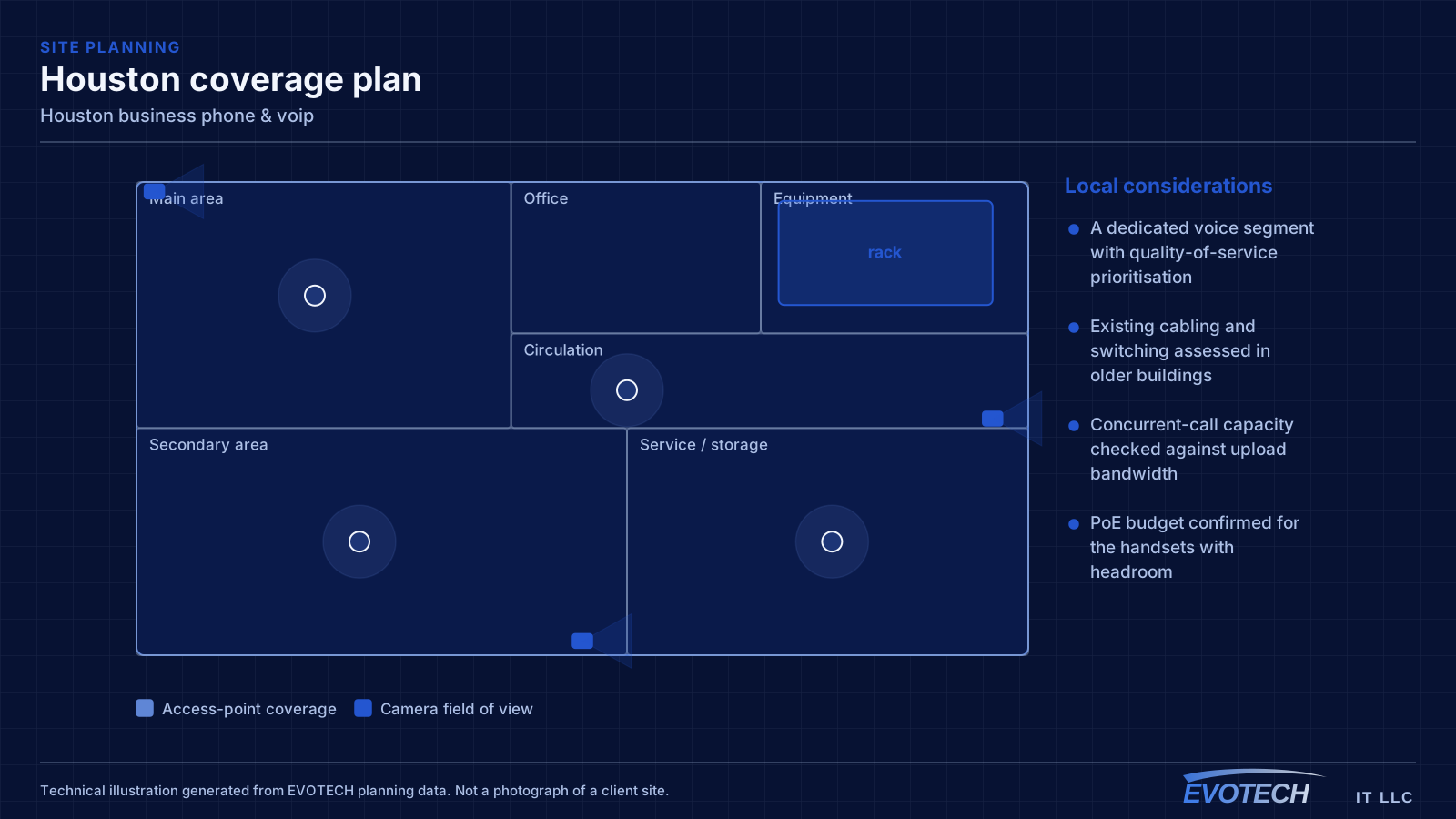
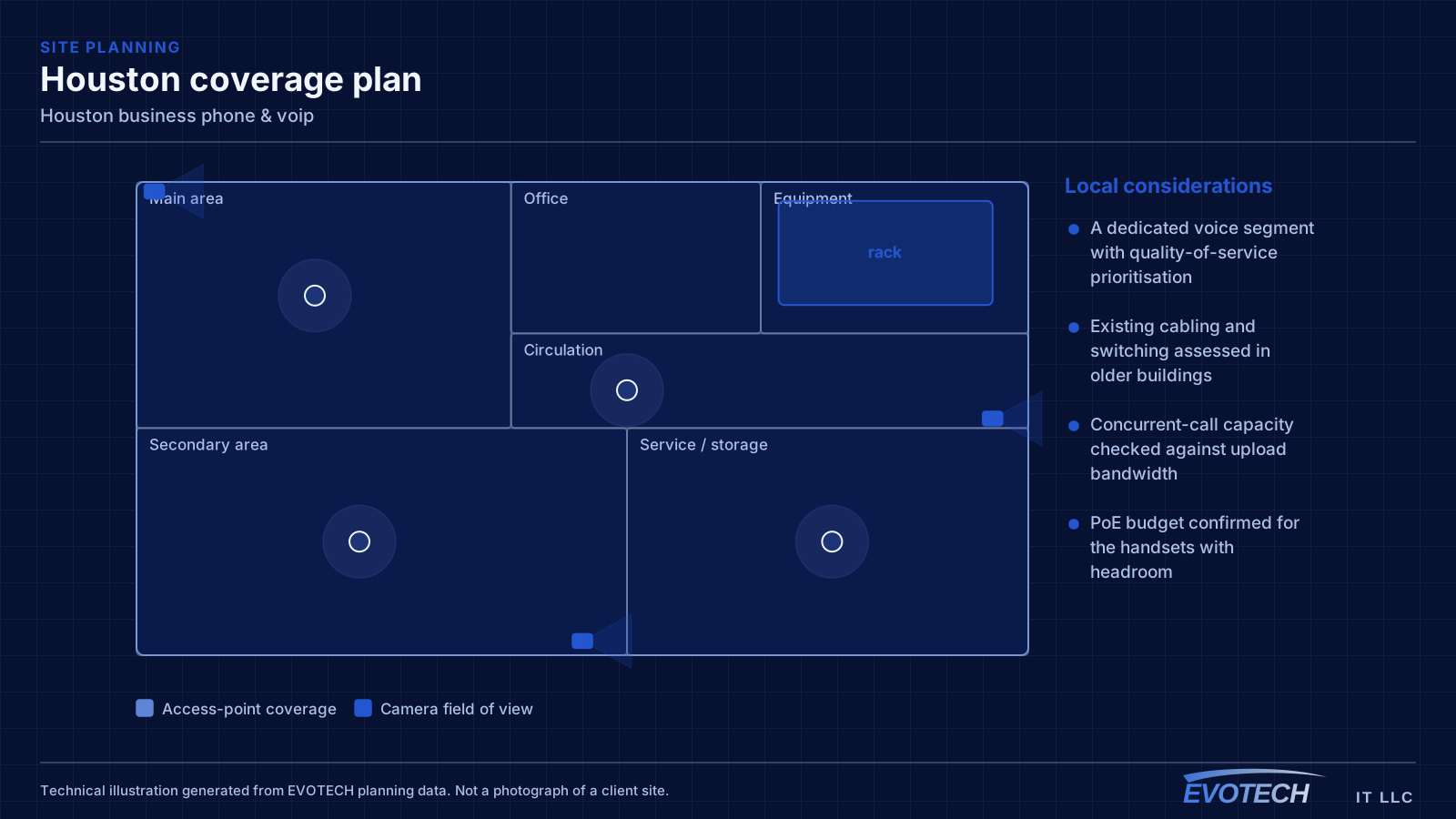
- A dedicated voice segment with quality-of-service prioritisation
- Existing cabling and switching assessed in older buildings
- Concurrent-call capacity checked against upload bandwidth
- PoE budget confirmed for the handsets with headroom
- Hosted or on-premise chosen for who maintains it
Planning the cutover
The move is planned backwards from the port, timed so the office is never without working lines, with the old service live until the new system is tested.
- Confirm the dial plan, call groups, and after-hours routing
- Prepare the voice segment, prioritisation, and PoE budget
- Provision handsets and the call server or hosted accounts
- Schedule porting with the old lines live until it completes
- Cut over, test every extension, then retire the old system
Working across Houston office stock
In older and multi-tenant buildings, base-building rules and existing-cabling condition drive the schedule, and the cutover is timed around business hours.
- Base-building permissions confirmed before scheduling
- Existing cabling condition factored into older-building work
- Cutovers timed around business hours
- Call quality verified under normal network load
- Porting planned around carrier timelines rather than promised to the hour
Popular services nearby
Frequently searched near this area — the pages people look for most.
Frequently asked questions
Our office is in an older Houston building — can it run VoIP?
Usually, but the existing cabling and switching are checked first. Older buildings sometimes have cabling that will not reliably carry the handsets, or switching with no PoE budget left. Where that is the case, sorting the network readiness is part of the project — because VoIP call quality depends on the network far more than on the phones.
Why do VoIP calls sound choppy when the internet is fine?
Almost always jitter or contention rather than raw bandwidth. Voice packets are time-sensitive, and on a flat network they get delayed or dropped whenever it is busy. A dedicated voice segment with prioritisation fixes most of this without changing the internet plan.
Can we keep our phone numbers?
Generally yes, through porting. The key is sequencing: the new system is built and tested while the old lines stay live, and the numbers move only once everything is ready, so there is no window with dead lines. Carrier timelines mean porting is planned around rather than promised to a specific hour.