PoE camera installation for warehouses, in Humble
PoE camera installation for warehouses in Humble is a three-part question: what poe camera installation involves, what warehouses need from it, and what Humble changes about the install. A retail and commercial hub with a broad mix of building ages.
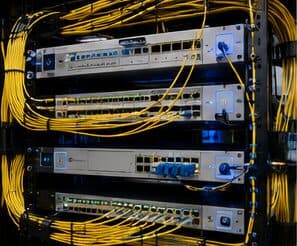
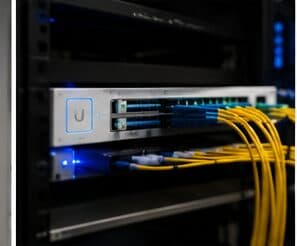
The design consequence is that the switch is now a power supply. Each camera draws a certain class of power, and the total across every powered device has to fit within the switch's PoE budget with room to spare. A switch with enough ports but not enough watts produces intermittent camera reboots that look like network faults.
Docks, yard, and inventory movement
Warehouse camera coverage concentrates where goods and vehicles move: dock doors, receiving and shipping areas, yard gates, and the boundary between operational and office space. These views answer the questions warehouse footage is actually asked — what arrived, what left, and when.
Dock doors present a specific lighting challenge. A camera facing an open dock door in daylight is looking at a bright rectangle with a dark interior, which is the worst case for dynamic range. Positioning so the camera views along the dock rather than straight into the opening, or accepting a camera specifically chosen for high contrast, addresses it.
Yard and perimeter coverage runs into distance and power. Positions beyond copper reach need fiber and local power, or a designed wireless link — and either way, the power question has to be answered before the camera is specified.
- Dock doors, receiving, and shipping framed for vehicle and goods movement
- Camera positions that avoid shooting straight into a bright dock opening
- Yard gates and perimeter, with the power and distance question resolved first
- Boundary between operational and office areas
- Retention long enough to cover inventory reconciliation cycles
What drives the cost of poe camera installation here
The power design and the cable routes dominate.
- Camera count and their power classes
- Switch capacity, both ports and PoE budget
- Cable run count, length, and route difficulty
- Exterior mounting hardware and weather sealing
- UPS sizing
- Elevated access requirements
Humble: what the location changes
What separates a Humble scope from the rest of the city is concrete and local. A retail and commercial hub with a broad mix of building ages. Warehousing and distribution requiring aisle coverage and longer runs. Older commercial stock needing pathway remediation and rack cleanup. That short list is what actually drives the design in this pocket, and it is why photographs or a brief site visit beat a floor plan — the plan follows the building's real constraints, not the neighborhood name on the map.
- A retail and commercial hub with a broad mix of building ages
- Warehousing and distribution requiring aisle coverage and longer runs
- Older commercial stock needing pathway remediation and rack cleanup
- Retail point-of-sale environments requiring network segmentation
- Slab-foundation residential across established and newer neighbourhoods
Getting it done in Humble
The meaningful PoE test is under peak load after dark, because that is the condition that exposes budget problems.
A warehouse surveyed empty and a warehouse full of stock are different radio environments. Metal racking reflects, palletised inventory absorbs, and coverage that measured well across an open floor can disappear once the aisles fill. Any design based on an empty-building survey should be treated as provisional.
Getting Humble work done means planning around the site as it actually is. Retail point-of-sale environments requiring network segmentation. Slab-foundation residential across established and newer neighbourhoods. Both matter as much as the design to how and when the work happens. The scope is drawn from the real property, the coverage is stated as a service area rather than an office, and unverifiable specifics about Humble are kept off the page on purpose.
Frequently asked questions
Is poe camera installation for warehouses different in Humble?
The sector needs stay the same, but the install changes with the place. In Humble, the conditions above — not the warehouses label — decide routes, mounting, and equipment placement, which is why this page pairs all three.
Why do cameras reboot at night but work fine during the day?
Almost always PoE budget. Infrared illuminators engage after dark and the total draw rises, pushing the switch past its budget. It presents as intermittent camera dropouts and gets misdiagnosed as a network fault. The fix is a switch with sufficient budget and headroom, calculated from peak draw rather than idle.