Why this page exists
Technology for retail stores in Humble sits where two things meet: how retail stores actually operate, and what Humble specifically brings to the building. A retail and commercial hub with a broad mix of building ages.
Retail camera coverage typically concentrates on registers, entrances and exits, the stockroom door, and receiving. Those four locations answer most of what retail footage gets asked about — transaction disputes, entry and exit identification, and inventory movement.
Coverage that answers retail questions
Retail camera coverage typically concentrates on registers, entrances and exits, the stockroom door, and receiving. Those four locations answer most of what retail footage gets asked about — transaction disputes, entry and exit identification, and inventory movement.
Sales floor coverage is a different objective. It shows activity and general movement rather than identifying individuals, and framing it that way avoids the common mistake of installing wide floor cameras and expecting identification-grade footage from them.
Entrances have a lighting problem worth planning around. A camera pointed at a glass storefront during daylight sees a bright background and a dark figure. Positioning the identification camera to view the approach from inside, rather than shooting straight out through the glass, produces far better results than any camera setting.
- Register views framed for transaction detail
- Entrance and exit views framed for identification, avoiding backlight
- Stockroom and receiving door coverage for inventory questions
- Sales floor coverage framed for activity rather than identification
- Retention set to cover the lag before discrepancies are noticed
Humble: what the location adds
In Humble, the plan is built outward from the conditions that are actually here. A retail and commercial hub with a broad mix of building ages. Warehousing and distribution requiring aisle coverage and longer runs. Older commercial stock needing pathway remediation and rack cleanup. Each one changes where cable can run, where equipment can sit, and how coverage is shaped, which is why a walkthrough settles a Humble scope faster than any generic estimate.
- A retail and commercial hub with a broad mix of building ages
- Warehousing and distribution requiring aisle coverage and longer runs
- Older commercial stock needing pathway remediation and rack cleanup
- Retail point-of-sale environments requiring network segmentation
- Slab-foundation residential across established and newer neighbourhoods
Installing in an open store
Retail work often happens during trading hours, which introduces constraints food service does not have: customers moving through the space, merchandise that must be protected from dust, and ladder work that has to be barriered off. Some work is genuinely better done before opening, but a lot of it can proceed with proper containment.
Ceiling type varies more in retail than in offices. Open-deck ceilings in a converted space, hard-lid areas in a fitted-out mall unit, and suspended grid in a newer build each imply different pathway approaches, and a single store can contain all three.
- Containment and barriers for work during trading hours
- Merchandise protection from dust and debris
- Mixed ceiling types within a single unit
- Landlord and centre-management approval where the unit is leased
- Sequencing so the sales floor is clear at opening
Installing in Humble
Retail interiors get reset. Fixtures move, register positions shift for seasonal layouts, and a stockroom gets reorganised around whatever the current inventory demands. A network installed as if the layout were fixed becomes an obstacle within a couple of resets.
Getting Humble work done means planning around the site as it actually is. Retail point-of-sale environments requiring network segmentation. Slab-foundation residential across established and newer neighbourhoods. Both matter as much as the design to how and when the work happens. The scope is drawn from the real property, the coverage is stated as a service area rather than an office, and unverifiable specifics about Humble are kept off the page on purpose.
Explore everything in this section
All 18 pages under Technology for retail stores in Humble.
- Access-control installation for retail stores in Humble
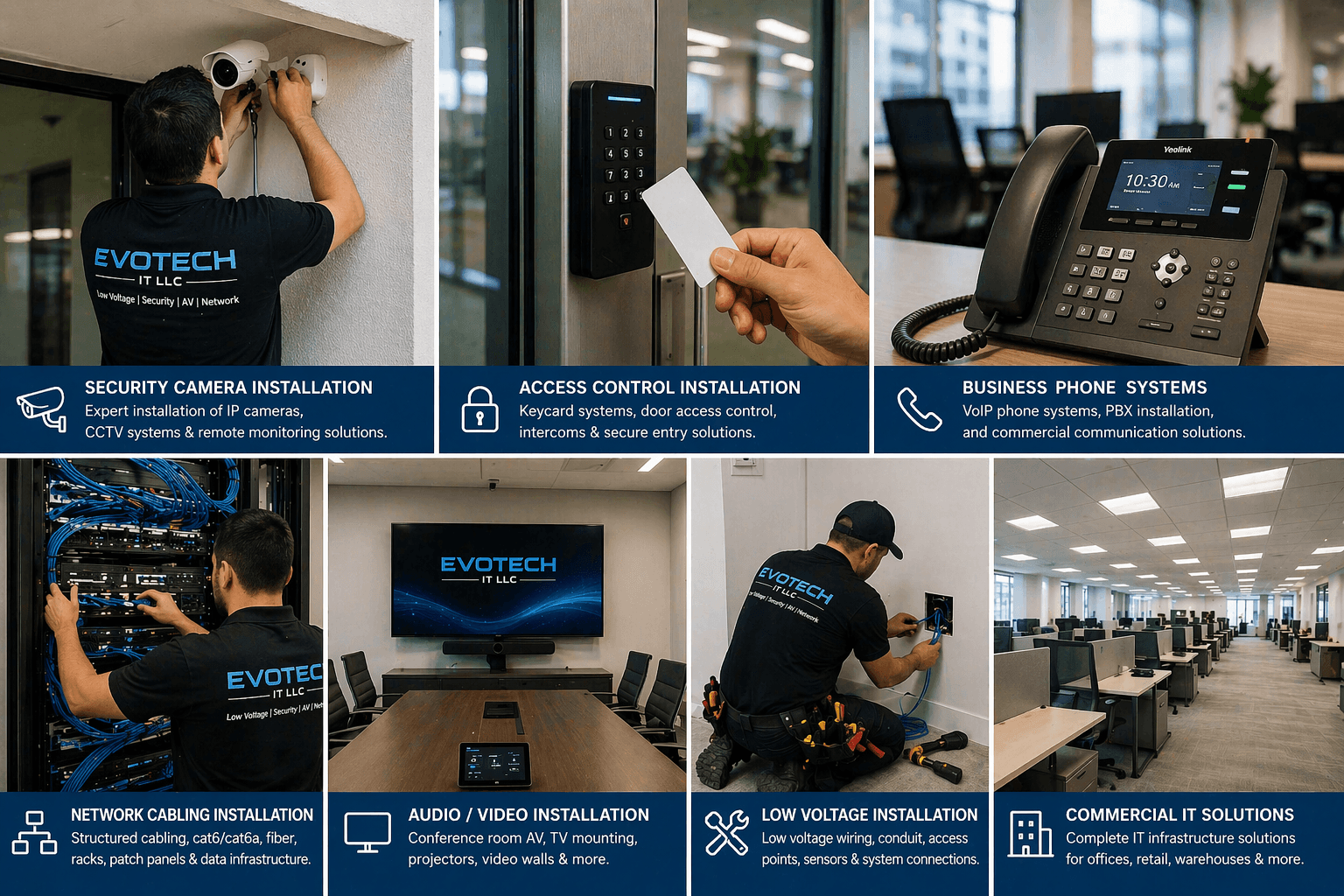
- Commercial IT solutions for retail stores in Humble
- Data-jack installation for retail stores in Humble
- Digital signage for retail stores in Humble
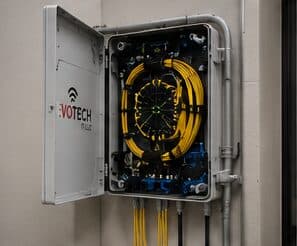
- Fiber-optic cabling for retail stores in Humble
- Floodlight camera installation for retail stores in Humble
- In-wall cable concealment for retail stores in Humble
- Network troubleshooting for retail stores in Humble
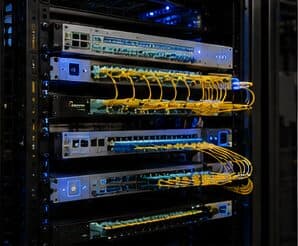
- Network-rack installation for retail stores in Humble
- NVR installation for retail stores in Humble
- Outdoor & patio speakers for retail stores in Humble
- Paging & PA systems for retail stores in Humble
- Projector & screen installation for retail stores in Humble
- Security-camera installation for retail stores in Humble
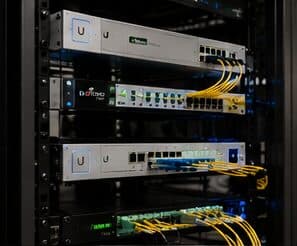
- Ubiquiti UniFi installation for retail stores in Humble
- Video wall installation for retail stores in Humble
- Wi-Fi installation for retail stores in Humble
- Wireless bridge (point-to-point) for retail stores in Humble
Popular services nearby
Frequently searched near this area — the pages people look for most.
Frequently asked questions
What do retail stores in Humble usually need first?
It varies by site, but the pattern for retail stores holds in Humble: get the network and cabling backbone right, then layer cameras and access on top. What Humble changes is the physical install — the conditions listed above drive routes and equipment placement more than the sector alone does.
How many network outlets should a retail space have?
More than the current fixture plan suggests. Retail layouts get reset, and adding a run while the ceiling is open costs a fraction of retrofitting one across a finished sales floor. Terminated spare runs at likely register and fixture positions are among the cheapest insurance in a retail fit-out.