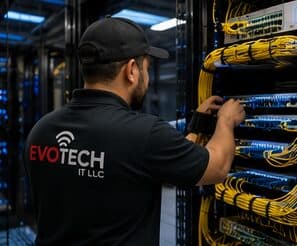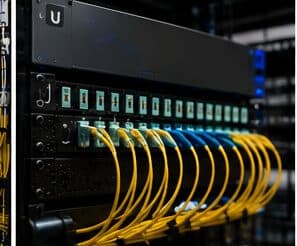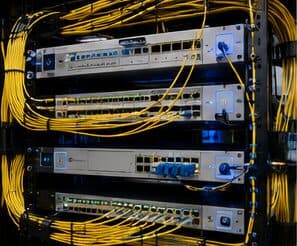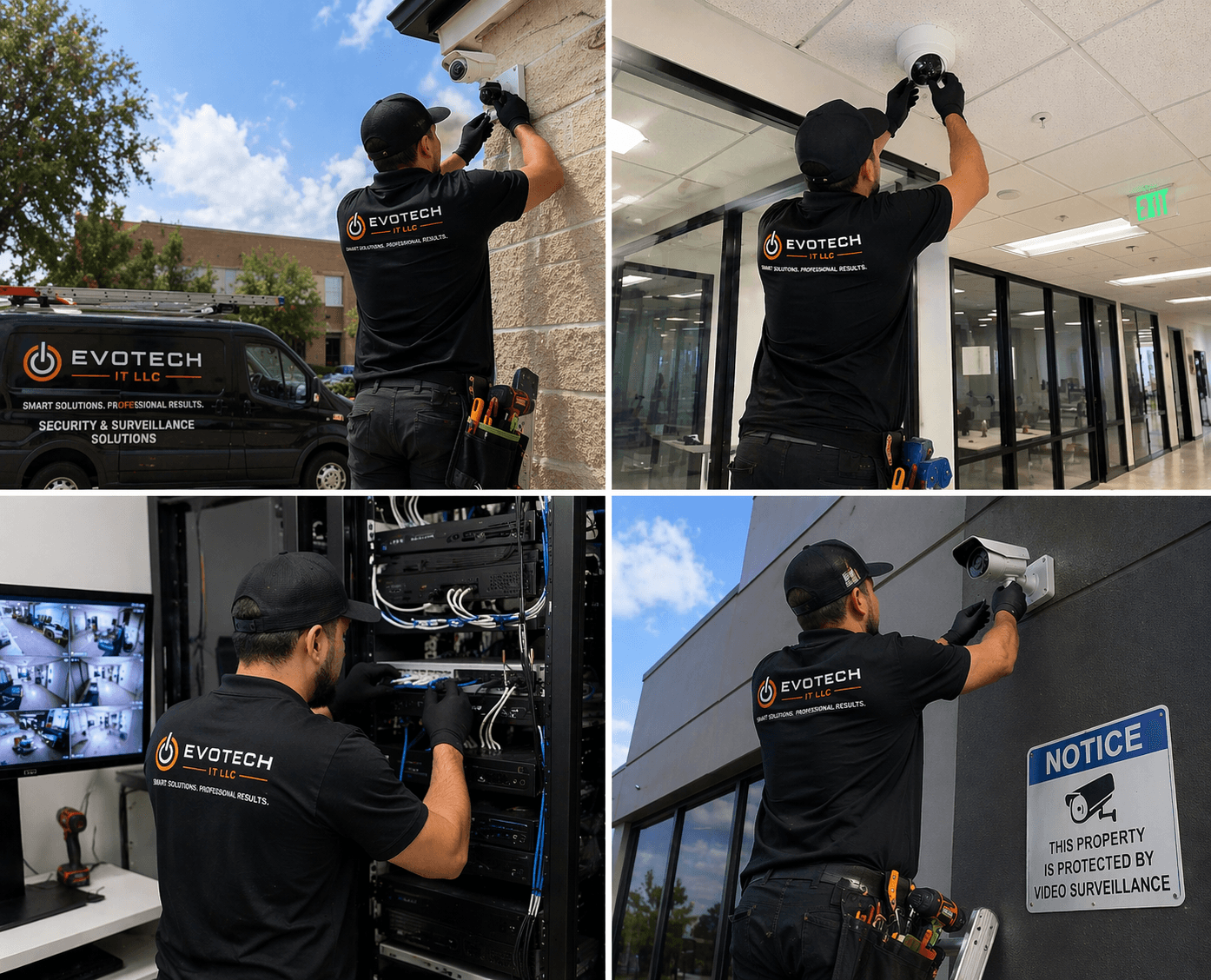
PoE camera installation for new construction, in Friendswood
PoE camera installation for new construction in Friendswood is a three-part question: what poe camera installation involves, what new construction need from it, and what Friendswood changes about the install. Established suburban homes on larger lots with mature landscaping.
A PoE camera takes its power from the same Ethernet cable that carries its video, which removes the need for a local outlet at every mounting position. That is the entire practical appeal: one run per camera, no electrician at each soffit, and centralised power that can sit behind a UPS so the cameras stay up during a short outage.
Positions to prewire even if cameras come later
Camera positions are among the cheapest things to prewire and among the most annoying to retrofit, because they are usually exterior, high, and behind finished soffit. Running cable to likely positions during rough-in preserves the option at almost no cost.
The positions worth prewiring in nearly every building: primary entrance, rear or service entrance, any delivery or receiving point, parking approaches, and the equipment room itself. In residential construction, add the front door for a doorbell and the driveway approach.
- Primary and secondary entrance positions
- Delivery, receiving, and service door approaches
- Parking and vehicle approach positions
- Doorbell position in residential builds
- Cable terminated and labeled even where no camera is installed yet
What drives the cost of poe camera installation here
The power design and the cable routes dominate.
- Camera count and their power classes
- Switch capacity, both ports and PoE budget
- Cable run count, length, and route difficulty
- Exterior mounting hardware and weather sealing
- UPS sizing
- Elevated access requirements
Friendswood: what the location changes
Established suburban homes on larger lots with mature landscaping. In Friendswood, that is where the plan begins, because it changes cable paths, device placement, and access-point counts before anything else does. Wider and multi-storey plans needing multiple wired access points. Slab-foundation construction with attic-to-interior-wall retrofit routing. None of these are generic checklist items — each moves the design in a direction a citywide assumption would miss, and the honest recommendation always depends on what this particular property allows.
- Established suburban homes on larger lots with mature landscaping
- Wider and multi-storey plans needing multiple wired access points
- Slab-foundation construction with attic-to-interior-wall retrofit routing
- Detached structures and outdoor areas needing dedicated coverage
- Mature trees affecting outdoor wireless and camera framing
Getting it done in Friendswood
The meaningful PoE test is under peak load after dark, because that is the condition that exposes budget problems.
Low-voltage rough-in happens in a specific slot: after framing and electrical, before insulation and drywall. Inside that window, running a cable anywhere is straightforward. Once drywall goes up, the same cable costs many times more and sometimes cannot be run at all.
Getting Friendswood work done means planning around the site as it actually is. Detached structures and outdoor areas needing dedicated coverage. Mature trees affecting outdoor wireless and camera framing. Both matter as much as the design to how and when the work happens. The scope is drawn from the real property, the coverage is stated as a service area rather than an office, and unverifiable specifics about Friendswood are kept off the page on purpose.
Frequently asked questions
Is poe camera installation for new construction different in Friendswood?
The sector needs stay the same, but the install changes with the place. In Friendswood, the conditions above — not the new construction label — decide routes, mounting, and equipment placement, which is why this page pairs all three.
Why do cameras reboot at night but work fine during the day?
Almost always PoE budget. Infrared illuminators engage after dark and the total draw rises, pushing the switch past its budget. It presents as intermittent camera dropouts and gets misdiagnosed as a network fault. The fix is a switch with sufficient budget and headroom, calculated from peak draw rather than idle.