Cat6A cabling for new construction, in Conroe
Cat6A cabling for new construction in Conroe is a three-part question: what cat6a cabling involves, what new construction need from it, and what Conroe changes about the install. Fast commercial and medical growth with newer buildouts and tenant-improvement conditions.
The practical decision is not whether Cat6A is better. It plainly is. The decision is which runs need it, because a Cat6A cable is noticeably thicker and stiffer, fills pathway faster, takes longer to dress into a rack, and takes longer again to terminate if it is shielded. On a large project those minutes multiply.
One window, and it does not reopen
Low-voltage rough-in happens in a specific slot: after framing and electrical, before insulation and drywall. Inside that window, running a cable anywhere is straightforward. Once drywall goes up, the same cable costs many times more and sometimes cannot be run at all.
The asymmetry is the whole story of new-construction low voltage. Decisions made cheaply during rough-in become expensive or impossible afterwards, which is why the pre-rough-in planning conversation is worth more than any equipment choice made later.
- Rough-in window sits between electrical and drywall
- Upstream delays compress the window without extending the deadline
- Post-drywall changes cost many times more, if they are possible at all
- Finish work happens months later, after paint and ceilings
Where cat6a cabling goes wrong — and how it's avoided
Cat6A mistakes tend to come from treating it as a drop-in upgrade rather than a different physical product.
- Ordering Cat6A for an existing pathway without recalculating fill
- Bundling high-PoE Cat6A as tightly as low-power Cat6
- Bonding shields at one end only, or breaking continuity with an unshielded coupler
- Certifying to Cat6 limits and calling the link Cat6A
- Forcing stiff cable into a bend radius sized for thinner cable
Conroe: what the location changes
The starting point for any Conroe job is one local fact. Fast commercial and medical growth with newer buildouts and tenant-improvement conditions. That single condition shapes where cable can run, where equipment can sit, and how coverage is laid out — more than any spec sheet does. Two more conditions weigh on it. Older commercial stock needing pathway remediation. Larger residential properties, including lake-area homes with outbuildings. Together they make the route specific to this pocket, which is why a short walkthrough or a few clear photos settle the scope faster than a floor plan can.
- Fast commercial and medical growth with newer buildouts and tenant-improvement conditions
- Older commercial stock needing pathway remediation
- Larger residential properties, including lake-area homes with outbuildings
- Detached structures and longer runs raising distance considerations
- Ongoing new construction where prewire is the high-value decision
Getting it done in Conroe
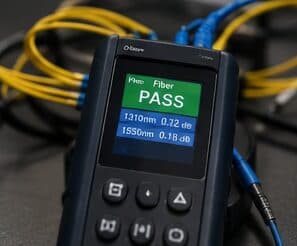
Certification to Cat6A runs the same parameter set as Cat6 but across the full 500 MHz range, where margins are naturally tighter. Passing at 250 MHz says nothing about behaviour at 500 MHz, so the test configuration has to match the intended rating.
Full system design is often not finished when the rough-in window arrives. That is normal, and it is not a reason to skip the pathway. Running conduit or sleeves to likely positions preserves the option cheaply even when the eventual equipment is undecided.
Getting Conroe work done means planning around the site as it actually is. Detached structures and longer runs raising distance considerations. Ongoing new construction where prewire is the high-value decision. Both matter as much as the design to how and when the work happens. The scope is drawn from the real property, the coverage is stated as a service area rather than an office, and unverifiable specifics about Conroe are kept off the page on purpose.
Popular services nearby
Frequently searched near this area — the pages people look for most.
Frequently asked questions
Is cat6a cabling for new construction different in Conroe?
The sector needs stay the same, but the install changes with the place. In Conroe, the conditions above — not the new construction label — decide routes, mounting, and equipment placement, which is why this page pairs all three.
Is Cat6A worth it if nothing today runs 10 gigabit?
Sometimes. The argument for it is that reopening a ceiling is far more expensive than the cable premium, so runs that are hard to reach and likely to matter later are good candidates. The argument against blanket use is pathway fill and labour. A common middle path is Cat6A on uplinks, dense areas, and inaccessible runs, with Cat6 elsewhere.