Commercial Wi-Fi for new construction, in Conroe
Commercial Wi-Fi for new construction in Conroe is a three-part question: what commercial wi-fi involves, what new construction need from it, and what Conroe changes about the install. Fast commercial and medical growth with newer buildouts and tenant-improvement conditions.
The second thing commercial wireless has to solve, which home networks do not, is separation. Guest devices, staff devices, point-of-sale terminals, cameras, and building systems have no business sharing one flat network. Keeping them apart limits what a compromised device can reach and makes troubleshooting far simpler.
One window, and it does not reopen
Low-voltage rough-in happens in a specific slot: after framing and electrical, before insulation and drywall. Inside that window, running a cable anywhere is straightforward. Once drywall goes up, the same cable costs many times more and sometimes cannot be run at all.
The asymmetry is the whole story of new-construction low voltage. Decisions made cheaply during rough-in become expensive or impossible afterwards, which is why the pre-rough-in planning conversation is worth more than any equipment choice made later.
- Rough-in window sits between electrical and drywall
- Upstream delays compress the window without extending the deadline
- Post-drywall changes cost many times more, if they are possible at all
- Finish work happens months later, after paint and ceilings
Where commercial wi-fi goes wrong — and how it's avoided
Commercial deployments fail in recognisable ways.
- Designing for coverage and discovering the capacity problem in the first all-hands meeting
- Running one flat network for staff, guests, payments, and cameras
- Surveying a warehouse before the racking is stocked
- Mounting access points above ceiling tiles for appearance
- Sizing the switch for today's AP count with no PoE headroom
- Leaving channel and power selection entirely automatic in a dense multi-tenant building
Conroe: what the location changes
What separates a Conroe scope from the rest of the city is concrete and local. Fast commercial and medical growth with newer buildouts and tenant-improvement conditions. Older commercial stock needing pathway remediation. Larger residential properties, including lake-area homes with outbuildings. That short list is what actually drives the design in this pocket, and it is why photographs or a brief site visit beat a floor plan — the plan follows the building's real constraints, not the neighborhood name on the map.
- Fast commercial and medical growth with newer buildouts and tenant-improvement conditions
- Older commercial stock needing pathway remediation
- Larger residential properties, including lake-area homes with outbuildings
- Detached structures and longer runs raising distance considerations
- Ongoing new construction where prewire is the high-value decision
Getting it done in Conroe
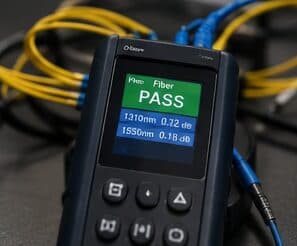
Commercial validation happens under load, because an empty office at eight in the morning tells you almost nothing about a full one at eleven.
Full system design is often not finished when the rough-in window arrives. That is normal, and it is not a reason to skip the pathway. Running conduit or sleeves to likely positions preserves the option cheaply even when the eventual equipment is undecided.
Execution in Conroe is planned around real conditions, not a template. Detached structures and longer runs raising distance considerations. Ongoing new construction where prewire is the high-value decision. These decide the sequence, the access, and the method as much as the design does. EVOTECH describes Conroe as coverage rather than a place it occupies, and omits any area detail it cannot confirm — building and site conditions only, no invented landmarks or promised arrival times.
Popular services nearby
Frequently searched near this area — the pages people look for most.
Frequently asked questions
Is commercial wi-fi for new construction different in Conroe?
The sector needs stay the same, but the install changes with the place. In Conroe, the conditions above — not the new construction label — decide routes, mounting, and equipment placement, which is why this page pairs all three.
How many access points does a business space need?
It comes out of density rather than area. A quiet office floor might be covered by a handful of access points; a conference-heavy floor with the same square footage might need more, concentrated where people gather. The count is an output of counting devices per area and understanding what they do — which is why a walkthrough beats a per-square-foot rule.