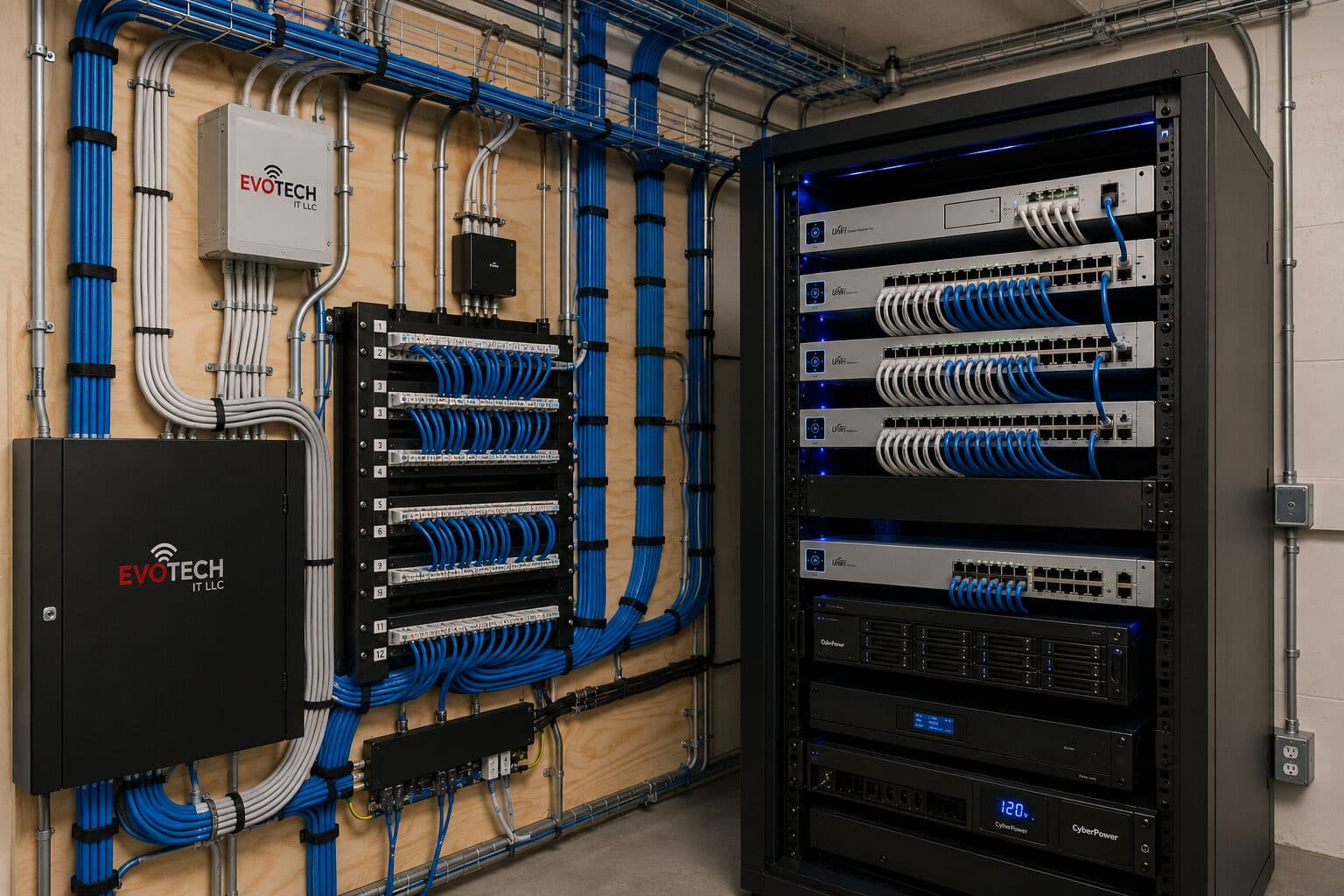
Why this page exists
Cat6A cabling for churches is shaped by how the space is used, not just by the service itself. Churches bring their own operating constraints, and this page pairs what cat6a cabling actually involves with what that environment changes about it.
Cat6A is specified to 500 MHz and supports 10GBASE-T across a full 100-metre channel. It achieves that mainly by controlling alien crosstalk — the interference between adjacent cables that constrains Cat6 at 10G — through larger construction, tighter pair geometry, and in shielded variants a foil layer.
Built for volunteers, used intermittently
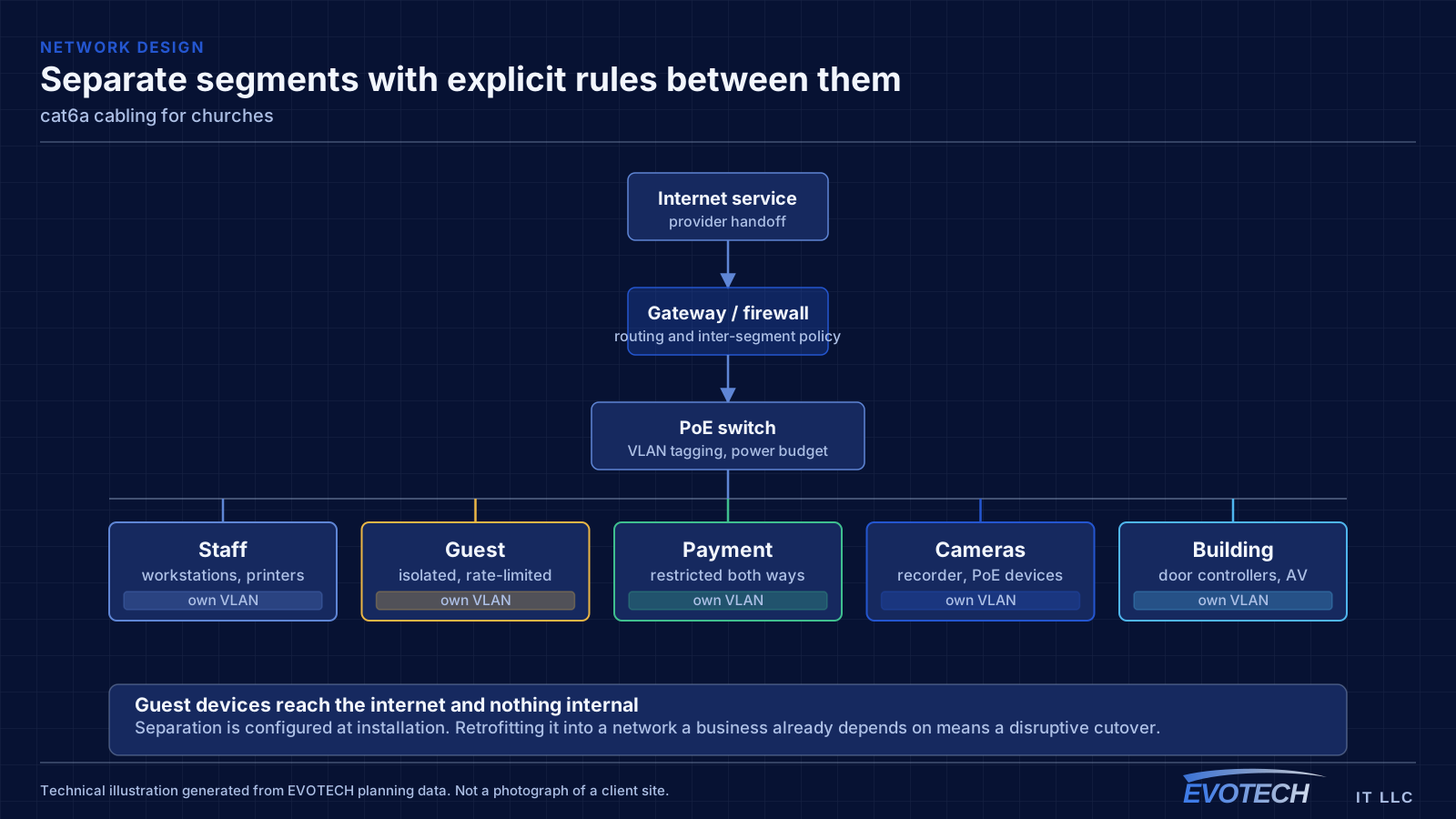
The defining constraint in church technology is who operates it. Systems are typically run by volunteers who rotate, may have limited technical background, and are operating live in front of a congregation. A system that requires specialist knowledge to start is a system that will fail publicly.
The second constraint is the building. Sanctuaries are large, often with high ceilings and hard reflective surfaces, and were frequently not designed with audio or cable pathways in mind. Older buildings add masonry walls, limited ceiling access, and additions built across several decades.
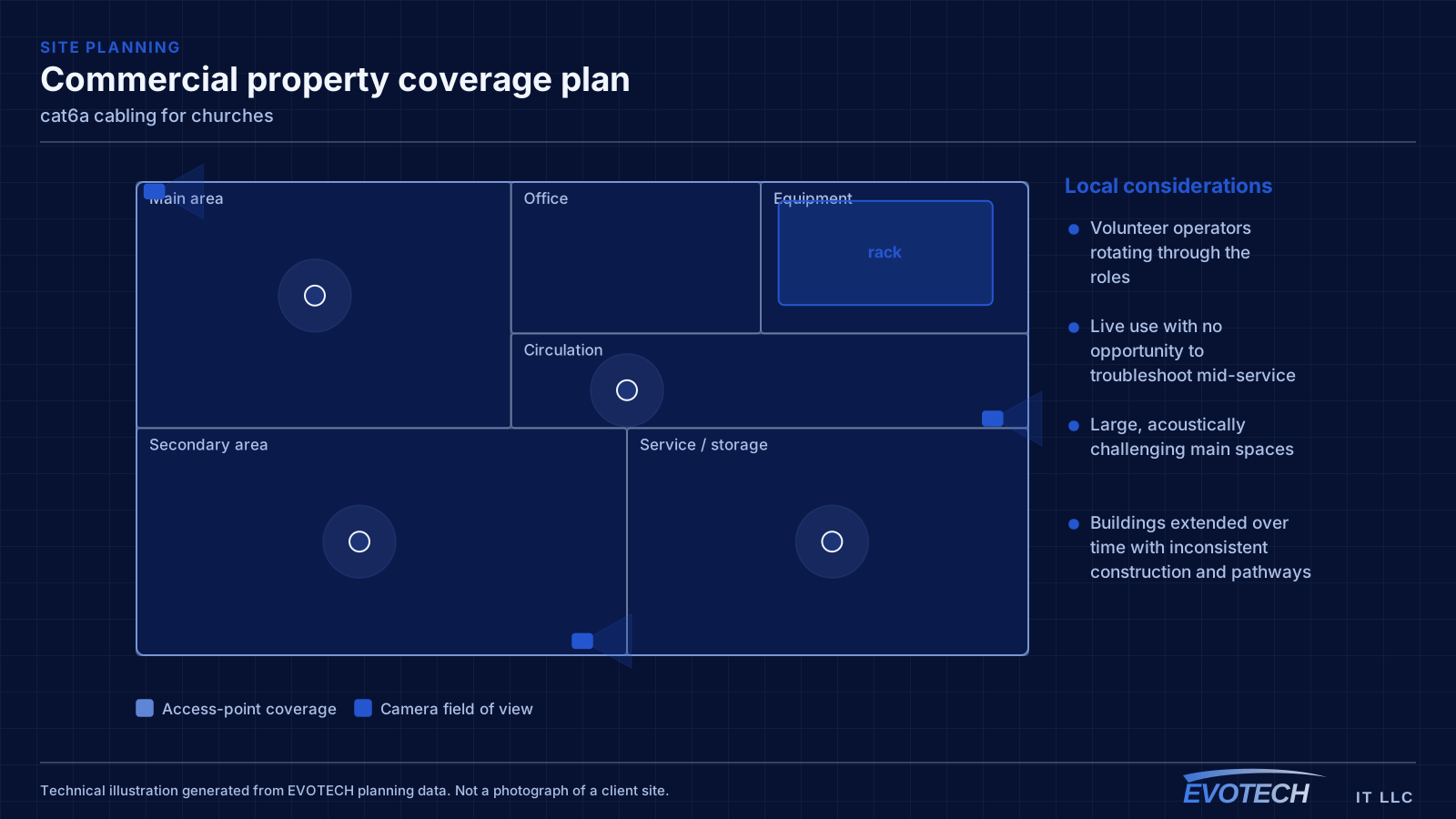
- Volunteer operators rotating through the roles
- Live use with no opportunity to troubleshoot mid-service
- Large, acoustically challenging main spaces
- Buildings extended over time with inconsistent construction and pathways
- Many small rooms used intermittently rather than continuously
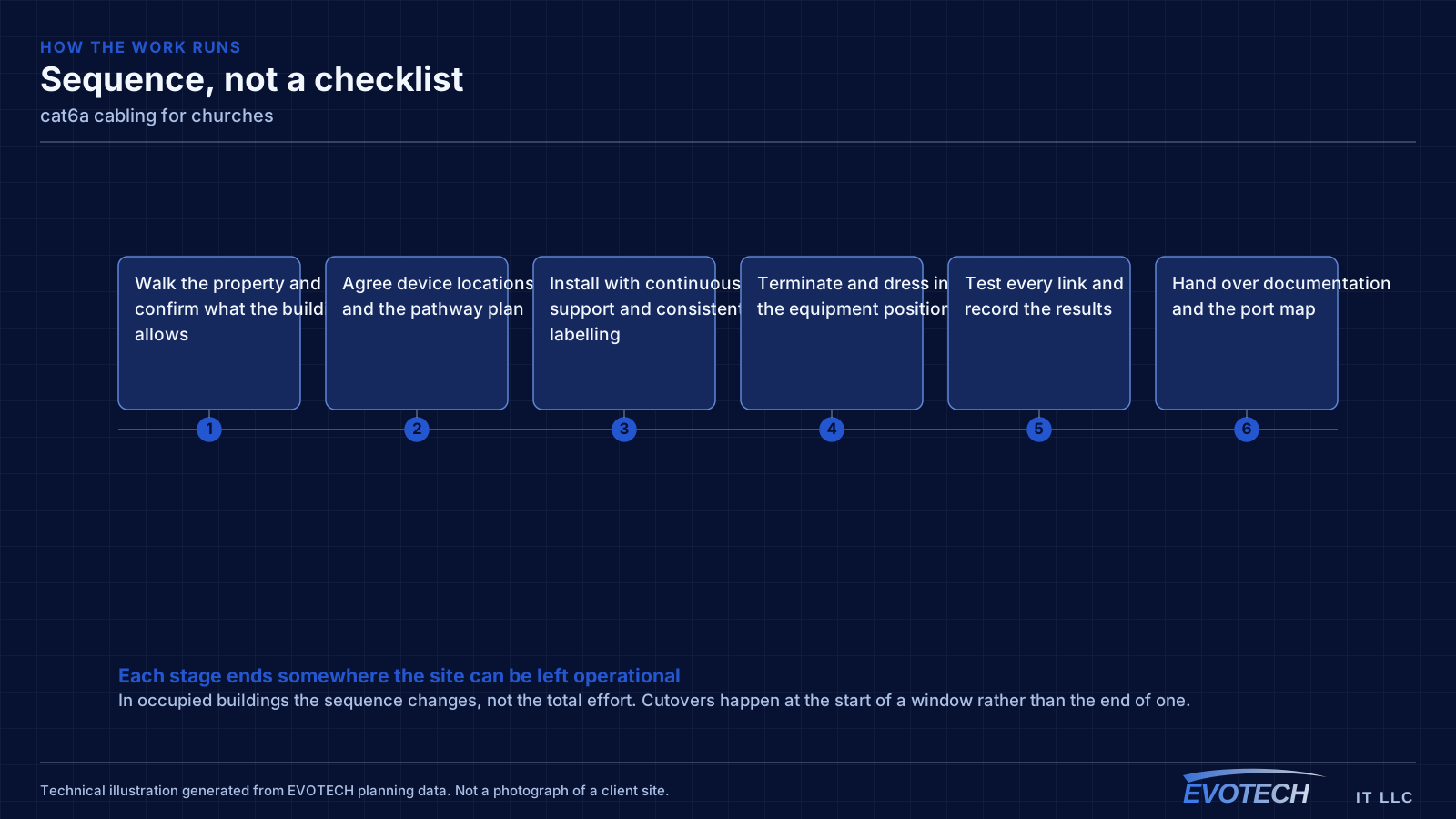
What cat6a cabling usually involves
The problems Cat6A solves are specific and measurable. In dense bundles, alien crosstalk raises the noise floor for every cable in the group, and 10G links are the first to suffer. In high-power PoE bundles, conductor heating raises insertion loss, which reduces margin at exactly the frequencies 10G depends on.
The problems Cat6A creates are logistical. A pathway sized for Cat6 may not accept the same count in Cat6A. A rack designed for tidy Cat6 dressing gets crowded. Shielded terminations demand consistent bonding, and inconsistent bonding is worse than no shield at all.
- Alien crosstalk in dense bundles degrading 10G links
- PoE-driven temperature rise increasing insertion loss and reducing margin
- Pathway fill limits reached sooner than planned
- Shield continuity broken at one termination, undermining the whole run
- Tight bend radius in the rack deforming a stiffer cable more than it would Cat6
Campus coverage and the systems that share it
Church networks often have to cover a surprising spread: a sanctuary, classrooms, offices, a fellowship hall, and sometimes separate buildings. Where separate structures are involved, the link between them should be fiber rather than copper, both for distance and because a copper run between buildings carries genuine electrical risk.
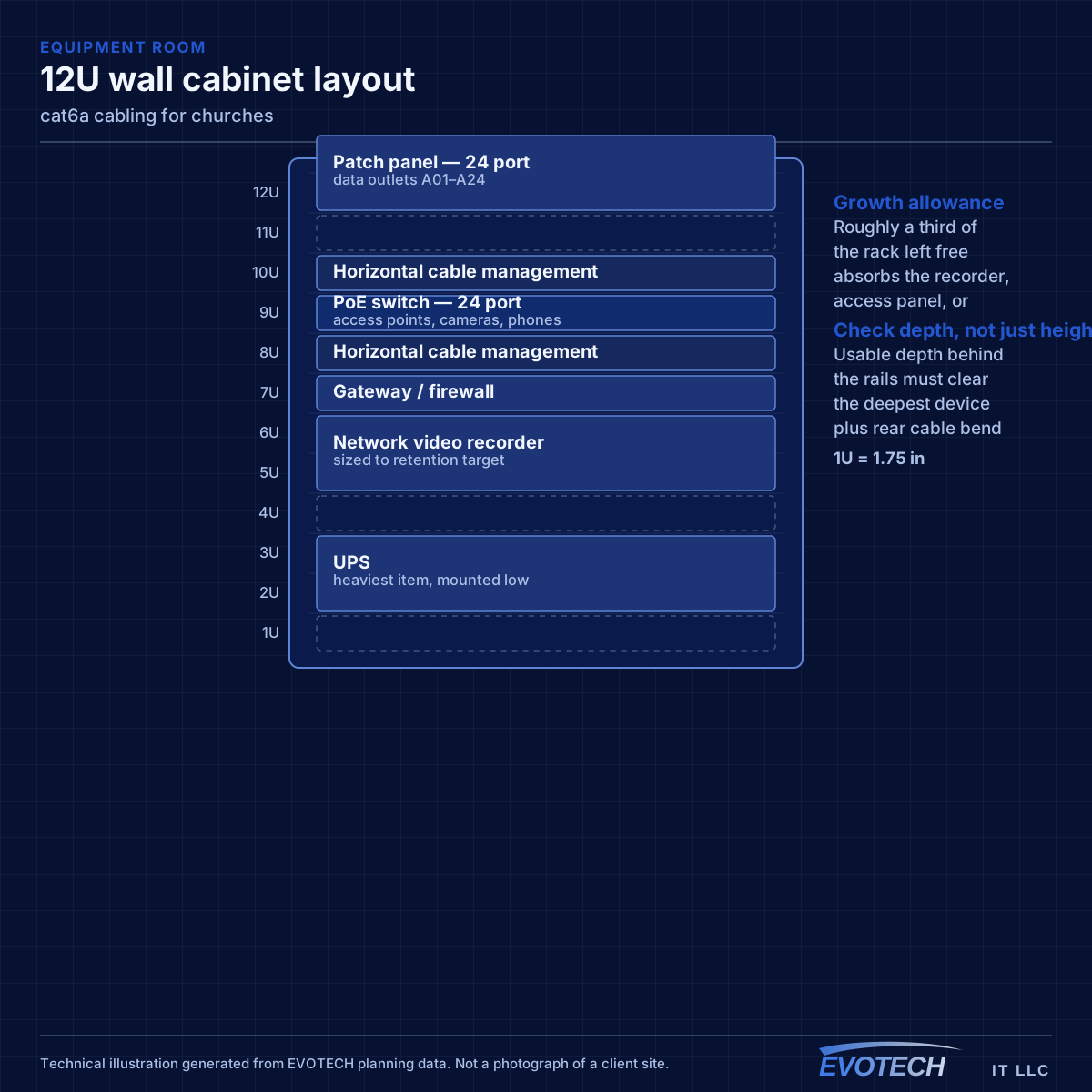
Segmentation is worth doing here for a specific reason: churches typically offer guest wireless, run children's-ministry check-in systems, operate AV equipment on the network, and have office computers handling sensitive information. Those should not share one flat network, and separating them is straightforward at installation.
Streaming has become a standard requirement, and it adds an upload-bandwidth dependency that most other building systems do not have. Confirming the circuit's upload capacity, and separating streaming traffic so it does not contend with guest use during a service, is worth doing before rather than after the first stream.
- Fiber between separate buildings on the campus
- Separate segments for guest, office, AV, and check-in systems
- Upload bandwidth confirmed where services are streamed
- Coverage extended to classrooms and fellowship areas, not just the sanctuary
- AV control devices wired rather than depending on wireless during a service
Bandwidth headroom, bundle heat, and shield bonding
The 500 MHz specification is the headline, but the parameter that distinguishes Cat6A in practice is power sum alien near-end crosstalk. That is the measurement that describes how much a cable is disturbed by its neighbours, and it is the reason Cat6A cable is physically larger — separation between cables is part of the design, not an accident of manufacturing.
- 500 MHz specification supporting 10GBASE-T to 100 m
- Power sum alien crosstalk control through physical construction
- PoE heat rise increases insertion loss; bundle size and airflow are design inputs
- Shield continuity and bonding must be consistent end to end
- Larger diameter changes pathway fill calculations
Popular services nearby
Frequently searched near this area — the pages people look for most.
Frequently asked questions
What changes about cat6a cabling in churches?
The operating environment does. Churches bring specific constraints — how the space is used, when work can happen, and what has to keep running — and those shape the cat6a cabling plan as much as the service's own technical requirements.
Is Cat6A worth it if nothing today runs 10 gigabit?
Sometimes. The argument for it is that reopening a ceiling is far more expensive than the cable premium, so runs that are hard to reach and likely to matter later are good candidates. The argument against blanket use is pathway fill and labour. A common middle path is Cat6A on uplinks, dense areas, and inaccessible runs, with Cat6 elsewhere.
What makes a church AV system volunteer-friendly?
A small number of clearly labeled controls that produce the normal configuration reliably, with complexity hidden behind them. If starting a service requires selecting sources, adjusting levels, and remembering a sequence, it will eventually fail during a service. The design goal is that a new volunteer can run the routine case on their first attempt.