
Why this page exists
Security-camera installation in Webster is scoped around the same physical realities EVOTECH weighs everywhere — but read through Webster's specific conditions: a concentration of medical suites with controlled areas and clinical scheduling. This page pairs what the service actually involves with what the Webster market changes about it.
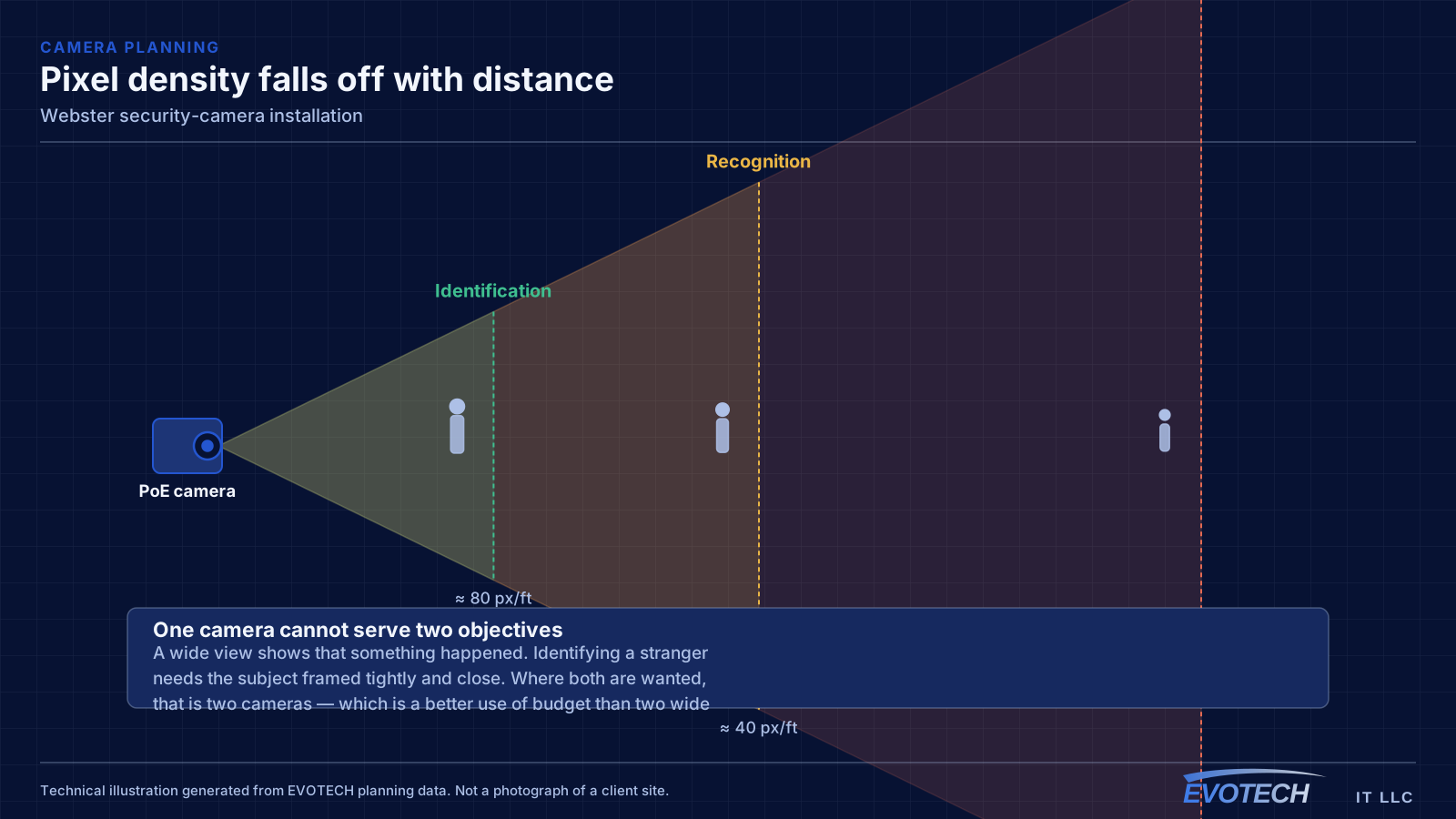
The useful design question is not how many cameras a property needs. It is what each camera has to accomplish. Detecting that a person is present, recognising someone you already know, and identifying a stranger from footage are three different requirements, and they need increasing pixel density on the subject. Planning guidance commonly cited from industry standards puts detection in the region of ten pixels per foot of subject, recognition around forty, and identification around eighty.
What security-camera installation usually involves
The dominant complaint about existing systems is footage that shows an event happened without showing anything useful about it. That is a design outcome: the camera was too far away, the lens too wide, or the scene lit so that the subject appears as a silhouette.
Backlighting is the specific and very common version of this. A camera pointed at a glass entrance during daylight sees a bright background and a dark figure. Wide dynamic range helps, but positioning that avoids shooting directly into the light source helps more.
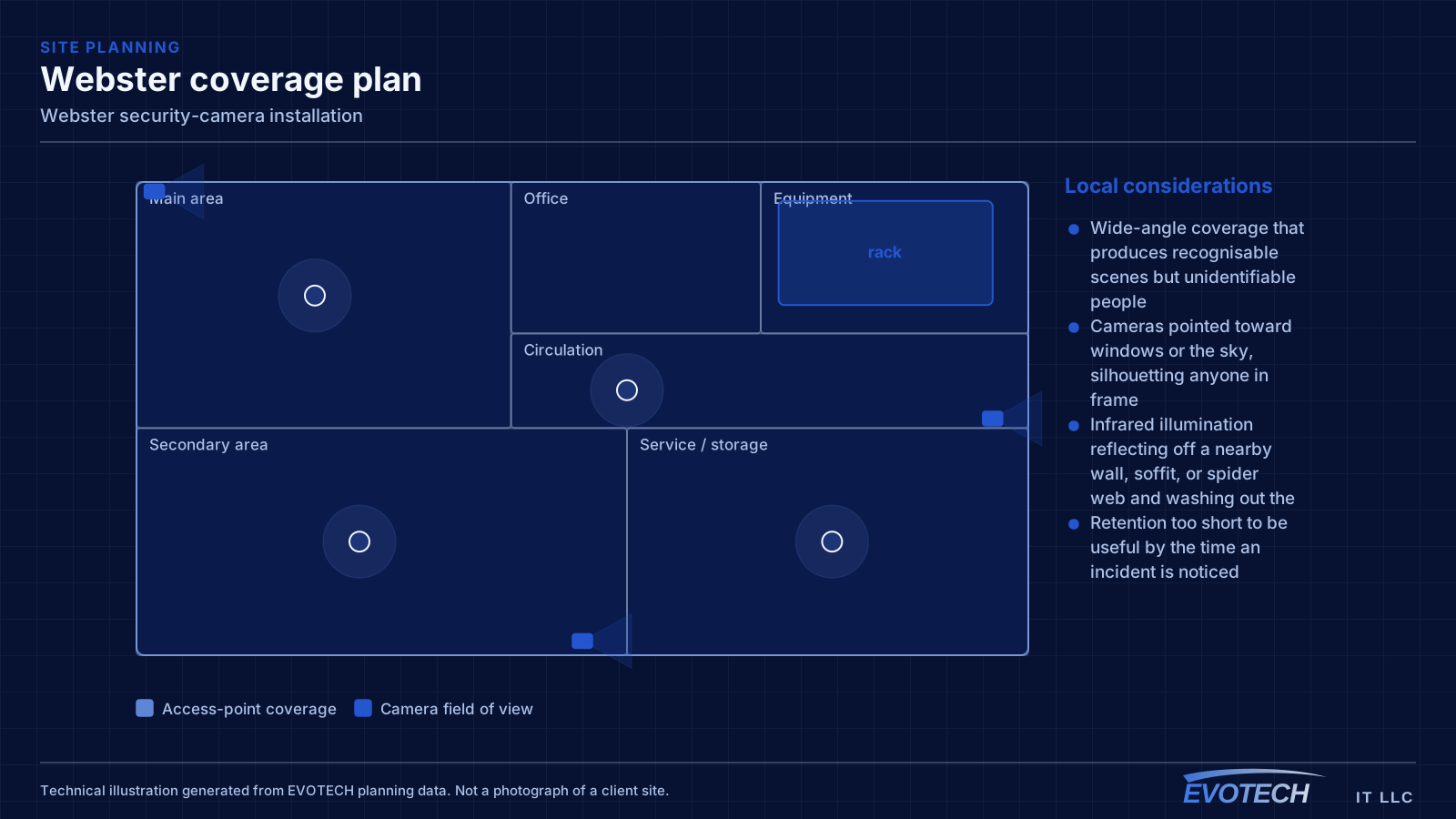
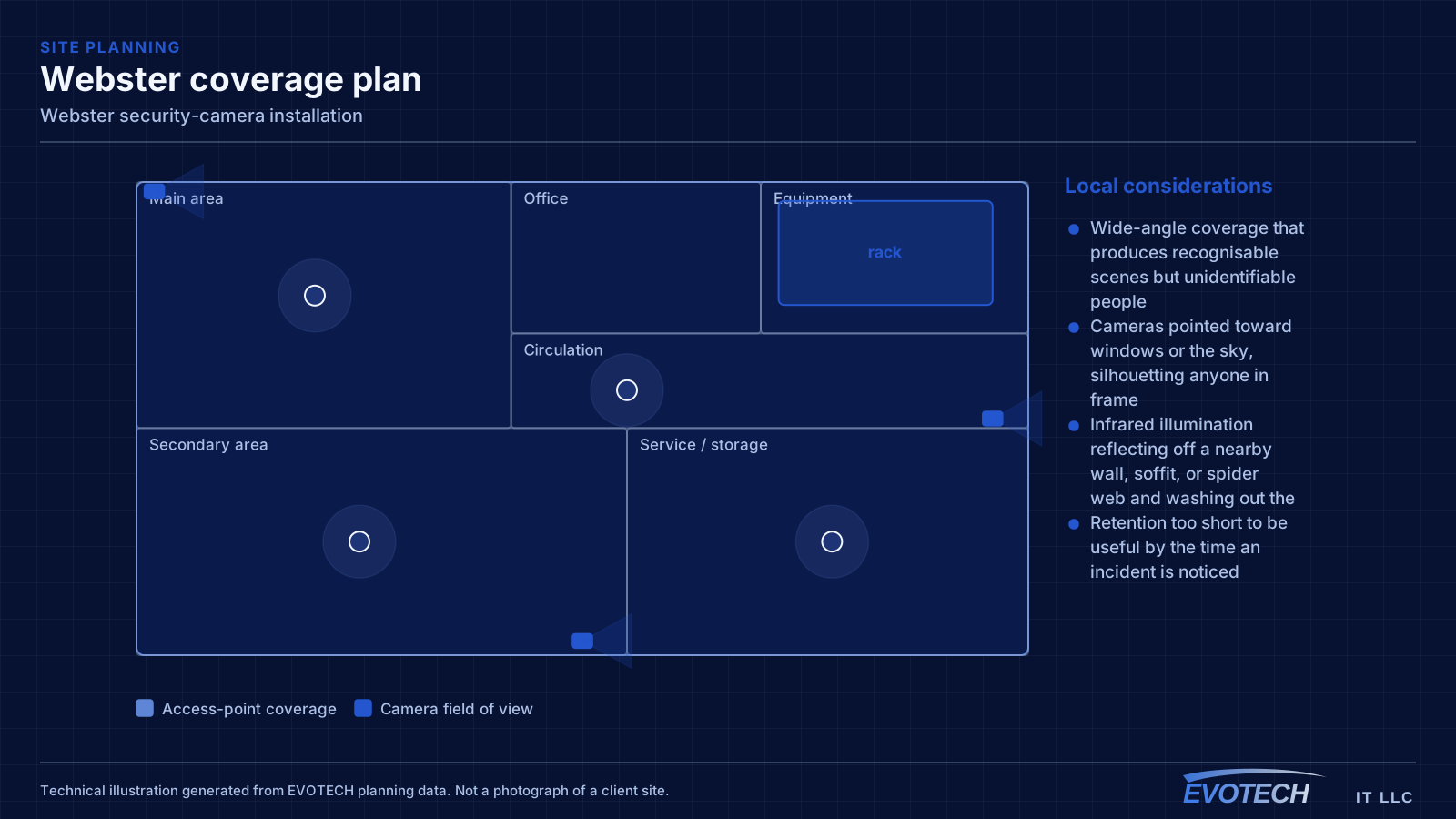
- Wide-angle coverage that produces recognisable scenes but unidentifiable people
- Cameras pointed toward windows or the sky, silhouetting anyone in frame
- Infrared illumination reflecting off a nearby wall, soffit, or spider web and washing out the image
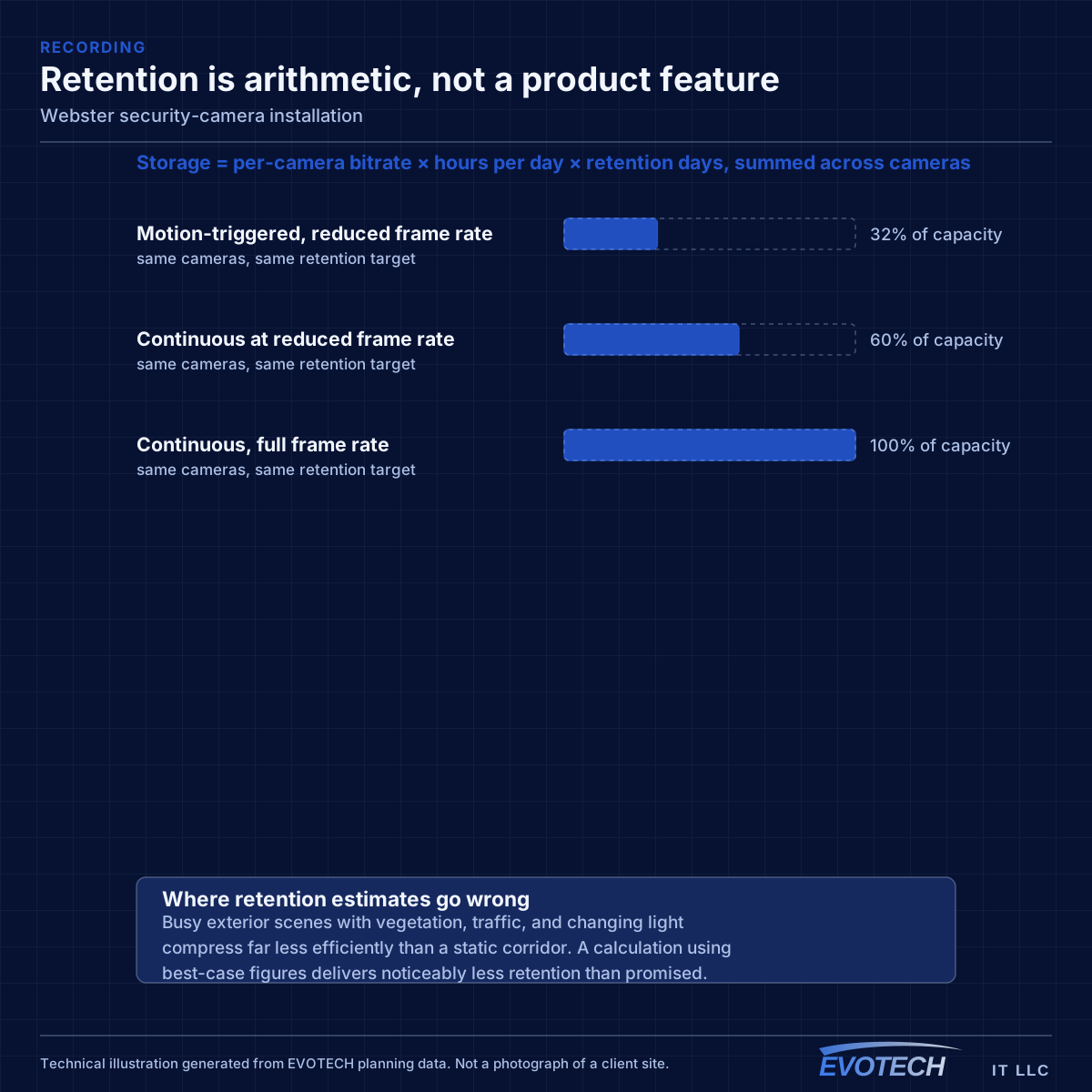
- Retention too short to be useful by the time an incident is noticed
- No remote access configured, so footage is only available on site
- Cameras mounted where they are exposed to tampering or weather they were not rated for
Webster property conditions that change the plan
Medical suites bring controlled areas — records and medication storage — that drive access-control scope and camera boundaries, and clinical schedules that constrain cutovers. Retail and hospitality bring payment and guest segmentation, and storefront glazing that complicates entrance cameras.
Multi-tenant buildings add base-building permissions that often shape the schedule more than the technical scope.
Medical work agrees controlled-area and camera boundaries and schedules cutovers around clinical sessions. Retail and hospitality separate payment, guest, and operations traffic. Multi-tenant permissions are confirmed before scheduling.
- Medical suites with controlled areas
- Retail and hospitality with segmentation needs
- Multi-tenant buildings with base-building rules
- Suspended-grid tenant-improvement buildouts
- Storefront glazing affecting entrance cameras
- Controlled-area and camera boundaries in medical suites
- Payment, guest, and operations segmentation in retail and hospitality
- Base-building permissions confirmed before scheduling
- Entrance cameras framed to avoid storefront backlighting
- Cutovers scheduled around clinical sessions
Getting security-camera installation done in Webster
Pixel density on the target is the governing figure. It falls off with distance and with wider fields of view, so the design pairs each camera's resolution and lens with the distance to the area it must cover. A camera intended for identification at an entry door is placed close and framed tightly; a camera intended to show general activity across a yard is framed wide and is not expected to identify anyone.
Client- and patient-facing areas need containment and clean reinstatement; after-hours access is arranged through building management; residential follows summer attic scheduling.
- Containment and clean reinstatement in finished areas
- After-hours access through building management
- Medical cutovers around clinical sessions
- Rated exterior housings and sealed penetrations
- Residential attic work scheduled early in summer
Popular services nearby
Frequently searched near this area — the pages people look for most.
Frequently asked questions
Does EVOTECH have an office in Webster?
No. This is a service-area page: EVOTECH serves Webster without claiming a physical office there. The wording stays as coverage, not a location claim.
How many cameras does a property need?
Count objectives, not walls. Each area needs a stated purpose — detect activity, recognise a known person, or identify a stranger — and the camera serving it is chosen for that purpose. A property with four well-framed cameras at the points that matter usually produces more useful footage than one with twelve wide shots covering everything approximately.
Does EVOTECH have an office in Webster?
No. This site does not claim a physical office in Webster or anywhere else. Webster is described as a service-area market — coverage, not a location claim.