
Why this page exists
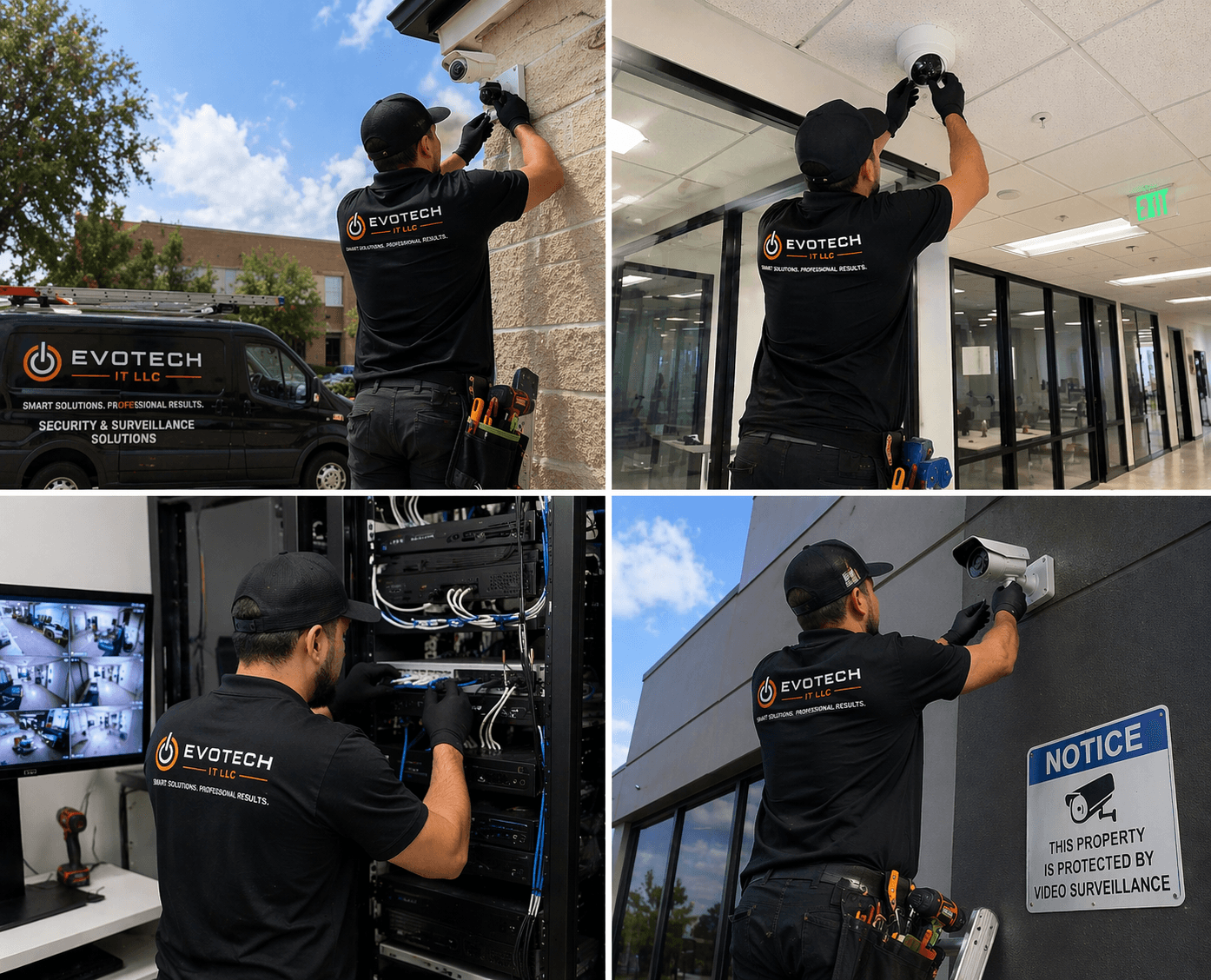
NVR installation in Webster is scoped around the same physical realities EVOTECH weighs everywhere — but read through Webster's specific conditions: a concentration of medical suites with controlled areas and clinical scheduling. This page pairs what the service actually involves with what the Webster market changes about it.
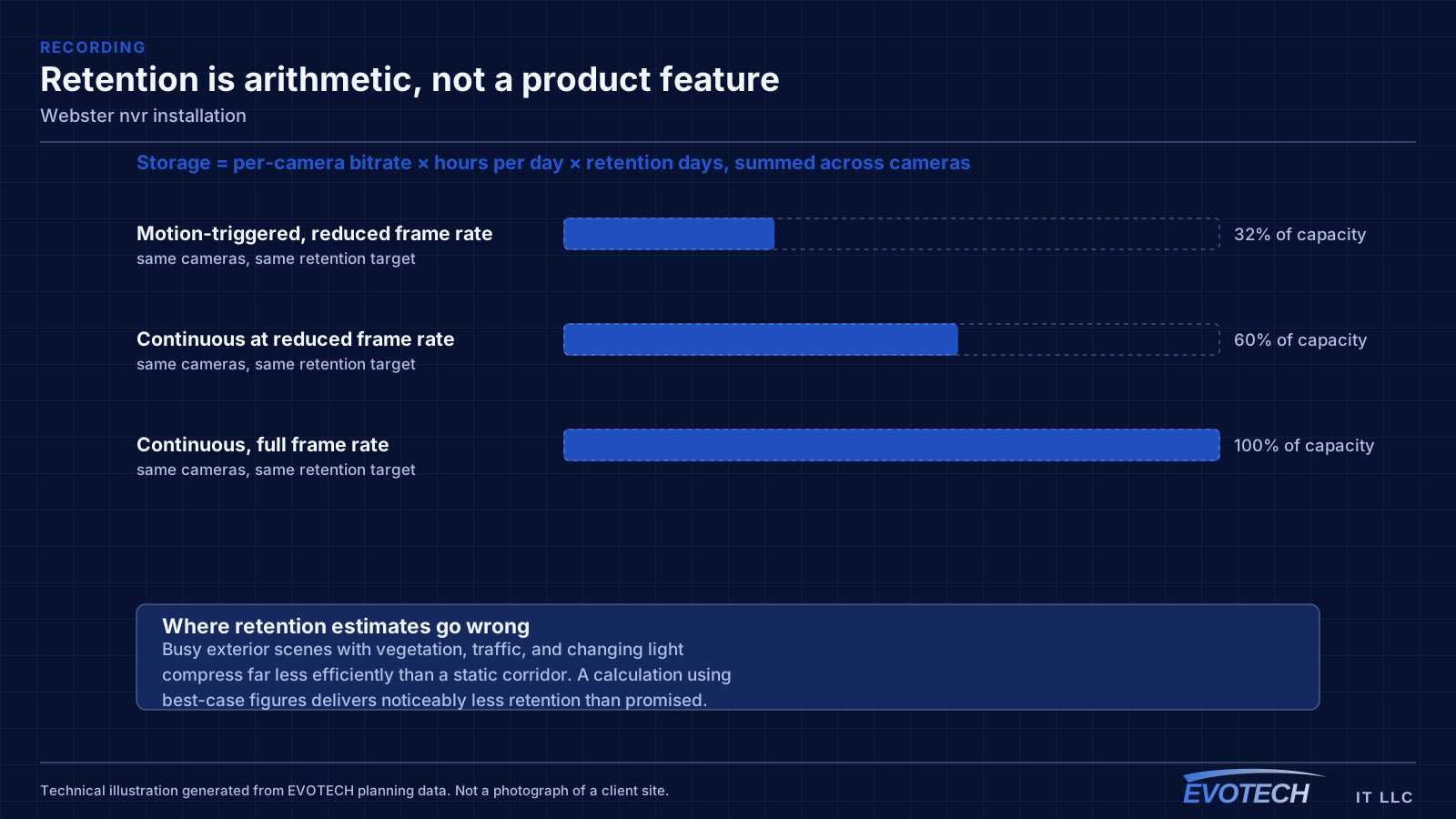
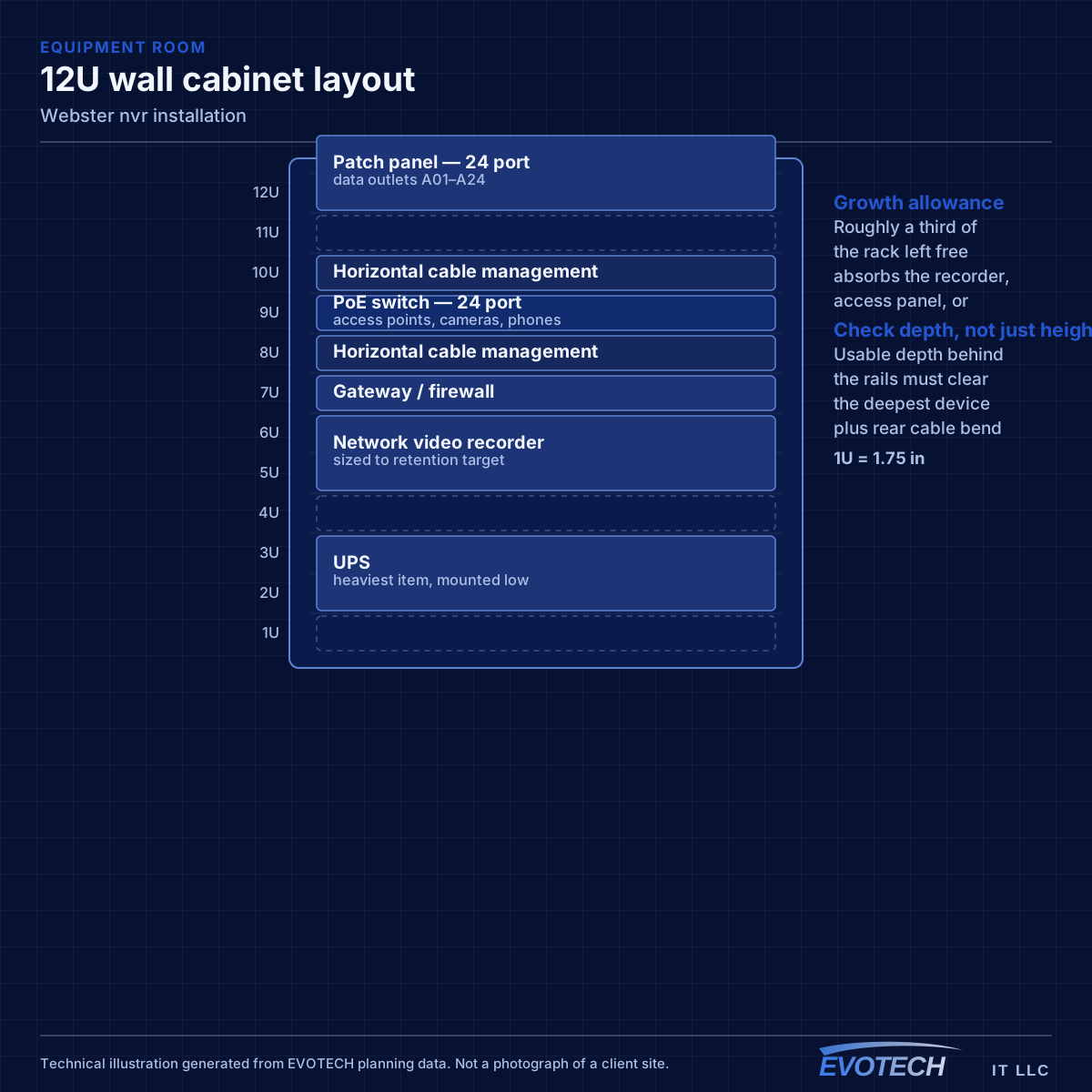
A network video recorder receives streams from the cameras, writes them to disk, and serves them back for review. Its capacity determines how far back the footage goes, and that number is arithmetic, not a product feature: camera count, resolution, frame rate, compression efficiency, and how much of the day actually gets recorded all multiply together against the drive capacity.
What nvr installation usually involves
The recurring problem is retention that does not match the expectation. It is rarely deception — it is usually that the estimate assumed motion-triggered recording, a modest frame rate, or a compression ratio that busy outdoor scenes do not deliver. A camera watching a parking area with moving trees generates far more data than one watching a quiet corridor.
The second problem is drive selection. Recorders write continuously to their drives, which is a different duty cycle from a desktop computer. Drives designed for continuous surveillance write loads last considerably longer in that role than general-purpose drives, and a recorder with no drive health monitoring will simply stop recording one day without announcing it.
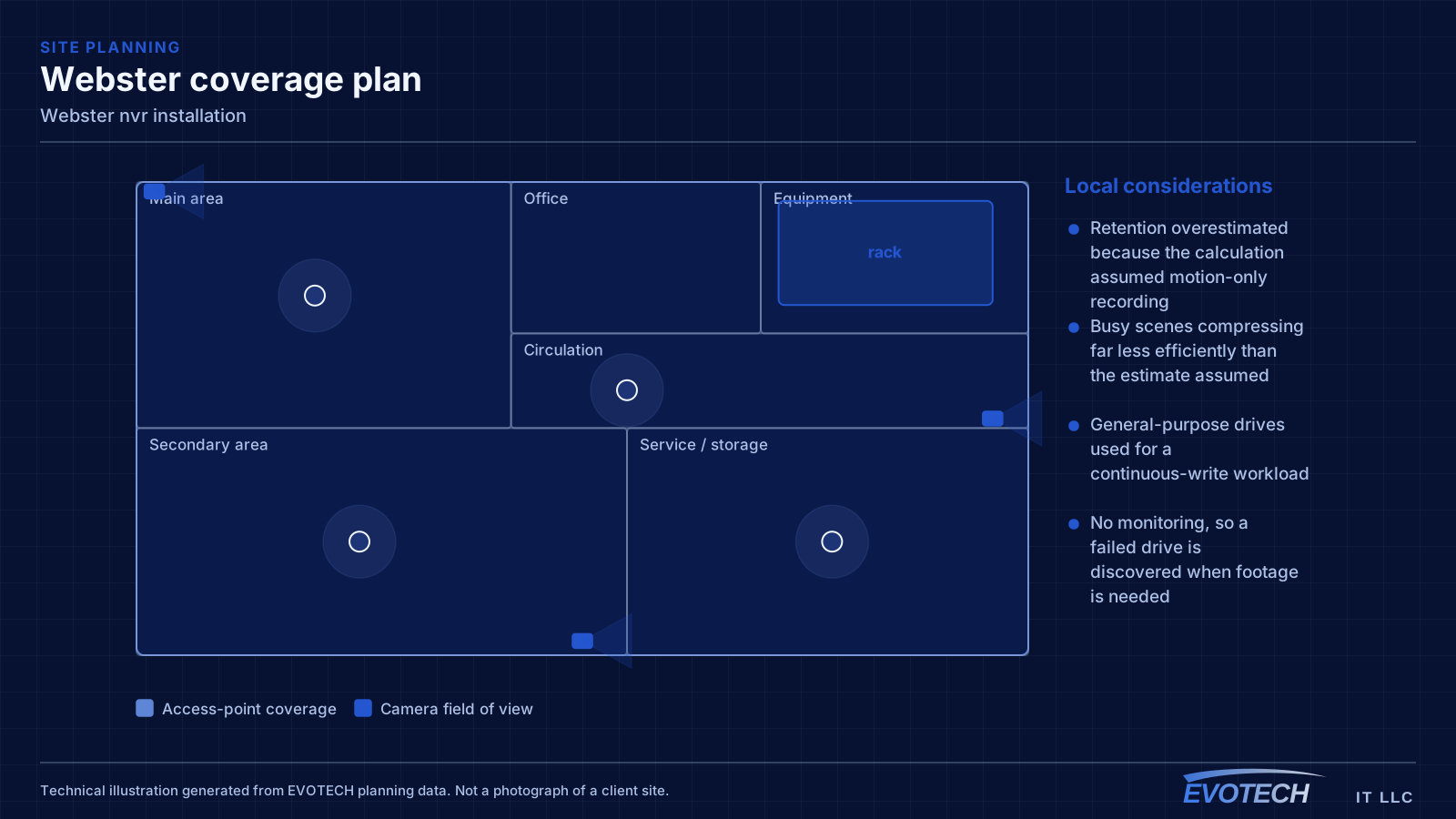
- Retention overestimated because the calculation assumed motion-only recording
- Busy scenes compressing far less efficiently than the estimate assumed
- General-purpose drives used for a continuous-write workload
- No monitoring, so a failed drive is discovered when footage is needed
- Recorder exposed directly to the internet for remote viewing
- Default credentials left in place
Webster property conditions that change the plan
Medical suites bring controlled areas — records and medication storage — that drive access-control scope and camera boundaries, and clinical schedules that constrain cutovers. Retail and hospitality bring payment and guest segmentation, and storefront glazing that complicates entrance cameras.
Multi-tenant buildings add base-building permissions that often shape the schedule more than the technical scope.
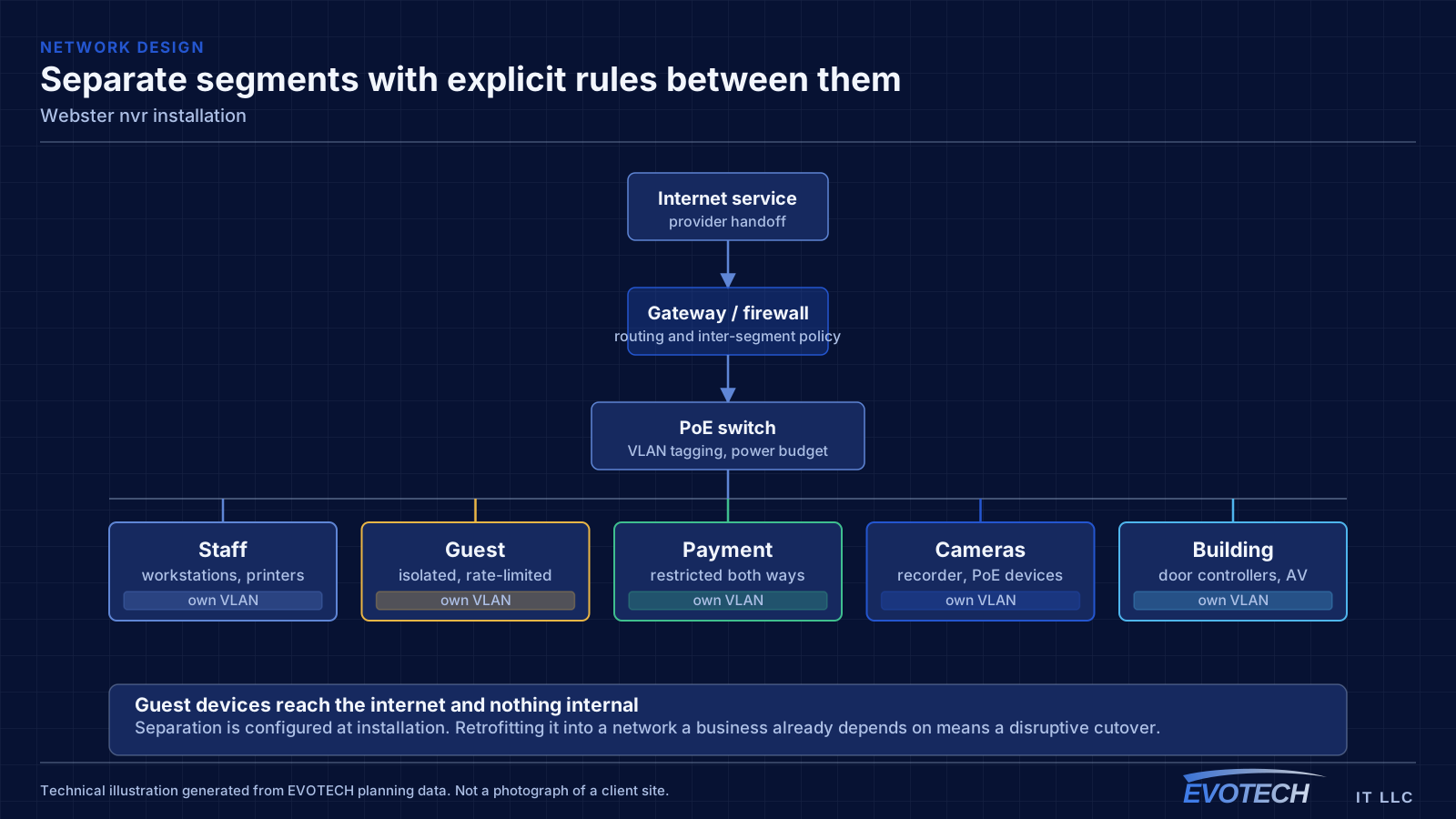
Medical work agrees controlled-area and camera boundaries and schedules cutovers around clinical sessions. Retail and hospitality separate payment, guest, and operations traffic. Multi-tenant permissions are confirmed before scheduling.
- Medical suites with controlled areas
- Retail and hospitality with segmentation needs
- Multi-tenant buildings with base-building rules
- Suspended-grid tenant-improvement buildouts
- Storefront glazing affecting entrance cameras
- Controlled-area and camera boundaries in medical suites
- Payment, guest, and operations segmentation in retail and hospitality
- Base-building permissions confirmed before scheduling
- Entrance cameras framed to avoid storefront backlighting
- Cutovers scheduled around clinical sessions
Getting nvr installation done in Webster
Storage need is the product of per-camera bitrate, hours recorded per day, and retention days, summed across cameras. Bitrate rises with resolution and frame rate, and falls with more efficient compression — but compression efficiency depends on the scene. Static indoor views compress well; exterior views with moving foliage, traffic, or changing light compress poorly. A safe calculation uses the higher end of the expected bitrate range rather than the marketing figure.
Client- and patient-facing areas need containment and clean reinstatement; after-hours access is arranged through building management; residential follows summer attic scheduling.
- Containment and clean reinstatement in finished areas
- After-hours access through building management
- Medical cutovers around clinical sessions
- Rated exterior housings and sealed penetrations
- Residential attic work scheduled early in summer
Popular services nearby
Frequently searched near this area — the pages people look for most.
Frequently asked questions
Does EVOTECH have an office in Webster?
No. This is a service-area page: EVOTECH serves Webster without claiming a physical office there. The wording stays as coverage, not a location claim.
How much storage is needed for 30 days of footage?
It is a calculation, not a fixed number: per-camera bitrate multiplied by hours recorded per day multiplied by thirty, summed across cameras. Resolution, frame rate, recording mode, and how busy each scene is all move the result substantially. Two eight-camera systems can differ by a factor of three for the same retention target.
Does EVOTECH have an office in Webster?
No. This site does not claim a physical office in Webster or anywhere else. Webster is described as a service-area market — coverage, not a location claim.