

Why this page exists
Digital signage in Webster is scoped around the same physical realities EVOTECH weighs everywhere — but read through Webster's specific conditions: a concentration of medical suites with controlled areas and clinical scheduling. This page pairs what the service actually involves with what the Webster market changes about it.
A digital sign is not a television. It runs many hours a day, often near a window in bright ambient light, and it has to show scheduled content on its own without anyone touching it. That means a display rated for commercial duty cycle and adequate brightness, a content player that drives it reliably, and a way to change what it shows remotely — so a menu, a promotion, or a directory can be updated from a desk rather than a step-ladder.
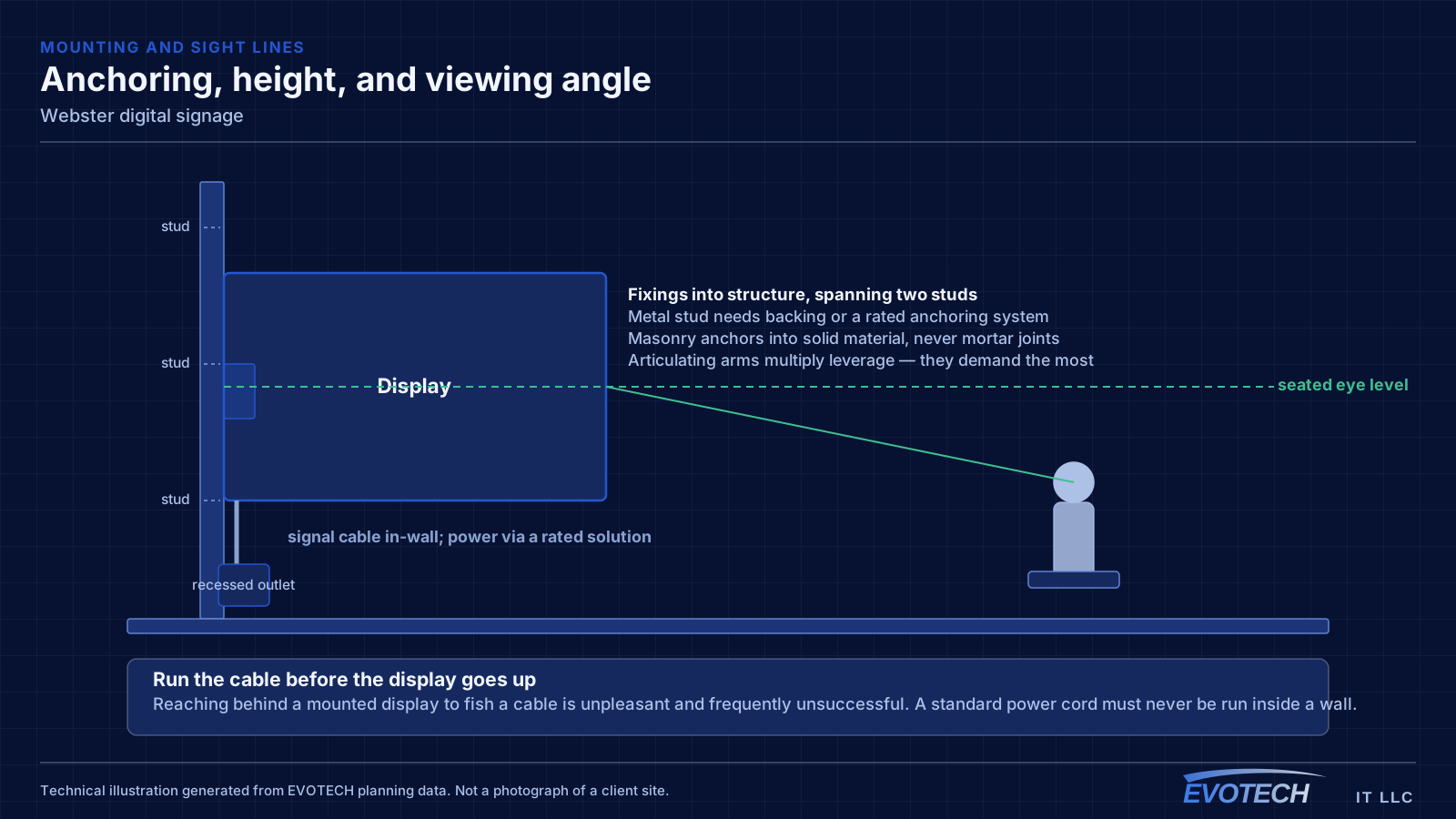
What digital signage usually involves
The first failure is the display itself: a consumer television running twelve hours a day in a commercial setting is being used outside what it was built for, and it degrades or fails on a timescale that makes it a false economy. Commercial displays are rated for the hours and, where needed, for higher brightness.
The second failure is content. A sign is only as useful as the ease of changing it. Without a proper content player and a remote management path, updates require physically visiting the screen with a drive, which means they stop happening and the sign goes stale.
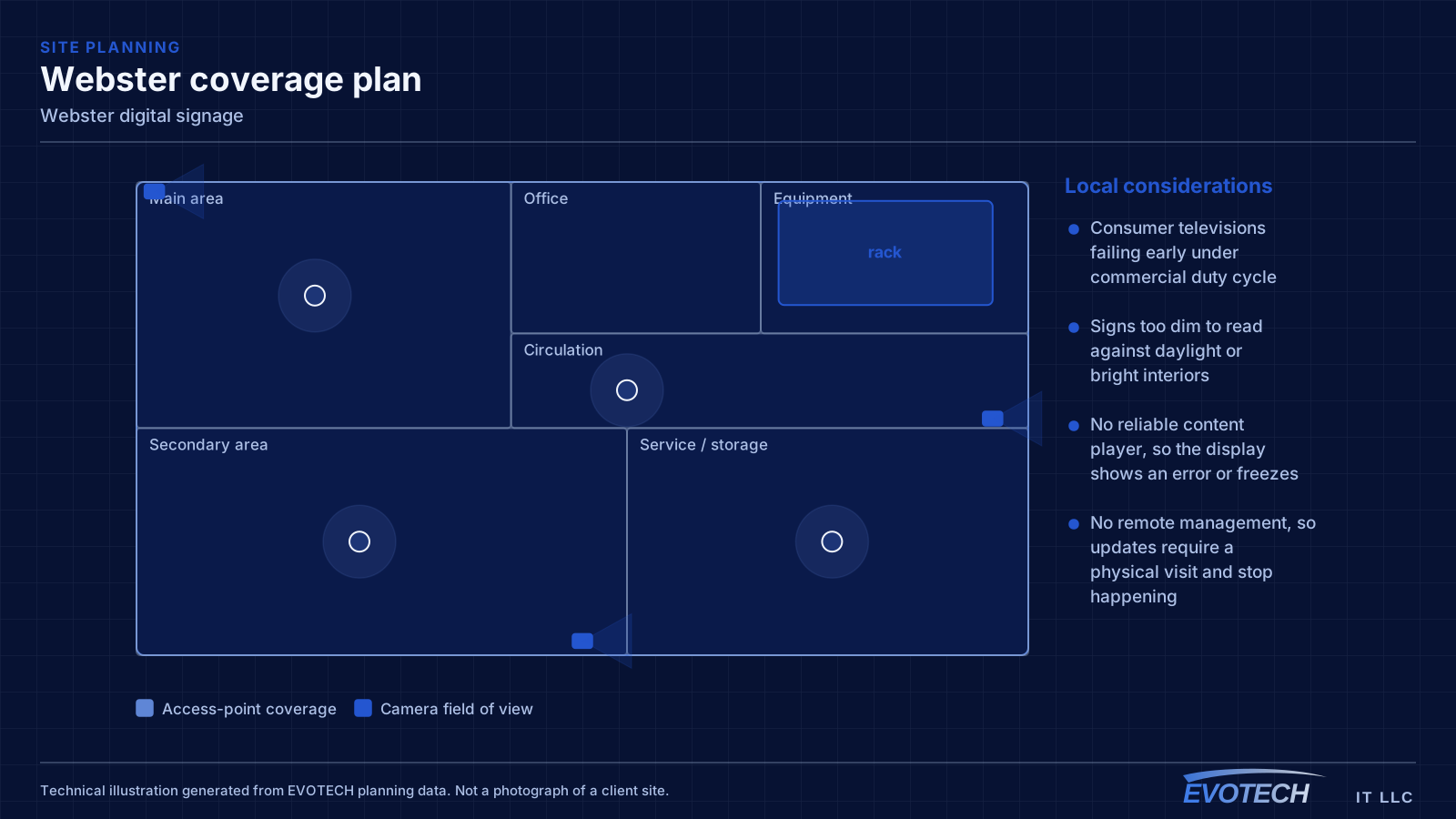
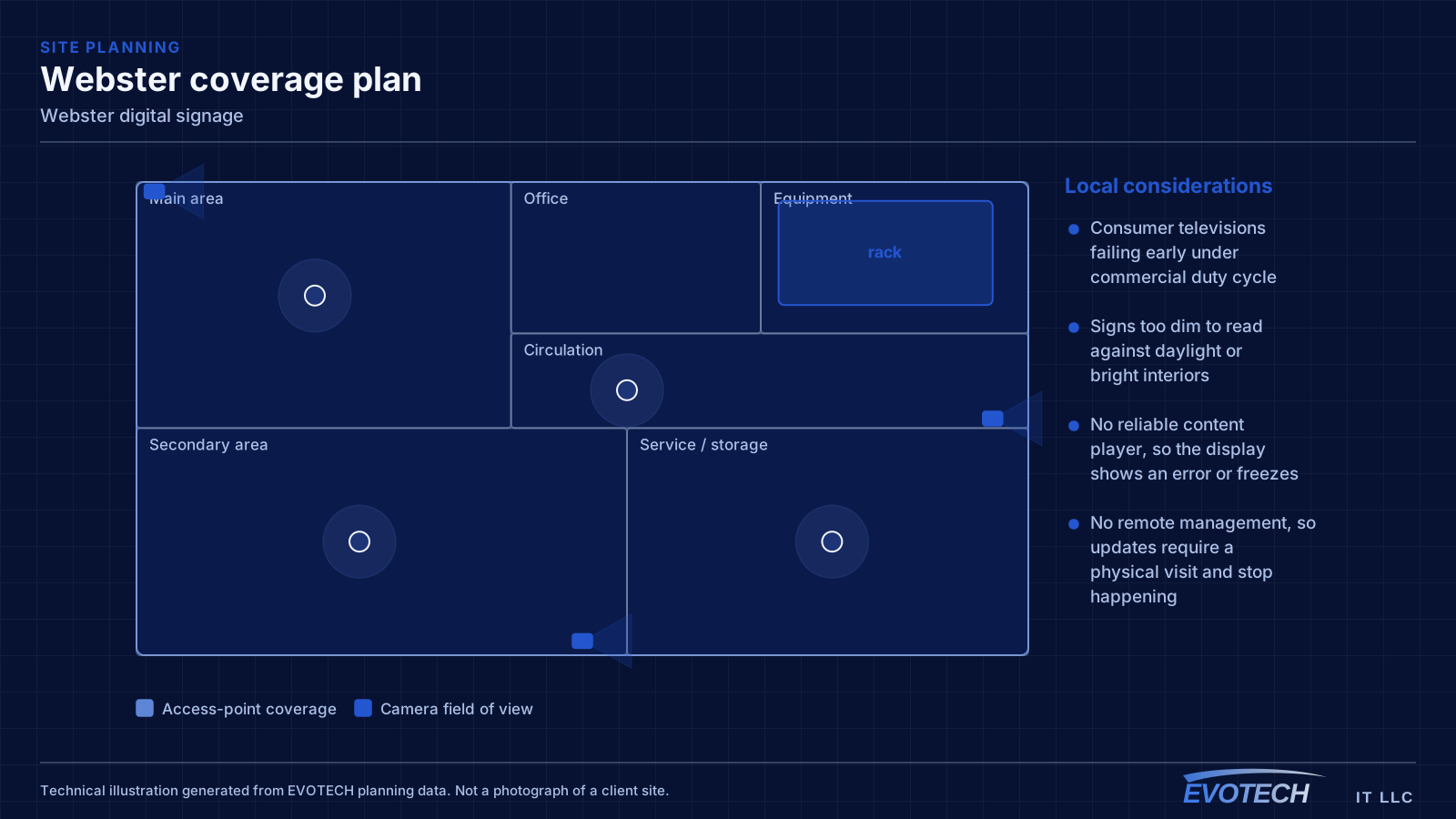
- Consumer televisions failing early under commercial duty cycle
- Signs too dim to read against daylight or bright interiors
- No reliable content player, so the display shows an error or freezes
- No remote management, so updates require a physical visit and stop happening
- Menu boards with fonts and layouts unreadable at viewing distance
- Video walls with visible mismatch or timing differences between panels
Webster property conditions that change the plan
Medical suites bring controlled areas — records and medication storage — that drive access-control scope and camera boundaries, and clinical schedules that constrain cutovers. Retail and hospitality bring payment and guest segmentation, and storefront glazing that complicates entrance cameras.
Multi-tenant buildings add base-building permissions that often shape the schedule more than the technical scope.
Medical work agrees controlled-area and camera boundaries and schedules cutovers around clinical sessions. Retail and hospitality separate payment, guest, and operations traffic. Multi-tenant permissions are confirmed before scheduling.
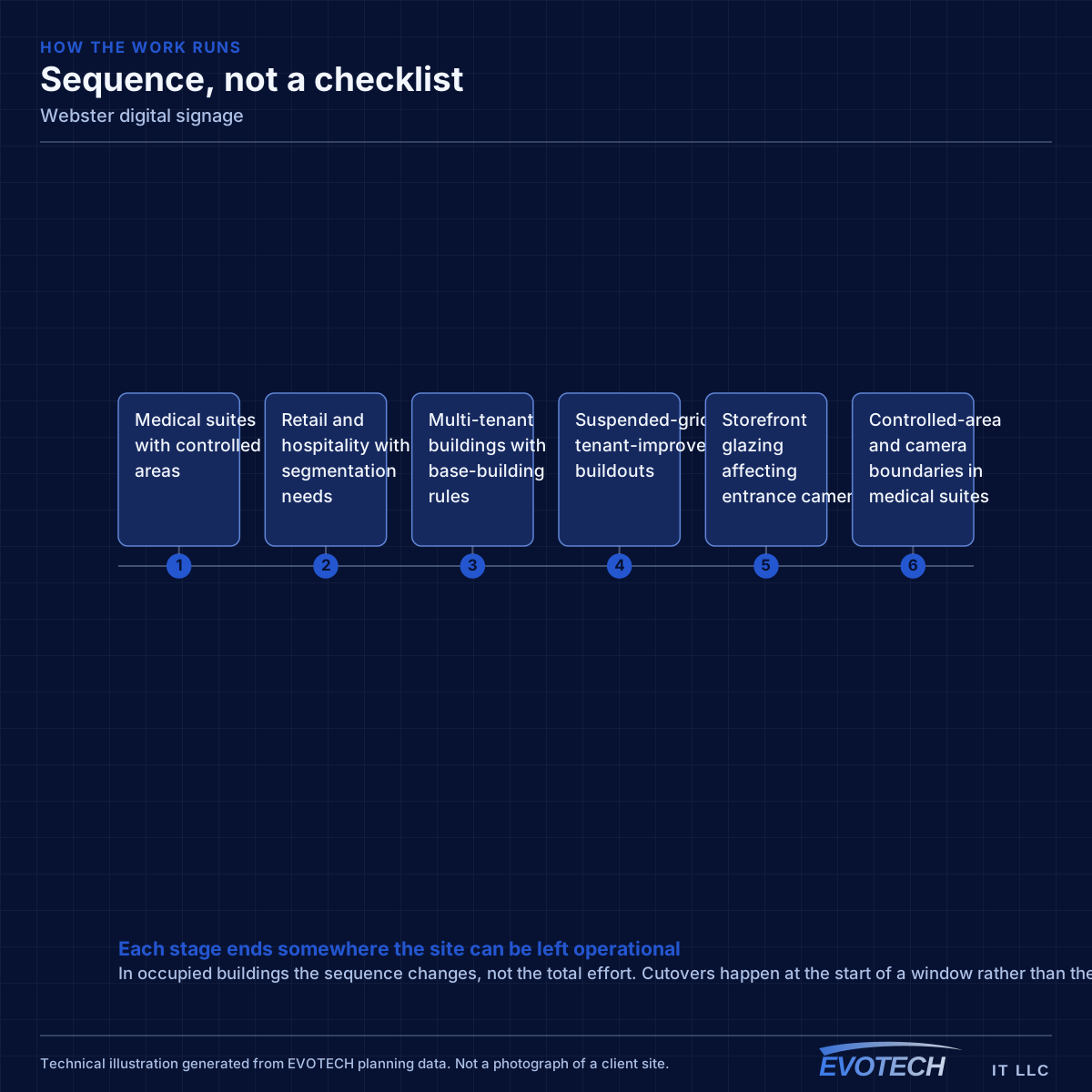
- Medical suites with controlled areas
- Retail and hospitality with segmentation needs
- Multi-tenant buildings with base-building rules
- Suspended-grid tenant-improvement buildouts
- Storefront glazing affecting entrance cameras
- Controlled-area and camera boundaries in medical suites
- Payment, guest, and operations segmentation in retail and hospitality
- Base-building permissions confirmed before scheduling
- Entrance cameras framed to avoid storefront backlighting
- Cutovers scheduled around clinical sessions
Getting digital signage done in Webster
Display selection starts with two ratings people skip on consumer sets: the rated daily operating hours and the brightness. A sign running open-to-close needs a panel rated for those hours, and a sign facing daylight needs brightness well above living-room levels to stay readable. Portrait orientation, common for menu boards and directories, also requires a display rated to run rotated — not every panel is.
Client- and patient-facing areas need containment and clean reinstatement; after-hours access is arranged through building management; residential follows summer attic scheduling.
- Containment and clean reinstatement in finished areas
- After-hours access through building management
- Medical cutovers around clinical sessions
- Rated exterior housings and sealed penetrations
- Residential attic work scheduled early in summer
Popular services nearby
Frequently searched near this area — the pages people look for most.
Frequently asked questions
Does EVOTECH have an office in Webster?
No. This is a service-area page: EVOTECH serves Webster without claiming a physical office there. The wording stays as coverage, not a location claim.
Can we just use a regular TV for a menu board?
For a few hours a day, maybe. For open-to-close operation it is a false economy — consumer televisions are not rated for that duty cycle and fail earlier, and they are often too dim to read against daylight. A commercial display rated for the hours and the brightness costs more up front and far less over its life in a signage role.
Does EVOTECH have an office in Webster?
No. This site does not claim a physical office in Webster or anywhere else. Webster is described as a service-area market — coverage, not a location claim.