
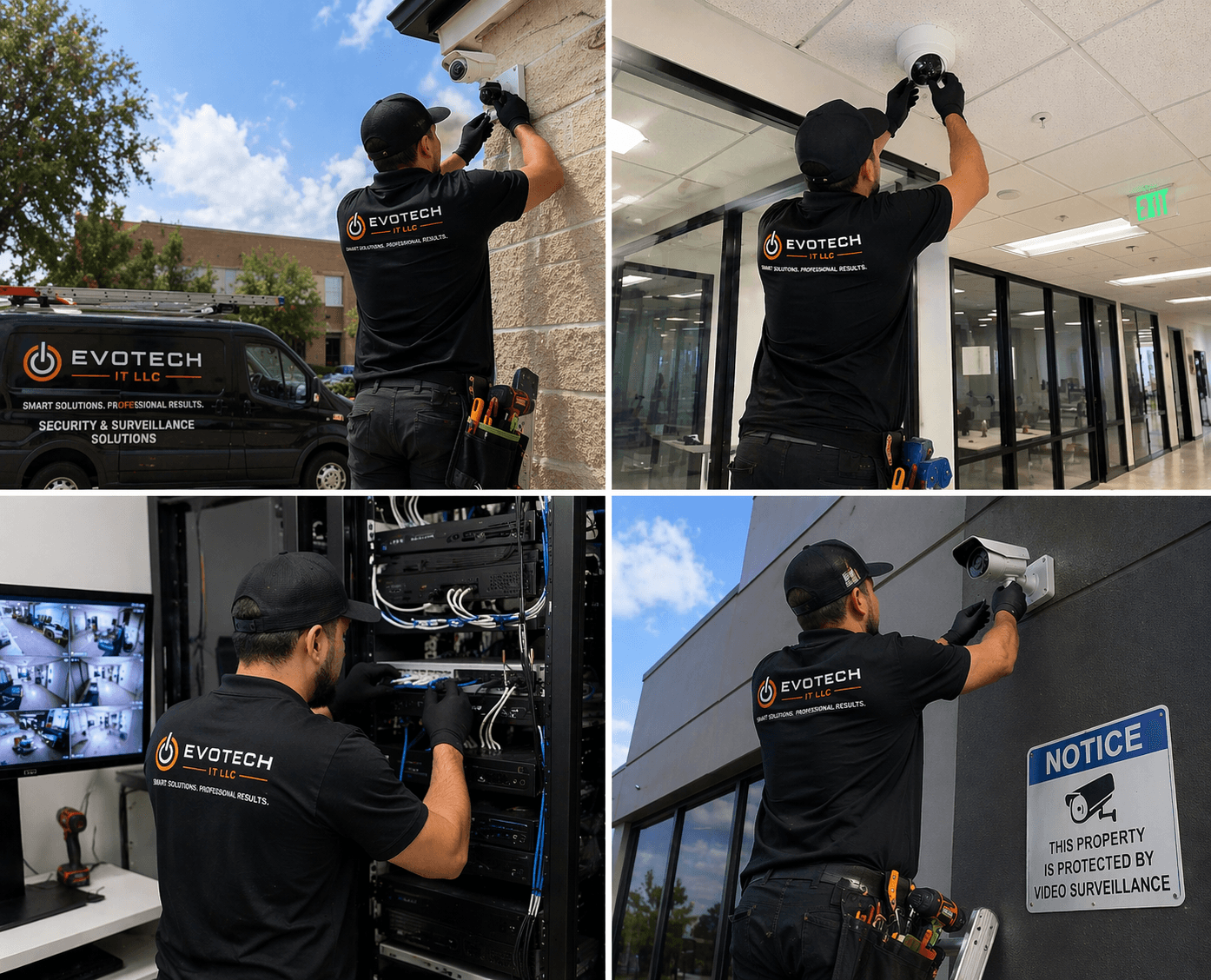
Why this page exists
Video-doorbell installation in Sugar Land is scoped around the same physical realities EVOTECH weighs everywhere — but read through Sugar Land's specific conditions: commercial base weighted toward professional offices and medical suites rather than industrial space. This page pairs what the service actually involves with what the Sugar Land market changes about it.
A video doorbell is a small camera with a doorbell button, and the three things that make it work well are adequate power, a sensible viewing angle, and a solid network connection at the door. Existing doorbell wiring often provides power, but many older transformers were sized for a mechanical chime and do not supply enough for a camera that streams and records.
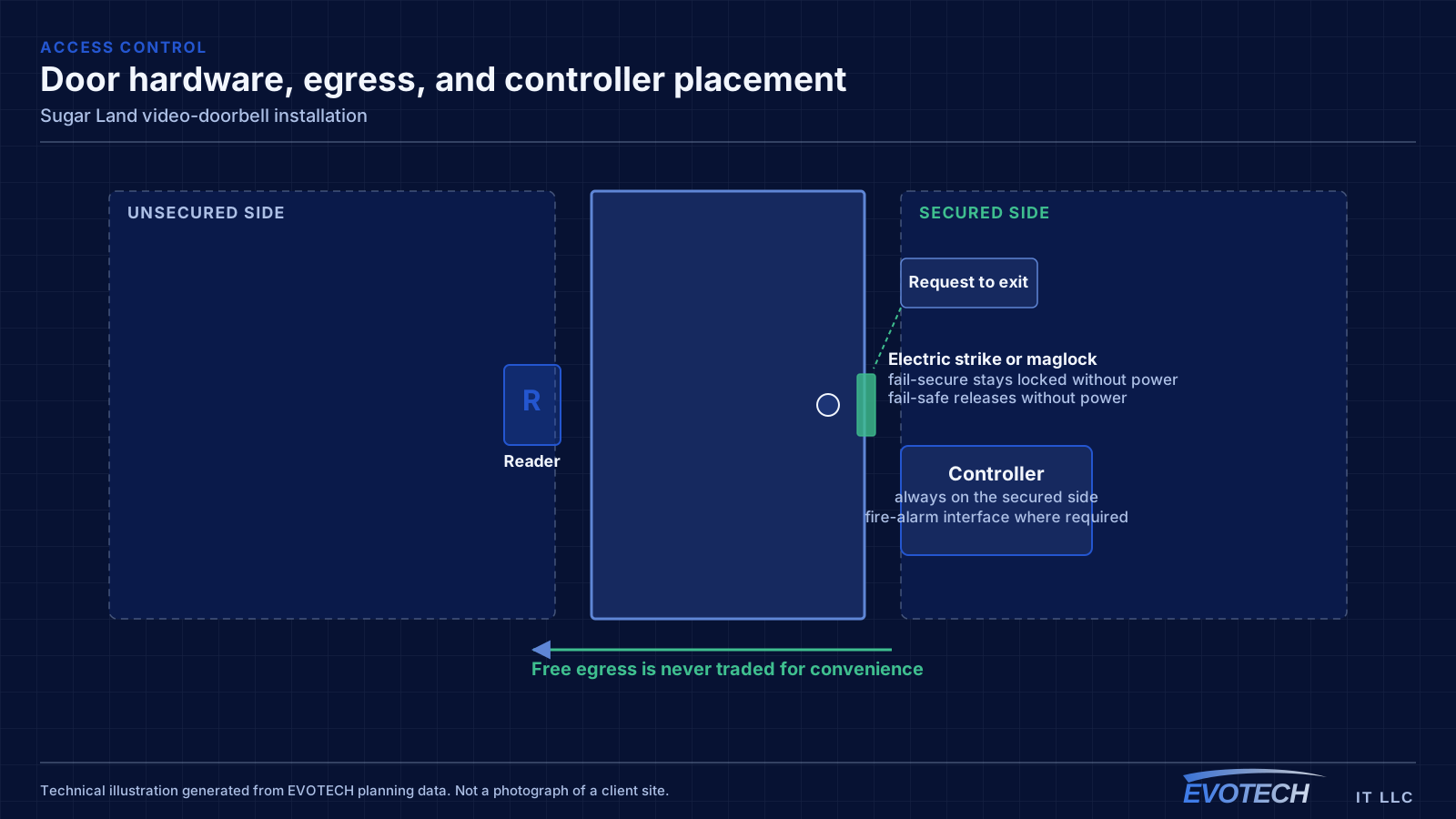
What video-doorbell installation usually involves
The most common failure is a doorbell that works intermittently, drops its video, or reboots when someone presses the button. That pattern almost always indicates insufficient power — either a transformer below the required rating or a chime configuration the device cannot work with.
The second is wireless. The front door is frequently the furthest point from the router, often through an exterior wall and sometimes behind brick veneer. A device with a marginal connection produces delayed notifications and choppy video, and no amount of doorbell configuration fixes a signal problem.
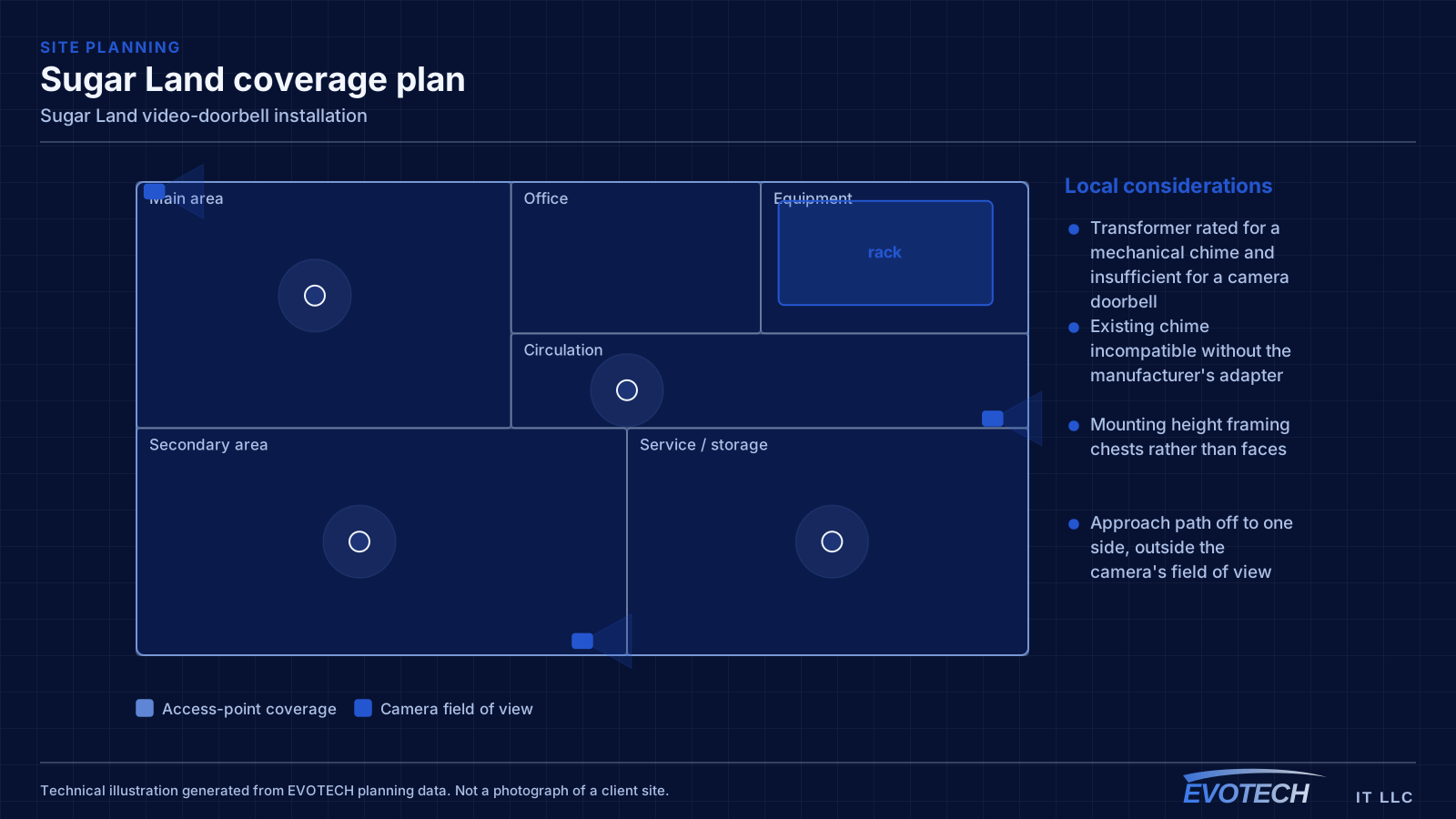
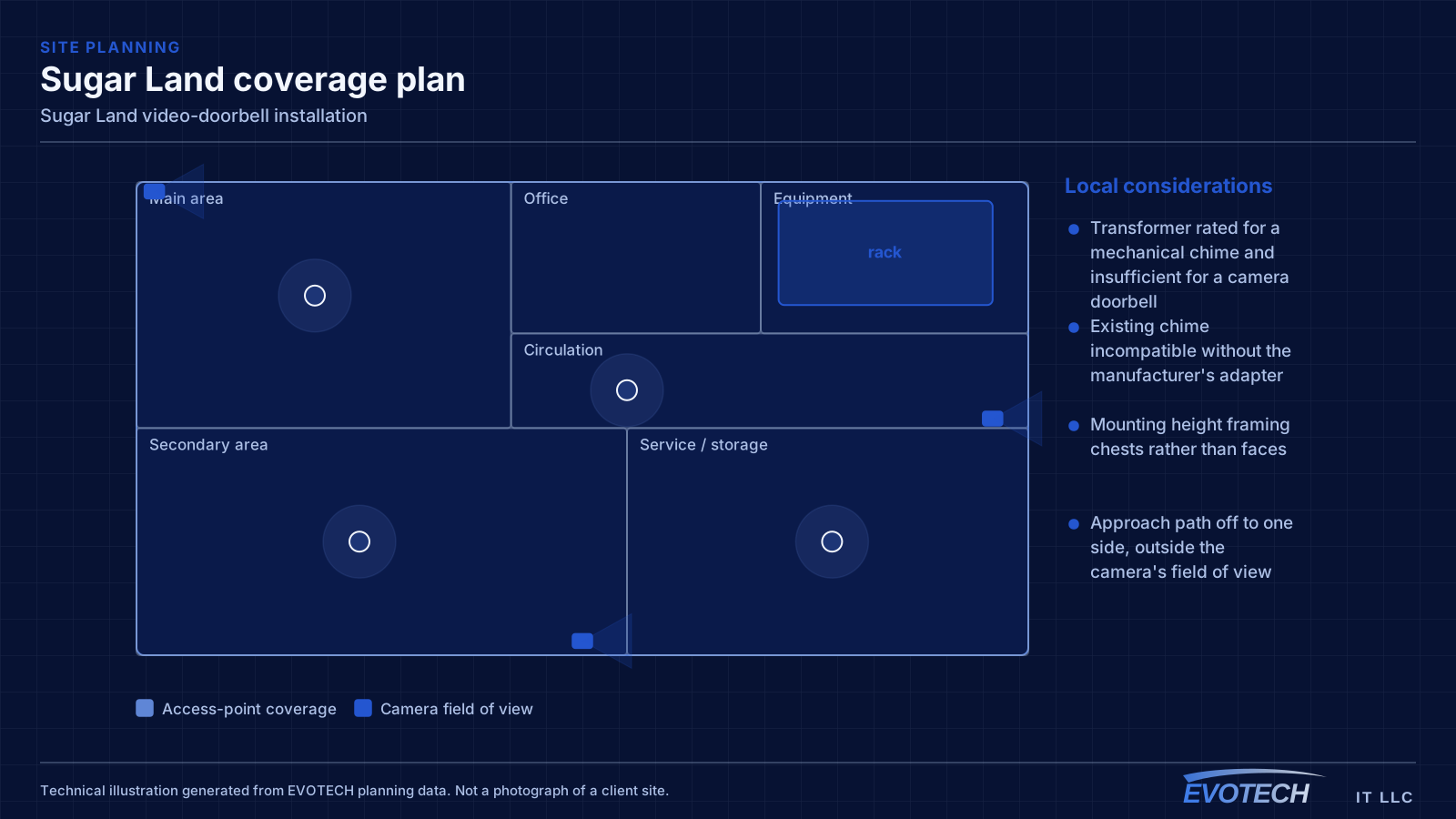
- Transformer rated for a mechanical chime and insufficient for a camera doorbell
- Existing chime incompatible without the manufacturer's adapter
- Mounting height framing chests rather than faces
- Approach path off to one side, outside the camera's field of view
- Weak wireless signal at the door causing delays and dropped clips
- Direct sun or a bright background silhouetting visitors at certain times of day
Sugar Land property conditions that change the plan
Office suites here typically have accessible suspended grid across the working areas, with hard-lid ceilings in reception, corridors, and some clinical rooms. That mix means a project can be straightforward across most of a floor and then hit a section requiring a very different approach, which is worth identifying at the walkthrough rather than mid-pull.
Medical suites add controlled areas — records storage, medication storage, treatment rooms — that shape both access-control scope and where cameras may and may not go. Those boundaries get agreed at design.
Landlord permissions come first in a multi-tenant building, because they determine what is possible before anything technical does. Riser access, permitted penetrations, after-hours arrangements, and whether a building engineer needs to be present all affect scheduling directly.
- Suspended grid across working areas with hard-lid reception and corridors
- Shared risers and core pathways governed by base-building rules
- Controlled areas in medical suites driving access-control scope
- Retail units with storefront glazing affecting entrance camera placement
- Newer construction generally offering better existing pathway than older stock
- Base-building rules confirmed before scheduling
- Hard-lid areas identified at walkthrough, not during the pull
- Controlled-area boundaries agreed for medical suites
- Equipment room location and whether it is shared or in-suite
- Finish and reinstatement expectations agreed in advance
- Cutover planning where clinical or practice systems are involved
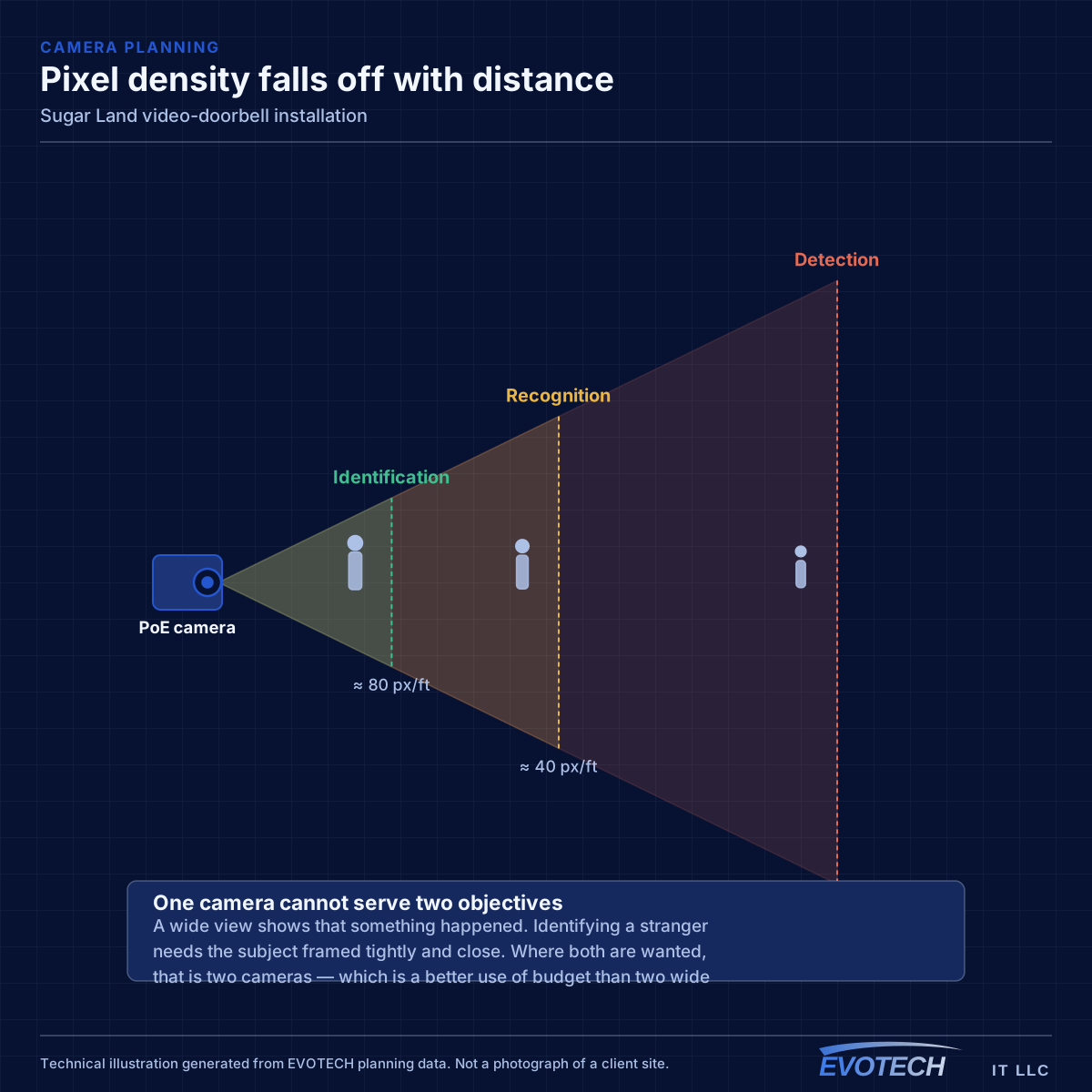
Getting video-doorbell installation done in Sugar Land
Camera doorbells specify a voltage and minimum VA rating for their transformer. Many houses have transformers sized only for a mechanical chime, which is a much smaller load. When the supply is marginal the device may appear to work and then fail when the camera and radio draw peak current — typically at the moment the button is pressed. Replacing the transformer with one meeting the device specification resolves a large share of these cases.
Most work here happens in occupied space with client- or patient-facing areas, so containment and clean reinstatement are baseline. Ceiling tile handling, dust control during any drilling, and complete clear-down at the end of each session matter more than they would on a shell fit-out.
- Containment and dust control in client-facing areas
- Careful ceiling tile handling and reinstatement
- After-hours access arranged through building management
- Sessions ending with the suite fully operational
- Coordination with practice or office management on controlled-area access
Frequently asked questions
Does EVOTECH have an office in Sugar Land?
No. This is a service-area page: EVOTECH serves Sugar Land without claiming a physical office there. The wording stays as coverage, not a location claim.
Why does the doorbell keep going offline or restarting?
Most often the transformer. Many houses have a transformer sized for a mechanical chime, which is a much smaller load than a camera doorbell. The device appears to work until it draws peak current — usually at the button press — and then drops. Confirming the transformer meets the device's stated voltage and VA rating resolves a large share of these cases.
What usually delays a Sugar Land office project?
Base-building permissions, more often than anything technical. Riser access, permitted core penetrations, and after-hours arrangements are landlord decisions, and confirming them takes time that is easy to underestimate. Resolving those before scheduling avoids a crew arriving to find the riser locked.