

Why this page exists
Residential Wi-Fi in Sugar Land is scoped around the same physical realities EVOTECH weighs everywhere — but read through Sugar Land's specific conditions: commercial base weighted toward professional offices and medical suites rather than industrial space. This page pairs what the service actually involves with what the Sugar Land market changes about it.
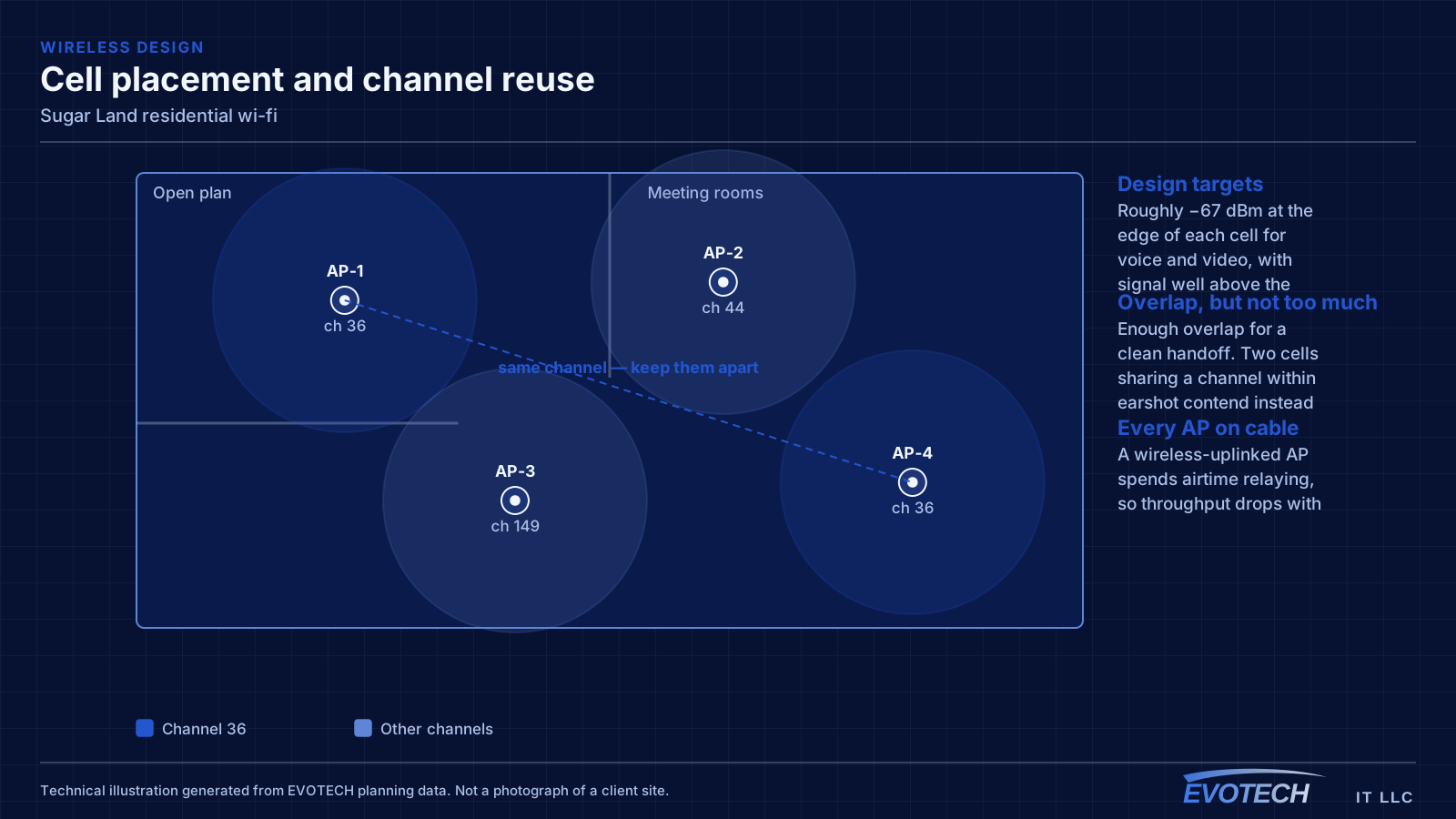
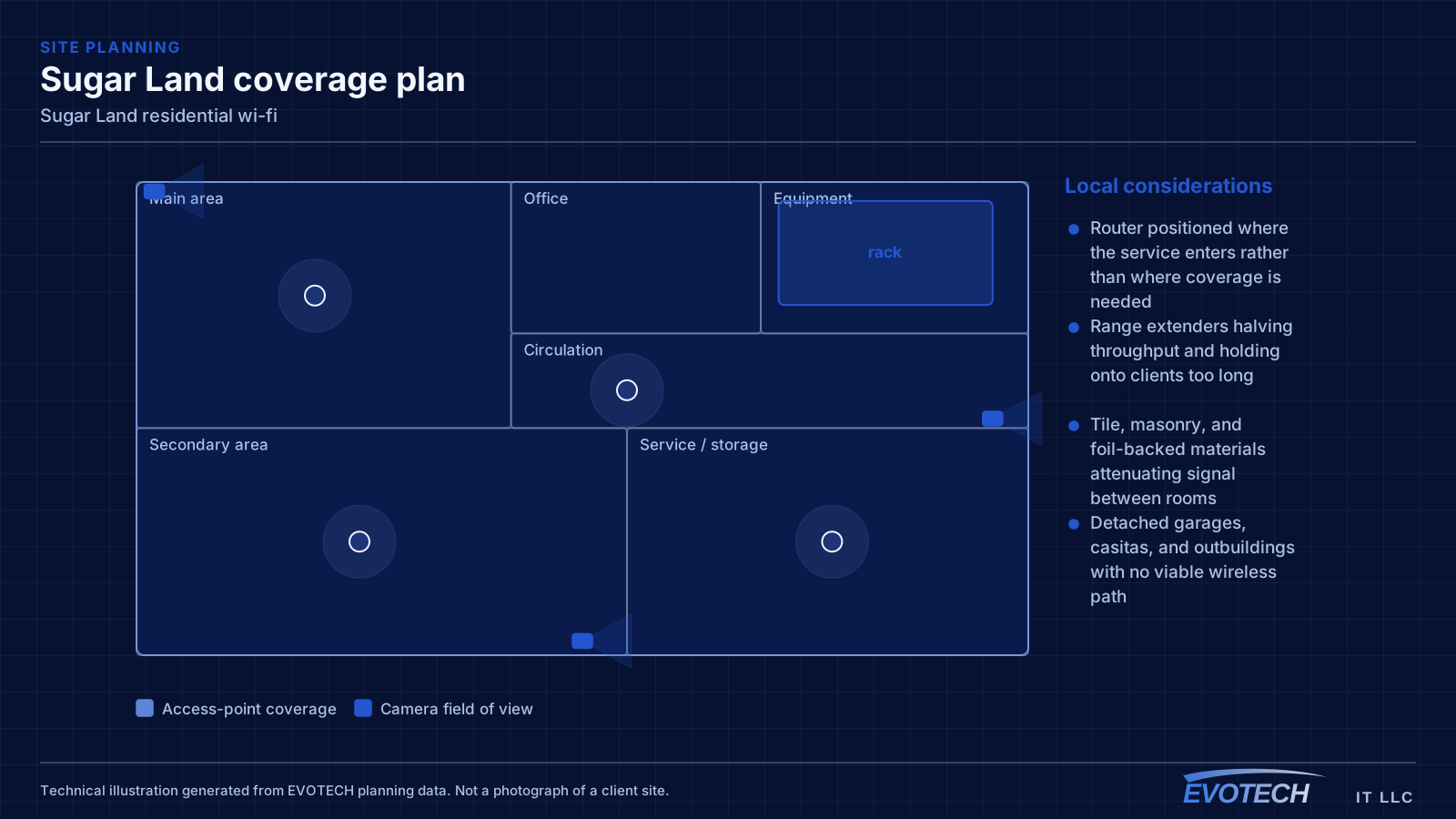
A single router placed wherever the internet service happens to enter the house is the root of most residential wireless complaints. That position is frequently a corner of the garage or a front closet, which means a large share of the signal is heading outdoors. Coverage improves dramatically when access points are placed centrally in the areas people use, and fed by cable.
What residential wi-fi usually involves
Range extenders are the most common cause of a network that looks fine and behaves badly. An extender receives and retransmits on the same radio, so throughput drops with each hop, and devices often stay connected to the extender long after they have walked back within range of the main router.
The second cause is construction. Tile, masonry, brick veneer, foil-backed insulation, mirrors, and metal-framed glass all attenuate signal noticeably. A floor plan will not tell you which wall is the problem — walking the house with a measurement tool will.
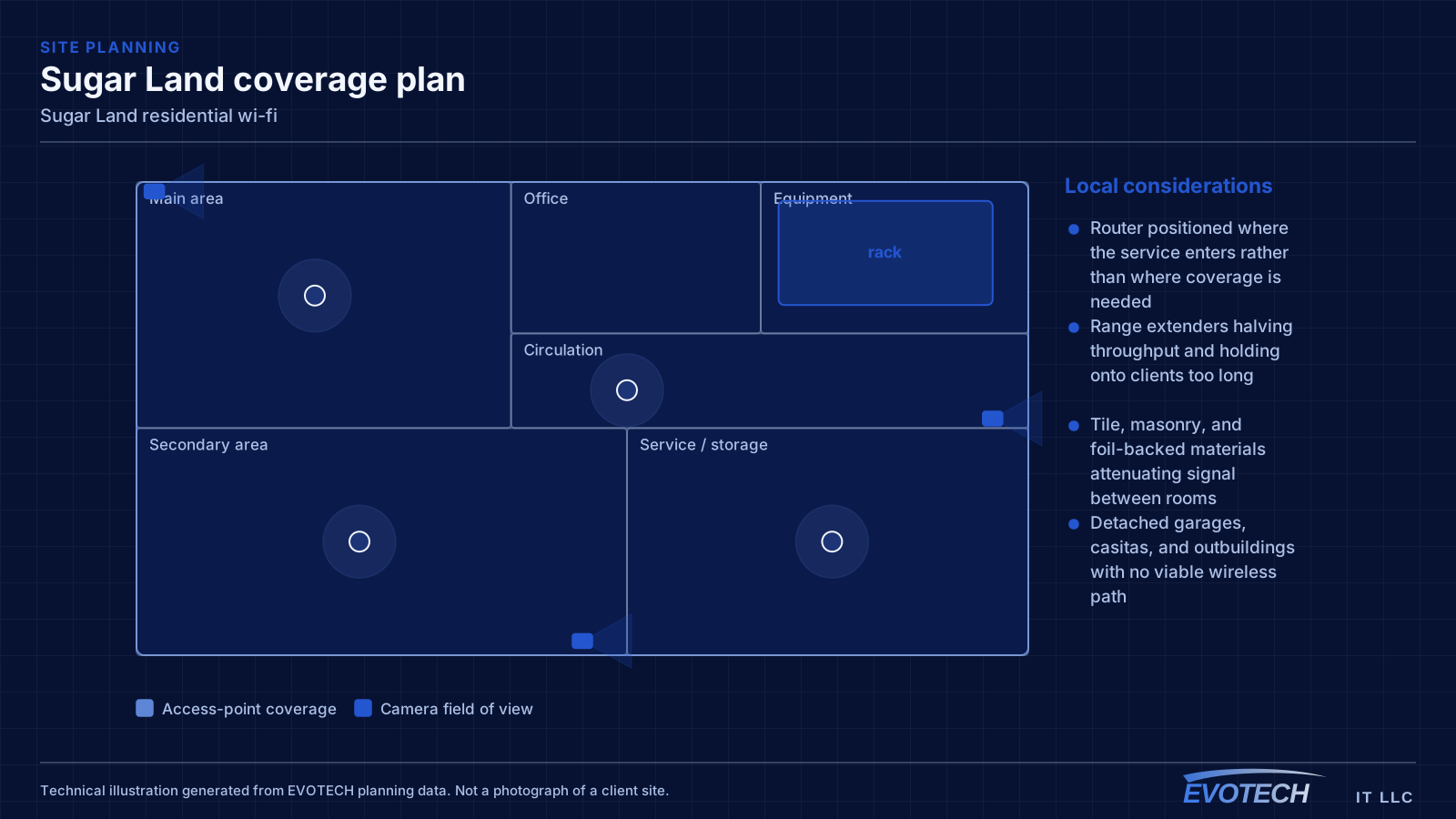
- Router positioned where the service enters rather than where coverage is needed
- Range extenders halving throughput and holding onto clients too long
- Tile, masonry, and foil-backed materials attenuating signal between rooms
- Detached garages, casitas, and outbuildings with no viable wireless path
- Equipment stacked in a closed cabinet with no ventilation
- Neighbouring networks congesting 2.4 GHz in dense subdivisions
Sugar Land property conditions that change the plan
Office suites here typically have accessible suspended grid across the working areas, with hard-lid ceilings in reception, corridors, and some clinical rooms. That mix means a project can be straightforward across most of a floor and then hit a section requiring a very different approach, which is worth identifying at the walkthrough rather than mid-pull.
Medical suites add controlled areas — records storage, medication storage, treatment rooms — that shape both access-control scope and where cameras may and may not go. Those boundaries get agreed at design.
Landlord permissions come first in a multi-tenant building, because they determine what is possible before anything technical does. Riser access, permitted penetrations, after-hours arrangements, and whether a building engineer needs to be present all affect scheduling directly.
- Suspended grid across working areas with hard-lid reception and corridors
- Shared risers and core pathways governed by base-building rules
- Controlled areas in medical suites driving access-control scope
- Retail units with storefront glazing affecting entrance camera placement
- Newer construction generally offering better existing pathway than older stock
- Base-building rules confirmed before scheduling
- Hard-lid areas identified at walkthrough, not during the pull
- Controlled-area boundaries agreed for medical suites
- Equipment room location and whether it is shared or in-suite
- Finish and reinstatement expectations agreed in advance
- Cutover planning where clinical or practice systems are involved
Getting residential wi-fi done in Sugar Land
Signal passes through a floor with significant loss, which is why a downstairs router rarely serves upstairs bedrooms properly. The reliable arrangement in a two-storey home is one access point per floor, positioned centrally in the used areas rather than at the perimeter, with the two connected by cable.
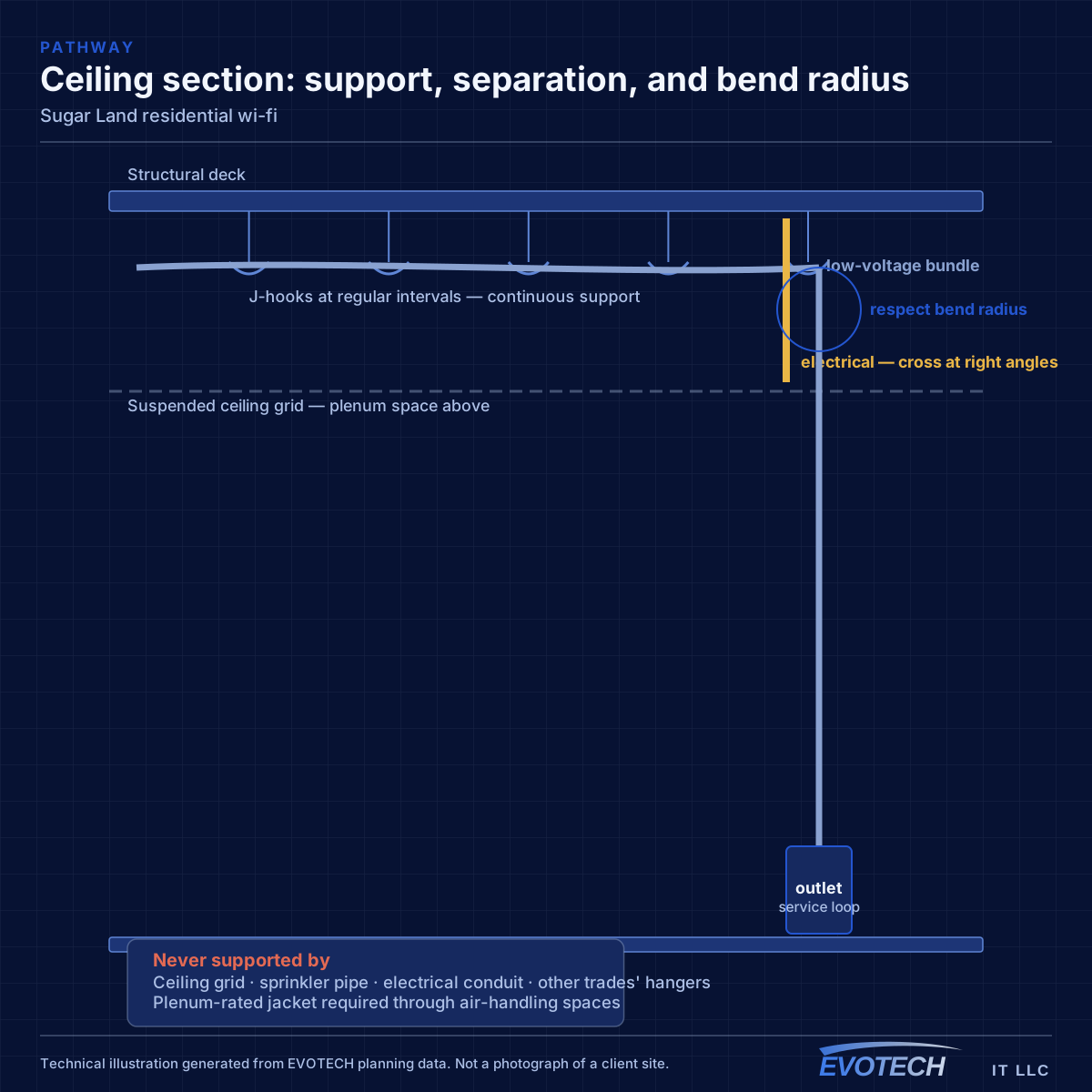
Most work here happens in occupied space with client- or patient-facing areas, so containment and clean reinstatement are baseline. Ceiling tile handling, dust control during any drilling, and complete clear-down at the end of each session matter more than they would on a shell fit-out.
- Containment and dust control in client-facing areas
- Careful ceiling tile handling and reinstatement
- After-hours access arranged through building management
- Sessions ending with the suite fully operational
- Coordination with practice or office management on controlled-area access
Frequently asked questions
Does EVOTECH have an office in Sugar Land?
No. This is a service-area page: EVOTECH serves Sugar Land without claiming a physical office there. The wording stays as coverage, not a location claim.
Why is upstairs Wi-Fi bad when the router is right below?
Signal loses a meaningful amount of strength passing through a floor, and the router's pattern is not aimed upward. Turning the power up mostly increases interference. The dependable arrangement is a second access point upstairs, placed centrally and connected by cable to the equipment position downstairs.
What usually delays a Sugar Land office project?
Base-building permissions, more often than anything technical. Riser access, permitted core penetrations, and after-hours arrangements are landlord decisions, and confirming them takes time that is easy to underestimate. Resolving those before scheduling avoids a crew arriving to find the riser locked.