

Why this page exists
Conference-room AV in Pearland is scoped around the same physical realities EVOTECH weighs everywhere — but read through Pearland's specific conditions: newer residential subdivisions with wide floor plans and builder-installed structured cable of variable quality. This page pairs what the service actually involves with what the Pearland market changes about it.
The complaint that ends meetings early is almost always audio. Remote participants tolerate a mediocre picture indefinitely and abandon a call with poor sound within minutes. So microphone coverage — enough pickup for everyone in the room, positioned for the actual seating, in a room whose acoustics do not fight it — is the first design decision, ahead of the display.
What conference-room av usually involves
Room acoustics cause more audio failures than microphones do. Glass walls, hard tables, and bare drywall reflect sound, and a microphone in that environment picks up the reflections along with the speech. The remote participants hear a room rather than a person. Some soft surface — acoustic panels, carpet, fabric furnishings — improves intelligibility more reliably than upgrading the microphone.
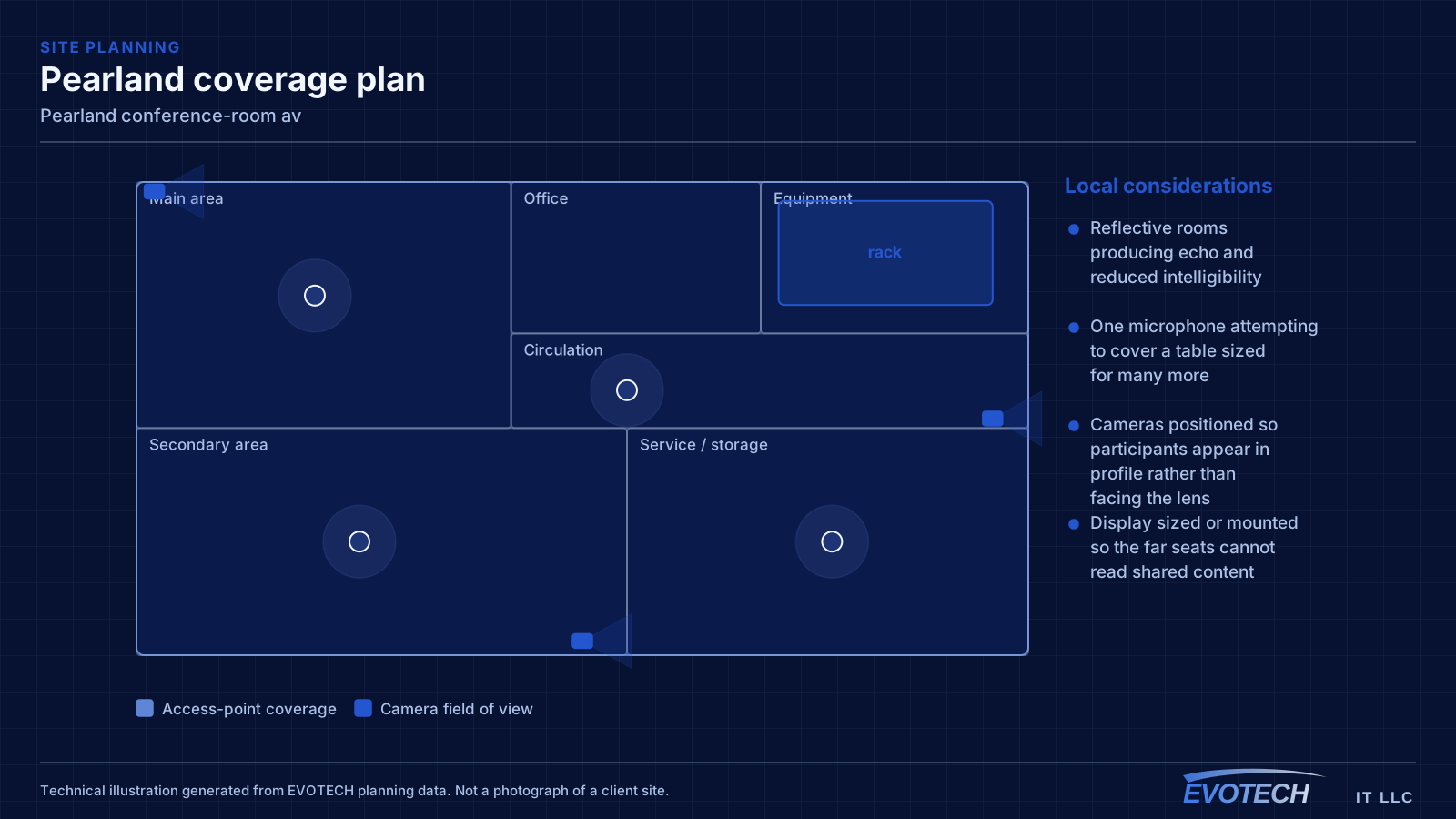
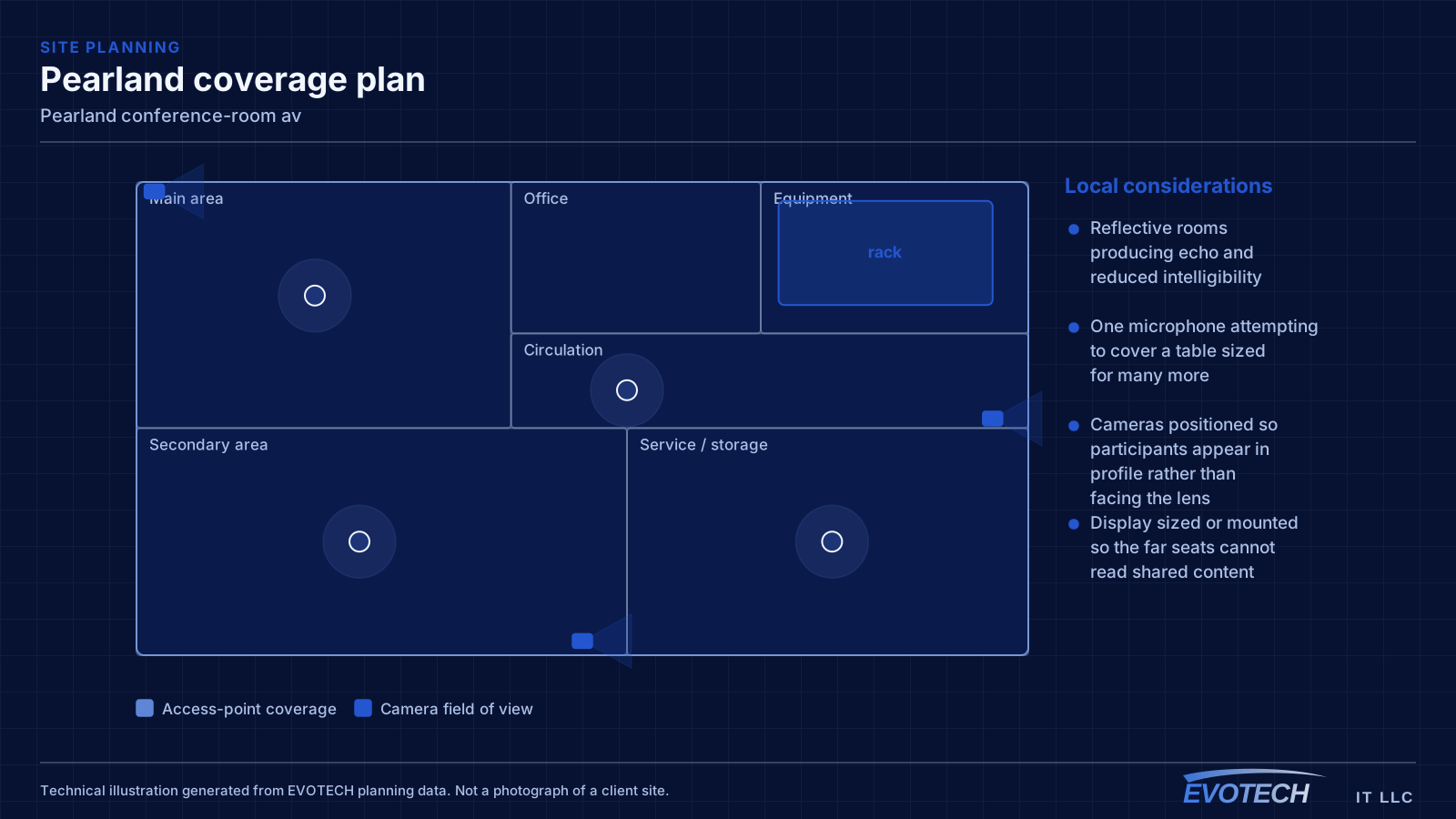
The second recurring problem is coverage geometry. A single table microphone in a twelve-person room serves the four people nearest to it well and everyone else poorly. People at the far end get asked to repeat themselves, and the meeting slows down.
- Reflective rooms producing echo and reduced intelligibility
- One microphone attempting to cover a table sized for many more
- Cameras positioned so participants appear in profile rather than facing the lens
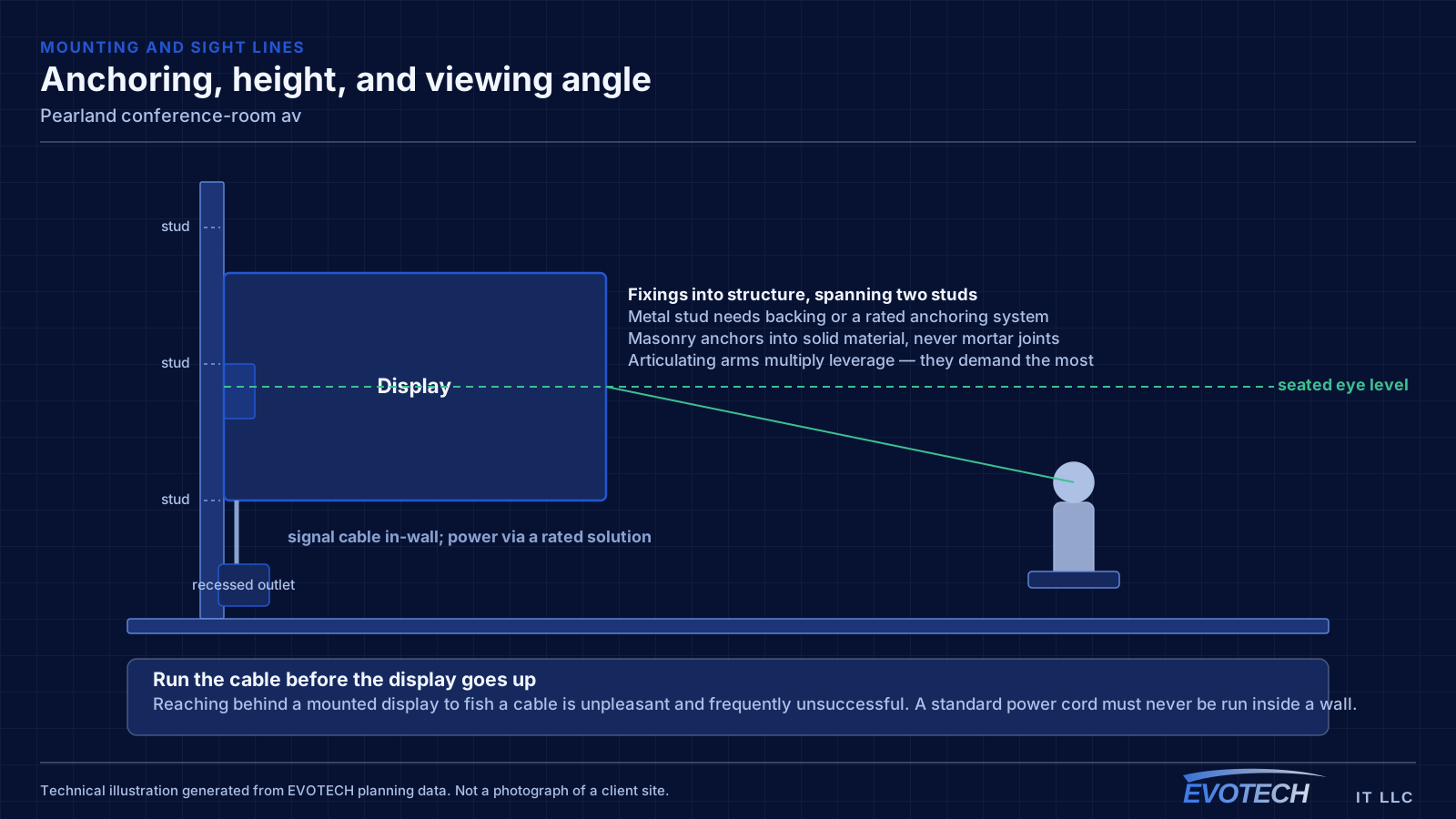
- Display sized or mounted so the far seats cannot read shared content
- Cable clutter on the table because connections were not planned
- Joining procedures complex enough that meetings start late
Pearland property conditions that change the plan
Residential construction is recent enough that attic access is generally good and builder cable is often present. As elsewhere in the newer suburbs, that cable typically terminates at wall outlets rather than ceiling positions, so the work involves testing what exists and adding what is missing.
Commercial space is newer too, which helps — suspended grid and reasonable pathway are the norm. The complications are behavioural rather than structural: medical suites have controlled areas and clinical schedules, and restaurants have kitchen conditions and service hours.
Residential projects here scope around the same three questions as elsewhere in the newer suburbs: what exists and does it test clean, where do the access points need to be, and where should the equipment live so it is not sitting in an unconditioned garage.
- Recent residential construction with good attic access
- Builder cable present but usually terminating at wall outlets only
- Newer commercial with suspended grid and usable pathway
- Medical suites with controlled areas and clinical scheduling
- Food service with kitchen environment and narrow work windows
- Existing residential cable tested before being designed around
- Ceiling access-point positions added where builders did not provide them
- Controlled-area and camera boundaries agreed for medical suites
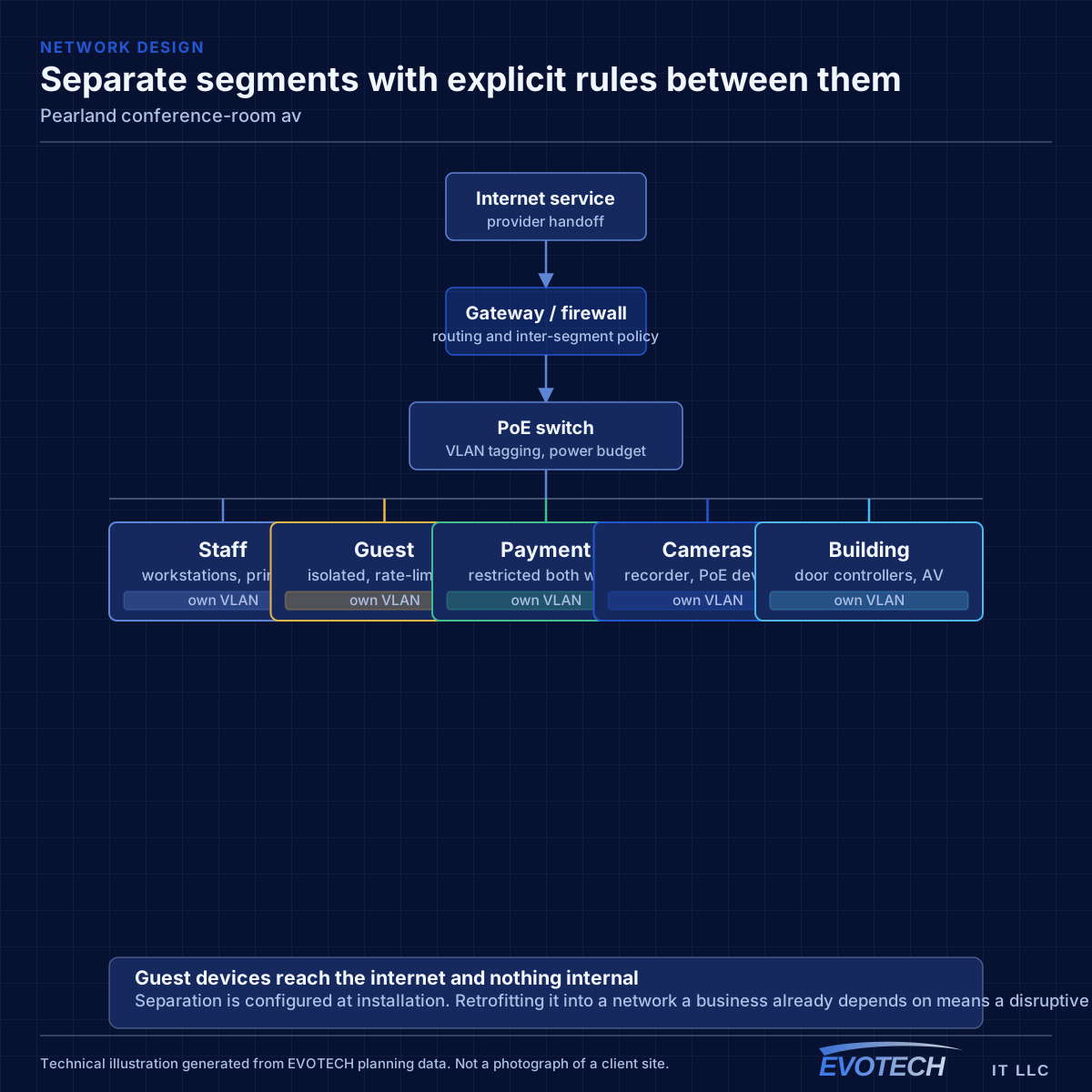
- Payment-system segmentation established at installation for food service
- Equipment positions chosen for temperature, not just cable convenience
Getting conference-room av done in Pearland
Microphone selection follows the room. Table microphones give close pickup for seats near them and suit smaller rooms. Ceiling microphones cover a defined zone and keep the table clear, which suits larger rooms and rooms where the table layout changes — provided the ceiling height and room acoustics suit them. Larger rooms usually need multiple pickup points rather than one better microphone.
The two commercial environments have opposite scheduling profiles. Medical work happens around clinical sessions, typically early, late, or on non-clinical days. Food service happens outside service hours, with each session ending with the site operational for the next opening.
- Medical work scheduled around clinical sessions
- Food-service work outside service hours, site operational at each session's end
- Residential attic work early during summer months
- Dust containment in clinical and occupied residential spaces
- Exterior equipment rated for regional humidity and rainfall
Frequently asked questions
Does EVOTECH have an office in Pearland?
No. This is a service-area page: EVOTECH serves Pearland without claiming a physical office there. The wording stays as coverage, not a location claim.
Why do remote participants say the room sounds echoey?
Reflections. Glass, hard tables, and bare walls send sound back into the microphone alongside the speech, and the far end hears the room. Adding some soft surface — panels, carpet, fabric furnishings — usually improves intelligibility more than changing microphones, because it addresses the cause rather than compensating for it.
Is builder-installed cable in newer homes here usable?
Frequently, after testing. The runs are often sound and can be re-terminated and patched into a proper switch. What they rarely include is ceiling positions for access points, which is usually the addition that actually solves the coverage complaint.