

Why this page exists
Katy earns its own TV-mounting page because its housing stock skews toward recent large-floor-plan homes, where feature walls, metal-stud construction, and long concealed cable runs are the norm rather than the exception.
The typical Katy request is a large display on an open-plan living wall or a media feature wall, not a small bedroom TV. That means the mount has to carry a bigger, heavier panel; the wall is often metal stud rather than solid wood framing; and the owners expect the cables — power and signal — completely hidden.
None of that is exotic, but all of it has to be done right: the panel anchored into real structure, an in-wall rated power solution behind it, and signal cable routed to the equipment location before the display goes up.
What a Katy living-wall mount actually involves
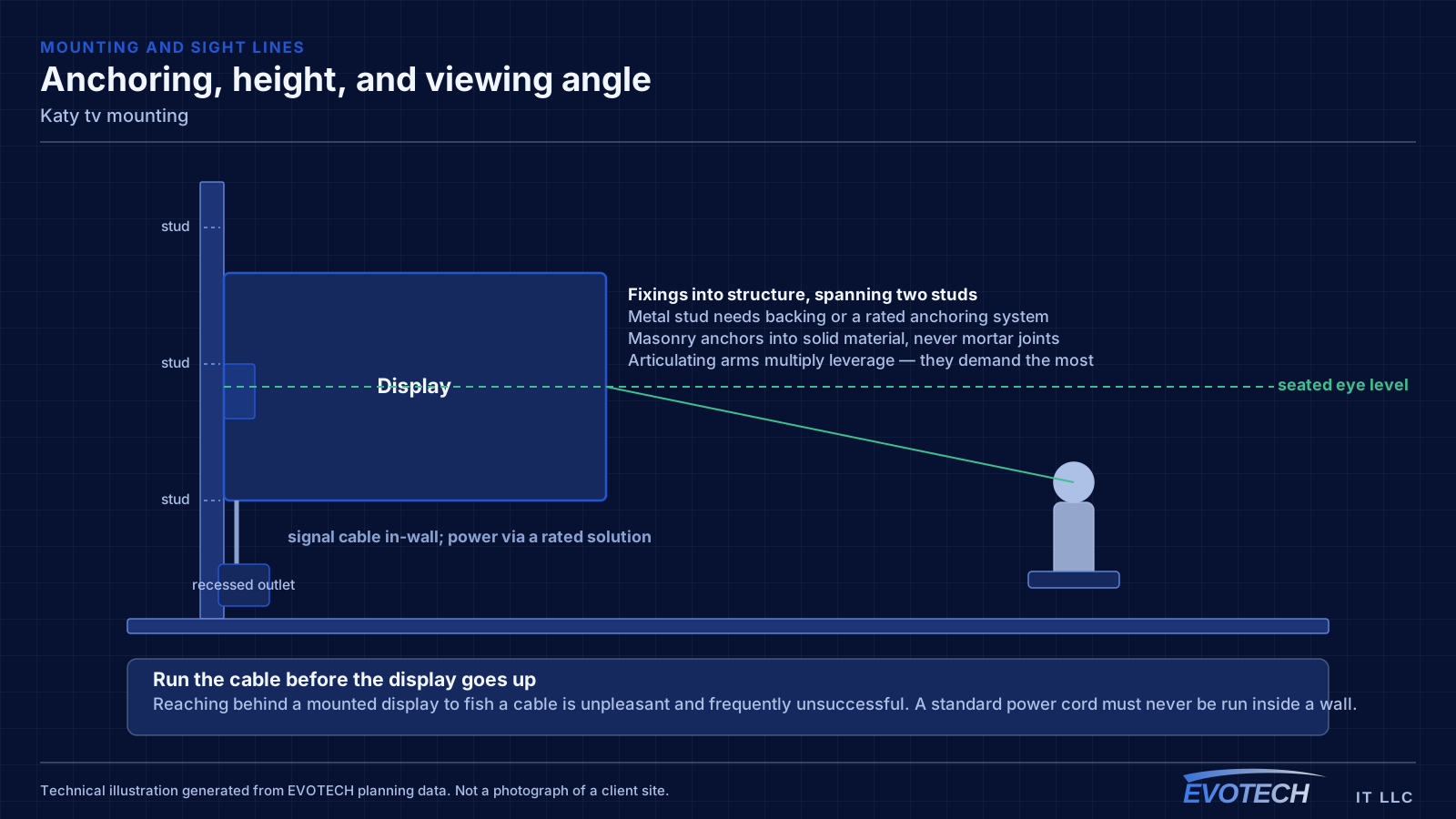
A large panel on an open living wall is a structural job first. If the wall is metal stud — common in these builds — a standard lag-bolt approach does not hold under sustained load, so backing or a metal-stud anchoring system rated for the panel is what makes it safe.
The owners almost always want nothing visible, which means an in-wall rated power kit or a recessed outlet behind the display, and signal cable run down to the media panel rather than a cord on the wall.
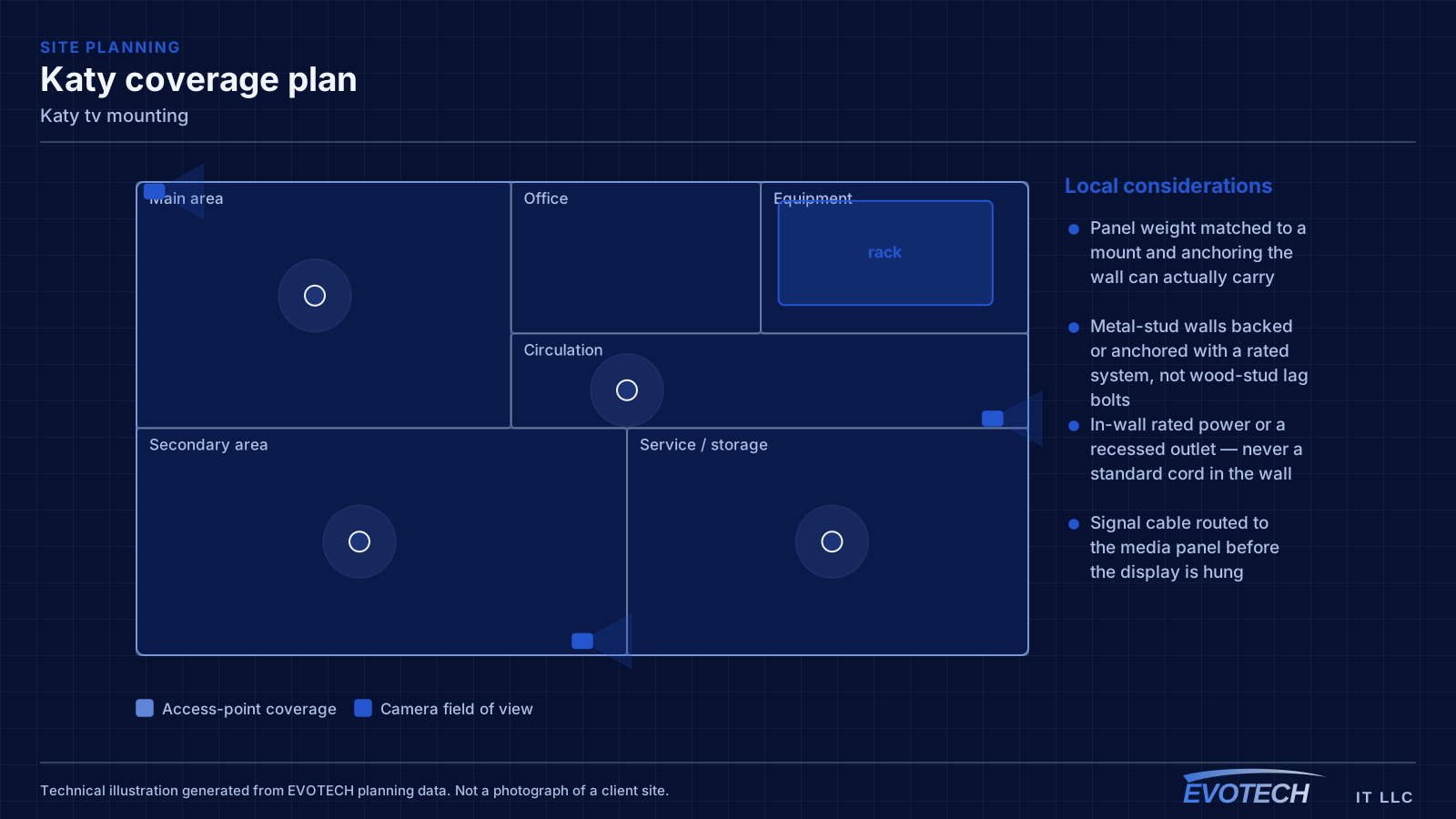
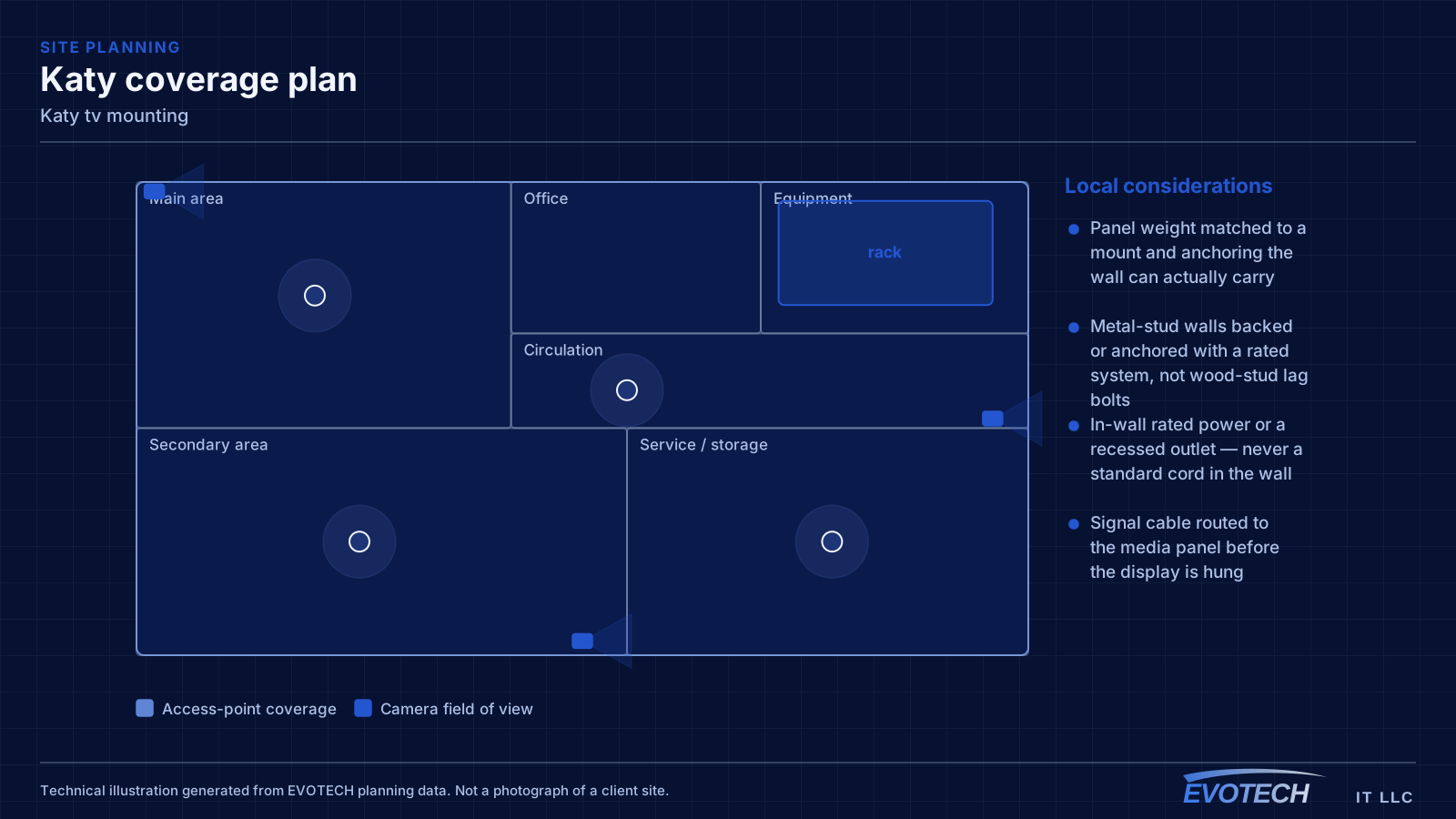
- Panel weight matched to a mount and anchoring the wall can actually carry
- Metal-stud walls backed or anchored with a rated system, not wood-stud lag bolts
- In-wall rated power or a recessed outlet — never a standard cord in the wall
- Signal cable routed to the media panel before the display is hung
- Viewing height set for the room's seating, not centred out of habit
Getting a Katy mount right the first time
Because these are finished, occupied homes, the routing is planned before anything is cut, and the media panel usually gives a clean place for the equipment to live.
- Confirm the wall construction behind the intended position
- Locate the equipment at the existing media panel where one exists
- Plan the concealed power and signal routes before mounting
- Choose the mount type — flat, tilt, or full-motion — for the room and the wall
- Protect finishes and agree any patching before drilling
Working in a finished Katy home
Occupied-home practice applies: dust control, furniture protection, and clean reinstatement. Where a cable route needs wall access, the patching and paint are agreed in advance rather than discovered afterward.
- Dust control and surface protection throughout
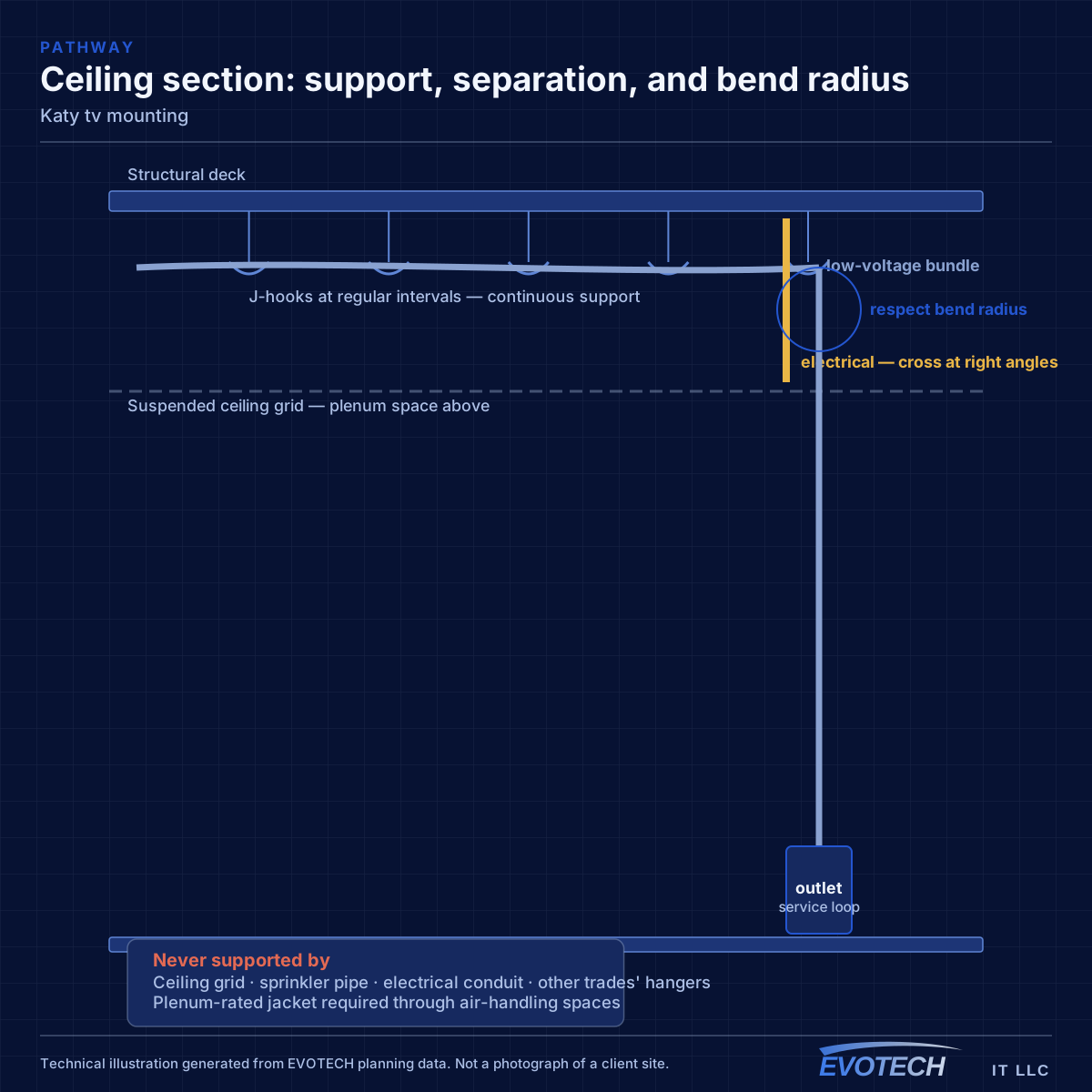
- Attic routing where the equipment and display are on different floors
- Any drywall access, patching, and paint agreed before cutting
- Cable service loops left so the mount can move through its full range
- Finished result checked from the actual seating position
Popular services nearby
Frequently searched near this area — the pages people look for most.
Frequently asked questions
Can a large TV be mounted on a metal-stud wall in my Katy home?
Yes, but not with wood-stud technique. Metal studs will not hold lag bolts under a big panel's sustained load, so the wall needs plywood backing or an anchoring system rated for metal studs and the display weight. It matters most with full-motion mounts, which multiply the load as they extend. Confirming the wall type before mounting is what keeps it safe.
Can the wires be completely hidden on a feature wall?
Signal cable, yes — routed in-wall down to the media panel. Power is handled with an in-wall rated kit or a recessed outlet behind the display, never a standard cord inside the wall. Done before the panel goes up, the result is a clean wall with nothing visible, which is usually the whole point of a feature-wall mount.
Where does the equipment go?
Usually the home's structured media panel, which most newer Katy homes already have. It gives a ventilated, accessible spot for the streaming devices and any receiver, with the signal cable running there from the display. If the panel is in an unconditioned garage, siting active equipment somewhere cooler is worth considering.