Why this page exists
Conference-room AV for new construction is shaped by how the space is used, not just by the service itself. New construction bring their own operating constraints, and this page pairs what conference-room av actually involves with what that environment changes about it.
The complaint that ends meetings early is almost always audio. Remote participants tolerate a mediocre picture indefinitely and abandon a call with poor sound within minutes. So microphone coverage — enough pickup for everyone in the room, positioned for the actual seating, in a room whose acoustics do not fight it — is the first design decision, ahead of the display.
One window, and it does not reopen
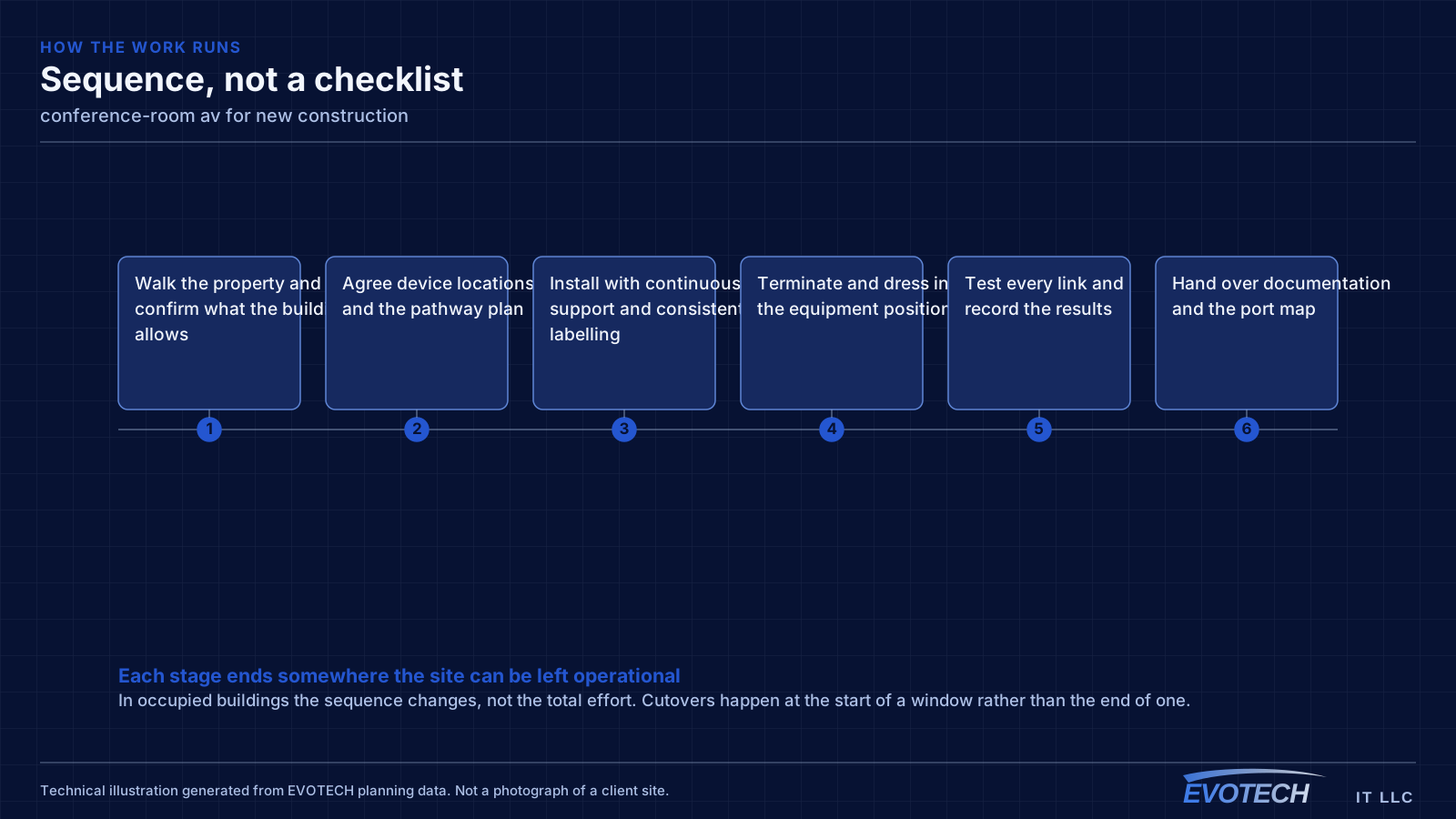
Low-voltage rough-in happens in a specific slot: after framing and electrical, before insulation and drywall. Inside that window, running a cable anywhere is straightforward. Once drywall goes up, the same cable costs many times more and sometimes cannot be run at all.
The asymmetry is the whole story of new-construction low voltage. Decisions made cheaply during rough-in become expensive or impossible afterwards, which is why the pre-rough-in planning conversation is worth more than any equipment choice made later.
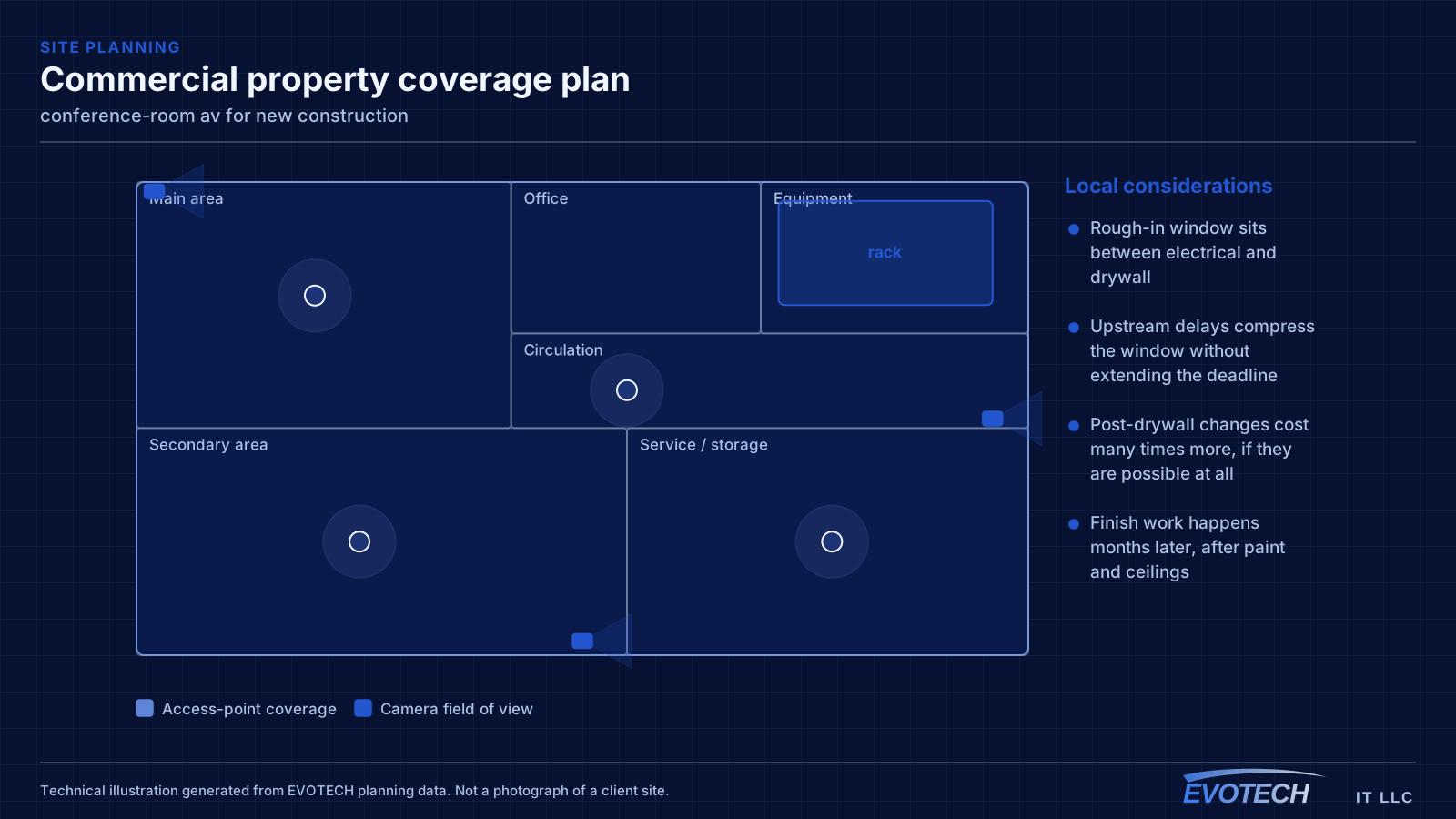
- Rough-in window sits between electrical and drywall
- Upstream delays compress the window without extending the deadline
- Post-drywall changes cost many times more, if they are possible at all
- Finish work happens months later, after paint and ceilings
What conference-room av usually involves
Room acoustics cause more audio failures than microphones do. Glass walls, hard tables, and bare drywall reflect sound, and a microphone in that environment picks up the reflections along with the speech. The remote participants hear a room rather than a person. Some soft surface — acoustic panels, carpet, fabric furnishings — improves intelligibility more reliably than upgrading the microphone.
The second recurring problem is coverage geometry. A single table microphone in a twelve-person room serves the four people nearest to it well and everyone else poorly. People at the far end get asked to repeat themselves, and the meeting slows down.
- Reflective rooms producing echo and reduced intelligibility
- One microphone attempting to cover a table sized for many more
- Cameras positioned so participants appear in profile rather than facing the lens
- Display sized or mounted so the far seats cannot read shared content
- Cable clutter on the table because connections were not planned
- Joining procedures complex enough that meetings start late
What to rough in even without a final design
Full system design is often not finished when the rough-in window arrives. That is normal, and it is not a reason to skip the pathway. Running conduit or sleeves to likely positions preserves the option cheaply even when the eventual equipment is undecided.
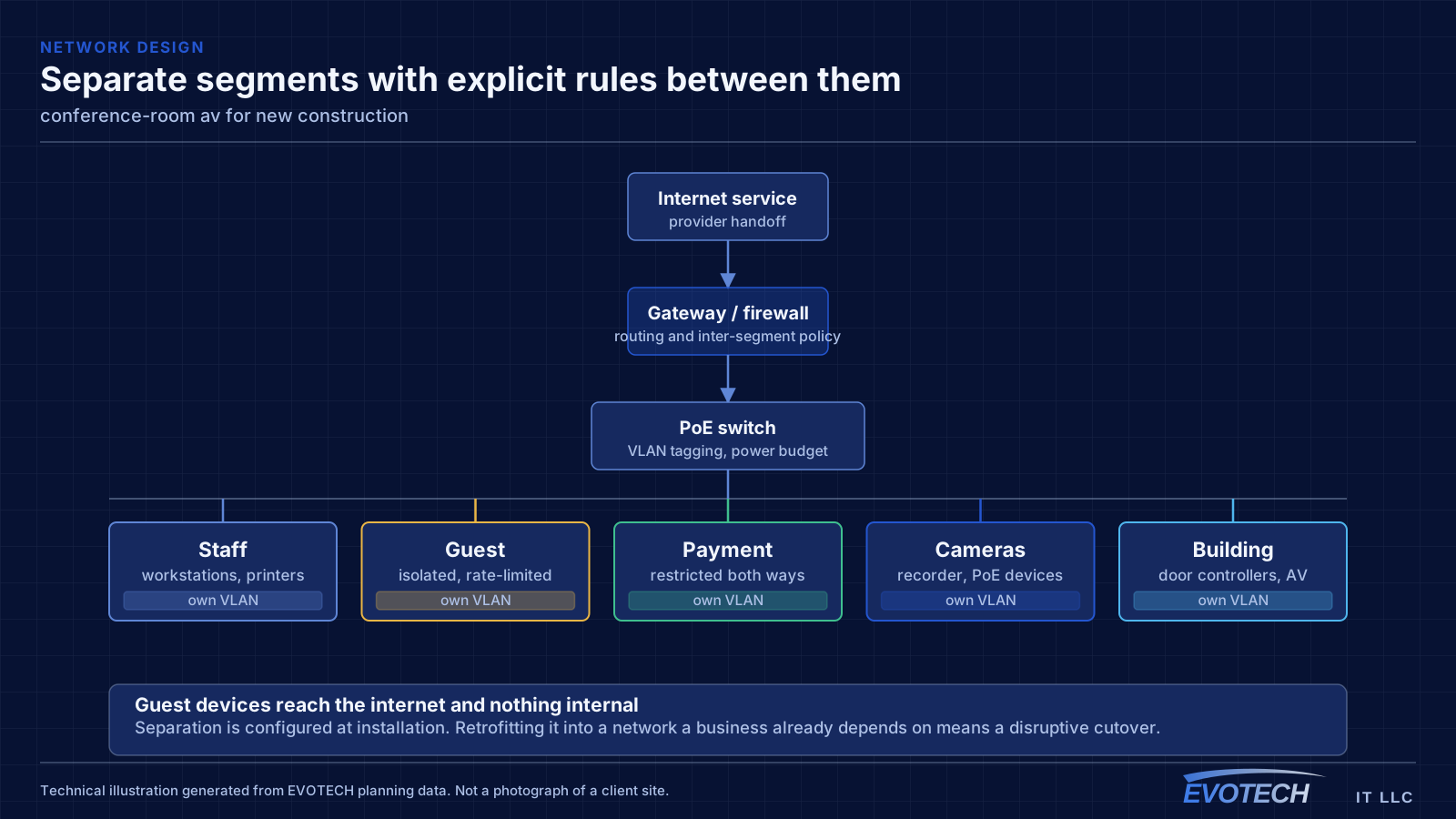
For a commercial building, the reliable rough-in set is: cable to every likely device outlet, ceiling positions for access points spaced for the intended coverage, camera positions at entries and approaches, door positions with cable to the controller location, and pathway to any likely display or AV position. Plus, in every case, a properly located equipment room.
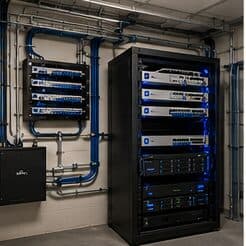
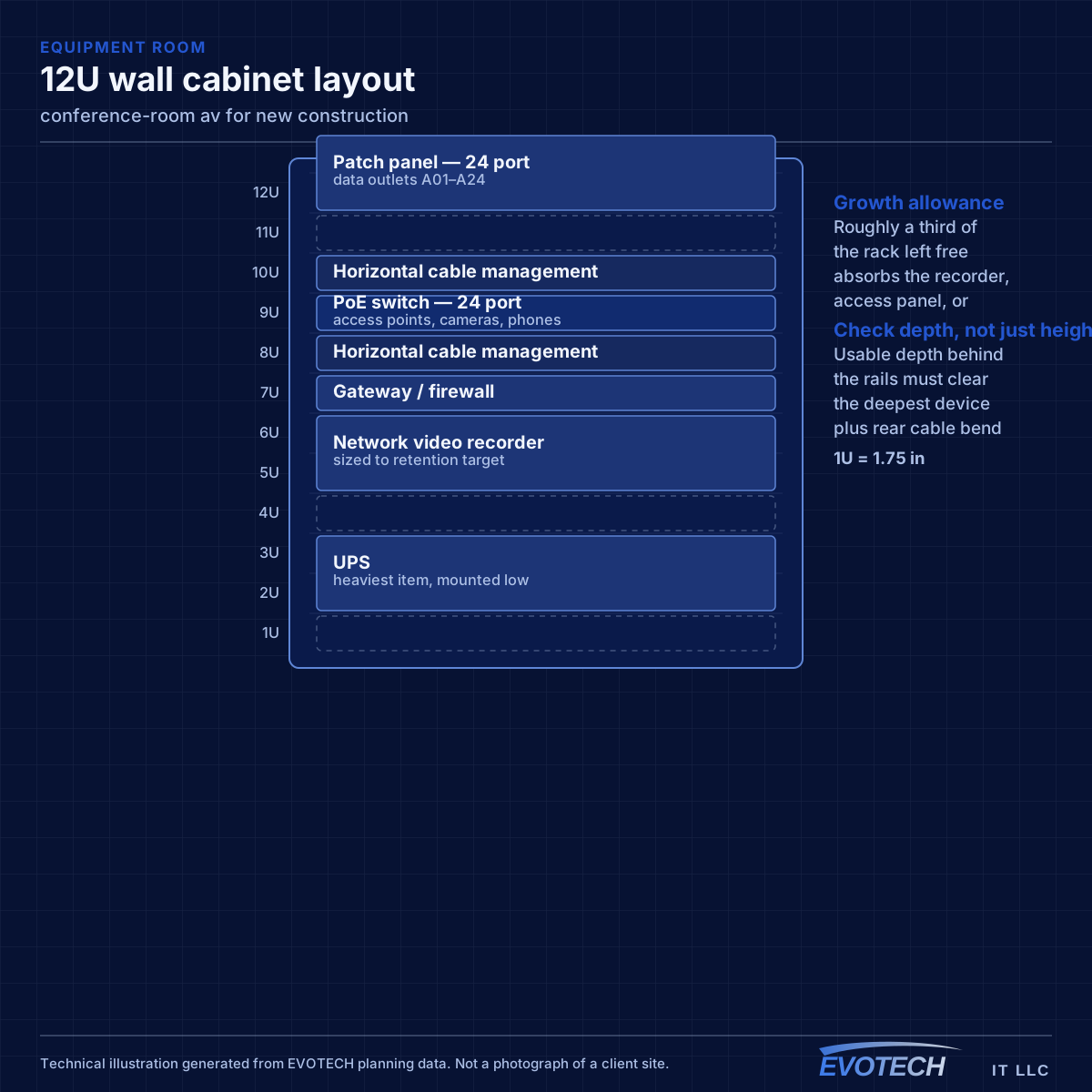
The equipment room deserves particular emphasis because it is the most commonly under-provisioned item. It has to hold the network rack, camera recorder, access-control panel, and any AV equipment, with dedicated power, ventilation, and clearance to work. Sizing it from the network alone is a decision that gets discovered eighteen months later.
- Sleeves and conduit to likely positions even before final design
- Ceiling access-point positions spaced for the intended coverage
- Camera positions at entries, approaches, and service areas
- Cable from every controlled door to the controller position
- Equipment room with dedicated power, ventilation, and working clearance
Microphone coverage, camera placement, and display sizing
Microphone selection follows the room. Table microphones give close pickup for seats near them and suit smaller rooms. Ceiling microphones cover a defined zone and keep the table clear, which suits larger rooms and rooms where the table layout changes — provided the ceiling height and room acoustics suit them. Larger rooms usually need multiple pickup points rather than one better microphone.
- Match microphone type and count to room size, seating, and acoustics
- Camera at the display wall, near seated eye level, framing faces rather than profiles
- Size the display for legibility from the furthest seat
- Treat reflective rooms acoustically rather than compensating electronically
- Plan table connectivity so cables are not improvised
- One obvious control that starts the meeting
Frequently asked questions
What changes about conference-room av in new construction?
The operating environment does. New construction bring specific constraints — how the space is used, when work can happen, and what has to keep running — and those shape the conference-room av plan as much as the service's own technical requirements.
Why do remote participants say the room sounds echoey?
Reflections. Glass, hard tables, and bare walls send sound back into the microphone alongside the speech, and the far end hears the room. Adding some soft surface — panels, carpet, fabric furnishings — usually improves intelligibility more than changing microphones, because it addresses the cause rather than compensating for it.
What has to be decided before rough-in?
Device locations, the equipment room position, and the pathway plan. Equipment selection can wait — you can run cable to a position without knowing which camera or access point will go there. What cannot wait is the decision about where things go, because that is what determines where cable is pulled while the walls are open.