Why this page exists
Technology for medical offices in Sugar Creek and old Sugar Land sits where two things meet: how medical offices actually operate, and what Sugar Creek and old Sugar Land specifically brings to the building. 77478 is older Sugar Land — Sugar Creek's 1970s-1980s golf-course homes plus the original town core and nearby commercial.
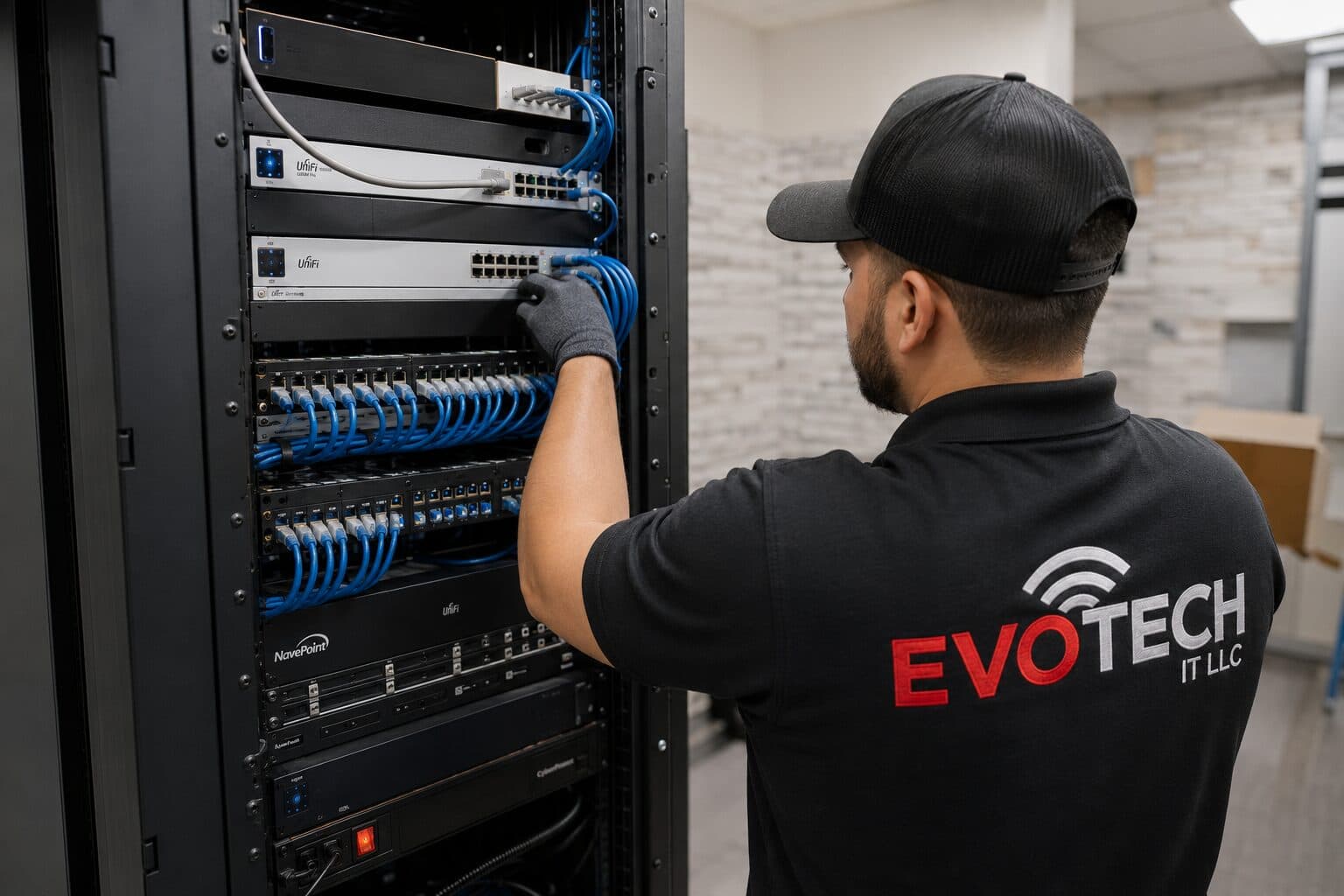
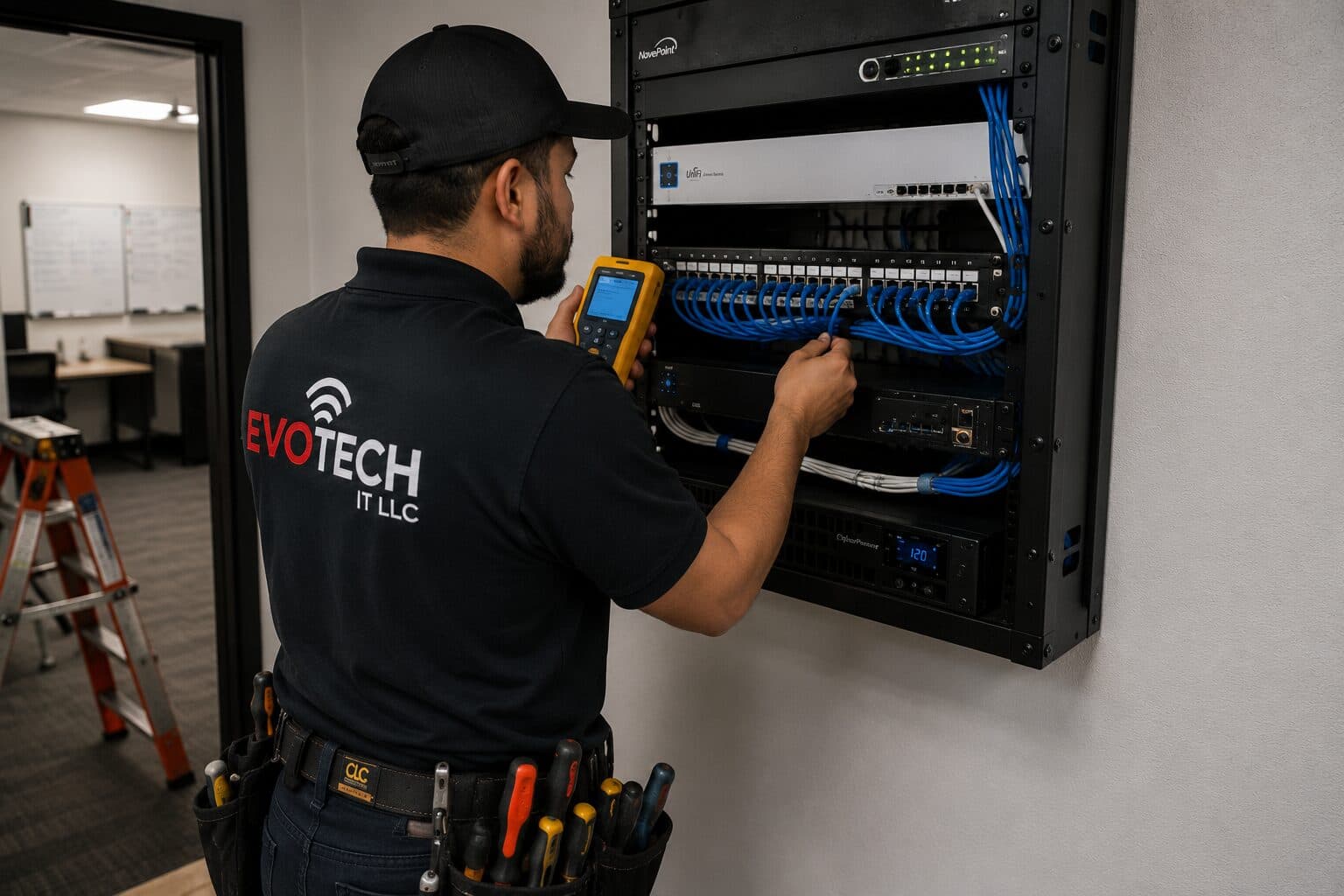
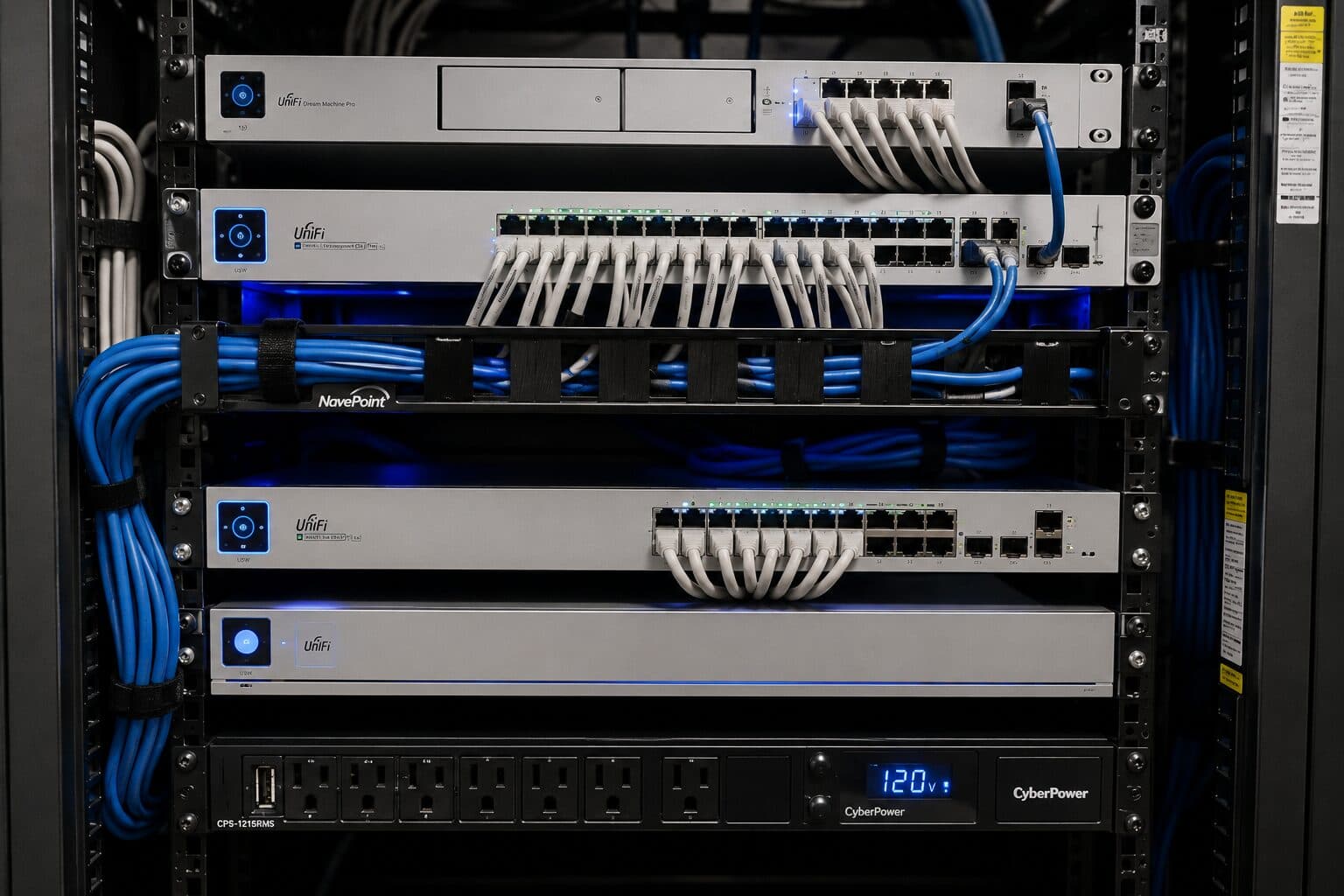
Clinical systems belong on their own segment, separate from staff general-purpose devices, separate again from patient guest access, and separate from building systems such as cameras and door controllers. This limits what any single compromised device can reach and makes the network far easier to reason about when something misbehaves.
Segmentation and clinical connectivity
Clinical systems belong on their own segment, separate from staff general-purpose devices, separate again from patient guest access, and separate from building systems such as cameras and door controllers. This limits what any single compromised device can reach and makes the network far easier to reason about when something misbehaves.
For clinical equipment that moves large files — imaging in particular — wired connections are worth insisting on where the equipment supports them. Wireless is fine for tablets and general staff use, but a modality pushing studies across a congested wireless cell produces exactly the kind of intermittent slowness that is difficult to diagnose and disruptive to a clinic day.
Guest access in a waiting area should be isolated from everything internal and rate-limited. It is a courtesy, and it should be architecturally incapable of touching anything clinical.
- Clinical, staff, guest, and building-system traffic on separate segments
- Wired connections for imaging and other high-throughput clinical equipment
- Waiting-area guest access isolated and capped
- Access points placed for coverage in treatment rooms without relying on corridor spill
- Equipment room secured, since it holds the systems everything depends on
Sugar Creek and old Sugar Land: what the location adds
The starting point for any Sugar Creek and old Sugar Land job is one local fact. 77478 is older Sugar Land — Sugar Creek's 1970s-1980s golf-course homes plus the original town core and nearby commercial. That single condition shapes where cable can run, where equipment can sit, and how coverage is laid out — more than any spec sheet does. Two more conditions weigh on it. This era predates structured wiring, so retrofits work through mature attics and existing chases. Golf-course frontage creates long rear sightlines for camera planning. Together they make the route specific to this pocket, which is why a short walkthrough or a few clear photos settle the scope faster than a floor plan can.
- 77478 is older Sugar Land — Sugar Creek's 1970s-1980s golf-course homes plus the original town core and nearby commercial
- This era predates structured wiring, so retrofits work through mature attics and existing chases
- Golf-course frontage creates long rear sightlines for camera planning
- Established commercial and office frontage brings small-business network and camera work into the ZIP
- Mature trees favor wired backbones over line-of-sight wireless
Cameras and access in a clinical setting
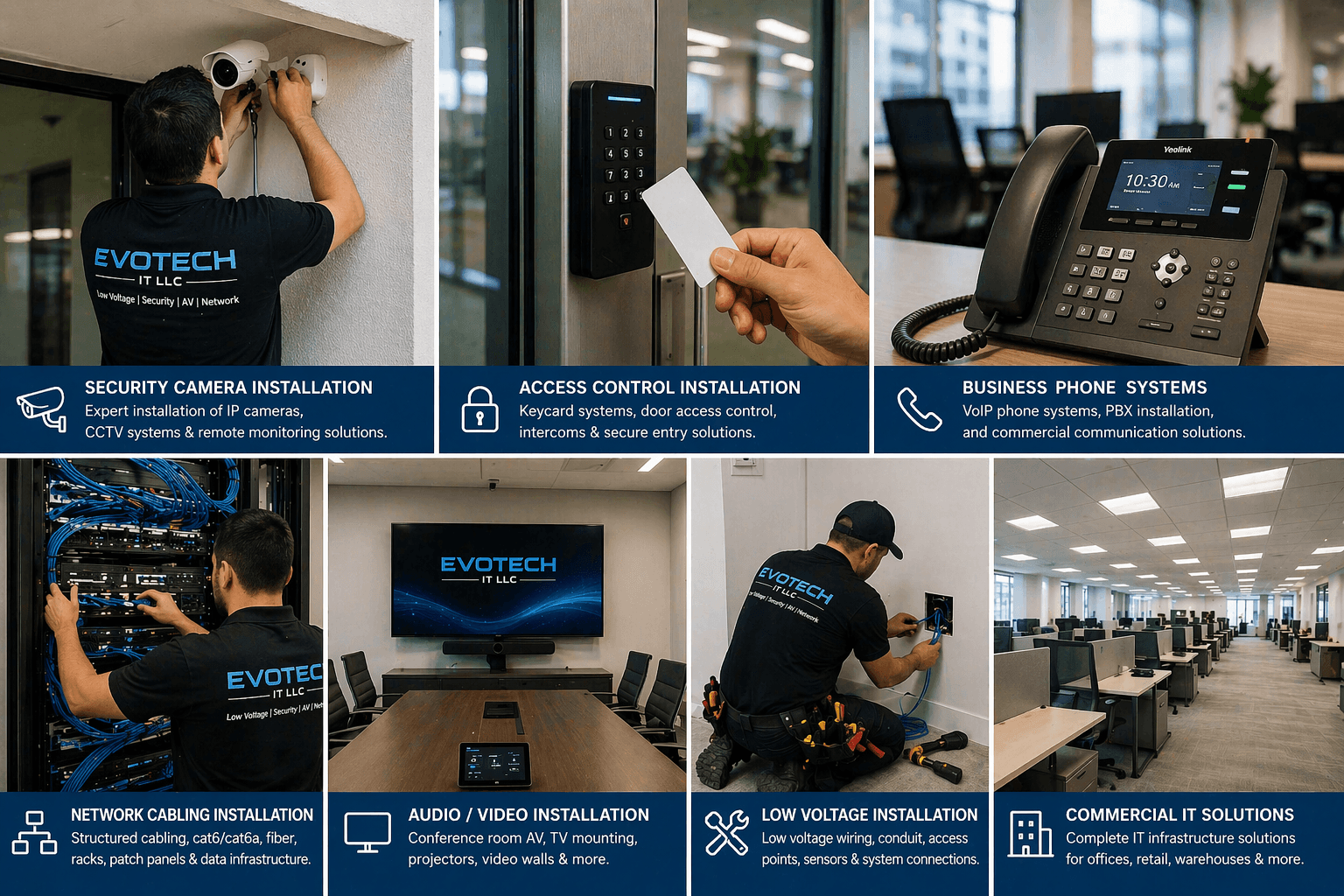
Camera coverage in medical settings is deliberately limited in scope. Entrances, corridors leading to controlled areas, medication storage approaches, parking areas, and after-hours coverage of the perimeter are the usual placements. Treatment areas are not camera locations, and this is worth stating plainly during design so the boundary is explicit.
Access control usually carries more weight than cameras here, because the practical requirement is controlling and evidencing entry to specific areas rather than recording activity generally. Door records showing who entered a records room and when answer the questions that actually get asked.
Where cameras and access control are integrated, a door event can be reviewed alongside footage of the corridor approach — which is often the useful combination, and does not require a camera inside the controlled area itself.
- Entrances, corridors to controlled areas, and medication storage approaches
- No cameras in treatment or examination areas
- Access records as the primary evidence for controlled-area entry
- Integration so door events can be reviewed with corridor footage
- Exterior and parking coverage for after-hours
Installing in Sugar Creek and old Sugar Land
Work in treatment areas is scheduled around patient sessions, which typically means early mornings, evenings, or non-clinical days. Corridors and public areas are more flexible but still need containment and clean working practice.
Getting Sugar Creek and old Sugar Land work done means planning around the site as it actually is. Established commercial and office frontage brings small-business network and camera work into the ZIP. Mature trees favor wired backbones over line-of-sight wireless. Both matter as much as the design to how and when the work happens. The scope is drawn from the real property, the coverage is stated as a service area rather than an office, and unverifiable specifics about Sugar Creek and old Sugar Land are kept off the page on purpose.
Frequently asked questions
What do medical offices in Sugar Creek and old Sugar Land usually need first?
It varies by site, but the pattern for medical offices holds in Sugar Creek and old Sugar Land: get the network and cabling backbone right, then layer cameras and access on top. What Sugar Creek and old Sugar Land changes is the physical install — the conditions listed above drive routes and equipment placement more than the sector alone does.
Should patient guest Wi-Fi be offered?
It is common in waiting areas, and the requirement is that it is architecturally isolated: unable to reach clinical systems, staff devices, or building systems, and rate-limited so it cannot affect anything operational. Configured that way it is a low-risk courtesy; configured as a shared flat network it is not.